
Have you ever wondered how far your single-shot rifle can shoot with true accuracy? Whether you’re a seasoned shooter or just getting started, knowing the limits of your rifle can make all the difference.
Imagine hitting your target dead center, even at long distances—that feeling of confidence and control is what every marksman wants. You’ll discover the real range your single-shot rifle can achieve and tips to help you get the most out of every shot.
Keep reading, because understanding this could change the way you approach your next shooting session.
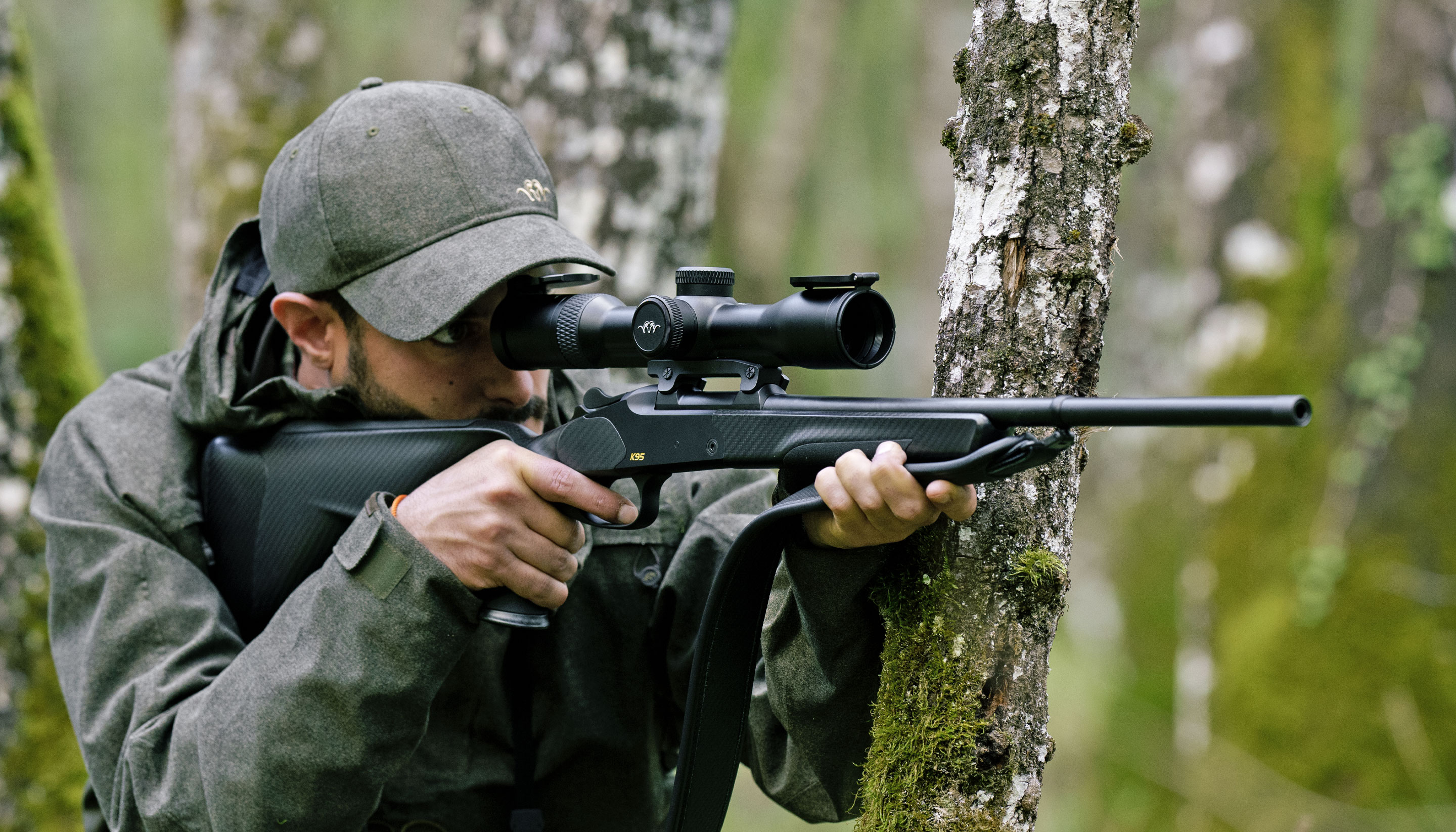
Single-shot Rifle Basics
Single-shot rifles have a long history and a simple design. They hold only one bullet at a time. This makes them different from other rifles that carry many rounds. Their simplicity often leads to better accuracy. Shooters focus on one perfect shot without rushing. These rifles are popular for hunting and target shooting.
Understanding the basics of single-shot rifles helps to know their strengths. Knowing what makes them special and the common types of ammunition is important. This knowledge guides choices for shooting distances and accuracy.
Key Features
Single-shot rifles have a simple mechanism. You load one bullet directly into the chamber. After firing, you manually reload for the next shot. This system reduces moving parts. It also lowers the chance of mechanical failure.
The rifle’s barrel is often heavy and long. This helps improve accuracy. The stock is usually solid and made for a firm grip. These rifles are known for their reliability and precision.
Common Calibers
Single-shot rifles come in many calibers. Popular choices include .22 LR for small game and target shooting. Larger calibers like .30-06 and .308 Winchester are used for big game hunting.
Choosing the right caliber depends on the shooting purpose. Smaller calibers are easier to handle. Larger calibers offer more power and longer range. Many shooters select calibers that balance accuracy and recoil.
Factors Affecting Accuracy
Accuracy in a single-shot rifle depends on several important factors. Each factor plays a key role in how far and how well the rifle can shoot. Understanding these helps shooters get better results.
Barrel Length And Quality
Barrel length affects bullet speed and stability. Longer barrels usually give higher velocity and better accuracy. The quality of the barrel matters too. A well-made barrel with good rifling guides the bullet straight. Poor barrel quality can cause wobbling and reduce accuracy.
Ammunition Choice
Different bullets perform differently in the same rifle. Using the right ammunition improves accuracy. Match-grade bullets have consistent size and weight, which helps with precision. Cheap or inconsistent ammo can lead to poor grouping and shorter accurate range.
Shooter Skill
The skill of the shooter affects accuracy a lot. Steady hands and good breathing control help keep shots on target. Proper trigger control avoids jerking the rifle. Practice and experience improve shooting consistency over time.
Environmental Conditions
Wind, temperature, and humidity change bullet flight. Wind can push bullets off course, especially at long distances. Cold air slows bullets down. Humidity can affect air density and bullet speed. Shooters must adjust for these conditions to stay accurate.
Typical Effective Ranges
Typical effective ranges of a single-shot rifle depend on many factors. These include the rifle’s build, the cartridge used, and the shooter’s skill. Understanding these ranges helps shooters know what to expect from their rifles. Accuracy changes as distance grows. The bullet’s flight path and external conditions affect precision too.
Short To Medium Distances
Single-shot rifles often excel at short to medium distances. These ranges usually cover 50 to 300 yards. At this distance, shooters can expect tight groupings and reliable accuracy. The rifle’s design and quality ammunition help maintain consistent shots.
Most hunters and target shooters use single-shot rifles within this range. Precision is easier to achieve because wind and bullet drop have less impact. The shooter can focus more on aim and trigger control.
Long-range Capabilities
Single-shot rifles can also perform well at longer distances. Skilled marksmen can hit targets beyond 500 yards with proper setup. Using high-quality scopes and stable shooting positions improves accuracy.
At long range, bullet drop and wind play larger roles. Shooters must adjust for these factors carefully. Not all single-shot rifles can maintain accuracy past this point. Choosing the right cartridge and equipment is key for long shots.
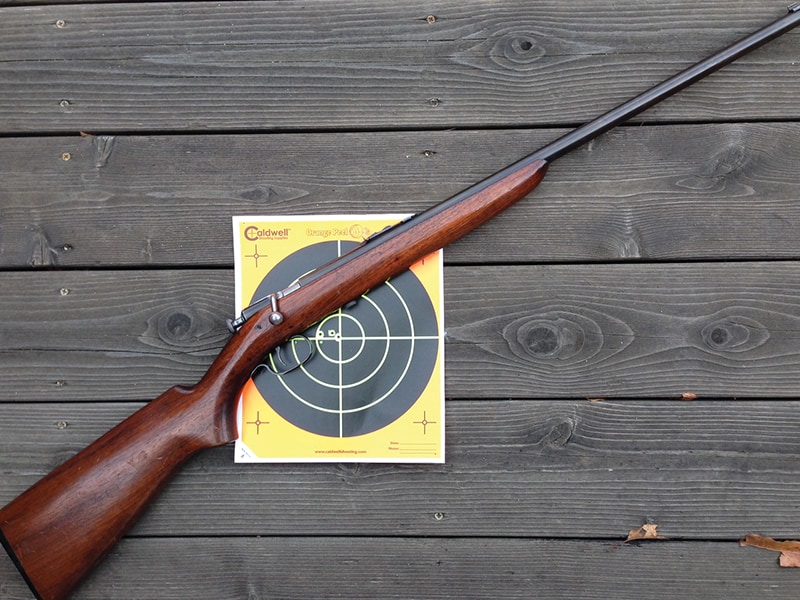
Expert Opinions On Accuracy Limits
Experts have studied how far a single-shot rifle can shoot accurately. Their views come from different fields and experiences. These opinions help us understand the realistic limits of accuracy. Accuracy depends on many factors, including the rifle, the shooter, and the environment.
Military And Law Enforcement Insights
Military marksmen say single-shot rifles can be precise at long distances. They often train to shoot accurately beyond 600 yards. Factors like wind and bullet drop become harder to control at these ranges. Experts stress the importance of steady aim and timing.
Law enforcement sharpshooters use single-shot rifles for controlled shots. They focus on precision over distance, often within 300 yards. They note that single-shot rifles require careful preparation before each shot. This preparation helps increase the chance of hitting the target.
Competitive Shooting Perspectives
Competitive shooters view single-shot rifles as tools for accuracy testing. They often shoot at targets from 500 to 1000 yards. Many say the rifle’s quality and the shooter’s skill are key to long-range accuracy. Slow, deliberate shooting helps improve hit rates.
In competitions, factors like trigger control and breathing are critical. Shooters practice to minimize small errors that affect accuracy. They agree single-shot rifles can perform well but need patience and focus.
Enhancing Accuracy
Enhancing accuracy is key to getting the best results from a single-shot rifle. Small changes can make a big difference in hitting targets at long distances. Focus on three main areas to improve precision: optics, trigger, and ammunition. Each part plays a role in making your shots cleaner and more reliable.
Optics And Sights
Good optics help you see your target clearly. A quality scope with adjustable magnification lets you zoom in for better aim. Choose sights that fit your shooting style and environment. Properly mounted optics stay steady and reduce movement. Clear reticles and good light transmission improve focus. This helps reduce eye strain and mistakes.
Trigger And Action Modifications
Smooth triggers make firing easier and more consistent. Lightening the trigger pull lowers the chance of jerking the rifle. Adjusting the trigger travel and reset helps with faster follow-up shots. A crisp, clean break feels better for the shooter. The rifle’s action should also cycle smoothly without extra play or noise. Tightening the action increases stability and shot precision.
Ammunition Tuning
Not all ammo performs the same in every rifle. Testing different bullet weights and powders finds what works best. Consistent loads improve accuracy by reducing variation shot to shot. Handloading lets shooters fine-tune every round to their rifle. Match-grade bullets and primers also enhance precision. Properly tuned ammo reduces barrel wear and improves shot grouping.

Real-world Shooting Scenarios
Real-world shooting tests how far a single-shot rifle can shoot accurately. Distance, weather, and shooter skill all affect the results. Different uses demand different levels of precision and range. Understanding these helps shooters choose the right setup.
Single-shot rifles often balance power and accuracy. They offer a simple design with fewer moving parts. This can improve reliability and consistency. Yet, the shooter must be precise with each shot.
Hunting Applications
Hunters use single-shot rifles for clear, careful shots. These rifles work well at medium distances, usually between 100 and 300 yards. Most hunting requires hitting vital spots quickly. Accurate shots reduce animal suffering and improve success.
Hunting in forests or rough terrain often limits long shots. Single-shot rifles excel here due to their accuracy and simplicity. Hunters must practice to judge distances well. Shots beyond 300 yards can be difficult but are possible with skill.
Target Shooting Challenges
Target shooters test their skill with single-shot rifles at varied distances. Shooting groups tight at 200 to 500 yards shows good accuracy. Wind and weather conditions add difficulty. Shooters learn to adjust their aim carefully.
Reloading after each shot slows the pace but encourages focus. Each shot matters more, pushing shooters to improve control and precision. Competitions often include different distances to challenge skills. Single-shot rifles prove reliable for steady, accurate shooting.
Frequently Asked Questions
How Far Can A Single-shot Rifle Shoot Accurately?
A single-shot rifle can shoot accurately between 200 to 600 yards. Accuracy depends on caliber, rifle quality, and shooter skill. Proper ammunition and environmental conditions also impact shot precision at longer distances.
What Factors Affect Single-shot Rifle Accuracy?
Barrel length, ammunition type, shooter expertise, and rifle maintenance all affect accuracy. Environmental conditions like wind and temperature also play a role. Using high-quality optics and stable shooting positions improves precision.
Is Single-shot Rifle Accuracy Better Than Bolt-action Rifles?
Single-shot rifles can match bolt-action accuracy if well-built and properly maintained. However, bolt-action rifles offer faster follow-up shots. Accuracy largely depends on the shooter’s skill and the rifle’s design.
Can I Improve My Single-shot Rifle’s Shooting Distance?
Yes, using match-grade ammunition, upgrading optics, and practicing regularly can extend shooting distance. Proper cleaning and barrel break-in also enhance accuracy. Environmental awareness and stable shooting positions are key.
Conclusion
Single-shot rifles can shoot accurately at impressive distances. Accuracy depends on the rifle, bullet, and shooter’s skill. Many shooters hit targets well beyond 500 yards. Quality optics and steady aim improve results. Practice helps shooters understand their rifle’s limits. Weather and terrain also affect shooting distance.
Knowing your equipment is key for precise shots. Single-shot rifles remain reliable for long-range shooting. Each shot counts, so focus and patience matter. Accurate shooting is possible with the right tools and effort.

