
How fast can you shoot a lever-action rifle? If you’ve ever wondered about the speed and skill behind this classic firearm, you’re not alone.
Whether you’re a beginner wanting to improve or an enthusiast curious about the limits, knowing how to shoot quickly and accurately can change your whole experience. You’ll discover the secrets to mastering your lever-action rifle’s speed without losing control. Ready to boost your shooting skills and impress everyone at the range?
Keep reading—you’re about to learn what really makes a difference.
Lever-action Rifle Basics
Lever-action rifles have a unique place in firearm history. They offer a blend of speed, reliability, and classic design. Understanding their basics helps to see how fast you can shoot them. This section covers the key parts, how they work, and common models.
Key Components
The lever-action rifle has several main parts. The lever itself is under the trigger guard. This lever moves the mechanism to load a new round. The tubular magazine holds the cartridges, usually under the barrel. The hammer strikes the firing pin to ignite the cartridge. The stock provides support and balance for aiming.
How It Works
Shooting a lever-action rifle involves moving the lever down and forward. This action ejects the spent cartridge case from the chamber. At the same time, it loads a new cartridge from the magazine. Pulling the lever back up closes the bolt and locks the round in place. The hammer then cocks, ready to fire again. This cycle repeats with each shot.
Common Models
Many lever-action rifles are popular worldwide. The Winchester Model 1873 is a classic example. The Marlin 336 is known for its accuracy and durability. Henry rifles are praised for smooth action and reliability. Each model has small differences but shares the same lever-action system.
Factors Affecting Shooting Speed
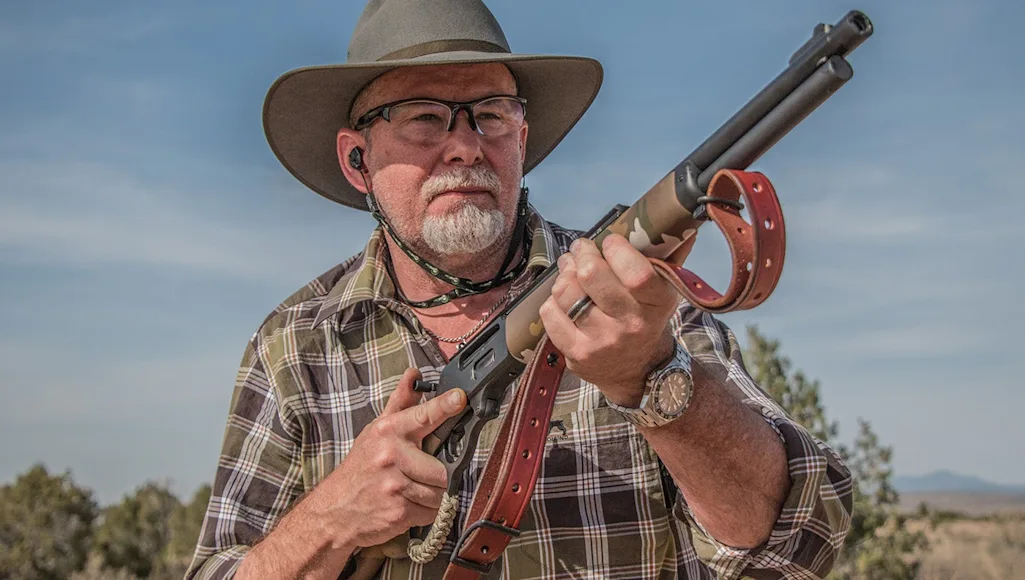
Shooting speed with a lever-action rifle depends on many things. These factors can change how fast you can fire each shot. Understanding them helps improve your shooting time.
Some factors come from the rifle itself. Others come from the bullets or the shooter’s skills. Each plays a part in the overall speed.
Rifle Ergonomics
How the rifle feels in your hands matters a lot. A rifle that fits your body well lets you work the lever faster. The weight and balance affect how steady you hold it. Smooth lever action reduces effort and speeds up shooting. A good grip keeps your hand from slipping. All these details add up to faster shots.
Ammunition Type
Different bullets affect how the rifle works. Lighter ammo can cycle quicker, letting you shoot faster. Some cartridges need more force to load and eject. This slows down the lever action. Consistent ammo helps keep a steady rhythm. Choosing the right ammo can make a clear difference.
Shooter Skill Level
Practice and experience improve shooting speed. Skilled shooters move the lever smoothly and reload quickly. They keep good posture and aim while working the lever. Less experienced shooters may fumble or pause between shots. Training builds muscle memory and confidence. This leads to faster, more accurate shooting.
Reloading Techniques
Reloading a lever-action rifle quickly is key to fast shooting. The right techniques can save seconds and keep you ready. Practicing smooth and efficient reloading helps maintain a steady shooting rhythm. It also reduces fumbling and frustration during use.
Speed Loading Tips
Use both hands to reload faster. Keep the rifle steady with one hand. Load cartridges one by one into the magazine. Practice moving cartridges quickly from your hand to the rifle. Keep the cartridges lined up for easy access. Avoid looking at the magazine while loading. Trust your hands to do the job. Repeat often to build muscle memory.
Using Tubular Magazines
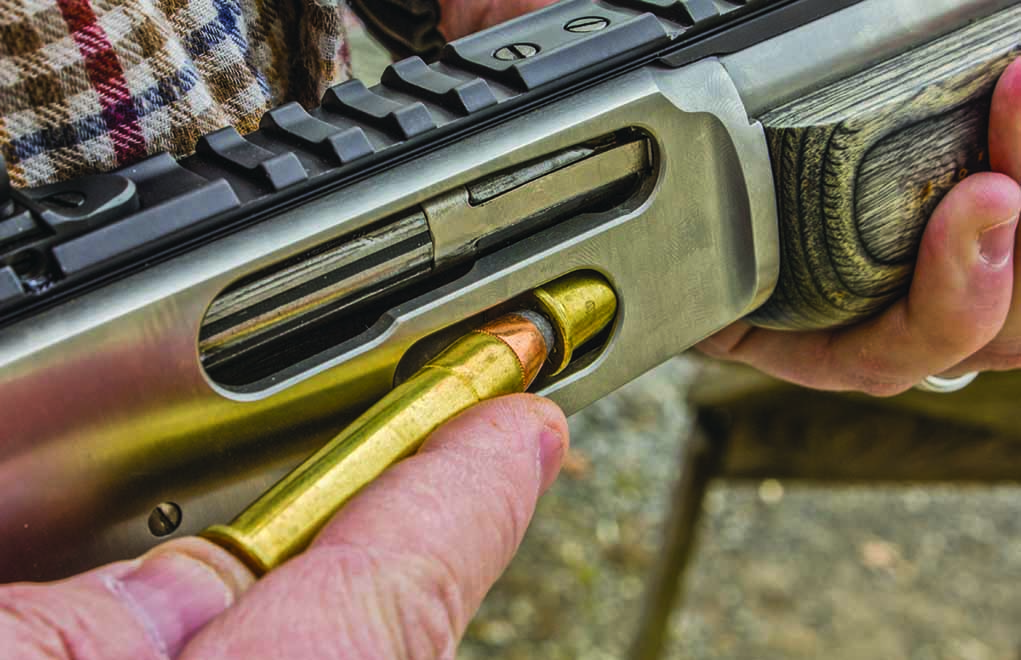
Tubular magazines require loading rounds into a tube under the barrel. Push each cartridge fully inside the tube. Use a loading gate on the side for fast access. Keep rounds ready in your hand or on a belt. Check the magazine tube before shooting to avoid jams. Be gentle but firm when loading rounds.
Quick Ammo Access
Keep ammo close and easy to reach. Use a belt or chest rig to hold cartridges. Arrange cartridges so the bullet tips face the same direction. This makes picking up rounds faster and smoother. Avoid loose ammo in pockets that can slow you down. Plan your ammo setup before shooting practice or hunting.
Improving Lever Cycling
Improving lever cycling helps you shoot faster and more accurately. It makes the rifle ready quickly for the next shot. Practice and small changes in technique can make a big difference.
Focus on smooth, controlled movements. This reduces mistakes and keeps you steady. A good grip and shorter lever throw also speed up the process.
Smooth Lever Movements
Move the lever in one smooth action. Avoid jerky or fast motions that cause jams. Smooth cycling helps the rifle load and eject shells properly. Practice slow and steady first, then speed up.
Maintaining Proper Grip
Hold the rifle firmly but not too tight. Your shooting hand controls the trigger. The other hand moves the lever. A steady grip stops the rifle from shifting. This helps you cycle the lever faster and shoot better.
Reducing Lever Throw Distance
Keep the lever movement short and close to the rifle. A big lever throw wastes time and energy. Shorter lever throws mean quicker cycling. Adjust your hand position to make the lever move less distance.
Training Drills For Speed
Speed with a lever-action rifle comes from practice and repetition. Training drills help build muscle memory and improve your reload time. These exercises train your hands and eyes to work faster and smoother. Regular practice will make your shooting quicker and more accurate.
Dry Fire Practice
Dry fire practice means pulling the trigger without live ammo. This drill helps you focus on your movements. You can practice cycling the lever and aiming. It builds speed without the noise or recoil. Always ensure your rifle is unloaded before dry firing.
Timed Shooting Exercises
Timed exercises push you to shoot faster under pressure. Use a timer to track how fast you hit your targets. Start slow and try to beat your time each round. This drill helps improve your reaction and trigger control. Speed grows with steady, timed practice sessions.
Transitioning Targets
Transition drills teach you to switch between targets quickly. Place targets at different distances and angles. Practice moving your aim from one to the next smoothly. This improves your hand-eye coordination and target acquisition speed. It simulates real shooting situations with multiple threats.
Common Mistakes To Avoid
Shooting a lever-action rifle fast requires good technique and focus. Many shooters make common mistakes that slow them down. Avoiding these errors helps improve your speed and accuracy. Practice the right way to get better results.
Over-cocking The Lever
Pulling the lever too far back wastes time and energy. It can also cause jams or misfeeds. Move the lever just enough to eject the spent cartridge and load a new round. Smooth, quick lever motion is key for faster shooting.
Poor Trigger Control
Slapping the trigger quickly leads to missed shots. Instead, press the trigger gently and steadily. Good trigger control helps keep your aim steady. Take a short moment to squeeze the trigger cleanly for better accuracy.
Inconsistent Stance
Your body position affects your speed and balance. Standing unevenly or shifting weight can slow your shots. Keep your feet shoulder-width apart and lean slightly forward. A steady stance helps you move the lever and aim faster.
Safety Tips While Shooting Fast
Shooting fast with a lever-action rifle can be exciting. It tests your skill and control. But safety must come first. Fast shooting increases risks. Follow these safety tips to protect yourself and others.
Maintaining Muzzle Awareness
Always know where your rifle’s muzzle points. Never aim at anything you do not want to shoot. Keep the muzzle away from people and pets. Check your surroundings before each shot. This habit prevents accidents during fast shooting.
Proper Eye And Ear Protection
Wear safety glasses to protect your eyes. Flying debris or brass can cause injury. Use ear protection to guard your hearing. Shooting quickly means more noise. Protect your ears from damage with good earplugs or earmuffs.
Controlled Breathing
Stay calm and breathe steadily. Fast shooting can make you tense. Holding your breath can cause mistakes. Controlled breathing helps maintain focus and accuracy. It keeps your hands steady during rapid fire.

Frequently Asked Questions
How Fast Can You Shoot A Lever-action Rifle Accurately?
You can shoot 3 to 5 rounds per second accurately with practice. Speed depends on your skill, rifle model, and cycling technique. Proper grip and smooth lever operation improve firing speed without losing accuracy.
What Affects The Shooting Speed Of Lever-action Rifles?
Shooting speed depends on rifle design, shooter’s experience, and ammunition type. Lever length and action smoothness impact cycling speed. Practice and familiarity with your rifle also play key roles in how fast you can shoot.
Can You Shoot Lever-action Rifles As Fast As Semi-automatics?
Lever-action rifles shoot slower than semi-automatics due to manual cycling. However, skilled shooters can achieve impressive speeds. Lever-actions offer reliability and classic appeal despite being slower than semi-automatic rifles.
What Techniques Improve Lever-action Rifle Shooting Speed?
Focus on smooth, consistent lever cycling and trigger control. Maintain a firm grip and proper stance to enhance speed. Dry fire practice helps develop muscle memory for faster, more accurate shots.
Conclusion
Shooting a lever-action rifle fast takes practice and focus. You must work on your hand movements and timing. Each shooter learns their own rhythm to shoot smoothly. Speed is not the only goal; accuracy matters too. Keep your safety gear on and stay aware.
With time, your shooting will feel natural and steady. Remember, patience helps you improve both speed and skill. Enjoy the process and shoot safely every time.

