
Properly stored ammunition can last decades, often 50 years or more.
If you store ammo the right way, it can outlive the box it came in. In this guide, I break down How long can ammunition last in proper storage? with clear rules, real tests, and lessons from years of safe handling. You will learn what really ages ammo, how to prevent it, and when to trust it at the range or in the field. Read on for a simple plan that keeps your ammo reliable for the long haul.

What actually controls shelf life
People ask, How long can ammunition last in proper storage? The true answer depends on four things: heat, moisture, seal quality, and build quality.
- Temperature swings age powder and primers. Warm and hot spaces shorten life fast.
- Moisture causes corrosion. It can creep into cases and kill primers.
- Sealants at the case mouth and primer help a lot over decades.
- Good brass, clean primer pockets, and consistent powder help long life.
I have opened mid‑90s factory boxes that still ran clean. They were kept cool and dry. That is the pattern you want to copy.
Heat, humidity, and time: the science in plain words
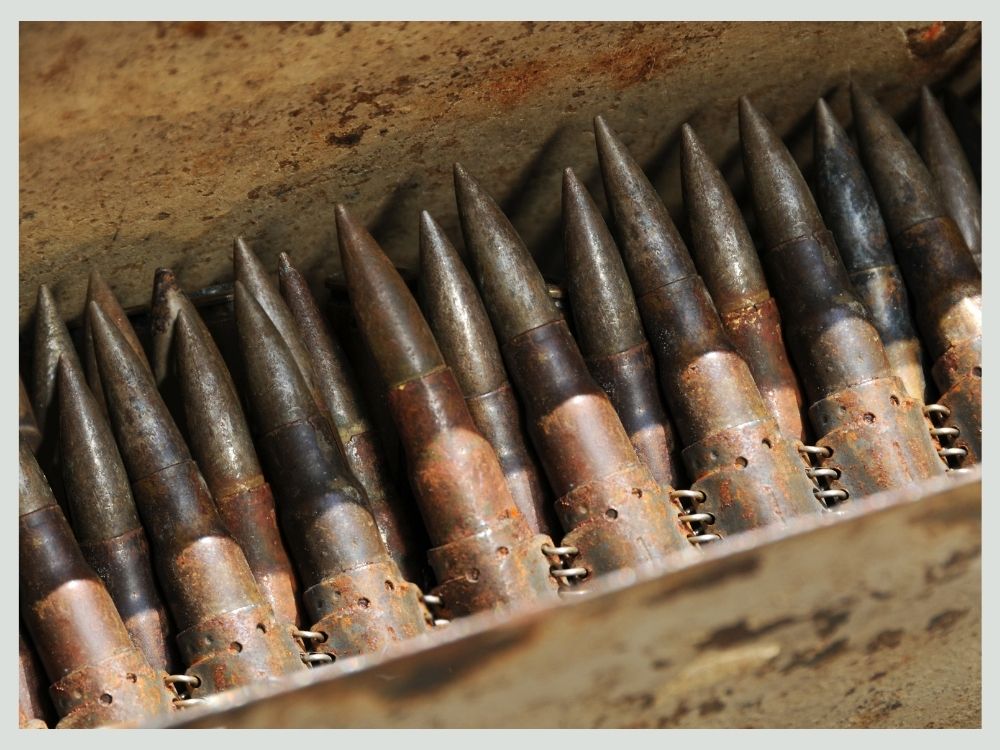
How long can ammunition last in proper storage? It comes down to slow chemical change. Powder is a stable mix, but heat speeds up decay. Primers are sensitive to moisture and oils.
- Heat speeds every reaction. A hot garage can age ammo in a few summers.
- Humid air leads to rust, verdigris, and dead primers.
- Oil can leak into primers and kill them.
Think of ammo like dry pasta. Keep it cool and dry, and it lasts. Add heat and steam, and it turns soft and weak.
Best practices for long-term ammo storage
How long can ammunition last in proper storage? With the right setup, you can plan for decades.
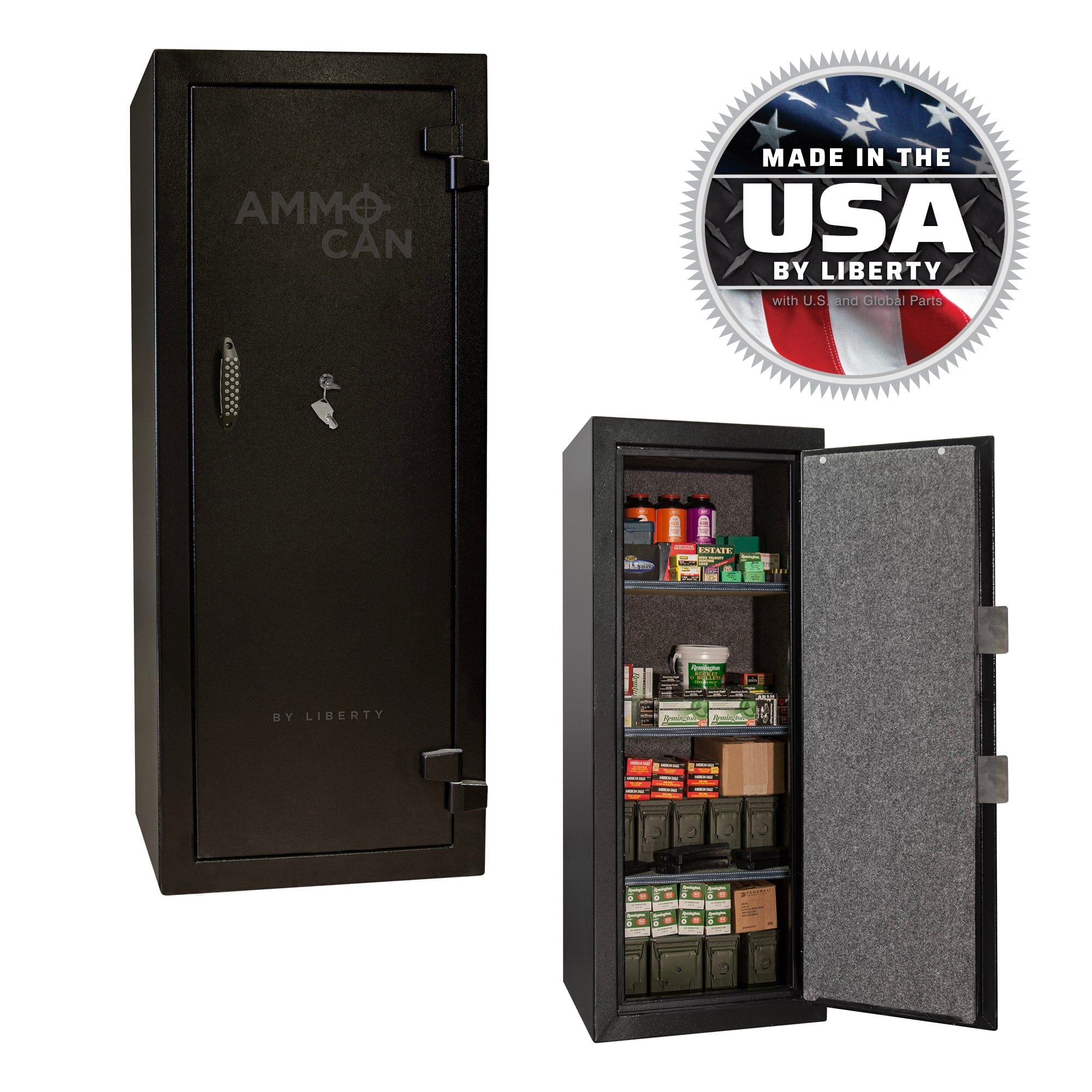
- Store cool, dry, and dark. Aim for 55–75°F and low humidity.
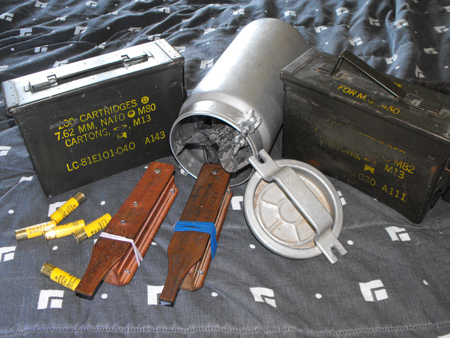
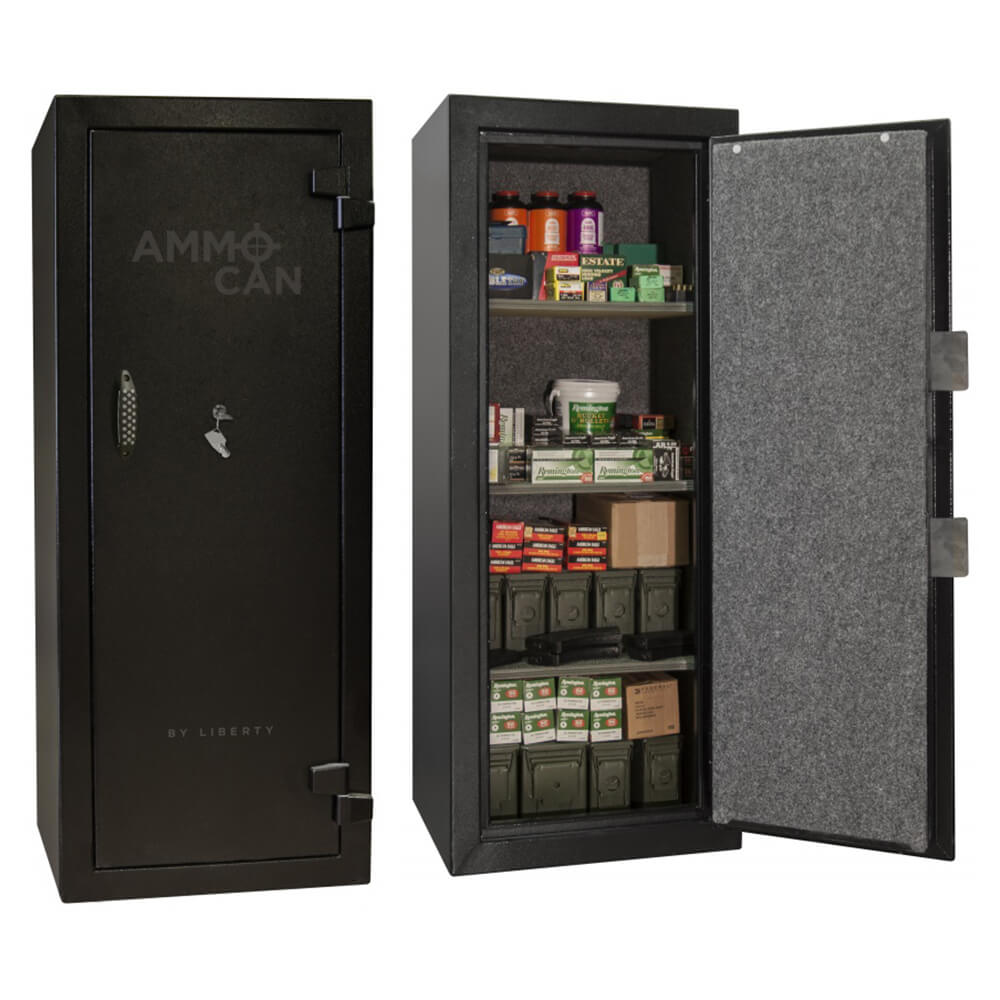
- Use sealed cans with a good gasket. Mil‑spec ammo cans work well.
- Add desiccant packs. Check and recharge them as needed.
- Leave ammo in factory boxes inside the can. It protects the rounds and tracks lots.
- Avoid oil and solvents near ammo. Keep them in a separate bin.
- Keep off concrete floors. Use a shelf to avoid damp.
- Do not shake, toss, or bang boxes. Gentle handling helps.
- Label each can with caliber, lot, and date. Use first in, first out.
I keep a small hygrometer inside each can. It tells me the humidity at a glance.
Signs your ammo is still safe to shoot
How long can ammunition last in proper storage? You will still want to check it. A quick check saves time and trouble.
- Look for corrosion, dents, or split necks.
- Check for loose bullets or set‑back. Push on the bullet with a thumb.
- Smell for a sharp, sour odor from powder. That can signal age.
- Test a small sample on the range. Watch for weak shots, hangfires, or hard primers.
- Stop at any pressure sign, like sticky extraction or odd recoil.
If anything looks off, do not fire it. Dispose of bad rounds at a local range or police drop‑off.
Real-world lessons from the range and the field
How long can ammunition last in proper storage? I have shot sealed surplus from the 1970s that ran fine. It was kept cool, in sealed tins.
I have also seen duty ammo fail after two humid summers in a car. The heat and sweat from daily carry took a toll. That is why many agencies rotate carry rounds yearly.
For home storage, steady conditions win. The cooler and drier the space, the longer the life.
Special cases that change the timeline
How long can ammunition last in proper storage? Some types need extra care.
- Rimfire: Primers sit in the rim and can be touchy. Keep it very dry.
- Shotgun shells: Plastic wads and hulls can warp in heat. Store cool.
- Corrosive primers: Old surplus can be fine if sealed. Clean your gun well.
- Black powder and substitutes: Far more moisture sensitive. Use tight seals.
- Steel cases: Run fine, but the case can rust fast if damp.
- Handloads: Quality varies. Record data, seal if you can, and test often.
- Vehicle storage: Heat cycles are harsh. Rotate that ammo more often.
If you must store in a car, use a dry box and swap rounds on a set schedule.
So, how long can ammunition last in proper storage? Practical timelines
How long can ammunition last in proper storage? Here are simple, real‑world targets if you keep it cool and dry.
- Centerfire pistol, factory, no sealant: 25–40 years is common.
- Centerfire rifle, factory, sealed primer/mouth: 40–70 years is possible.
- Rimfire .22 LR: 15–30 years, sometimes more if very dry.
- Shotgun shells: 10–25 years, watch plastic and wads.
- Corrosive‑primed surplus, sealed tins: 40–70 years, then test lots first.
- Quality handloads in sealed cans: 10–30 years, based on care.
Two simple rules add years. Keep it below room heat and keep it dry. Do that, and the answer to How long can ammunition last in proper storage? often stretches into decades.
Cost, risk, and rotation: when to shoot, when to store
How long can ammunition last in proper storage? Long enough that you should plan a rotation. Shoot older lots first and keep a simple log.
- Train with the oldest boxes. Save the newest for defense.
- Replace carry ammo yearly if you live with heat and humidity.
- Keep notes on lot numbers and test dates.
- Do a quick check each season for cans and seals.
This way you get the best blend of trust, cost, and proof in use.
Frequently Asked Questions of How long can ammunition last in proper storage?
Does ammo expire?
Ammo does not have a set expiry date. It ages faster with heat and moisture and slower in cool, dry air.
Is it safe to store ammo in an ammo can with desiccant?
Yes, that is a great setup. Make sure the gasket seals well and swap or recharge desiccant as needed.
Can I store ammo in a garage or attic?
You can, but it is not ideal. Heat cycles and humidity cut life fast, so pick a cooler indoor space.
How do I know if old ammo is bad?
Check for rust, splits, and odd smells. Test a few rounds; stop if you see weak shots, hangfires, or pressure signs.
Will oil on bullets or cases hurt ammo?
Yes, oils can creep into primers and kill them. Keep oils and solvents away from stored ammo.
Conclusion
Stored right, modern ammo is a long‑lived tool. Keep it cool, dry, sealed, and labeled, and it will serve you for decades. A simple test plan and steady rotation build trust you can count on.
Set up one good ammo can this week. Add desiccant, label your lots, and note a test date. Want more tips like this? Subscribe for updates, share your setup, or drop your questions in the comments.

