
When you think about assault rifles, one big question probably comes to your mind: How reliable are they? Whether you’re curious about their performance in tough situations or just want to know if you can count on them when it matters most, understanding their reliability is key.
You deserve clear, straightforward answers that help you see beyond the myths and hype. You’ll discover what really makes an assault rifle dependable—and what might make it fail. Keep reading, because knowing the truth could change the way you think about these powerful weapons.
Reliability Factors
Reliability factors determine how well assault rifles perform under different conditions. These factors affect the rifle’s ability to function without failure. Understanding these elements helps users choose the right weapon for their needs.
Mechanical Design
The mechanical design impacts the rifle’s reliability greatly. Simple designs usually mean fewer parts that can break. Well-engineered mechanisms reduce the chance of jams or misfires. Designs that allow easy part replacement also improve reliability over time.
Material Quality
High-quality materials make the rifle more durable. Strong metals resist wear and corrosion. Poor materials can cause parts to fail quickly. Quality materials help the rifle perform well in harsh environments. Good material choice is key to long-lasting reliability.
Maintenance Impact
Regular maintenance keeps assault rifles working smoothly. Dirt, dust, and residue can cause malfunctions. Cleaning and lubricating parts prevent wear and tear. Neglecting maintenance reduces the rifle’s reliability fast. Proper care extends the life and function of the weapon.
Common Assault Rifle Models
Assault rifles vary in design and reliability across different models. Each model has unique features affecting its performance. Understanding common assault rifle models helps assess their dependability in real situations.
Let’s explore three well-known models and their reliability traits.
Ak-47 Durability
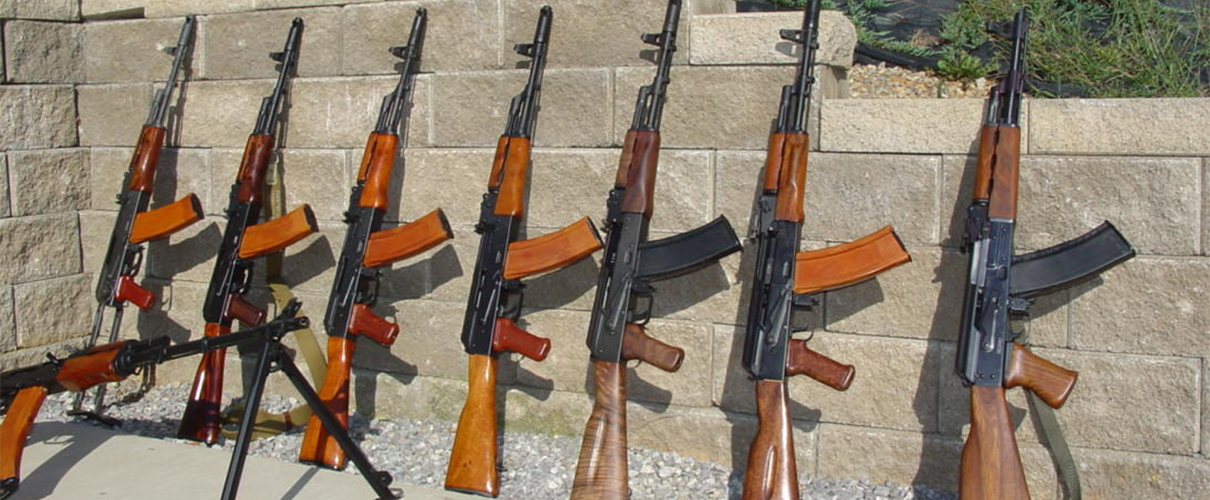
The AK-47 is famous for its rugged design. It works well in harsh conditions like mud, sand, and rain. Its simple mechanism makes cleaning and maintenance easy. Soldiers trust it for its ability to function with little care. The AK-47 rarely jams or breaks, even after heavy use.
M16/m4 Reliability
The M16 and M4 rifles offer accuracy and ease of use. They require more cleaning than the AK-47 to stay reliable. These rifles perform best when well-maintained and cleaned regularly. The design suits modern combat with lighter weight and better ergonomics. Proper care ensures fewer malfunctions in action.
Modern Alternatives
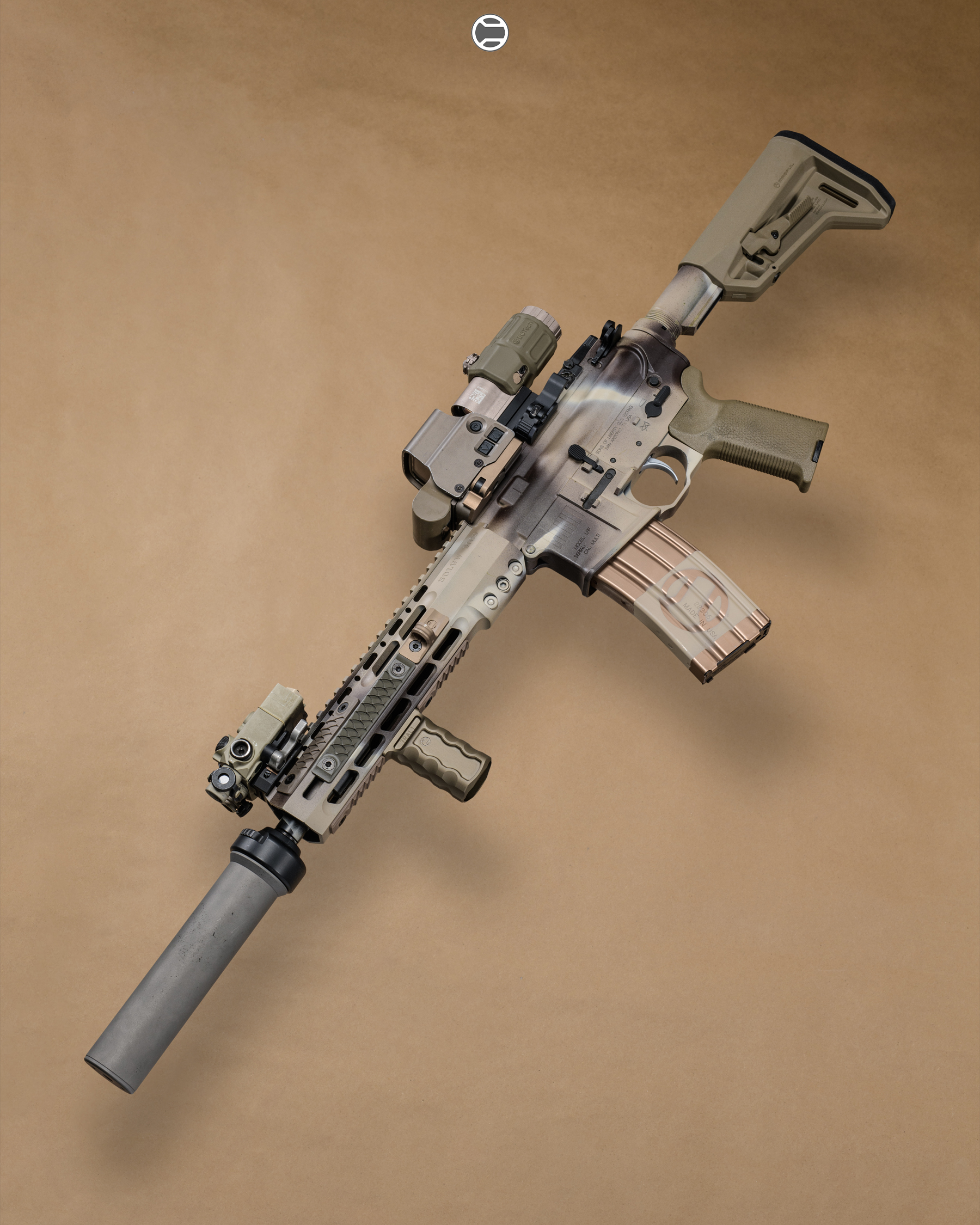
New assault rifles blend durability and technology. Models like the FN SCAR and HK416 use advanced materials. They aim to offer reliability similar to the AK-47 with modern features. These rifles often include better modularity and accuracy. Many armies adopt them to improve performance in diverse environments.
Testing Conditions
Testing conditions play a key role in determining how reliable assault rifles are. Different tests reveal how these weapons perform under stress and real-world situations. Understanding these conditions helps know what to expect from an assault rifle in action.
Environmental Challenges
Assault rifles face tough environments during testing. Dust, mud, rain, and extreme temperatures simulate battlefield conditions. These elements test the rifle’s ability to keep firing without jamming. A rifle that works well in harsh weather proves its durability.
Ammunition Variability
Not all ammunition is the same. Different brands and batches can affect rifle performance. Testing with various ammo types shows how well the rifle handles different pressures and qualities. Reliable rifles perform consistently across many ammo types.
Field Vs. Laboratory
Laboratory tests offer controlled settings and precise measurements. They focus on technical factors like accuracy and rate of fire. Field tests mimic real combat situations with unpredictable variables. Both testing types together give a full picture of rifle reliability.
User Experiences
User experiences provide real insights into the reliability of assault rifles. These experiences come from different groups using the rifles in tough conditions. Each group faces unique challenges that test the weapon’s performance. Their feedback helps to understand how well these rifles work in practice.
Military Feedback
Soldiers rely on assault rifles in extreme situations. They report that reliable rifles function well under dirt, rain, and harsh weather. Some models require less cleaning, which is a big plus in combat. Soldiers value rifles that fire consistently without jamming. Durability and ease of maintenance rank high in their feedback.
Law Enforcement Insights
Police officers use assault rifles for safety and control. They need weapons that work in quick, intense moments. Officers say reliability means the rifle must fire every time without fail. Easy handling and quick reloads are crucial for their safety. Many law enforcement users highlight the importance of consistent accuracy.
Civilian Use Cases
Civilians use assault rifles for sport and self-defense. Many share stories about rifles performing well during long shooting sessions. They appreciate rifles that stay reliable with little upkeep. Some mention issues with certain parts but find them fixable. Overall, civilians focus on rifles that balance reliability and affordability.
Failure Causes
Assault rifles are designed for reliability, but failures still happen. Understanding common failure causes helps users maintain their weapons better. Most failures occur from mechanical problems or user errors. Identifying these issues improves the rifle’s performance in critical moments.
Jamming Issues
Jamming is a frequent problem in assault rifles. It happens when the bullet or cartridge gets stuck inside the chamber. Dirt, debris, or poor ammunition quality often cause jams. Regular cleaning and using good ammo reduces jamming risks. Even small particles can block the rifle’s moving parts. Consistent maintenance keeps the rifle running smoothly.
Wear And Tear
Over time, parts of an assault rifle wear down. Springs lose tension and metal components may erode. This wear causes malfunctions or failure to fire. High usage speeds up this process. Frequent inspection and timely replacement of worn parts are crucial. Maintaining the rifle extends its operational life and reliability.
Improper Handling
Many failures happen due to improper handling by the user. Incorrect loading, rough operation, or poor grip can cause malfunctions. Not following basic safety and handling rules increases failure chances. Training and practice improve handling skills. Proper care helps the rifle work as intended in any situation.
Improving Reliability
Improving the reliability of assault rifles is crucial for better performance. Reliable rifles work well in tough conditions. They reduce the chance of jams and failures. Many factors can boost rifle reliability.
Regular Maintenance
Cleaning rifles often keeps them working smoothly. Dirt and debris cause problems if not removed. Lubrication lowers wear on moving parts. Checking parts for damage helps prevent breakdowns. Regular maintenance extends the rifle’s life.
Upgrades And Modifications
Upgrading parts can improve reliability. Stronger springs and better extractors help avoid jams. Using quality magazines reduces feeding issues. Some modifications make rifles easier to clean. Choose upgrades that fit your rifle model.
Training And Handling
Proper training improves how users handle rifles. Correct loading and clearing techniques reduce errors. Knowing how to spot problems early helps fix them fast. Good handling avoids unnecessary wear on parts. Practice builds confidence and better control.
Frequently Asked Questions
How Reliable Are Assault Rifles Under Extreme Conditions?
Assault rifles are designed for durability in harsh environments. They perform well under dirt, mud, and rain. Regular maintenance enhances their reliability. Modern models feature corrosion-resistant materials. Proper training also ensures consistent operation in extreme conditions.
What Factors Affect Assault Rifle Reliability?
Reliability depends on quality manufacturing, ammunition type, and maintenance. Environmental factors like dust and moisture impact function. Design simplicity often improves reliability. User handling and cleaning frequency also play key roles. High-quality rifles maintain performance longer with less upkeep.
How Often Should Assault Rifles Be Maintained?
Routine maintenance is essential for reliability. Cleaning after every use is recommended. Regular lubrication prevents wear and tear. Inspect parts for damage periodically. Proper storage reduces corrosion risks. Consistent upkeep ensures optimal performance over time.
Are Assault Rifles More Reliable Than Other Firearms?
Assault rifles balance reliability, accuracy, and firepower. They often outperform pistols and shotguns in rugged conditions. Their robust design supports sustained firing. However, simpler firearms may have fewer malfunctions. Choice depends on intended use and environment.
Conclusion
Assault rifles have earned a reputation for being reliable tools. They perform well in various conditions and last long with proper care. Still, their dependability depends on maintenance and correct use. Choosing quality parts and regular cleaning helps keep them working smoothly.
Remember, no weapon is perfect, but assault rifles balance power and reliability. Understanding their strengths and limits aids in making smart decisions. Trust comes from knowledge and experience. Keep safety and responsibility as top priorities when handling any firearm.

