
When you think about choosing a firearm, reliability is probably at the top of your list. Carbines have become popular for many reasons, but how reliable are they really?
You want a weapon that won’t let you down when it matters most. Whether you’re a shooter, a hunter, or just curious, understanding the true dependability of carbines can make all the difference. Keep reading, and you’ll discover what makes carbines tick—and whether they’re the right choice for your needs.
Carbines In Modern Firearms
Carbines have become a key part of modern firearms. They offer a good balance between power and size. Many military and law enforcement groups use carbines. Their compact design helps in close and medium-range fights. Users get better control and quicker movement with carbines. These weapons fit many roles, from patrol to special missions.
The design of carbines has evolved to meet today’s needs. They often share parts with rifles but are lighter. This makes carbines easier to carry and handle. The reliability of carbines depends on their build and use. Understanding their features helps to see how reliable they can be.
What Makes A Carbine
A carbine is a shorter, lighter firearm than a rifle. It usually has a barrel length under 20 inches. This size makes it easier to carry in tight spaces. Carbines often use the same ammunition as rifles. They have a shorter range but better mobility. The design focuses on quick handling and ease of use. Many carbines have adjustable stocks and rails for attachments. These features improve comfort and customization.
Common Types And Uses
Many carbines are based on popular rifle models. The AR-15 and M4 are famous examples. Law enforcement prefers these for patrol and urban operations. Military units use carbines for close combat and quick moves. Hunters use carbines for small to medium game. Sport shooters enjoy carbines for their light weight and accuracy. Their compact size suits many tasks outside the battlefield. This versatility makes carbines popular worldwide.

Factors Affecting Carbine Reliability
Carbine reliability depends on several important factors. These factors influence how well a carbine performs under various conditions. Understanding these helps users choose and care for their firearms properly. Reliability means fewer jams, better accuracy, and longer service life.
Design And Build Quality
Good design ensures smooth operation and durability. Quality materials reduce wear and tear. Precise engineering avoids parts misalignment. Strong springs and solid barrels improve function. A well-built carbine handles recoil better. Poor design can cause frequent malfunctions. Pay attention to manufacturers with proven records.
Ammunition Compatibility
Not all carbines work well with every ammo type. Some designs require specific bullet sizes or power. Using the wrong ammo can cause jams or damage. High-quality ammo tends to feed better and fire cleaner. Experimenting with different brands may find the best match. Consistent ammunition improves reliability during use.
Maintenance And Care
Regular cleaning prevents dirt buildup inside the carbine. Lubrication keeps moving parts working smoothly. Ignoring maintenance leads to rust and wear. Checking for worn parts avoids sudden failures. Proper storage protects the carbine from moisture. Simple care routines extend lifespan and reliability. Neglect shortens a carbine’s effectiveness drastically.
Performance In Different Conditions
Carbines must perform well in many different conditions. Their reliability depends on how they handle weather and tough situations. Understanding their strength in these areas helps choose the right carbine.
Performance in different environments shows how good a carbine is. Some carbines work well in cold or wet weather. Others stay strong even after heavy use. This section explains these important points.
Weather And Environmental Impact
Carbines face rain, dust, snow, and heat. Good carbines resist rust and dirt. They keep firing even when wet or cold. Some models use special coatings to stop rust. Dust can block parts, but reliable carbines avoid jams. Cold weather may slow down parts, but strong designs work smoothly. Heat from the sun or firing many shots does not break them easily.
Durability In Combat Scenarios
Combat is hard on any weapon. Carbines must take drops, shocks, and rough use. They often face dirt and mud. A durable carbine keeps working after tough handling. Parts must not break or bend. Springs and bolts need to stay strong. Simple designs often last longer in fights. Soldiers trust carbines that can fire many rounds without problems. Easy to clean and fix carbines perform better in long battles.
Expert Opinions On Carbines
Experts offer valuable insights on the reliability of carbines. Their views reflect real-world use and testing. These opinions help understand how carbines perform under different conditions.
Military Perspectives
Soldiers value carbines for their light weight and ease of use. They find them reliable in harsh environments. The shorter barrel makes carbines easier to handle in close combat. Military tests show carbines can withstand dirt and rough handling. Maintenance is simpler compared to larger rifles. Reliability remains strong even after thousands of rounds fired.
Law Enforcement Insights
Police officers trust carbines for quick response and accuracy. Many departments adopt carbines for patrol and tactical units. Officers praise carbines for fast target acquisition and control. The compact design suits urban settings and tight spaces. Regular training keeps carbines working smoothly. Law enforcement reports fewer malfunctions during critical moments.
Civilian User Experiences
Civilians appreciate carbines for home defense and sport shooting. Many find them easier to carry than traditional rifles. Users report reliable performance with proper care and cleaning. Some note that quality models handle various ammunition types well. Carbines offer a balance of power and convenience. Positive reviews highlight durability and consistent firing.
Common Issues And Troubleshooting
Carbines are popular for their compact size and ease of use. Like any firearm, they can face issues that affect performance. Knowing common problems and how to fix them helps keep your carbine reliable. Regular care and quick troubleshooting make a big difference. This section covers typical problems and signs to watch for.
Jamming And Malfunctions
Jamming is the most common issue with carbines. It happens when a round does not feed or eject correctly. Dirt, debris, or worn parts often cause jams. Using poor-quality ammunition can also lead to malfunctions. Cleaning the barrel and chamber regularly reduces jams. Check the magazine for damage or dirt. Replace worn springs or parts to improve reliability. Practice quick clearing drills to handle jams safely.
Wear And Tear Signs
Carbines show wear from frequent use. Look for cracks or chips on the stock and receiver. Worn firing pins or extractors can cause failures. Barrel erosion lowers accuracy and safety. Metal parts may become loose or rusty. Regular inspections spot these problems early. Replace damaged parts before they cause bigger issues. Keeping your carbine in good shape ensures better performance.
Improving Carbine Reliability
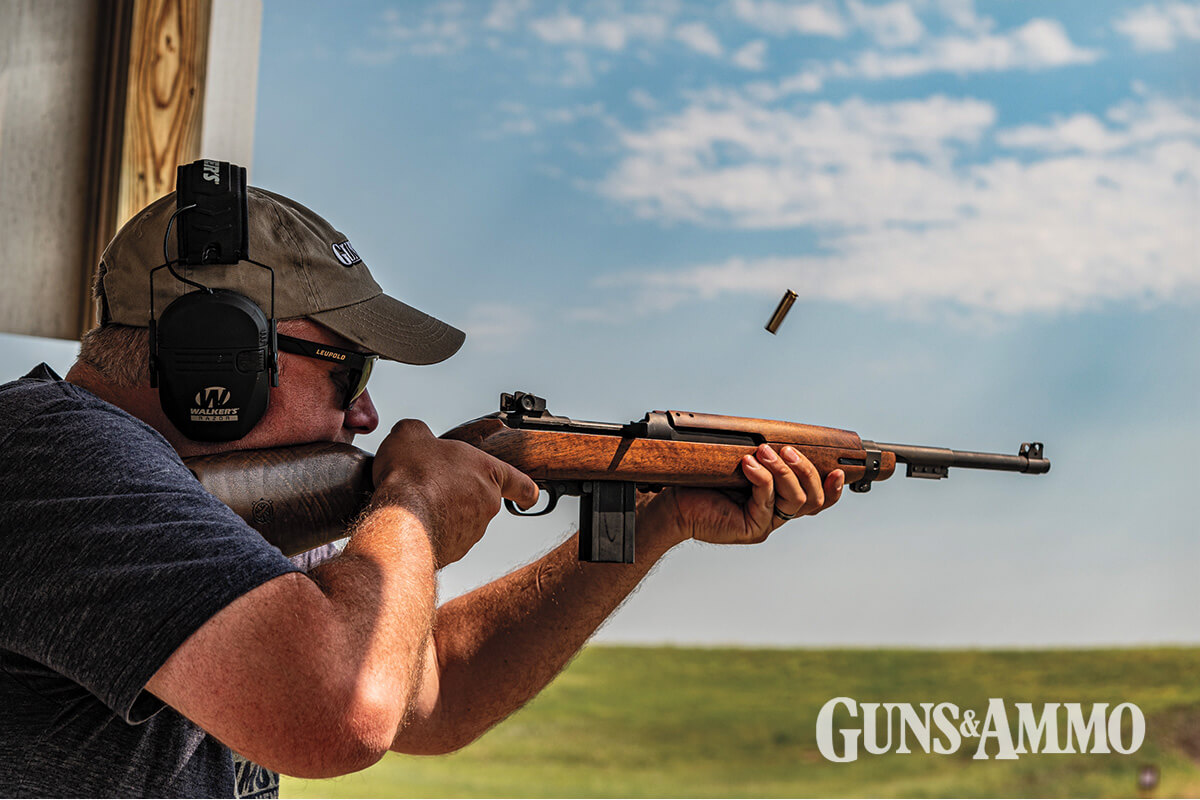
Improving carbine reliability is essential for better performance and safety. Small changes can make a big difference. Regular care and smart upgrades help keep your carbine working well. This section covers ways to boost reliability effectively.
Upgrades And Modifications
Upgrading parts can improve how your carbine performs. Choose quality components designed for your model. A better bolt carrier group or enhanced springs can reduce jams. Installing a dust cover helps protect internal parts from dirt. Consider a higher-quality magazine to avoid feeding problems. Each upgrade should focus on durability and smooth operation. Avoid unnecessary changes that do not add value. Test new parts to ensure they fit and work correctly.
Routine Maintenance Tips
Regular cleaning is crucial for reliable performance. Remove carbon build-up and dirt after every use. Use proper solvents and brushes made for firearms. Lubricate moving parts lightly to prevent wear and tear. Inspect your carbine for loose screws and worn parts. Replace any damaged components immediately. Store your carbine in a dry, clean place to avoid rust. Routine checks prevent failures and extend your weapon’s life. Simple care keeps your carbine ready for action.
Comparing Carbines To Other Firearms
Carbines offer a unique balance between power and size. They are often compared to other firearms because each type serves different needs. Understanding how carbines stack up helps in choosing the right firearm for specific uses. Reliability is a key point in this comparison.
Pistols And Rifles
Carbines are lighter and easier to handle than many rifles. They provide better accuracy than pistols at longer distances. Pistols are compact but lack range and power. Rifles are strong and accurate but bulkier. Carbines fit in the middle, offering good control and decent range. They often use rifle cartridges, making them reliable in stopping power.
Shotguns And Submachine Guns
Shotguns excel at close range with powerful spreads. Carbines have better range and precision than shotguns. Submachine guns fire quickly but use weaker pistol ammo. Carbines reload faster and have less recoil than submachine guns. They work well in tight spaces and open areas. This makes carbines versatile and dependable in various situations.
Frequently Asked Questions
What Factors Affect The Reliability Of Carbines?
Carbine reliability depends on build quality, maintenance, ammunition type, and operating conditions. Regular cleaning and quality parts improve performance and durability.
Are Carbines More Reliable Than Full-sized Rifles?
Carbines can be equally reliable if well-made. Their shorter barrels may reduce accuracy, but they offer better maneuverability and faster handling.
How Often Should Carbines Be Maintained For Reliability?
Regular maintenance is crucial. Clean the barrel, lubricate moving parts, and inspect components after every few uses or exposure to dirt.
Can Weather Conditions Impact Carbine Reliability?
Yes, extreme weather like rain, dust, or cold can affect carbines. Proper cleaning and protective measures help maintain reliable function in harsh environments.
Conclusion
Carbines offer a good balance of size and power. They perform well in many conditions and tasks. Maintenance and quality parts affect their reliability a lot. Choosing the right carbine depends on your needs and care. Regular cleaning helps avoid most common issues.
Trustworthy brands often provide better consistency and durability. Overall, carbines remain a solid choice for many shooters. Reliable, easy to handle, and versatile. Worth considering for personal or professional use.

