
Keep ammo cool, dry, locked, labeled, and away from heat and kids.
If you’ve wondered How should you store ammo safely at home?, you’re in the right place. I’ve stored ammunition for years through hot summers, damp basements, and cross-country moves. In this guide, I’ll show you exactly what works, what fails, and how to set up a simple system that is safe, legal, and stress-free. By the end, you’ll know How should you store ammo safely at home? in a way that protects your family, your gear, and your peace of mind.

Why safe ammo storage matters
Storing ammunition is not about fear. It is about control. Good storage protects your investment, keeps your home safer, and ensures your ammo works when you need it.
Two real risks drive the rules. Heat and moisture can ruin primers and powder. Poor access control can put kids or guests at risk. Ask ten shooters, How should you store ammo safely at home?, and you’ll hear the same basics: cool, dry, locked, and labeled.
Industry standards back this up. Ammunition is stable under normal home conditions. It becomes a problem near open flames, heaters, or high heat. Firefighters plan for ammo to pop in a fire, but fragments have low energy compared with bullets fired from a gun. Smart storage reduces those risks even more.
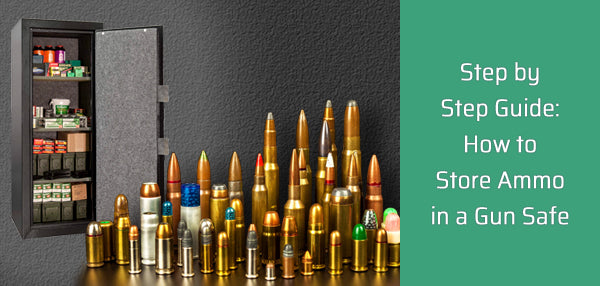
The core principles that never change
You do not need a fancy vault. You need simple, steady conditions.
- Keep ammo cool. Room temperature is best. Avoid hot attics and car trunks.
- Keep it dry. Aim for 30–50% relative humidity if you can.
- Avoid swings. Rapid changes in heat or moisture cause condensation and corrosion.
- Keep it clean. Store away from oils, solvents, and lawn chemicals.
- Control access. Use a lock so kids and visitors cannot get to it.
When people ask, How should you store ammo safely at home?, these five rules cover 90% of the answer.
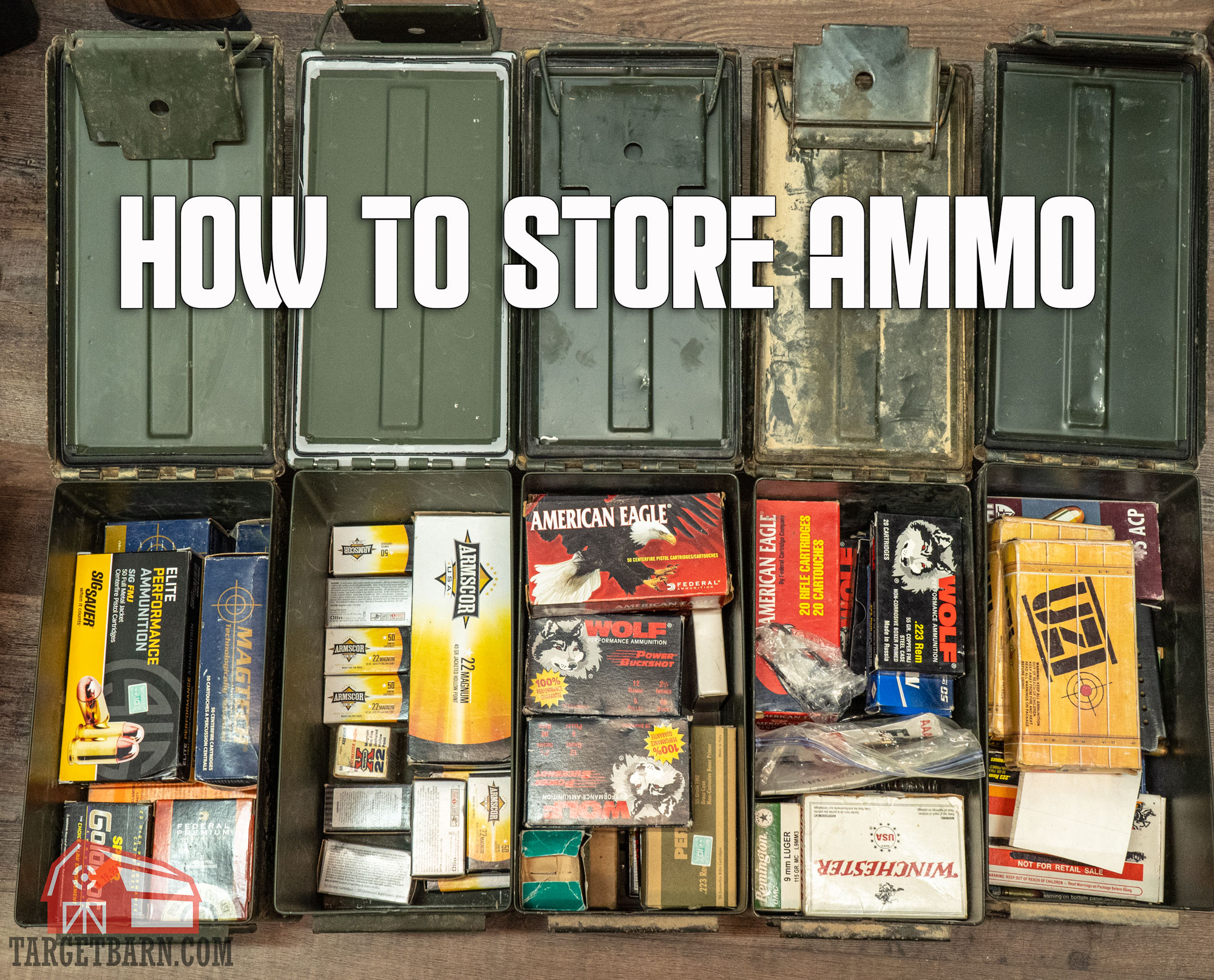
The right container for the job
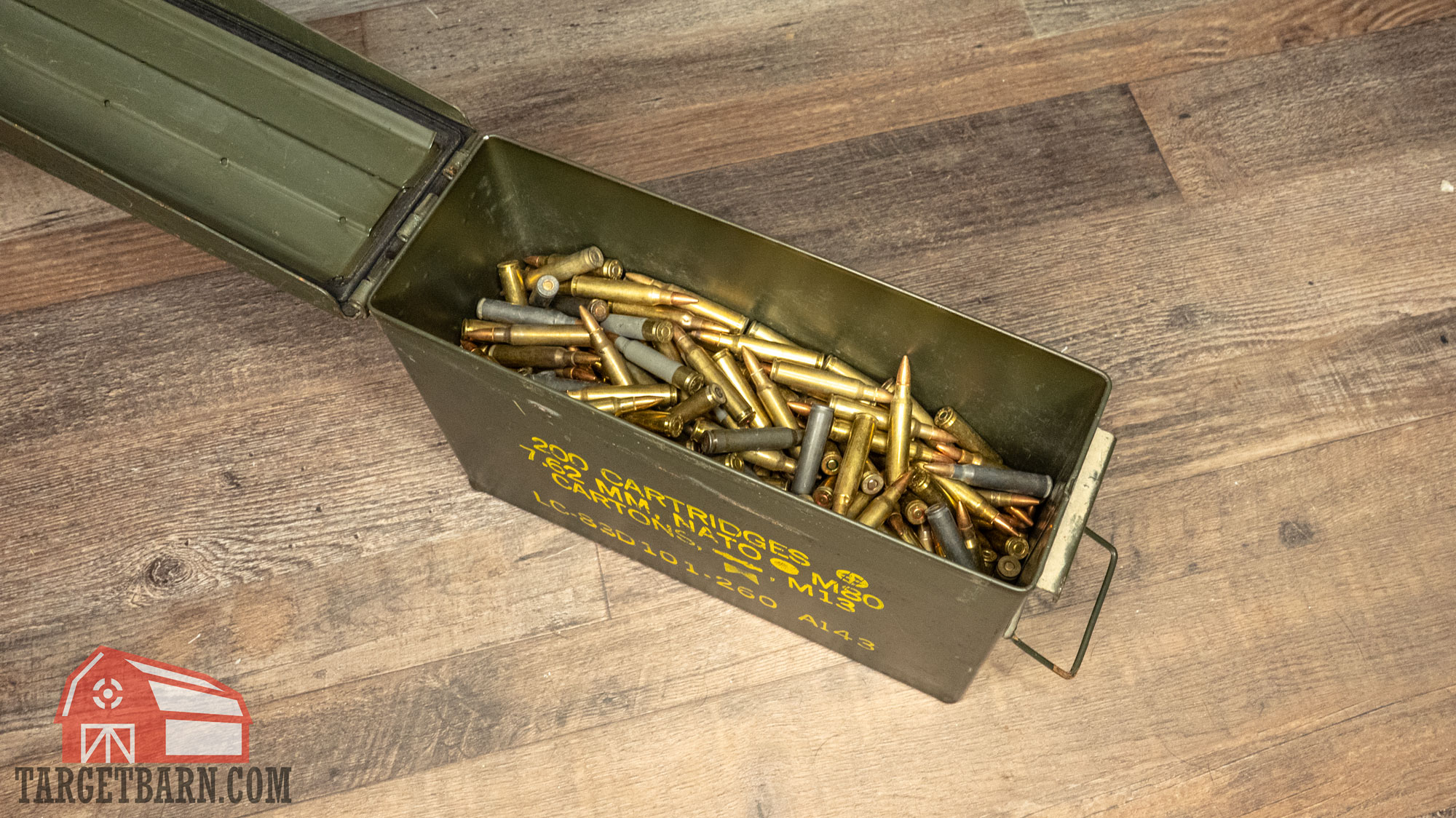
Great storage starts with the box. I prefer steel or polymer ammo cans with good gaskets. Original factory boxes inside the can help track lot numbers and reduce dings.
- Use military-style cans with intact rubber seals. They block moisture and dust.
- Add desiccant packs. Recharge them every few months in the oven.
- Label by caliber, brand, bullet weight, and purchase date.
- Do not store loose rounds rolling around. Use trays or factory packaging.
- Do not soak ammo in oil or spray it with lube. Oils can kill primers.
If you wonder, How should you store ammo safely at home?, think of a sealed toolbox with simple moisture control and clear labels.

Choose the right location at home
Pick a spot that stays steady year-round. I like a closet on an interior wall. Basements can work with dehumidifiers. Garages and attics are risky due to heat swings.
- Keep it off the floor in case of minor floods.
- Keep away from heaters, water heaters, dryers, or sunlit windows.
- Do not stack next to gasoline, propane, or paint thinner.
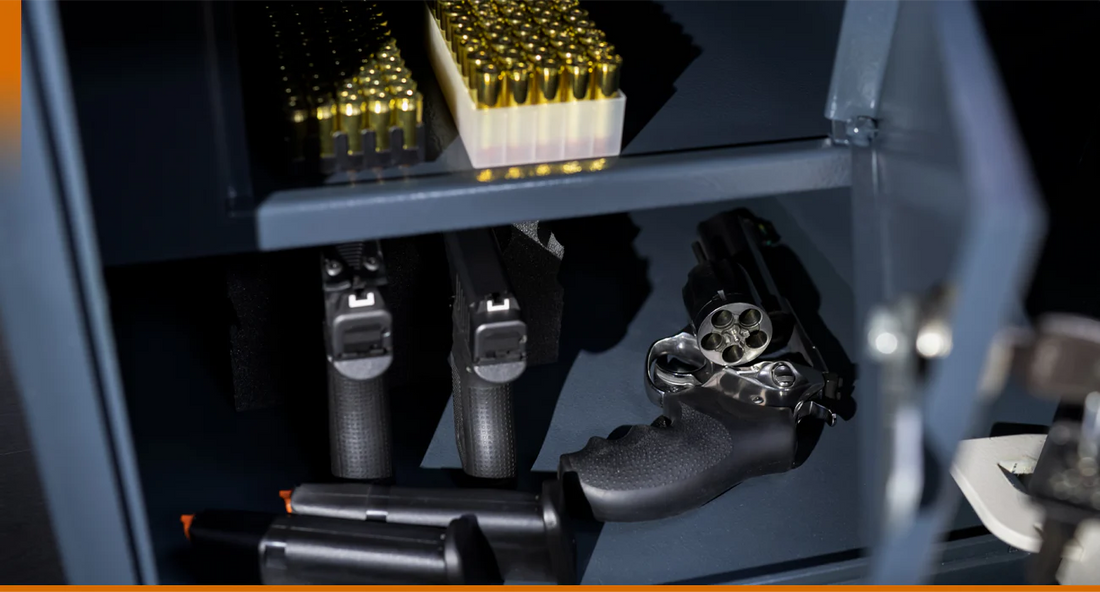
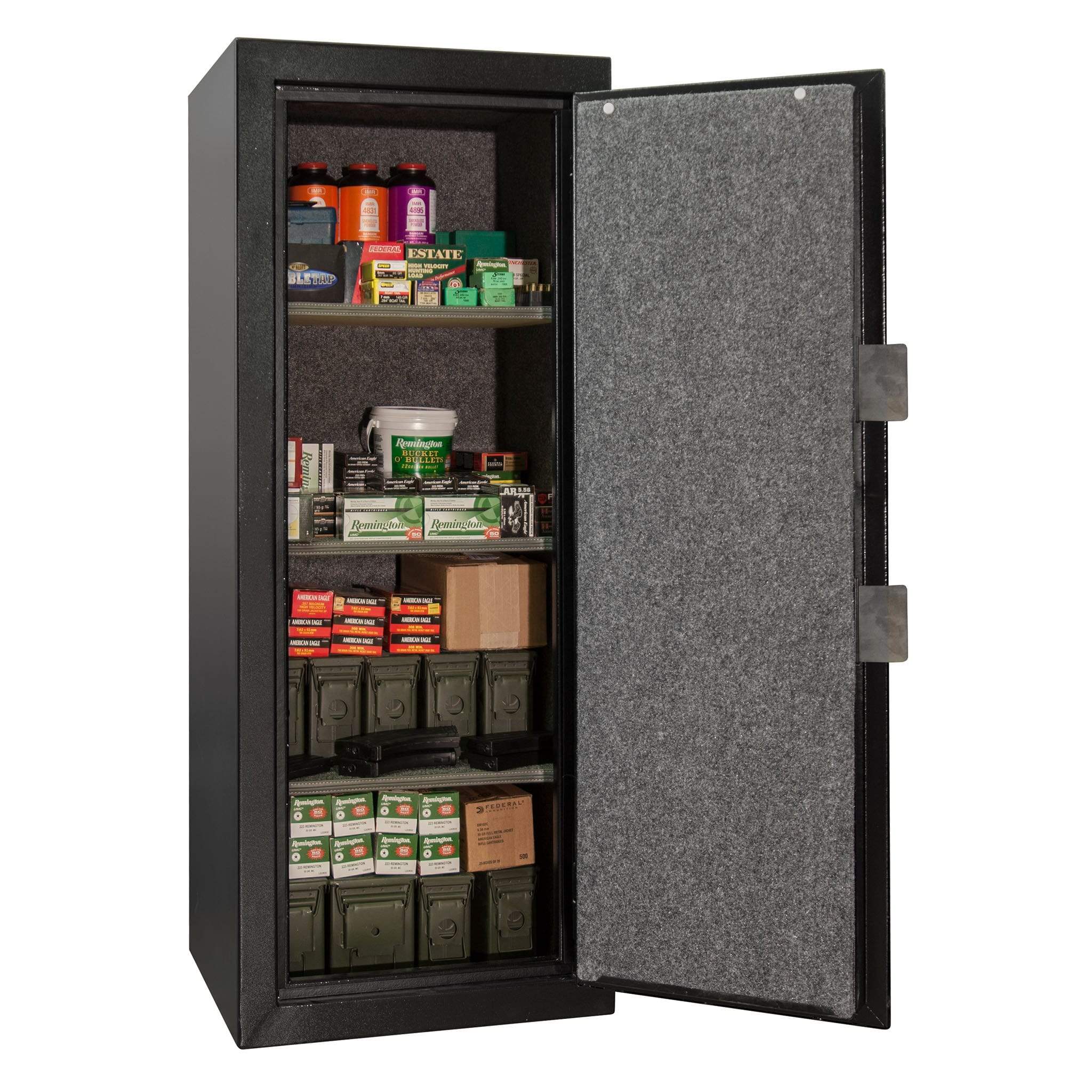
- Lock it. A small lockable cabinet is often all you need.
How should you store ammo safely at home? Place it where kids cannot reach, heat cannot build, and moisture stays low.
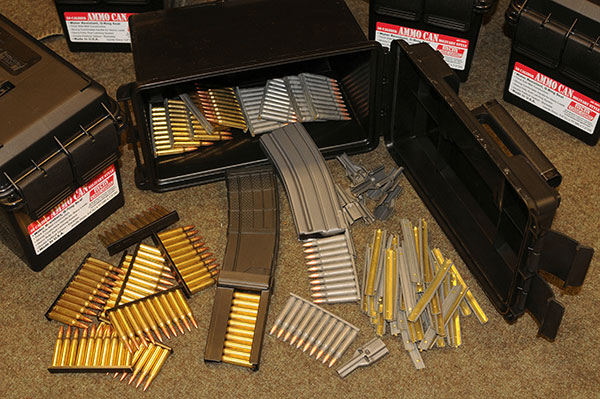
Moisture control, inspection, and rotation
Moisture is the silent killer. I keep a small humidity sensor in my ammo cabinet. Desiccant packs do the heavy lifting.
- Use 30–50% RH as your target range.
- Recharge silica gel when the color indicator changes.
- Inspect rounds twice a year. Look for corrosion, dents, or pulled bullets.
- Rotate stock. First in, first out. Shoot the oldest ammo first.
- If ammo looks suspect, do not shoot it. Ask your range or local police about disposal.
How should you store ammo safely at home? Keep it dry, check it often, and use what you buy in a steady cycle.
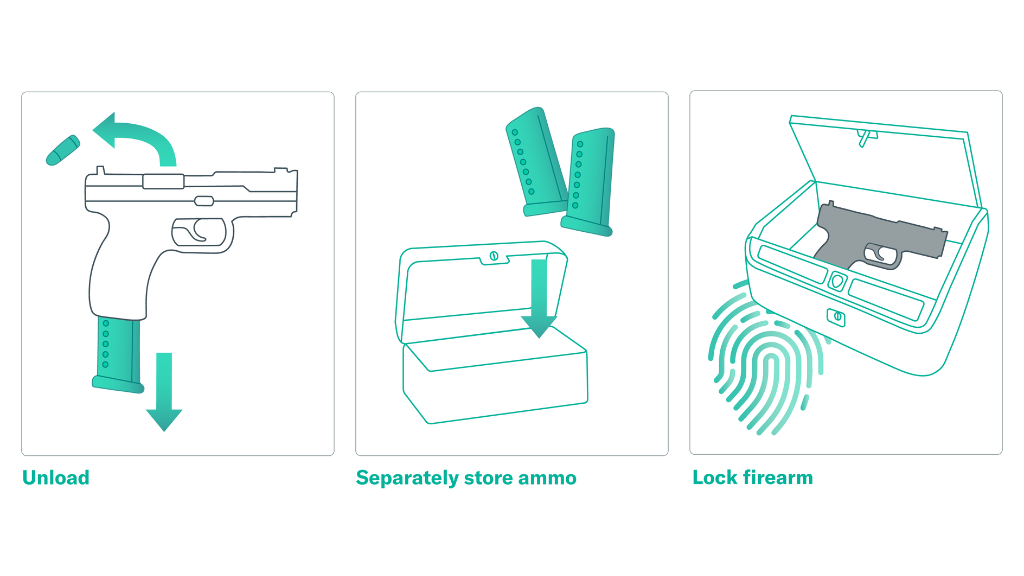
Legal and insurance basics to keep you covered
Laws differ by state and city. Some places set rules on how you lock up ammo. Fire codes may limit smokeless powder and primers, especially for reloaders. Loaded ammunition usually has more flexible limits.
Check local laws, child access rules, and any lease or HOA clauses. If you carry insurance, ask your agent about ammo quantities and storage. Keep simple records of what you store and where. How should you store ammo safely at home? Follow the law, lock it up, and document your setup.
Family safety plan and training
A lock is step one. A clear family plan is step two. Teach kids and teens that ammo is not a toy. Show them what safe storage looks like.
- Keep the storage spot boring and out of sight.
- Post a small label so adults know what is inside.
- Share a quick fire plan with your family. If there is a fire, do not grab ammo. Get out and call 911.
- If someone asks How should you store ammo safely at home?, you can show them your system and why it works.
I learned the value of this after a friend’s home fire. Their ammo was locked in a low, cool closet. Firefighters knew the exact location and worked around it without trouble.
Common mistakes I see (and what to do instead)
I have made a few of these myself over the years. You can skip the pain.
- Leaving ammo in a hot trunk or attic. Instead, keep it at room temperature.
- Storing with oils and solvents. Instead, give it a clean, dry space of its own.
- Tossing loose rounds in a bin. Instead, use factory boxes or trays inside a can.
- Skipping labels. Instead, mark the date, caliber, and lot.
- No lock at all. Instead, use a simple keyed or combo lock.
How should you store ammo safely at home? Avoid heat, moisture, chemicals, and clutter. Lock it, label it, and keep it simple.
Your simple setup checklist
Use this list to build a safe, tidy ammo corner in one hour.
- Pick a cool, dry, interior closet.
- Add a lockable cabinet or sturdy shelf at waist height or higher.
- Use gasketed ammo cans with desiccant and humidity cards.
- Keep ammo in original boxes and label the can.
- Log quantities and set reminders to inspect every six months.
If a friend asks, How should you store ammo safely at home?, hand them this checklist. It works.
Frequently Asked Questions of How should you store ammo safely at home?
Should I store ammo in the gun safe?
Yes, if there is room and humidity is controlled. Many prefer a separate lockable cabinet for ammo so firearms and ammo are stored apart.
What humidity is best for ammo storage?
Aim for 30–50% relative humidity. Use desiccant packs and a small hygrometer to watch levels.
Is it safe to keep ammo in the garage?
Usually no, due to heat and moisture swings. If a garage is your only option, add insulation, a dehumidifier, and a lockable cabinet away from vehicles and chemicals.
Can I wipe ammo with oil to prevent rust?
Do not oil loaded ammo. Oil can seep into primers and cause misfires. Keep ammo clean and dry instead.
How long does modern ammo last in good storage?
A long time. In cool, dry, stable conditions, quality factory ammo often performs well for many years.
What should I do with corroded or damaged rounds?
Do not shoot them. Ask your local range or police department about safe disposal options.
How much ammo can I store at home?
Follow local laws and fire codes, and check your insurance policy. Store reasonable amounts safely with proper labeling and locks.
Conclusion
Safe ammo storage is simple and strong when you keep it cool, dry, locked, and organized. Set up one good location, use sealed cans, control moisture, and inspect on a schedule. The payoff is reliability, safety, and peace of mind.
Take one step today. Pick your storage spot, add a lock, and label your cans. If you found this guide useful or still wonder How should you store ammo safely at home?, subscribe for more home safety tips, share your setup in the comments, and ask your next question.

