Hire professional safe movers with rated gear; do not DIY this staircase job.
If you are wondering how to move a 2000 pound safe upstairs, the right path is planning, risk control, and expert help. I have managed heavy safe moves and seen what works and what fails. In this guide, I will show you how to move a 2000 pound safe upstairs the smart way. You will learn the plan, the gear, the cost, and the safety rules that pros use every day.

Read this before anything: risk, liability, and when to hire pros
Moving a two-thousand-pound object on stairs is a high-risk task. One slip can crush a person or tear out a staircase. Your home insurance may not cover a DIY attempt. Many policies exclude damage from improper rigging.
This is why the safest answer to how to move a 2000 pound safe upstairs is to hire professional safe movers. Ask for proof of insurance and a written plan. Ask about their gear, their anchor methods, and how they protect floors and risers.
My rule as a manager on heavy jobs is simple. If it can kill or collapse, bring in the pros. When we moved a 1,600-pound gun safe to a second floor, the crew used a motorized stair climber, shoring, and a team of four. The move was slow and calm. That is the standard you want.

How to move a 2000 pound safe upstairs: the safe, smart plan
You came here to learn how to move a 2000 pound safe upstairs. The plan below keeps control, reduces risk, and keeps costs in check. It focuses on what you should do before the crew arrives and how to choose that crew with care.
Use this high-level plan.
- Confirm the weight and size
- Check the structure and path
- Hire specialist movers with the right gear
- Prepare the home and the landing zone
- Oversee safety and communication
- Inspect, anchor, and level the safe
Keep the goal in mind. You want a calm, slow, and boring move. Fast moves are risky. Control is everything.
Site and structure check
The biggest question in how to move a 2000 pound safe upstairs is not the safe. It is the stairs. Most home stairs are built for people, not a one-ton point load. The risk is not only the weight. It is how that weight sits on small contact patches.
Do this first.
- Get the real weight from the maker plate or manual. Include shelves, doors, and any contents.
- Measure every doorway, turn, landing, and ceiling height along the path.
- Ask a structural engineer to review the stairs and the upper floor span. A short visit can save big money.
- Plan floor protection with dense plywood and runners. The goal is to spread the load.
Here is a simple mental model. A 2000-pound safe on two small wheels creates very high pressure on each step. Adding shoring and spreader boards lowers that pressure. That is one core idea in how to move a 2000 pound safe upstairs without damage.

Equipment you will see the pros use
You do not need to run this gear. But knowing it helps you judge a crew. It also helps you understand how to move a 2000 pound safe upstairs with proper control.
Expect to see this equipment.
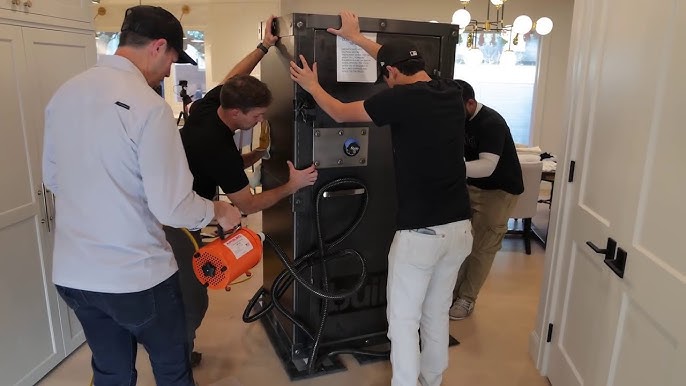
- Motorized stair climber rated for 2,000 pounds or more. This lifts and lowers in small, safe steps.
- Heavy-duty dollies with large, non-marking wheels and load ratings above the safe weight.
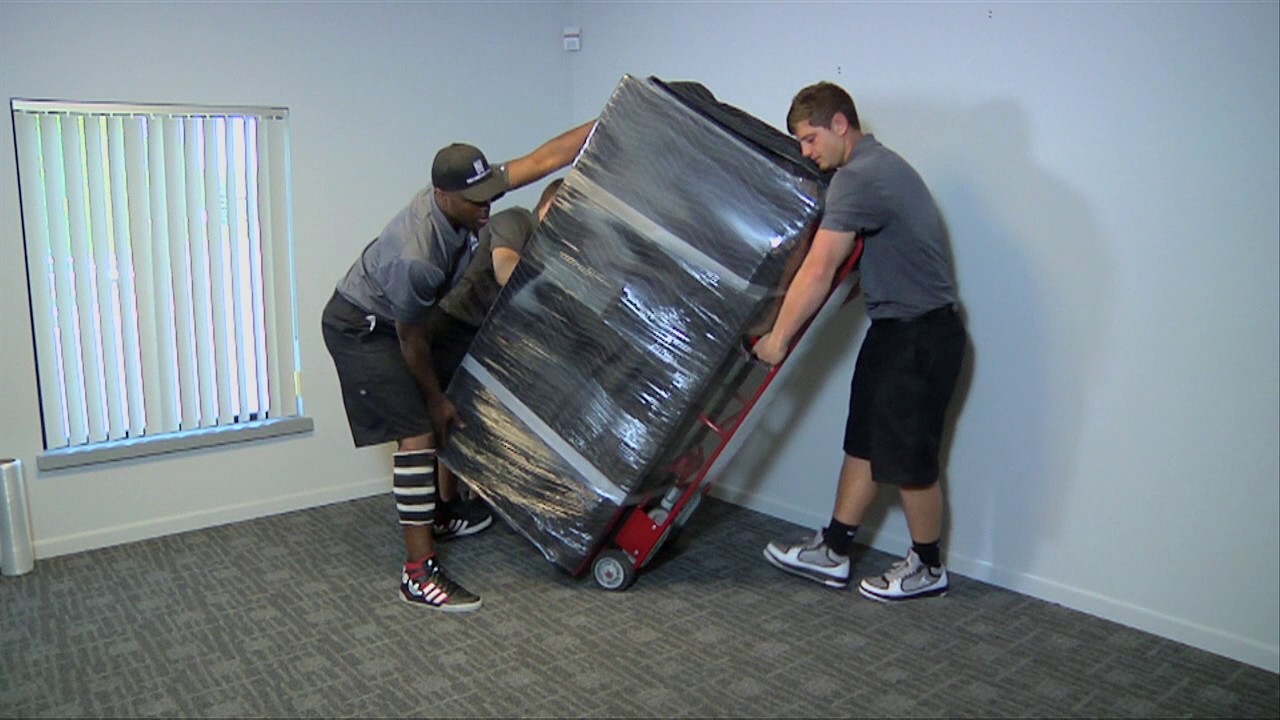
- Crating, straps, and corner guards to protect the safe finish and the home.
- Load-rated straps, chains, and ratchets with tags that show working load limits.
- Plywood, cribbing, and shoring to spread weight on stairs and at landings.
- Winch or anchoring systems when stairs are steep or narrow. These add control, not speed.
- Personal protective gear. Gloves with grip, steel-toe boots, and back support.
If a crew shows up without adequate gear, stop the job. A big part of how to move a 2000 pound safe upstairs is saying no when the setup is wrong.
Budget, insurance, and hiring checklist
Let’s talk money and paperwork. This is part of how to move a 2000 pound safe upstairs that many people skip. Do not skip it.
Typical costs vary by city and job complexity. A one-flight move with good access might be several hundred dollars. Complex turns, tight stairs, or long carries can cost more. Expect a site visit and a written quote.
Use this hiring checklist.
- Ask for a certificate of insurance with your name listed for the day of the move.
- Confirm workers’ compensation coverage for the crew.
- Get a written scope. Include path protection, timing, and landing location.
- Ask what happens if the path will not work on move day. You want a plan B.
- Verify ratings on the core gear. The safe weight must be below every rating with margin.
- Ask how they protect stairs and banisters.
- Confirm how they will communicate. Clear hand signals or radios reduce risk.
This is how to move a 2000 pound safe upstairs without surprises. Paperwork is your safety net.
Preparation you can do before the movers arrive
You can cut risk and time with smart prep. It also saves money. This section keeps control in your hands while the pros handle the lift.
Do this the day before.
- Clear the path from driveway to final room. Remove rugs, art, and doors if needed.
- Protect floors with ram board or plywood as advised by the crew.
- Empty the safe. Shelves and door organizers add weight and shift the center of mass.
- Reserve parking close to the entry. Shorter paths are safer.
- Secure pets and kids away from the work area.
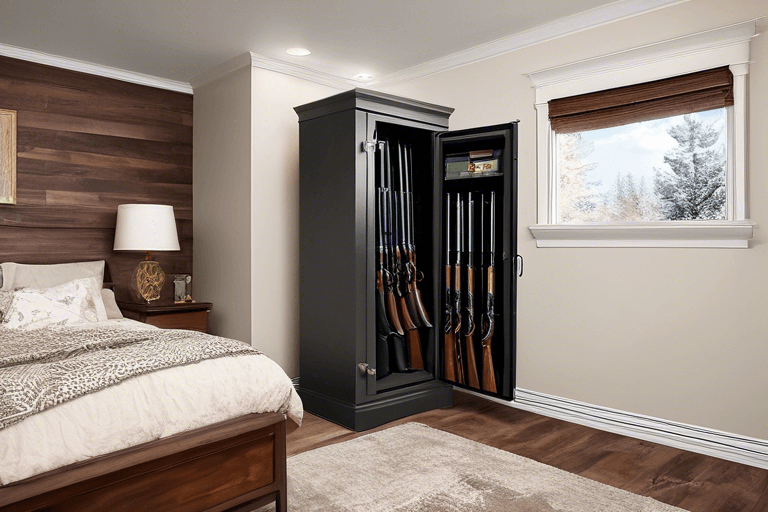
- Review the final location. Mark the spot with tape and measure for door swing.
This prep is part of how to move a 2000 pound safe upstairs in a clean, calm way.

What not to do if you are tempted to DIY
I know the urge. You have strong friends and a dolly. Please read this twice. The wrong move can end a life. It can also void insurance or damage your home.
Avoid these mistakes.
- Do not use a cheap hand truck. Consumer tools are not built for one-ton loads.
- Do not rely on straps that lack rated tags. If you do not see a rating, do not use it.
- Do not pull the safe up stairs with a truck, ATV, or car. That is a common failure point.
- Do not rush. Speed is not control.
- Do not stand downhill of the load. Ever.
If you still want to learn how to move a 2000 pound safe upstairs by yourself, at least talk to a pro first. Many will consult. Some will rent proper gear with a trained operator. Buy time and safety, not risk.
After the move: anchoring, leveling, and security
The move is not over when the safe reaches the room. You still need to set it right. This last step protects the safe and the space.
Focus on these items.
- Level the safe with shims or leveling feet as the maker suggests. Doors will seal better.
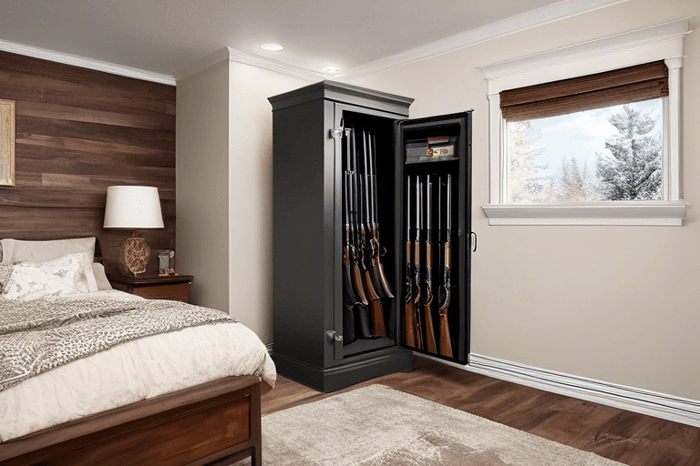
- Anchor the safe to the floor or wall if the maker allows it. Use rated hardware and follow the manual.
- Add anti-slip pads under the base if not anchoring. This helps in a quake or bump.
- Check the door swing and combination. Make sure the bolt work is smooth.
- Update your insurance with the new location and serial number.
This is the quiet end of how to move a 2000 pound safe upstairs. Take your time. A secure install is part of the job.

Frequently Asked Questions of how to move a 2000 pound safe upstairs
Can I move a 2000-pound safe upstairs by myself?
You should not. The risk of injury and structural damage is high, and insurance may not cover it.
How much does it cost to move a 2000-pound safe upstairs?
Costs vary by access, stairs, and distance. Expect several hundred dollars or more for a specialist crew.
Do I need a structural engineer before the move?
It is wise for older homes or complex stairs. An engineer can confirm load paths and suggest shoring.
What gear do professionals use for this job?
They use motorized stair climbers, heavy dollies, shoring, rated straps, and protective boards. They may also use winches and anchor systems for control.
Should I empty the safe before the move?
Yes. Remove all items to reduce weight and avoid shifting loads that can upset balance.
How do movers protect my stairs and floors?
They lay plywood or dense boards to spread weight and add runners for grip. They also pad banisters and corners.
Is anchoring the safe after the move required?
It depends on the model and your risk profile. Anchoring improves theft resistance and stability.
Conclusion
Moving a one-ton safe on stairs is not about muscle. It is about planning, structure, the right gear, and control. The safest and smartest way to handle how to move a 2000 pound safe upstairs is to hire qualified safe movers and prepare your home well.
If you are ready, start by getting quotes, checking insurance, and mapping the path. Your goal is a calm, controlled move with zero surprises. Want more guides like this? Subscribe, ask a question in the comments, or share your experience to help others.