
Use dry, cool, labeled containers, sorted by caliber, with FIFO rotation.
If you have ever stared at a pile of mixed boxes and loose rounds, you know the pain. In this guide, I’ll show you how to organize different types of ammo in storage the right way. I’ve set up home armories, managed range stock, and tested systems from basic bins to barcode apps. You will learn what works, what fails, and exactly how to keep your ammo safe, sorted, and easy to grab.
Safety first: laws, access, and risk control
Start with safety and the law. Keep ammo locked, dry, and away from heat. Store it out of reach of kids and guests. In many places, ammo must be stored separate from firearms and separate from propellants. Check your local rules.
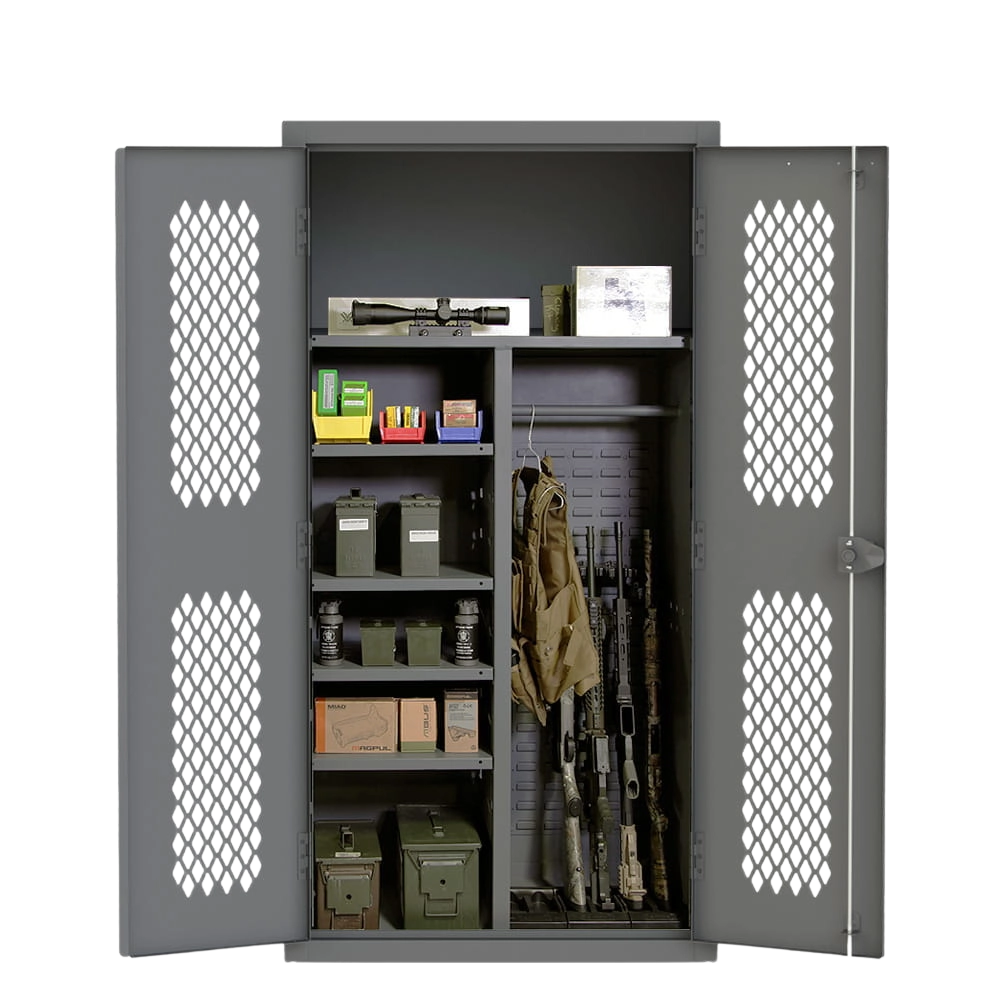
Use a cabinet or safe rated for secure storage. Do not store near water heaters, furnaces, or windows. Keep it off the floor. Use shelves that can handle the weight. Ammo is dense.
I learned early that clutter causes mistakes. A loose round in the wrong box becomes a bad day at the range. A clean system prevents mix-ups and speeds your gear check. Wondering how to organize different types of ammo in storage? Start with safety and clear rules.
Create the right environment
Ammo likes stable temperature and low humidity. Aim for 55 to 75 degrees Fahrenheit and 40 to 50 percent relative humidity. Avoid big swings. Basements can work if dry and dehumidified. Garages and attics are risky due to heat and damp.
Use desiccant packs inside sealed containers. Regenerate silica gel as needed. Vapor corrosion inhibitor cards add a layer of rust protection for cases and linked belts.
Place a small hygrometer on the shelf. Check it at a glance. I set an alert on my phone to check humidity monthly. Ask yourself, how to organize different types of ammo in storage? Nail the climate first.
Sort by type, caliber, and use case
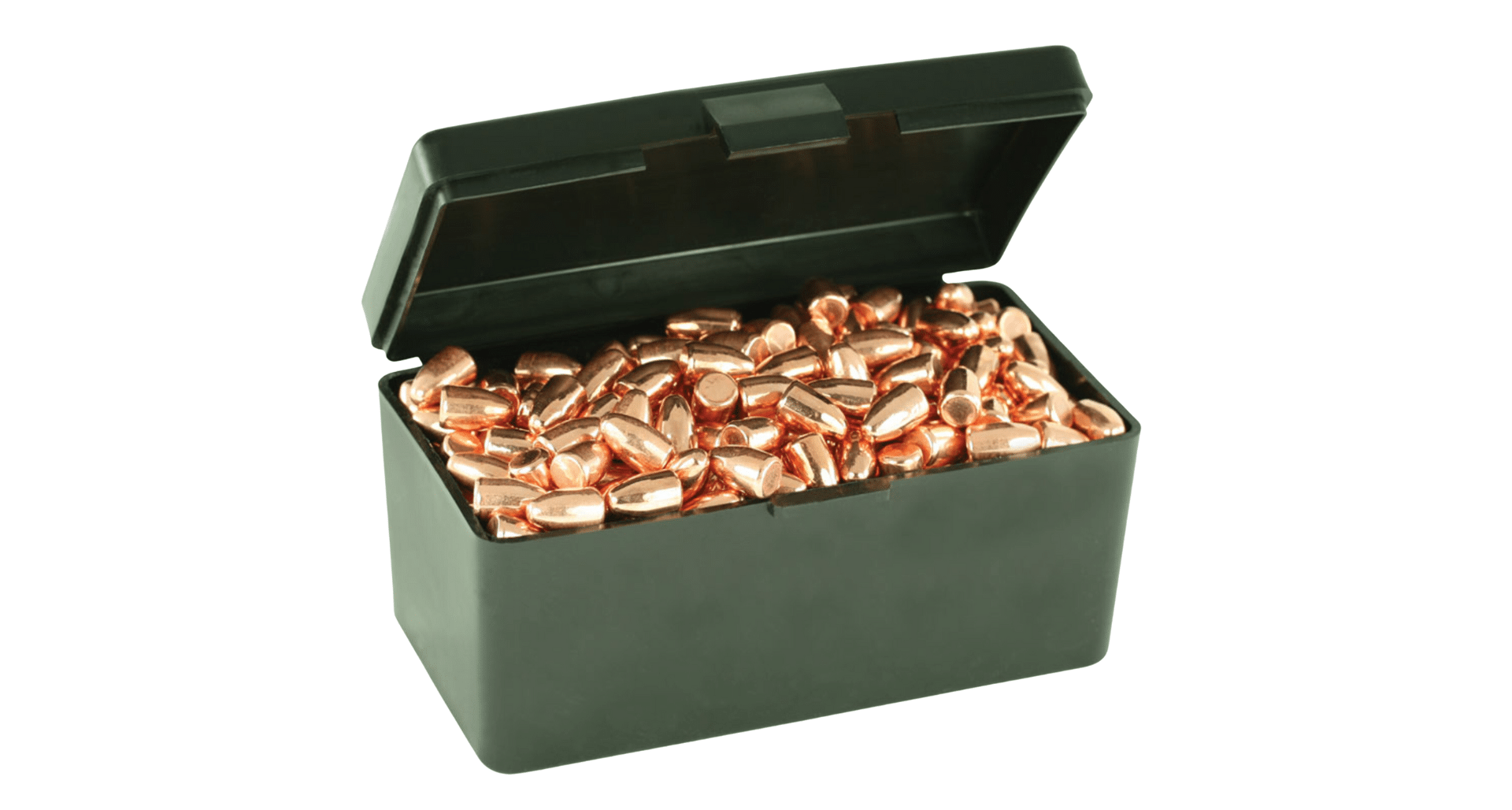
Sort ammo by platform and purpose. Keep rifle, pistol, shotgun, and rimfire in separate zones. Then sort by caliber. Then sort by training, match, hunting, and duty loads.
Use a simple map:
- Rifle: 5.56, .308, 6.5 CM, etc.
- Pistol: 9mm, .45 ACP, .380, etc.
- Shotgun: 12 ga, 20 ga. Segregate by shell length and shot type.
- Rimfire: .22 LR, .22 WMR, .17 HMR.
I use one shelf per platform, one bin per caliber, one box per load. It keeps my pre-range check under five minutes. Ask, how to organize different types of ammo in storage? Sort it by how you shoot.

Choose the right containers
Use gasketed ammo cans, polymer crates, or latching bins. Metal cans with good seals are excellent. Label them and keep weight manageable. Do not overload large bins. It strains shelves and your back.
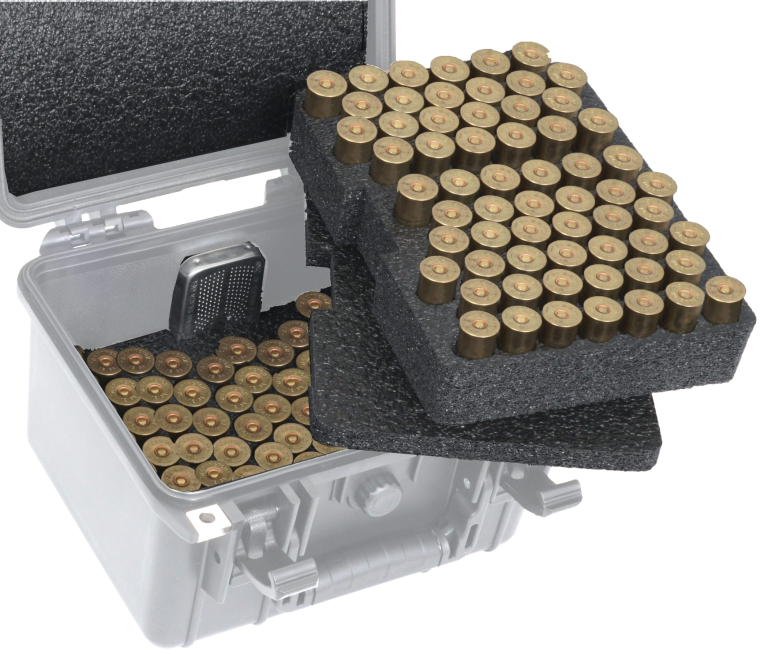
Factory boxes are fine for short-term. For long-term, use MTM-style plastic boxes or ammo trays inside cans. Keep silica gel inside. Use a divider for mixed lots if needed, but avoid mixing when you can.
I retired my odd-shaped tubs and moved to uniform cans. Stacks got stable and finding one can became easy. Thinking how to organize different types of ammo in storage? Choose containers that seal, stack, and fit your space.
Labeling that saves time and stops mistakes
Labels are your best friend. Put the key facts on the front and top:
- Caliber and cartridge
- Bullet weight and type
- Brand and lot number
- Quantity
- Purpose and date acquired
Use color codes. Red for duty, blue for match, green for training, orange for hunting. Add a simple lot code so you can track issues or recalls. I also place a QR code to a spreadsheet entry, but a notebook works too. If you wonder how to organize different types of ammo in storage, get labels right and the rest gets easy.
Rotation and inventory you will actually use
Follow first in, first out. Put new stock behind or below old stock. Move older stock forward. This keeps age uniform and avoids forgotten boxes.
Do a quick count each month. Log what you shoot. Set reorder points so you do not run dry before a match or class. Keep a line for cost per round so you see trends.
I have a “shoot next” bin for each caliber. Before any range day, I pull from that bin only. It keeps the cycle clean. Want to know how to organize different types of ammo in storage? Rotate and track it like food in a pantry.
Special rules for different ammo types
Not all ammo behaves the same. Treat each with care.
- Centerfire rifle and pistol: Keep dry and clean. Watch for split necks or dented cases.
- Rimfire: Store in sealed boxes. It is more sensitive to moisture and lube migration.
- Shotgun shells: Separate by shell length, dram or velocity, shot size, and intended use. Keep slugs and buckshot apart from birdshot.
- Corrosive surplus: Keep sealed. Mark the cans. Clean your rifles properly after use.
- Reloads: Record recipe, lot, and date. Keep test batches small and separate from proven loads.
- Inert training rounds and snap caps: Do not mix with live ammo. Different color box, different shelf.
- Black powder and substitutes: Store away from ammo per local code. Primers and powder are not ammo; handle under their own rules.
One time, a mixed 12 ga bin hid a random 3-inch mag shell among 2¾-inch loads. The fix was simple: strict shell-length labels and separate boxes. How to organize different types of ammo in storage? Use rules tailored to each type.

Smart space planning for shelves and safes
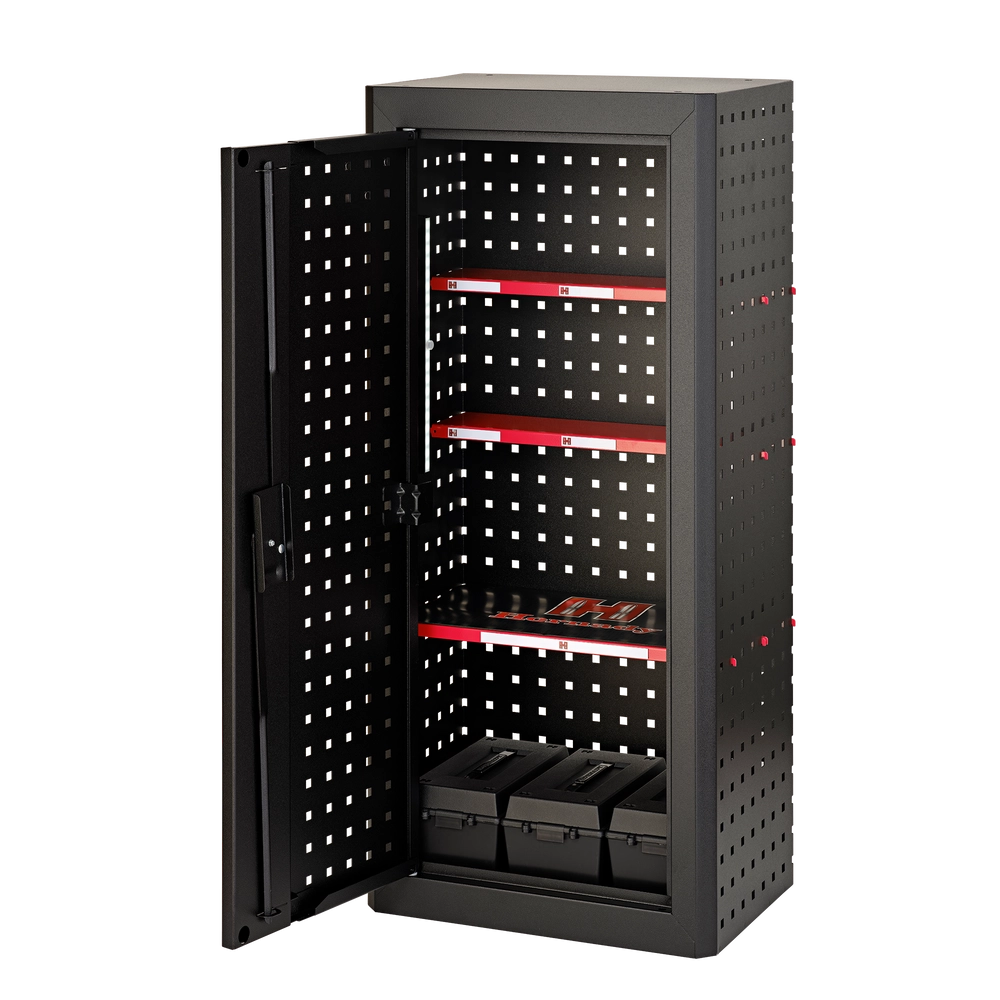
Plan the space like a small warehouse. Heavy items low. Light items higher. Leave a center aisle in bigger closets. Use shelf liners so cans do not slide.
Make a simple map taped to the door. List what lives on each shelf. Keep a small work surface for checks and labeling. Add motion lighting so you can see headstamps and labels fast.
Do not store ammo in vehicles long term. Heat cycles kill primers and powder over time. How to organize different types of ammo in storage? Design the space before you stack the cans.
Maintenance and inspection schedule
Set a routine. Every three to six months:
- Check humidity and seals
- Inspect a random sample for spots, corrosion, or lube bleed
- Verify labels and counts
- Regenerate desiccant
Wipe cans and touch up any rust. Replace worn gaskets. If you see corrosion, stop and review humidity. When in doubt, mark and quarantine suspect lots. Still asking how to organize different types of ammo in storage? Keep a simple schedule and stick to it.
Grab-and-go kits for the range
Build ready kits so you do not raid deep storage for each trip. Each kit should match a loadout:
- Ammo for the day
- Magazines or shotshell caddies
- Chamber flags and tools
- A small notebook for zero and lot notes
I keep a 9mm range crate with 500 rounds, labeled mags, and a silica pack. After the range, I refill to the line. It saves time and keeps inventory honest. How to organize different types of ammo in storage? Set aside kits so shooting days are stress-free.
Frequently Asked Questions of How to organize different types of ammo in storage?
How dry should my ammo storage be?
Aim for 40 to 50 percent relative humidity. Stable and dry beats very dry with big swings.
Can I leave ammo in the original cardboard boxes?
Yes, for short-term use. For long-term, sealed cans with desiccant are better.
How do I label ammo for quick ID?
List caliber, bullet weight, brand, lot, quantity, and date. Use color codes for purpose.
How to organize different types of ammo in storage if I have a small apartment?
Use a compact locking cabinet, stack uniform cans, and go vertical with shelves. Keep heavy cans low and rotate stock often.
Is mixing different brands in one can okay?
Yes, if they are the same caliber and purpose, but label clearly. Keep lots separate if you track precision or zero shifts.
How often should I inspect my ammo?
Check every three to six months. Look for corrosion, damaged boxes, and seal issues.
Can I store ammo and firearms together?
Follow local laws. Many prefer separate storage for safety and faster inventory checks.
Conclusion
A good ammo system is simple, repeatable, and safe. Sort by platform and purpose, label well, seal against moisture, and use first in, first out. Add a quick check schedule and you will protect your gear and your time.
Start today. Pick one caliber and set up labels, bins, and a rotation bin. If this guide helped, share it with a friend, subscribe for more tips, or leave a comment with your own method for how to organize different types of ammo in storage.

