
When it comes to choosing the right rifle, you might find yourself stuck between two popular options: lever-action and bolt-action. Each has its own strengths, and picking the one that fits your needs can be confusing.
You want a rifle that feels natural, performs well, and suits your style—whether you’re hunting, target shooting, or just enjoying the outdoors. You’ll discover the key differences between lever-action and bolt-action rifles, helping you make a confident choice that matches your goals.
Keep reading to find out which rifle could be the perfect fit for you.
Lever-action Rifle Basics
The lever-action rifle is a classic firearm known for its unique design and fast cycling action. It has a lever located around the trigger guard area. This lever moves the bolt to load and unload rounds quickly. Many hunters and shooters enjoy its smooth operation and vintage feel.
Understanding the basics of lever-action rifles helps you appreciate their role in shooting sports and history. Here are key points about their design, history, and common calibers.
Design And Mechanism
Lever-action rifles use a lever to operate the bolt. Pulling the lever down and forward ejects a spent cartridge. Pushing the lever back up loads a new round from the magazine. This makes firing faster than some other actions. The mechanism is simple and reliable. Many models have a tubular magazine under the barrel.
Historical Background
Lever-action rifles became popular in the mid-1800s. They were widely used in the American West. Famous models include the Winchester Model 1873. These rifles were prized for speed and ease of use on horseback. They played a major role in hunting and defense. Today, they remain a symbol of that era.
Common Calibers
Lever-action rifles come in many calibers. Popular choices include .30-30 Winchester, .45-70 Government, and .357 Magnum. These calibers work well for hunting medium to large game. Some models also use pistol calibers for close-range shooting. The variety allows shooters to pick the right rifle for their needs.
Bolt-action Rifle Basics
The bolt-action rifle is a popular firearm known for its accuracy and reliability. It uses a simple mechanism that allows shooters to load one round at a time. This type of rifle is favored by hunters and marksmen alike.
Understanding the basics of bolt-action rifles helps in choosing the right one. Let’s explore its design, history, and common calibers used today.
Design And Mechanism
The bolt-action rifle works by manually operating a bolt handle. You lift the handle, pull it back to eject a spent cartridge, then push it forward to load a new round. This action cocks the firing pin and prepares the rifle to shoot.
The design is simple but strong. It offers precise control over each shot. This makes it a favorite for accurate shooting at long distances.
Evolution And Use
Bolt-action rifles first appeared in the late 19th century. They replaced older, slower firearms in military use. Their accuracy and reliability made them popular for snipers and hunters.
Today, they remain common in hunting, sport shooting, and military training. Their simple design keeps them easy to maintain and repair.
Popular Calibers
Bolt-action rifles come in many calibers. Common choices include .308 Winchester, .30-06 Springfield, and .223 Remington. These rounds offer good power and accuracy for different uses.
Hunters may prefer larger calibers for big game. Target shooters often select smaller, lighter rounds for less recoil and better precision.
Speed And Reloading
Speed and reloading are key factors in choosing between a lever-action and bolt-action rifle. These elements affect how fast you can fire and get ready for the next shot. Let’s explore how each rifle type performs in these areas.
Lever-action Cycling Speed
Lever-action rifles cycle quickly. You move the lever down and back up to eject the spent cartridge. This motion loads a new round into the chamber fast. The action feels smooth and natural, especially with practice. It allows for rapid follow-up shots without much delay.
Bolt-action Cycling Speed
Bolt-action rifles take a bit longer to cycle. You lift the bolt handle, pull it back, push it forward, and lock it down. This process is slower than lever-action but very precise. Shooters often use bolt-action rifles for accuracy rather than speed. The deliberate cycling helps maintain tight shot groups.
Magazine Capacity Comparison
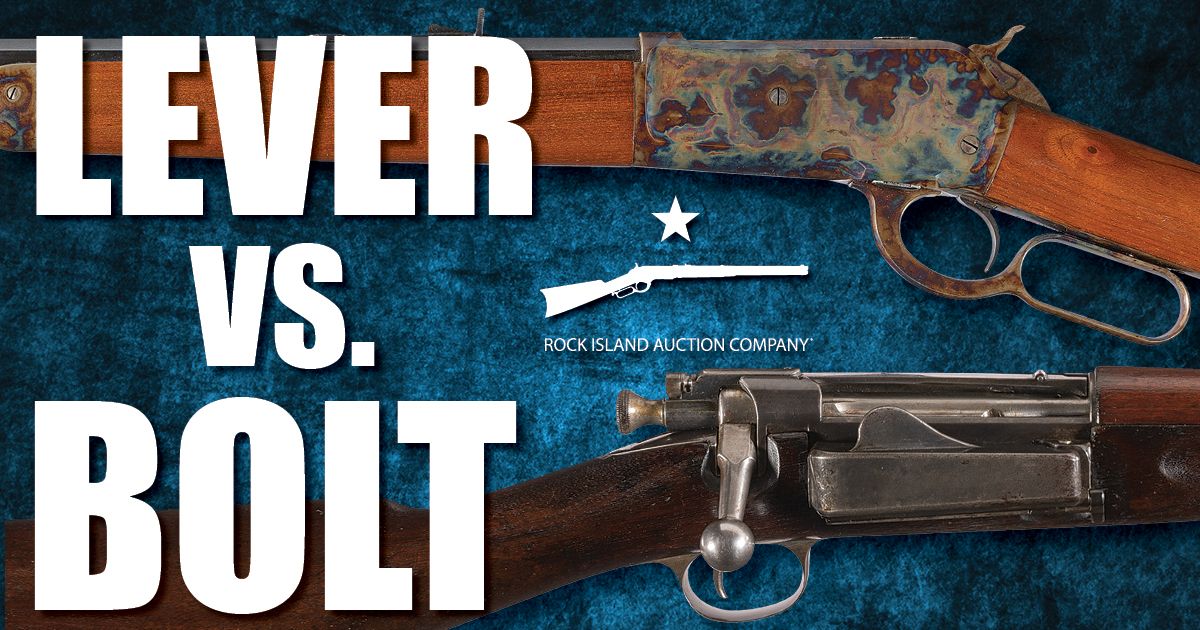
Lever-action rifles usually have tubular magazines. They hold five to ten rounds, depending on the model. Reloading means adding cartridges one by one through the magazine tube. Bolt-action rifles use box magazines. These can hold more rounds, often five to ten or more. Reloading is faster by swapping the entire magazine out. This gives bolt-action rifles an advantage in capacity and reload speed.
Accuracy And Range
Accuracy and range are key factors in choosing between lever-action and bolt-action rifles. Both types serve different purposes and excel in distinct shooting scenarios. Understanding their precision and effective distances helps hunters and shooters pick the right firearm.
Lever-action Precision
Lever-action rifles offer good accuracy for short to medium distances. Their design allows quick follow-up shots. The sights and barrel length support steady aim. Still, they may lack the pinpoint precision found in other rifles. Lever-actions perform best within 100 to 150 yards. For close-range hunting, they deliver reliable shot placement.
Bolt-action Precision
Bolt-action rifles are known for high accuracy. The solid locking mechanism reduces barrel movement. This stability improves shot consistency. Shooters often use scopes with bolt-actions to enhance aim. Bolt-action rifles excel at longer ranges, often beyond 300 yards. Their design supports precise, controlled shots.
Effective Hunting Distances
Lever-action rifles work well for dense woods and brush. Their quick cycling suits fast target engagement. Ideal hunting range is under 200 yards. Bolt-action rifles fit open fields and long shots. They allow hunters to take targets at 300 yards or more. Each rifle’s range matches different hunting environments and needs.
Durability And Maintenance
Durability and maintenance are key factors when choosing between lever-action and bolt-action rifles. Both types must handle tough conditions and perform reliably. Understanding their reliability and ease of cleaning helps you keep your rifle in top shape.
Lever-action Reliability
Lever-action rifles are known for their sturdy build and smooth operation. Their fewer moving parts reduce the chance of mechanical failure. Many hunters trust lever-actions for fast follow-up shots. These rifles perform well in dusty or wet environments. Regular use shows they hold up well over time.
Bolt-action Reliability
Bolt-action rifles offer strong and precise mechanisms. The design locks the bolt firmly, improving accuracy and durability. They are less likely to jam during use. Many marksmen prefer bolt-actions for their solid feel. These rifles work reliably in harsh weather and rough terrain.
Cleaning And Upkeep
Both rifles require regular cleaning to stay reliable. Lever-actions need special attention to the lever and chamber areas. Dirt can build up and cause malfunctions. Bolt-actions are easier to clean with simpler bolt removal. Always clean the barrel and oil moving parts after use. Proper care extends your rifle’s life and performance.
Handling And Ergonomics
Handling and ergonomics play a big role in choosing between lever-action and bolt-action rifles. These features affect comfort, accuracy, and speed during use. Understanding how each rifle feels and operates helps users pick the right tool for their needs.
Weight And Balance
Lever-action rifles often weigh less than bolt-actions. This makes them easier to carry during long trips. Their balance leans slightly forward, helping steady the aim.
Bolt-action rifles tend to be heavier. This weight adds stability when shooting. The balance is centered, which some shooters find more comfortable for steady shots.
Ease Of Use In The Field
Lever-action rifles offer quick cycling with a smooth lever motion. This allows faster follow-up shots. They work well in dense woods or tight spaces.
Bolt-action rifles require manually lifting and pulling the bolt. This takes a bit more time but provides precise control. Many hunters prefer this for long-range shots.
Sight Options
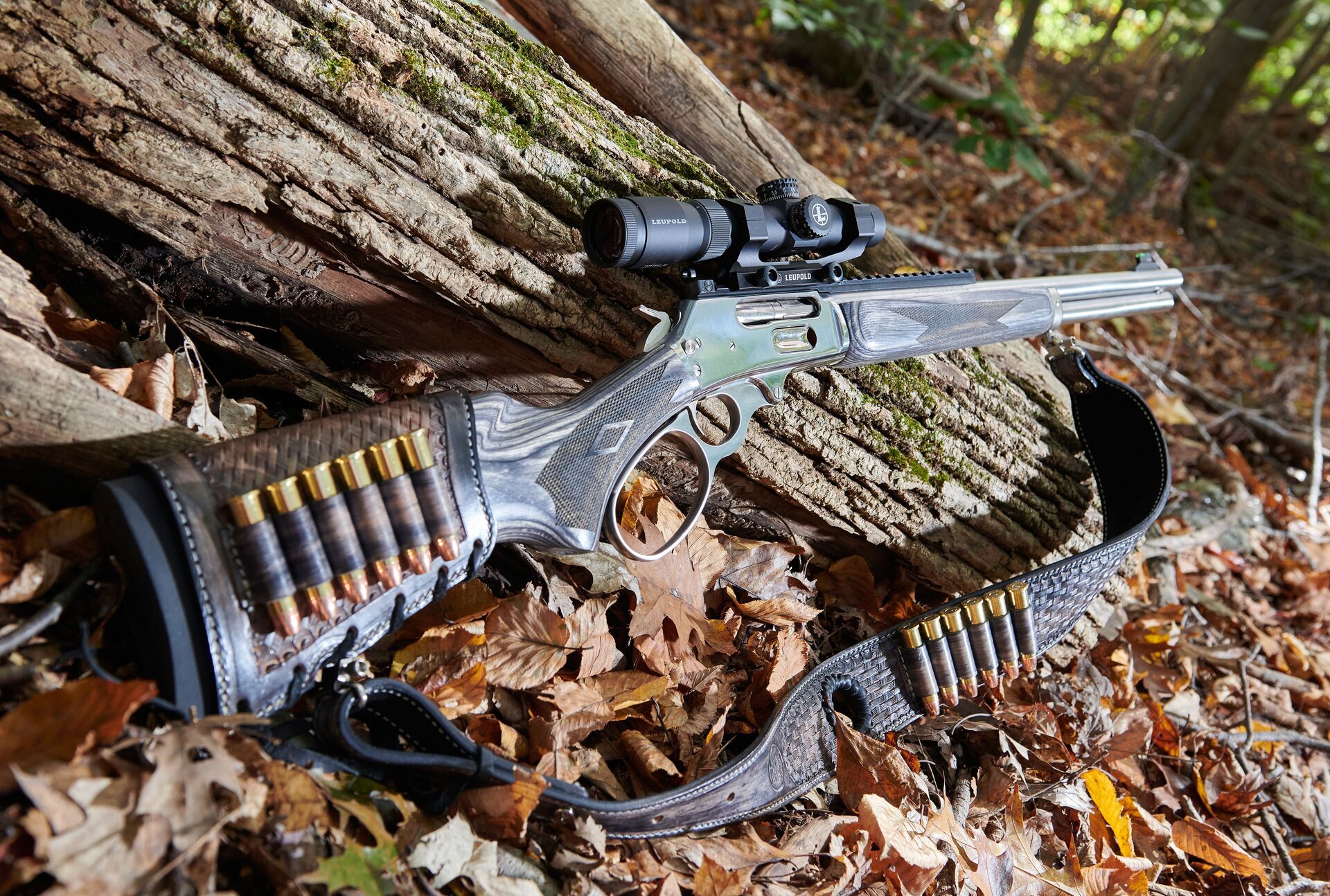
Lever-actions usually come with iron sights that are easy to use at close range. Some models allow mounting scopes, but space is limited.
Bolt-actions have more room on the receiver for larger scopes. This supports better accuracy at longer distances. They often feature adjustable sights for fine tuning.
Hunting Scenarios
Choosing the right rifle depends on the hunting environment. Different rifles suit various terrains and game types. Understanding these scenarios helps pick the best option for success and safety.
Lever-action In Dense Woods
Lever-action rifles perform well in tight, wooded areas. Their shorter length makes moving through trees easier. Quick follow-up shots are possible thanks to the fast lever mechanism. Hunters can react swiftly to sudden animal movements. This rifle is ideal for close to medium range shots in thick forests.
Bolt-action For Open Terrain
Bolt-action rifles excel in wide, open spaces. They offer higher accuracy at longer distances. The bolt mechanism is reliable and sturdy for tough conditions. Hunters can take careful, precise shots on distant targets. This rifle works best in fields, hills, and mountainous regions.
Game Suitability
Lever-action rifles suit small to medium-sized game like deer and hogs. Their quick firing helps in fast encounters. Bolt-action rifles handle larger game such as elk and moose well. The precision and power support ethical hunting with clean kills. Choosing the right rifle matches the game and terrain effectively.
Cost And Availability
Cost and availability are key factors when choosing between lever-action and bolt-action rifles. Both types offer unique options at different price points. Understanding their cost and market presence helps buyers make smart decisions.
Price Range Comparison
Lever-action rifles often cost more at the entry level. This is due to their complex mechanism and classic design. Bolt-action rifles start at lower prices, making them accessible to beginners. High-end bolt-actions can be very expensive but offer precision and durability. Lever-actions tend to have a narrower price range but hold steady in mid-level markets.
Aftermarket Support
Bolt-action rifles enjoy vast aftermarket support. Many parts and upgrades are available for customization. Scopes, triggers, and stocks come in many choices. Lever-action rifles have fewer aftermarket parts. Custom options exist but are limited. This affects how easy it is to modify and maintain each rifle type.
Resale Value
Lever-action rifles generally keep good resale value. Their vintage appeal attracts collectors and hunters alike. Bolt-action rifles also retain value, especially models known for accuracy. Condition and brand affect resale prices for both types. Lever-actions might sell faster due to their unique style and demand.
Customization And Accessories
Customization plays a big role in choosing between lever-action and bolt-action rifles. Both types offer various ways to add accessories and improve performance. These upgrades help shooters tailor their rifles for specific needs.
Many shooters want better accuracy, comfort, and style. The right accessories make these possible. Let’s explore popular customization options for both rifles.
Scopes And Optics
Scopes improve aiming and accuracy at long distances. Bolt-action rifles often have more scope options. Their solid design supports heavier and more precise optics. Lever-action rifles can fit scopes, but with some limits. Many shooters prefer smaller, lighter scopes on lever-actions.
Red dot sights and holographic sights also work well for both rifles. These optics help in fast target acquisition and close range shooting. Choosing the right scope depends on shooting style and terrain.
Stocks And Grips
Stocks and grips affect comfort and control. Bolt-action rifles allow more stock customization. Users can switch to synthetic, wood, or adjustable stocks easily. Adjustable stocks improve fit for different shooters.
Lever-action rifles usually have classic wood stocks. Custom wood or laminate stocks add style but less adjustability. Some aftermarket grips offer better hold and recoil control for both rifle types.
Additional Attachments
Extra attachments enhance rifle versatility. Bipods add stability for precise shots. Both lever-action and bolt-action rifles can mount bipods, though bolt-actions suit them better.
Muzzle brakes and suppressors reduce recoil and noise. Bolt-actions often have threaded barrels for easy attachment. Lever-actions may require special modifications for these parts.
Other accessories include sling mounts, shell holders, and flashlight rails. These improve carrying comfort and usability in low light.

Choosing The Right Rifle
Choosing the right rifle can shape your hunting experience. Each rifle type offers unique benefits. Knowing what suits you best helps in making a smart choice. Focus on your needs and style to pick the perfect rifle.
Personal Preferences
Comfort and ease of use matter most. Some prefer the smooth cycling of a lever-action rifle. Others like the precision of a bolt-action rifle. Handling both types before buying helps find your favorite. Weight, size, and feel influence your choice.
Intended Hunting Style
Think about the game you hunt and the terrain. Lever-action rifles work well in dense woods. They allow quick follow-up shots in close range. Bolt-action rifles excel in long-distance hunting. They offer higher accuracy for bigger game.
Budget Considerations
Prices vary between lever-action and bolt-action rifles. Lever-actions often cost less and are simpler. Bolt-actions can be pricier due to advanced features. Set a budget and find the best rifle within it. Quality matters, but so does affordability.
Frequently Asked Questions
What Are The Main Differences Between Lever-action And Bolt-action Rifles?
Lever-action rifles use a lever to cycle rounds, offering faster follow-up shots. Bolt-action rifles use a manual bolt, providing higher accuracy and reliability.
Which Rifle Is Better For Hunting: Lever-action Or Bolt-action?
Bolt-action rifles are preferred for long-range and precision hunting. Lever-action rifles suit close to mid-range hunting with quicker shots.
How Does Rifle Accuracy Compare Between Lever-action And Bolt-action?
Bolt-action rifles generally offer superior accuracy due to a solid lockup and less movement during firing. Lever-actions trade some accuracy for speed.
What Are The Typical Uses For Lever-action Versus Bolt-action Rifles?
Lever-action rifles are popular for quick shooting in dense terrain. Bolt-action rifles are favored for precision shooting and long-distance hunting.
Conclusion
Choosing between a lever-action and bolt-action rifle depends on your needs. Lever-action rifles offer faster shooting and a classic feel. Bolt-action rifles provide better accuracy and power. Both types have loyal fans and strong points. Think about what matters most: speed or precision.
Each rifle suits different situations and shooters. Whichever you pick, practice often to improve your skill. Enjoy your time outdoors with confidence and safety.

