
When it comes to choosing the right rifle, you might feel overwhelmed by all the options. Two popular choices you’ve probably heard about are the pump-action rifle and the semi-automatic rifle.
But which one fits your needs best? Whether you’re aiming for precision, speed, or ease of use, understanding the key differences between these rifles can make a huge difference in your shooting experience. You’ll discover what sets them apart, so you can make a confident decision that matches your style and goals.
Keep reading—you’re about to unlock the knowledge that could change the way you approach your next shot.
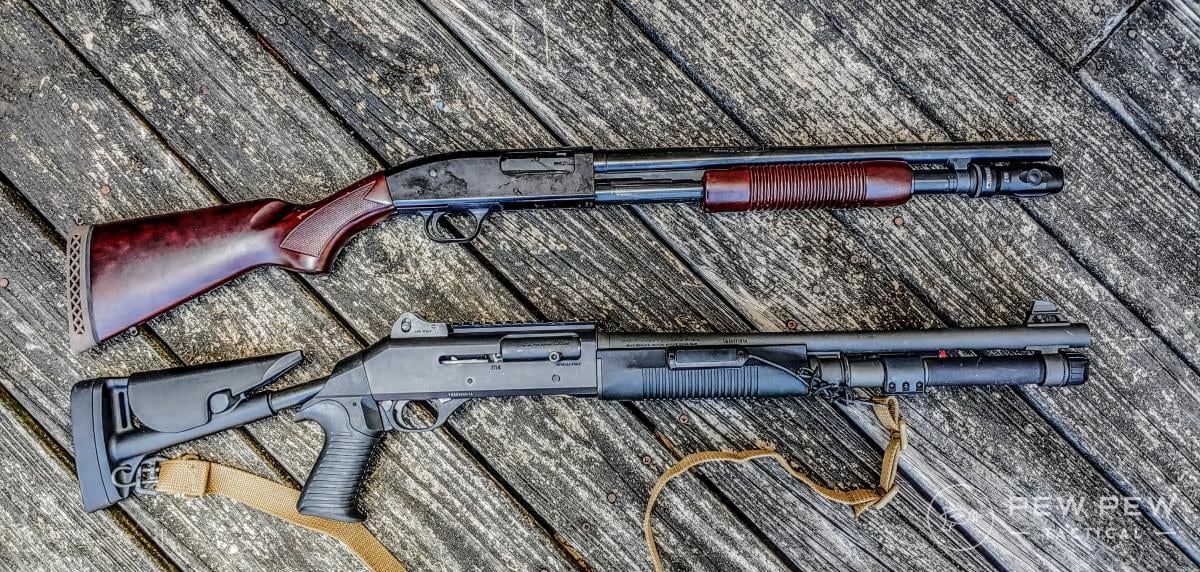
Pump-action Rifle Basics
Pump-action rifles have a long history and unique design. They offer a hands-on shooting experience. These rifles require manual action to load each round. This makes them different from other rifle types. Understanding their basics helps in choosing the right rifle for your needs.
How Pump-action Works
The shooter moves a sliding grip, called the fore-end, back and forth. This action ejects a spent cartridge and loads a new round into the chamber. It prepares the rifle to fire again. This manual cycling is slower than semi-automatic rifles. But it gives the shooter control over each shot.
Common Uses
Pump-action rifles are popular for hunting small and medium game. They also work well for target shooting and home defense. Their reliability and simple design suit outdoor environments. Hunters appreciate the ability to quickly chamber a round. Law enforcement sometimes uses them for close-quarters situations.
Pros And Cons
Pros: Pump-action rifles are reliable and easy to maintain. They offer good accuracy and control. The manual action reduces jamming risk. Cons: The cycling speed is slower than semi-automatic rifles. It requires more effort from the shooter. Also, the learning curve is steeper for new users.
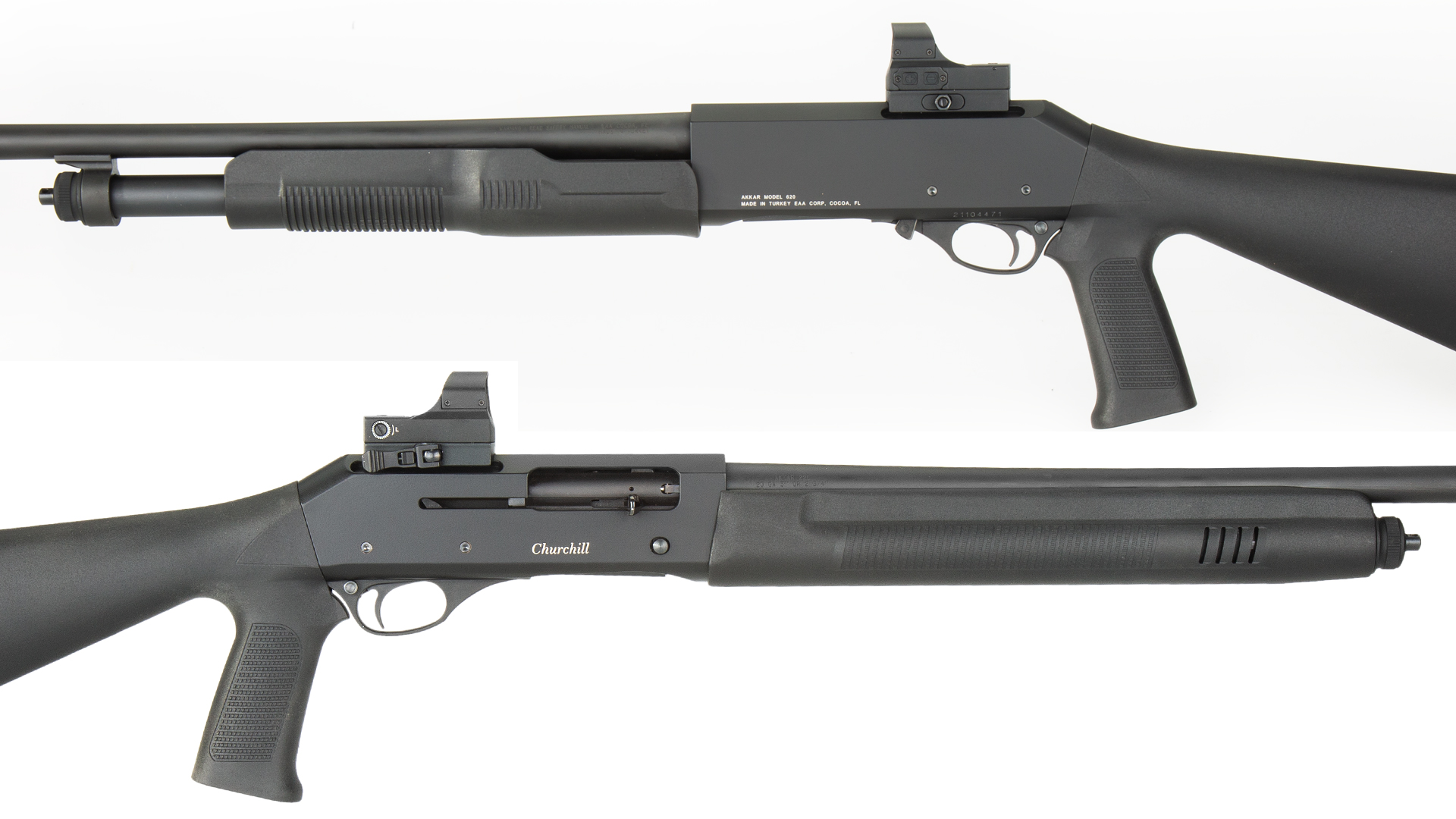
Semi-automatic Rifle Basics
Semi-automatic rifles are popular firearms used by many. They offer a mix of ease and speed in shooting. Understanding their basics helps in choosing the right rifle for you.
These rifles fire one round each time you pull the trigger. They automatically load the next bullet but do not fire it until you pull the trigger again. This makes shooting faster than manual rifles.
How Semi-automatic Works
Semi-automatic rifles use gas or recoil to cycle the action. After firing, the rifle ejects the spent cartridge. Then, it loads a new round into the chamber. You only need to pull the trigger for each shot.
This system allows quick follow-up shots without manual work. The shooter keeps control over each bullet fired. This is different from fully automatic rifles, which keep firing with one trigger pull.
Popular Models
Many semi-automatic rifles are well-known worldwide. The AR-15 is one of the most popular models. It is lightweight and easy to customize. The Ruger 10/22 is famous for small-caliber shooting and training.
The FN SCAR is another model used by military and law enforcement. It offers reliability and good accuracy. The Remington 750 is known for hunting and sport shooting.
Advantages And Drawbacks
Semi-automatic rifles offer quick shooting and easy handling. They help improve accuracy with faster follow-up shots. These rifles are useful for sport, hunting, and self-defense.
On the downside, they can be more complex to clean and maintain. Some models are heavier than pump-action rifles. Also, semi-automatics may cost more than simpler designs.
Understanding these points helps decide if a semi-automatic rifle suits your needs.
Performance Comparison
Comparing the performance of pump-action rifles and semi-automatic rifles helps understand their strengths. Each rifle works differently and suits different needs. This section breaks down key aspects of their performance.
Rate Of Fire
Semi-automatic rifles fire one round per trigger pull automatically. This allows quicker follow-up shots. Pump-action rifles need manual pumping between shots. This slows the firing rate. Semi-automatics have a clear advantage in rapid shooting.
Reloading Speed
Reloading speed depends on the rifle’s design and magazine type. Semi-automatic rifles often use detachable magazines. This makes reloading faster and easier. Pump-action rifles usually reload one round at a time. This process takes more time. Semi-automatic rifles offer faster reloads in most cases.
Accuracy
Accuracy depends on the shooter and rifle quality. Pump-action rifles have a solid mechanism that can aid steady shots. Semi-automatic rifles may have slight recoil effects during rapid fire. Both types can be accurate with practice. Still, pump-action rifles might feel steadier for some shooters.
Maintenance And Durability
Maintenance and durability are key factors in choosing between a pump-action and a semi-automatic rifle. Both types require care to work well over time. Proper upkeep ensures safety and extends the life of the rifle. Durability affects performance in different environments and conditions. Understanding these aspects helps you make a smart choice for your needs.
Cleaning Requirements
Pump-action rifles have simpler mechanisms. They need less frequent deep cleaning. You can quickly clean the slide and barrel. Semi-automatic rifles have more moving parts. These parts need careful cleaning to avoid jams. Dirt and residue build up faster. Regular cleaning keeps the firing smooth. Use recommended oils and cleaning kits for both types. Clean after every use for best results.
Reliability In Different Conditions
Pump-action rifles are known for their tough build. They work well in dusty and wet places. Their simple design reduces the chance of failure. Semi-automatic rifles may struggle in harsh conditions. Moisture and dirt can affect their parts. Proper cleaning and maintenance improve reliability. Choose based on the environment you expect. Both rifles can be reliable with good care.
Legal And Safety Considerations
Understanding legal and safety rules is key for any gun owner. Pump-action and semi-automatic rifles have different laws and safety needs. Knowing these helps keep users and others safe. It also prevents legal trouble. Always stay updated on rules in your area.
Regulations By Region
Gun laws vary widely by country and state. Some places restrict semi-automatic rifles more than pump-action models. Licensing, background checks, and registration may be required. Certain features might be banned, such as high-capacity magazines. Always check local laws before buying or carrying a rifle. Ignorance of the law is not a defense.
Safe Handling Tips
Treat every rifle as if it is loaded. Keep the muzzle pointed in a safe direction at all times. Finger off the trigger until ready to shoot. Use the correct ammunition for your rifle. Store guns locked and unloaded, away from children. Regularly clean and inspect your rifle to ensure it works well. Training and practice improve safety and confidence.
Choosing The Right Rifle
Choosing the right rifle is important for a good shooting experience. It affects comfort, accuracy, and safety. Different rifles suit different needs. Understanding key factors helps make the best choice. This section covers important points to consider.
Purpose And Application
Think about why you need the rifle. Hunting requires precision and power. Target shooting needs accuracy and quick follow-up shots. Home defense calls for reliability and ease of use. Pump-action rifles offer control and durability. Semi-automatic rifles provide faster shooting and easier handling. Match the rifle type to your main use.
Budget Factors
Rifles come in many price ranges. Pump-action rifles often cost less upfront. Semi-automatic rifles may be more expensive due to their mechanics. Include cost of ammo and maintenance in your budget. Cheaper models can still perform well. Spend wisely according to your needs and how often you will shoot.
User Experience Level
Skill level affects rifle choice. Beginners benefit from simple, easy-to-use guns. Pump-action rifles have straightforward operation and clear feedback. Semi-automatics require understanding of mechanics and cleaning. Experienced users can handle more complex rifles. Choose a rifle that matches your comfort and knowledge.
Frequently Asked Questions
What Is The Main Difference Between Pump-action And Semi-automatic Rifles?
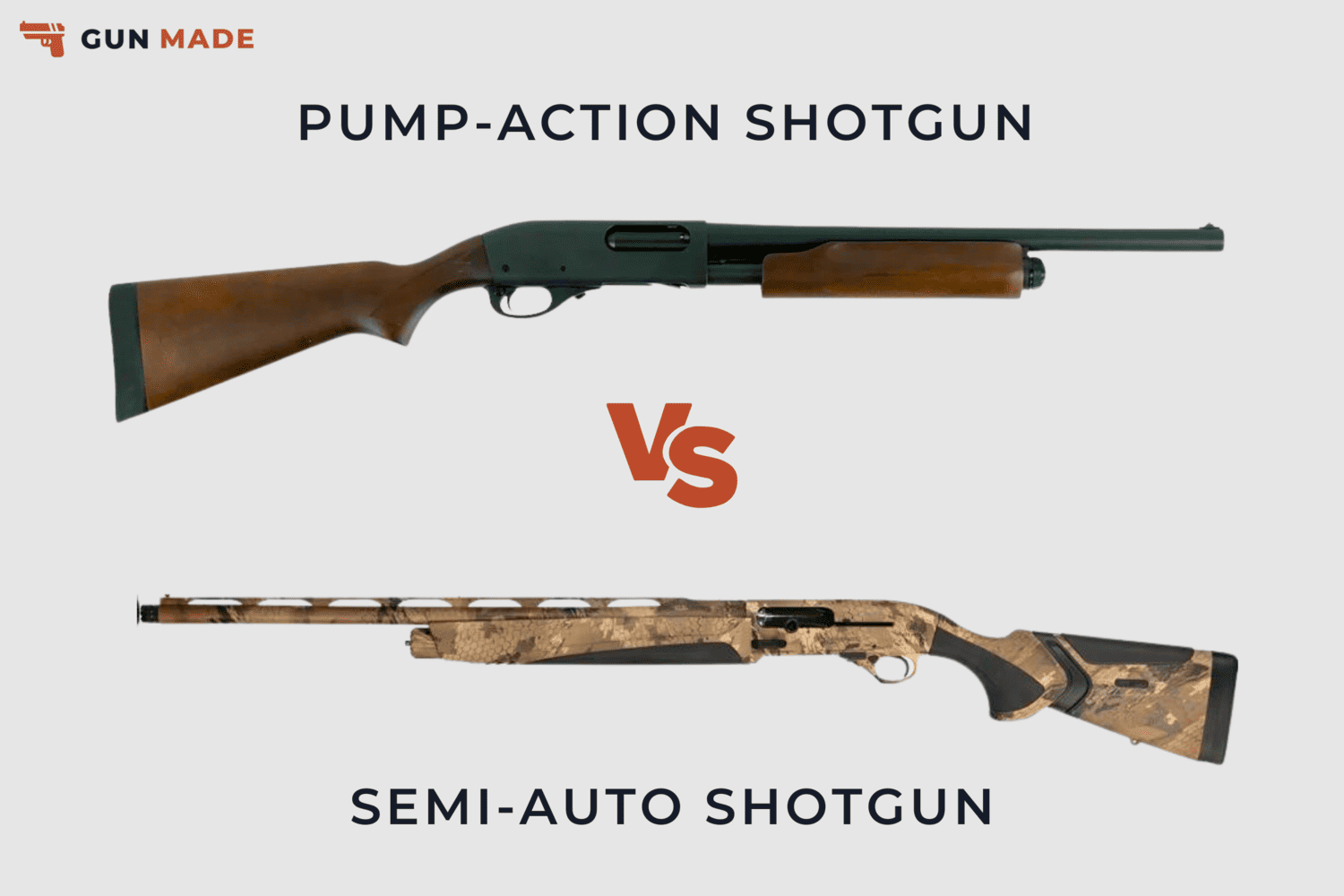
Pump-action rifles require manual cycling of the action to chamber each round. Semi-automatic rifles automatically chamber the next round after firing. This makes semi-automatics faster for follow-up shots, while pump-actions offer more control and reliability in certain conditions.
Which Rifle Type Is Better For Hunting Purposes?
Both have advantages for hunting. Pump-action rifles are durable and reliable in harsh environments. Semi-automatic rifles provide quicker follow-up shots, useful for fast-moving game. The choice depends on the hunter’s preference, game type, and local regulations.
Are Semi-automatic Rifles More Expensive Than Pump-action Rifles?
Generally, semi-automatic rifles tend to be more expensive due to complex mechanisms. Pump-action rifles have simpler designs, often making them more affordable. However, prices vary based on brand, model, and features, so it’s best to compare specific rifles.
Which Rifle Type Requires More Maintenance?
Semi-automatic rifles usually require more regular cleaning and maintenance. Their complex actions are sensitive to dirt and debris. Pump-action rifles have simpler mechanics, making them easier to clean and maintain over time.
Conclusion
Choosing between a pump-action rifle and a semi-automatic rifle depends on your needs. Pump-action rifles offer control and reliability with each shot. Semi-automatic rifles provide faster firing and ease of use. Think about what matters most: speed or precision. Both types have strengths for hunting or sport shooting.
Understanding these differences helps make a better choice. Your comfort and purpose guide the decision. Take time to handle both before buying. This way, you find the best fit for you. Simple and clear.

