
When it comes to choosing an assault rifle, you might find yourself stuck between semi-automatic and fully automatic options. Both have their strengths, but which one truly fits your needs?
Understanding the key differences can save you time, money, and frustration. You’ll discover how each type works, what makes them unique, and which one might be the smarter choice for your situation. Keep reading—your next decision could depend on it.

Basic Mechanisms
The basic mechanisms of semi-automatic and fully automatic assault rifles differ in how they fire bullets. Both types use the energy from firing a bullet to prepare the next shot. The difference lies in how many bullets they fire with each pull of the trigger.
Understanding these mechanisms helps to see how each rifle operates and what makes them unique. The design affects their use, control, and rate of fire.
How Semi-automatic Rifles Work
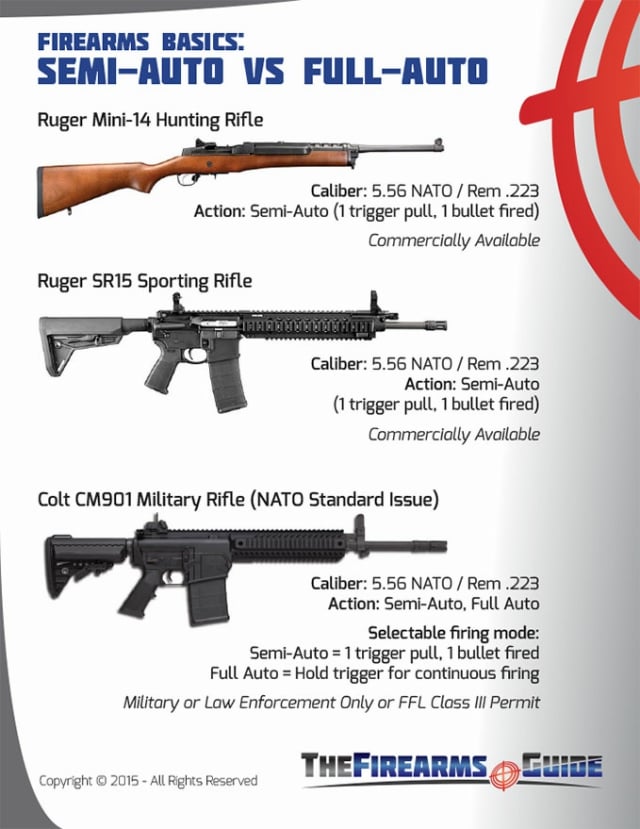
Semi-automatic rifles fire one bullet per trigger pull. After firing, the rifle uses the gas or recoil to eject the spent cartridge. It then loads a new bullet into the chamber automatically. The shooter must release and pull the trigger again to fire another shot.
This mechanism allows for faster shooting than manual rifles but keeps control over each shot. It is easier to aim and conserve ammunition this way.
How Fully Automatic Rifles Work
Fully automatic rifles fire continuously as long as the trigger is held down. They use the gas or recoil to cycle the weapon repeatedly. This means the rifle keeps ejecting, loading, and firing bullets without stopping.
This results in a high rate of fire but requires skill to control. Fully automatic fire can quickly use up ammunition and increase recoil.

Firing Modes
Firing modes are key to understanding the difference between semi-automatic and fully automatic assault rifles. They define how the weapon discharges bullets when the trigger is pulled. These modes affect control, accuracy, and the rate of fire. A clear grasp of firing modes helps in choosing the right rifle for a specific need.
Single Shot Vs Continuous Fire
Semi-automatic rifles fire one bullet per trigger pull. Each shot requires releasing and pressing the trigger again. This mode allows for precise aiming and better control over each bullet.
Fully automatic rifles fire continuously as long as the trigger is held down. Bullets keep coming out rapidly until the trigger is released or the magazine empties. This mode delivers high firepower but may reduce accuracy.
Trigger Control Differences
In semi-automatic rifles, trigger control is simple. One squeeze equals one shot. Shooters can take time between shots to aim carefully.
Fully automatic rifles need steady trigger control to manage recoil and accuracy. Holding the trigger down releases many bullets quickly. It takes practice to control bursts and avoid wasting ammo.
Accuracy And Control
Accuracy and control are key factors when comparing semi-automatic and fully automatic assault rifles. These aspects affect how well a shooter can hit the target and manage the weapon during use. Understanding the differences helps in choosing the right rifle for specific needs.
Recoil Management
Semi-automatic rifles fire one shot per trigger pull. This design allows more time to control recoil between shots. The shooter can keep the rifle steady and aim better after each bullet.
Fully automatic rifles fire many rounds quickly. This rapid fire creates strong recoil that can push the rifle off target. Controlling this recoil requires skill and practice. Without control, shots may scatter and miss the target.
Impact On Target Precision
Semi-automatic rifles offer better precision for each individual shot. The shooter can focus on aiming before pulling the trigger. This leads to more accurate hits on the target.
Fully automatic rifles sacrifice some precision for volume of fire. They are useful for suppressing enemies or covering an area. But the quick bursts can reduce accuracy at longer ranges.
Rate Of Fire
The rate of fire is a key factor in comparing semi-automatic and fully automatic assault rifles. It shows how fast a weapon can shoot bullets. This speed affects the rifle’s use in different situations, such as combat or target practice. Understanding the rate of fire helps explain the strengths and limits of each type.
Shots Per Minute Comparison
Semi-automatic rifles fire one shot with each trigger pull. This means the shooter controls the speed. Typically, a semi-automatic rifle can fire about 40 to 60 shots per minute. The speed depends on how fast the shooter pulls the trigger.
Fully automatic rifles keep firing bullets as long as the trigger is held down. These rifles can fire 600 to 900 shots per minute. The high speed allows more bullets to hit the target quickly. But it also uses ammunition very fast.
Effect On Ammunition Usage
Semi-automatic rifles use ammunition more slowly. Each bullet is fired one at a time. This helps save bullets and allows for careful aiming. Shooters can take their time to choose targets.
Fully automatic rifles consume ammunition quickly. Bullets can run out in seconds during continuous fire. This can be a problem if there are no extra magazines nearby. Managing ammo becomes very important for users of fully automatic rifles.
Legal Restrictions
Legal restrictions play a big role in owning and using assault rifles. Laws vary by country and region. These rules affect both semi-automatic and fully automatic rifles. Understanding these restrictions helps explain what is allowed for civilians and officials.
Civilian Ownership Laws
Civilian ownership of assault rifles is tightly controlled in many places. Semi-automatic rifles are often legal with permits or licenses. Fully automatic rifles usually face stricter bans or require special permission.
Background checks and waiting periods are common requirements. Some countries ban all types of automatic weapons for civilians. Others allow semi-automatic rifles but limit magazine size or certain features.
Military And Law Enforcement Regulations
Military and police forces have different rules. Fully automatic rifles are standard for many armed forces. These weapons support combat and tactical operations.
Law enforcement agencies may use both types depending on their needs. Regulations ensure proper training and control of these rifles. The goal is to keep public safety while allowing effective use in defense and security.
Cost And Maintenance
Cost and maintenance are key factors in choosing between semi-automatic and fully automatic assault rifles. These two types differ in price and the care they need. Understanding these differences helps buyers make smart decisions.
Knowing the initial cost and ongoing upkeep can save money and time. It also ensures the rifle stays in good working condition for longer.
Initial Purchase Price
Semi-automatic rifles usually cost less than fully automatic ones. The simpler design lowers manufacturing costs. These rifles are more common and easier to find.
Fully automatic rifles cost more due to complex parts and strict laws. They often need special licenses or permits. These factors raise the price for buyers.
Upkeep And Repair Differences
Semi-automatic rifles require less frequent maintenance. Their simpler mechanism reduces the chance of breakdowns. Cleaning and basic care keep them reliable.
Fully automatic rifles need more regular upkeep. The extra moving parts wear out faster. Repairs can be costly and require expert help.
Both types benefit from routine cleaning. Proper lubrication and inspection prevent malfunctions and extend rifle life.
Use Cases
Choosing between semi-automatic and fully automatic assault rifles depends on their use. Each type fits different needs and environments. Understanding these use cases helps clarify why certain rifles are preferred in specific situations.
Military Applications
Fully automatic rifles provide rapid firepower for soldiers in combat. They offer better control in close-quarters battles. Semi-automatic rifles allow accurate shots at longer ranges. Armies often equip troops with both types. Fully automatic mode helps suppress enemies. Semi-automatic mode conserves ammo and improves precision.
Some special units prefer semi-automatic rifles for stealth missions. These rifles make less noise and use less ammunition. Fully automatic rifles are vital in open battlefields. Their continuous fire can cover movements and break enemy lines.
Civilian And Sporting Use
Civilians mainly use semi-automatic rifles for sport and hunting. Semi-automatic rifles are easier to control for beginners. They allow quick follow-up shots without full automatic fire. Hunters appreciate the precision and safety of semi-automatic rifles.
Fully automatic rifles are rarely available or legal for civilians. Laws restrict automatic weapons to reduce accidents and misuse. Sporting events focus on marksmanship and skill. Semi-automatic rifles fit these goals better. Shooting clubs and competitions often ban fully automatic guns.
Pros And Cons
Choosing between semi-automatic and fully automatic assault rifles requires understanding their benefits and limits. Each type suits different needs and situations. Knowing their pros and cons helps make the right choice.
Advantages Of Semi-automatic Rifles
Semi-automatic rifles fire one shot per trigger pull. This feature provides better control and accuracy. Shooters can aim carefully before each shot. These rifles often use less ammunition, saving resources.
They are easier to maintain and clean. Semi-automatic rifles usually cost less than fully automatic ones. Their simpler design means fewer mechanical problems. They are legal for civilian use in many places.
Advantages Of Fully Automatic Rifles
Fully automatic rifles fire multiple rounds with one trigger pull. This allows for rapid firing in combat or defense. They provide high firepower and can suppress enemies quickly. Fully automatic rifles are useful for military and law enforcement.
They can cover large areas with continuous fire. This helps in intense battle situations. Their ability to fire fast can protect users from multiple threats. These rifles offer a tactical advantage in certain conditions.
Common Drawbacks
Semi-automatic rifles may lack the firepower needed in some conflicts. They might be slower to respond in fast combat. Fully automatic rifles consume a lot of ammunition quickly. This can be costly and hard to manage.
Recoil is stronger in fully automatic rifles, which affects accuracy. Both types require proper training for safe handling. Legal restrictions limit the use of fully automatic rifles in many areas. Maintenance can be time-consuming for both rifle types.
Frequently Asked Questions
What Is The Main Difference Between Semi And Fully Automatic Rifles?
Semi-automatic rifles fire one round per trigger pull. Fully automatic rifles fire continuously while the trigger is pressed. This key difference affects control, rate of fire, and usage scenarios.
Are Semi-automatic Rifles Easier To Control Than Fully Automatic?
Yes, semi-automatic rifles are easier to control due to single shots per trigger pull. Fully automatic rifles can cause recoil and spray, reducing accuracy.
Which Rifle Type Is Preferred For Civilian Use?
Semi-automatic rifles are commonly preferred for civilian use. They offer controlled firing and comply with most firearm regulations. Fully automatic rifles are heavily restricted for civilians.
How Does Rate Of Fire Compare Between The Two Rifles?
Fully automatic rifles have a much higher rate of fire. Semi-automatic rifles fire one bullet at a time, making them slower but more precise.
Conclusion
Choosing between semi-automatic and fully automatic rifles depends on your needs. Semi-automatic rifles offer better control and accuracy. Fully automatic rifles provide faster firing but less precision. Each type suits different situations and users. Think about what matters most: speed or accuracy.
Always follow safety rules when handling any firearm. Understanding these differences helps you make a smart choice. Stay informed and responsible.

