
Yes, you should store ammo separately from equipment to reduce risk and protect reliability.
If you own guns or manage a range, this choice matters. In this guide, I explain Should ammo be stored separately from equipment? with clear steps, real examples, and proven standards. You will learn how to set up safe storage, avoid common mistakes, and follow best practices with confidence.
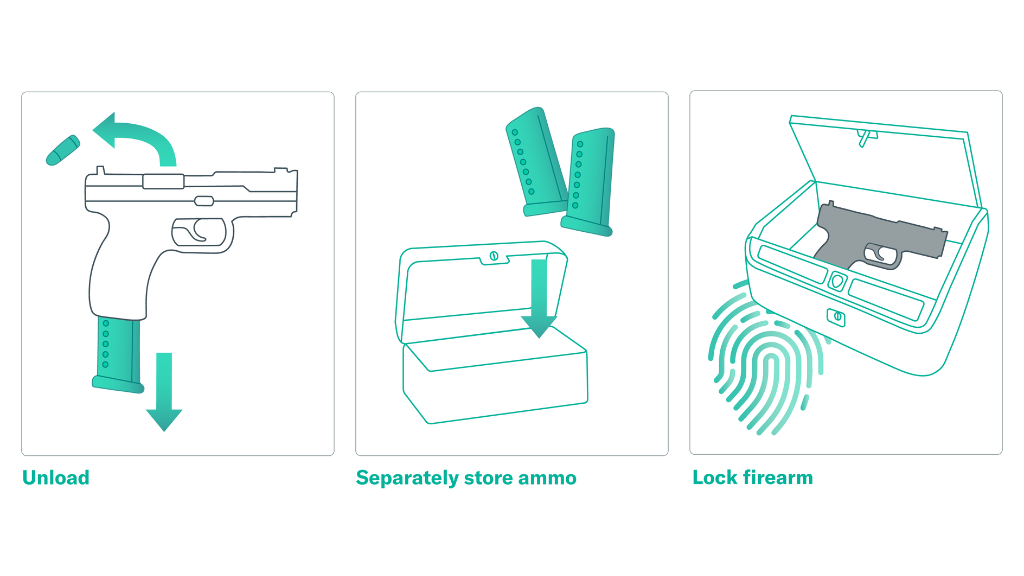
Why separating ammo and equipment matters
Should ammo be stored separately from equipment? Yes, because separation reduces accidents and stops mix-ups. It also protects gear and keeps rounds dry and stable. The result is fewer surprises and better performance when you need it.
Ammo is stable in normal use. Still, heat, moisture, and rough handling can damage it. Bags and cases with mixed gear tend to get wet, dirty, and tossed around. Separate storage controls these risks.
Think of it like a clean kitchen. You keep raw meat apart from fresh greens. The same idea helps your ammo and your equipment stay safe and ready.

Safety, standards, and the legal angle
Many industry groups back separate and secure storage. Guidance from SAAMI supports cool, dry, stable storage for ammo. Fire codes based on NFPA 495 classify most small arms ammo as 1.4S and give storage tips for homes and shops. Agencies such as the ATF, plus many states, push locked storage and safe transport.
Laws vary by state and city. Some places require guns and ammo to be stored apart or transported in separate, locked containers. Some insurance policies also expect safe storage and may ask for proof after a loss. Should ammo be stored separately from equipment? In many cases, doing so helps you meet codes and avoid fines or claim issues.
If kids or visitors are in the home, separation and locks lower risk. It also limits theft. When ammo and gear are in separate safes, a thief has a harder time making your tools work.
Benefits and trade-offs of separate storage
Should ammo be stored separately from equipment? Here are the key upsides:
- Lower chance of a negligent discharge. No loose rounds or loaded mags mixed with cleaning tools.
- Better fire safety. Separation reduces total fuel in one spot.
- Less moisture and grit transfer. Gear often comes home damp; ammo should stay dry.
- Stronger security. Two locks are better than one.
There are trade-offs:
- More steps to pack for the range or a trip.
- Extra storage costs for a second safe or cabinet.
For most users, the gains beat the hassle. The setup becomes muscle memory after a few weeks.
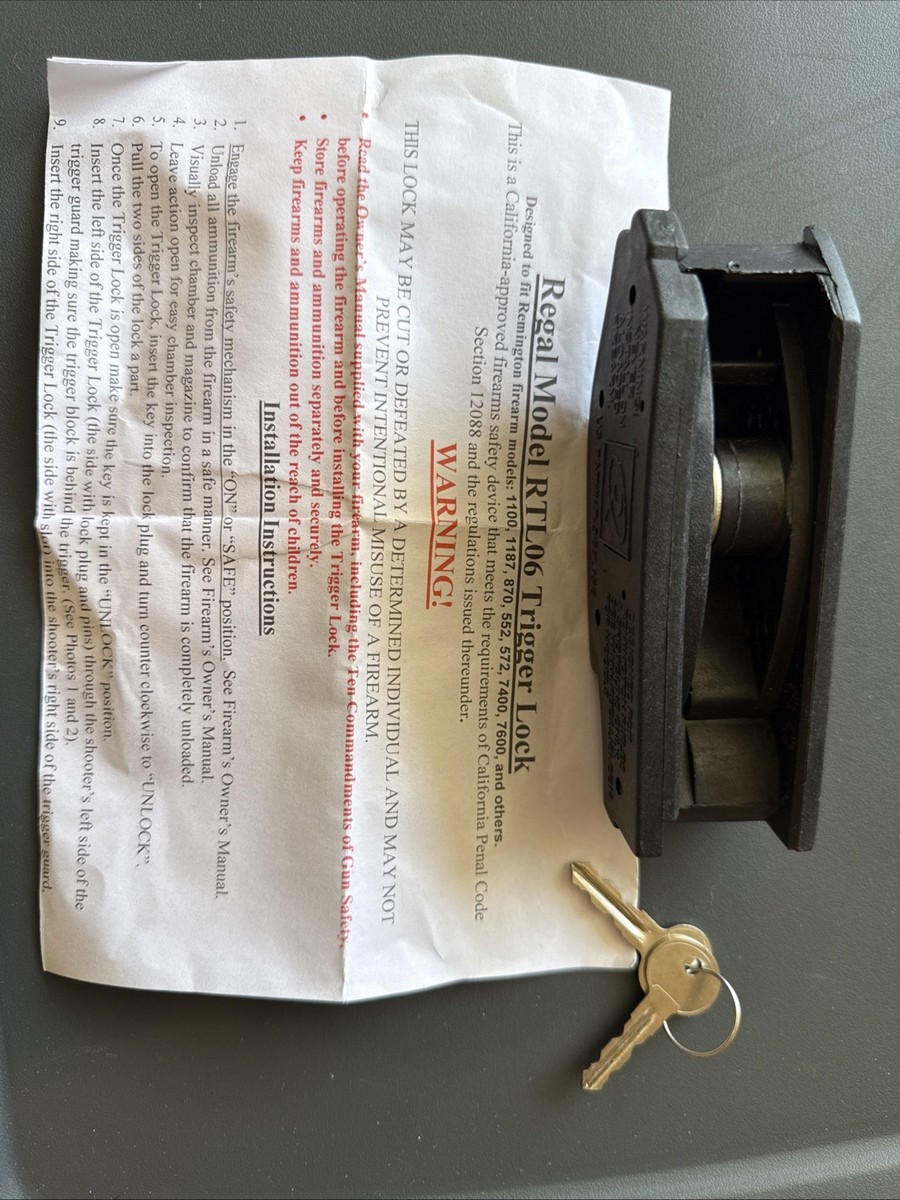
Practical storage setups that work
Should ammo be stored separately from equipment? Yes, and you can keep it simple. These setups are easy to build and scale.
Home setup
- Ammo in a steel cabinet or ammo safe with a lock.
- Firearms and equipment in a separate safe.
- Desiccant packs in both, with a small dehumidifier rod if needed.
Apartment setup
- Use a slim, lockable cabinet for ammo; bolt it if you can.
- Keep firearms and gear in a different locked container.
- Avoid hot spots like attics or near heaters.
Vehicle setup (when legal)
- Ammo in a locked box in the trunk or cargo area.
- Firearms in a separate locked case. Do not leave them in view.
- Follow all transport laws in your state.
Range day flow
- Pack ammo in original boxes or sealed cans.
- Keep ammo cans separate from your gun case and cleaning kit.
- Load mags at the range, not at home, if local law or house rules prefer it.
Environmental control: temperature, humidity, and time
Ammo likes a cool, dry, steady place. Should ammo be stored separately from equipment? Yes, because gear storage often swings hot and cold.
- Temperature: Avoid heat. Long exposure to high heat ages propellant. Aim for room temp and steady conditions.
- Humidity: Keep it low. Use desiccant packs or a dehumidifier rod in your cabinet or safe.
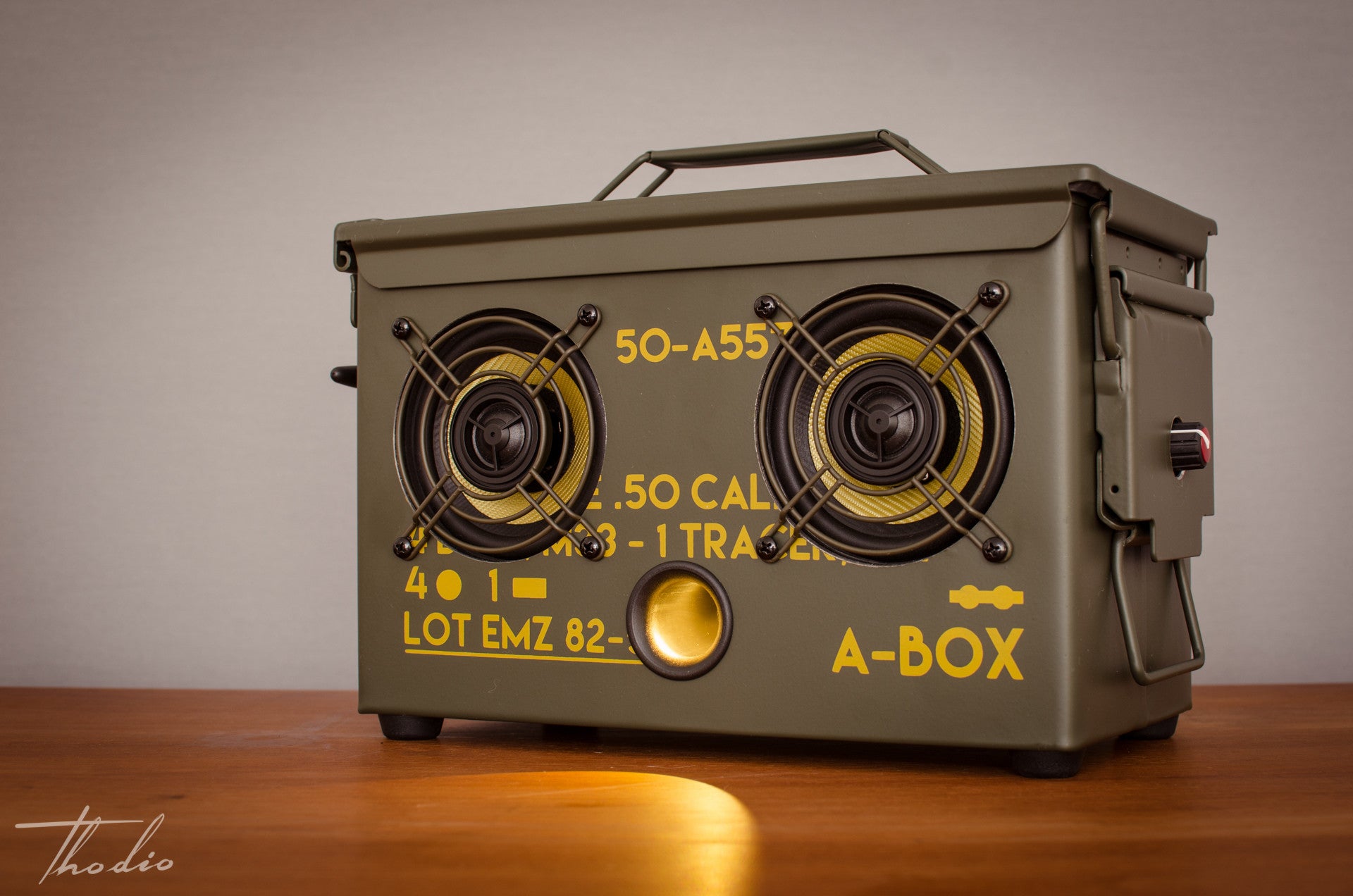
- Containers: Original boxes in sealed ammo cans are great. Label the cans and add a humidity card if you want a visual check.
- Time: Rotate stock. Older lots get used first.
If you keep gear in a garage, consider moving ammo inside. Garages swing in temp and humidity more than a closet.
Labeling, inventory, and rotation
Good labels save time and prevent mistakes. I keep it short and clear.
- Mark brand, caliber, bullet weight, and purchase date.
- Use a simple code for lot numbers if you track accuracy.
- Practice first-in, first-out so old ammo gets used first.
- Keep a small log. A simple note app or card works.
Should ammo be stored separately from equipment? Yes, and clean labeling finishes the plan. You will grab the right box fast and avoid mixing calibers.

Real-world scenarios and what works
Families with kids
- Store ammo in a locked cabinet. Store firearms in a separate locked safe.
- Keep keys or codes apart. Consider quick-access locks for the firearm safe.
Hunters and travelers
- Pack ammo in sealed cans. Keep it in a different case than rifles.
- Check airline and state rules. Many require separate, locked containers.
Range owners and clubs
- Use separate locked rooms or lockers for ammo and tools.
- Set a policy: no loose rounds in tool bags. Inspect before entry.
New gun owners
- Start with two lockable containers. One for ammo, one for the firearm and gear.
- Build habits early. You will not need to rethink later.
Should ammo be stored separately from equipment? In each case above, separation keeps you compliant, organized, and calm.
Mistakes to avoid
- Storing ammo in a damp basement or hot attic.
- Mixing loose rounds with range tools and rags.
- Keeping loaded mags in the same case as a firearm if your local rules forbid it.
- Skipping labels and relying on memory.
- Leaving ammo or gear in vehicles overnight, where heat and theft risks rise.
Should ammo be stored separately from equipment? Yes, and avoiding these mistakes makes the answer pay off.
Frequently Asked Questions of Should ammo be stored separately from equipment?
Is it illegal to store ammo with firearms?
It depends on your location. Some states or cities require separate, locked storage, while others do not. Check your local laws and follow any fire code guidance.
Does storing ammo separately improve safety?
Yes. It lowers the chance of accidental use, limits theft, and reduces fire load in one area. It also helps with child access prevention.
Will separate storage extend ammo life?
Usually, yes. Separate storage lets you control temperature and humidity better. That helps powder and primers stay stable.
Can I keep loaded magazines with my gear?
Check your laws and your risk tolerance. Some owners keep loaded mags, but they store them locked and away from the firearm.
What is the best container for ammo?
Use original boxes inside sealed ammo cans with desiccant. Keep them in a cool, dry, locked cabinet.
How often should I check stored ammo?
Do a quick check every few months. Look for corrosion, broken seals, or moisture signs, and replace desiccant as needed.
Are ammo cans safe in a house fire?
Ammo cans offer some protection but are not fireproof. The goal is to reduce heat exposure and keep items contained, not to fire-harden them.
Should ammo be stored separately from equipment when traveling?
Yes. Many transport rules expect separation and locks. It also keeps you organized during checks.
Does insurance care how I store ammo?
Often, yes. Safe, locked, separate storage can help during a claim review. Ask your insurer for written guidance.
Can moisture from cleaning gear harm ammo?
It can. Oils and solvents can wick into boxes and damage primers. Separate storage stops this.
Conclusion
Storing ammo apart from equipment is a simple step with big wins. It improves safety, meets many rules, keeps ammo dry, and makes your setup more secure. The plan is easy: lock ammo here, lock gear there, label well, and control heat and humidity.
Put one change in place today. Set up a second locked container and move your ammo into it. Subscribe for more practical storage guides, or leave a comment with your setup so others can learn from it.

