
If you’re considering a battle rifle for your collection or tactical needs, it’s important to know what you might be getting into. Battle rifles have their strengths, but they also come with some serious drawbacks that could affect your performance and experience.
Understanding these disadvantages can save you time, money, and frustration. Keep reading to discover the key issues you need to watch out for before making your decision. Your choice could depend on what you learn here.

Weight And Bulk
Battle rifles often weigh more than other firearms. Their size and weight make them harder to carry. This bulk affects how soldiers move and fight. Understanding these drawbacks helps explain why some choose lighter weapons.
Impact On Mobility
Heavy battle rifles slow down soldiers in the field. Carrying extra weight tires the body faster. Moving quickly through rough terrain becomes difficult. This limits agility during combat or patrol missions. The bulk can also cause problems in tight spaces. Soldiers may struggle to aim and shoot fast.
Challenges In Prolonged Use
Using a heavy battle rifle for hours causes fatigue. Arms and shoulders feel strained after long periods. This reduces accuracy and reaction time. Carrying the rifle plus other gear adds to the burden. Fatigue can affect decision-making and endurance. Rest breaks become necessary more often, slowing operations.
Recoil And Control
Recoil and control are important factors in using a battle rifle. These rifles often have strong recoil due to their powerful cartridges. This recoil affects how well a shooter can keep the rifle steady and aim accurately. Controlling the rifle after each shot can be challenging, especially during rapid fire.
Effect On Accuracy
Strong recoil can push the rifle off target. This makes it hard to place shots precisely. Each time the rifle kicks back, the shooter must realign their aim. This breaks the shooter’s focus and slows down shooting speed. Over time, this can reduce overall accuracy and effectiveness.
Difficulty For Novice Shooters
New shooters often struggle with heavy recoil. The sudden kick can surprise and intimidate them. This may cause flinching or poor shooting stance. Learning to control recoil takes practice and patience. Without control, novice shooters may lose confidence quickly.
Ammunition Issues
Ammunition plays a big role in the use of battle rifles. These rifles often use larger, more powerful cartridges. This causes several challenges for users. Ammunition issues can affect cost, availability, and how much weight a user must carry. Understanding these problems helps in deciding if a battle rifle is right for you.
Higher Cost And Availability
Battle rifle ammo costs more than smaller caliber rounds. The larger size and power add to production expenses. Finding this ammo can be harder in some places. Stores may have limited stock or none at all. This makes planning and supply tricky for users.
Increased Carrying Burden
The ammo for battle rifles is heavy and bulky. Carrying enough rounds means extra weight on the body. This can slow down movement and tire the user quickly. Soldiers or hunters must balance ammo needs with physical limits. The burden affects how long and far one can operate effectively.

Maintenance And Durability
Battle rifles require careful maintenance to stay reliable. Their durability depends on regular cleaning and checks. Without proper care, these rifles may face issues that affect performance. Understanding maintenance challenges helps users keep their weapons in good shape.
Complexity Of Upkeep
Battle rifles have many small parts. Each piece needs cleaning and oiling to work well. The process can be long and detailed. Beginners might find it hard to maintain these rifles properly. Skipping upkeep can cause wear and tear faster.
Susceptibility To Malfunctions
More complex designs mean more chances for problems. Dirt, dust, and moisture can cause jams or misfires. Regular maintenance lowers the risk of these malfunctions. Battle rifles need attention to prevent failures during use. Neglect can lead to costly repairs or replacements.
Limited Versatility
Battle rifles have many strengths but also some clear limits. One big drawback is limited versatility. These rifles are built for certain tasks, which can restrict their use in different situations.
The design and size of battle rifles make them less flexible. They may not work well in close spaces or for all combat styles. This can be a problem for soldiers who need a weapon for many roles.
Suitability For Specific Roles
Battle rifles excel at long-range shooting and power. They use larger cartridges that offer strong impact and range. This makes them good for open battlefields and precise shots.
They struggle in tight spaces like buildings or dense forests. Their weight and length can slow down movement. This reduces their effectiveness in fast, close-quarters fights.
Special forces or urban fighters may prefer lighter, smaller guns. Battle rifles are not ideal for quick changes or stealth missions. Their design suits straightforward combat roles better.
Comparison With Other Firearms
Assault rifles offer more versatility than battle rifles. They fire smaller rounds, which are easier to control. This helps with faster firing and better handling.
Submachine guns and carbines are even lighter and shorter. These firearms work well for close-range combat and fast action. They offer better maneuverability in tight areas.
Battle rifles stand out for power but lose points on flexibility. Other guns adapt better to different combat needs. This limits battle rifles to specific types of warfare.
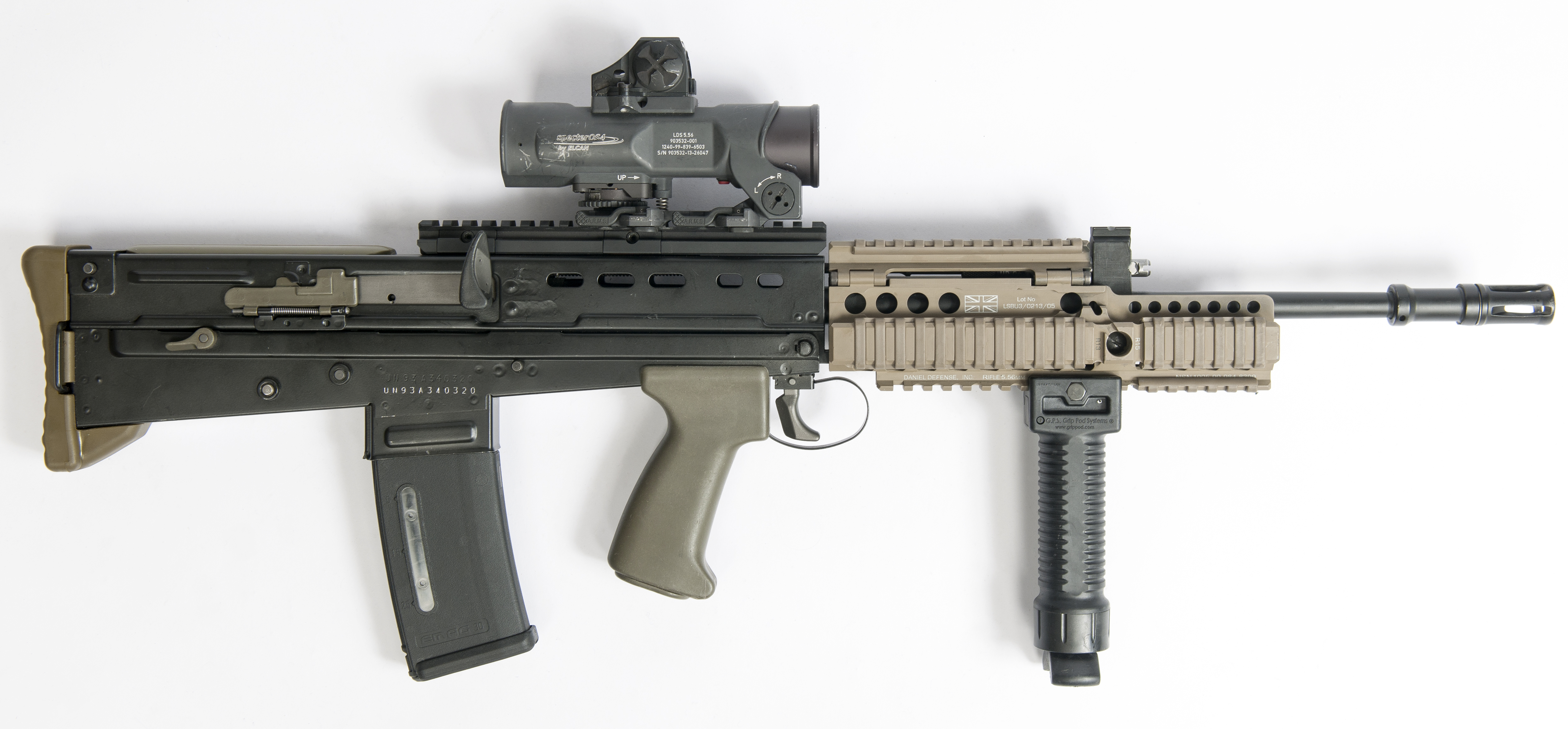
Ergonomics And Handling
Ergonomics and handling play a crucial role in the use of battle rifles. These factors affect how easily a soldier can operate the weapon during missions. Battle rifles are often heavier and larger than other firearms. This size impacts the comfort and ease of handling. Understanding these drawbacks helps in choosing the right rifle for specific needs.
Comfort During Operation
Battle rifles tend to be bulky and heavy. This weight can cause fatigue during long operations. The recoil from firing is usually strong. It may lead to discomfort or even pain after repeated shots. The grip and stock design sometimes lack cushioning. This reduces overall comfort, especially during intense use.
Adaptability To User Preferences
Many battle rifles have limited customization options. Adjusting the rifle to fit different hand sizes or shooting styles can be difficult. The fixed stock design might not suit all users. Limited rail space restricts adding accessories. These factors make it hard to tailor the rifle for individual needs. This inflexibility affects handling and user satisfaction.
Frequently Asked Questions
What Are The Main Drawbacks Of Using A Battle Rifle?
Battle rifles are heavier and bulkier than other firearms. They cause quicker fatigue in prolonged use. Their recoil is stronger, affecting accuracy. Ammunition is often larger and heavier, limiting ammo capacity and ease of carrying.
Why Do Battle Rifles Have Limited Ammo Capacity?
Battle rifles typically use larger cartridges, which take more space. This limits magazine size compared to smaller caliber rifles. Fewer rounds mean less sustained fire in combat situations. This can reduce overall effectiveness in prolonged engagements.
How Does Recoil Affect Battle Rifle Performance?
Strong recoil from battle rifles can reduce shooter accuracy. It causes more muzzle rise, slowing follow-up shots. This impacts rapid target engagement and control. Novice shooters may find it harder to manage recoil effectively.
Are Battle Rifles Less Maneuverable Than Other Rifles?
Yes, battle rifles are generally longer and heavier. This makes them less agile in close quarters. They can be cumbersome in tight spaces or urban combat. Maneuverability is often sacrificed for range and stopping power.
Conclusion
Battle rifles have their clear drawbacks. They can be heavy and hard to carry. Their recoil may slow down follow-up shots. Ammo is often larger and harder to find. This can limit how long you stay in action. Maintenance might take more time and effort.
These factors make battle rifles less ideal for some users. Choosing the right rifle means knowing what fits your needs best. Think about these disadvantages before making a decision. It helps to find the perfect balance between power and ease.

