
Are you thinking about choosing a bolt-action rifle but want to know if it’s the right fit for you? While these rifles are known for their accuracy and reliability, they also come with some drawbacks that might affect your shooting experience.
Understanding the disadvantages of a bolt-action rifle can help you make a smarter decision before you invest your time and money. Keep reading to discover what challenges you might face and whether they outweigh the benefits for your needs.
Limited Firing Speed
The limited firing speed of a bolt-action rifle is a key disadvantage. This type of rifle requires the shooter to manually operate the bolt after each shot. This process takes time and slows down the overall rate of fire.
In situations where quick follow-up shots are needed, this slow firing speed can be a serious drawback. The delay between shots can affect performance, especially in fast-moving scenarios.
Manual Cycling Slows Rate
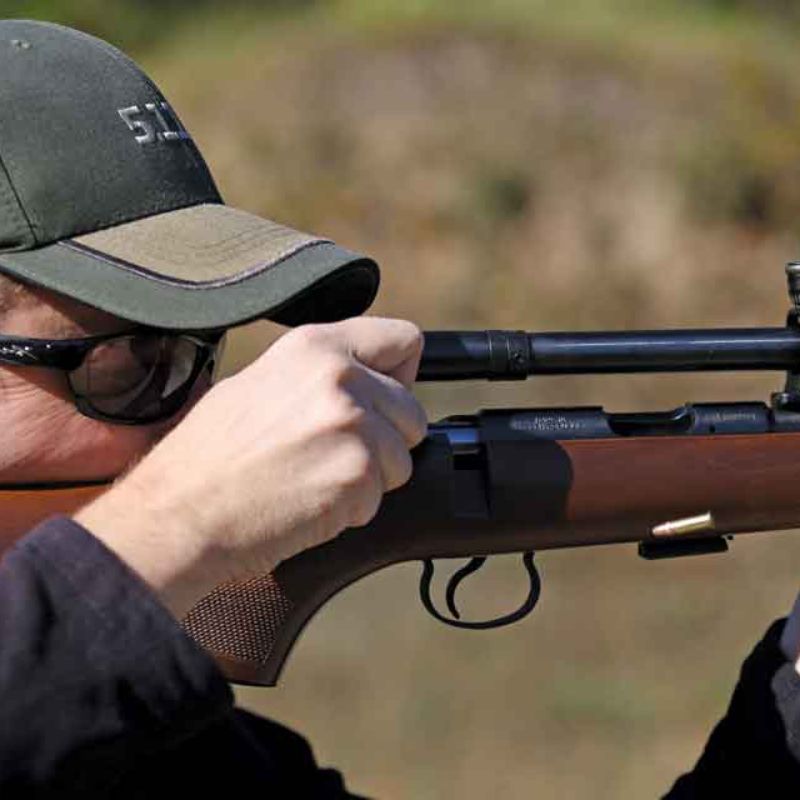
After each shot, the shooter must lift and pull back the bolt. Then, they push it forward and lock it down to chamber the next round. This manual cycling takes several seconds.
Compared to semi-automatic rifles, bolt-action rifles fire fewer rounds per minute. The manual process reduces how fast you can shoot.
Impact On Rapid Target Engagement
When engaging multiple targets quickly, the slow firing speed limits effectiveness. Each new target requires the shooter to cycle the bolt again before firing.
This delay can cause missed opportunities in hunting or tactical situations. Rapid target engagement is harder with a bolt-action rifle due to its slower firing rate.
Bulk And Weight Issues
Bolt-action rifles often come with bulk and weight issues. These can affect how easy or hard it is to carry and use the rifle. Many shooters notice these factors during long trips or hunts. Understanding these challenges helps in choosing the right rifle for your needs.
Heavier Design Compared To Semi-autos
Bolt-action rifles usually weigh more than semi-automatic rifles. The solid metal bolt and strong receiver add to the weight. This makes the rifle feel heavier in the hands. Heavier rifles can tire the shooter faster. This is important for those who carry the rifle for many hours.
Challenges In Long-duration Carrying
Carrying a bulky bolt-action rifle for a long time can be hard. The weight pulls on your shoulders and arms. It can cause discomfort and slow your movement. This limits how far you can walk comfortably. Hunters and shooters may find this tiring during long trips in the field.
Reduced Magazine Capacity
Bolt-action rifles often come with smaller magazines compared to other rifle types. This limits the number of rounds you can carry at once. Reduced magazine capacity affects shooting efficiency and convenience. It can influence how you use the rifle in different situations.
Smaller Round Count
Bolt-action rifles usually hold fewer bullets. Most magazines fit only 3 to 5 rounds. This is less than semi-automatic rifles, which can hold 10 or more rounds. A smaller round count means fewer shots before reloading. This can be a drawback in fast-paced or extended shooting sessions.
Frequent Reloading Requirements
With fewer rounds in the magazine, reloading happens more often. This interrupts shooting and takes time. Frequent reloading can be frustrating during hunting or target practice. It also demands more attention and skill to reload quickly. This can slow down your shooting rhythm and focus.
Complex Operation For Beginners
The bolt-action rifle has a unique mechanism that can be tricky for beginners. Its operation involves precise movements that require practice. Many new shooters find it challenging to work the bolt smoothly. This complexity can slow down the shooting process. Understanding the basic steps is crucial to avoid mistakes and jams. The learning phase demands patience and focus. This section explains why bolt-action rifles have a complex operation for beginners.
Learning Curve For Bolt Manipulation
Using a bolt-action rifle means moving the bolt handle in several steps. You must lift, pull back, push forward, and lock it down. Each step must be done smoothly and fully. Beginners often struggle to remember the order. The bolt’s action feels stiff at first. This stiffness can cause slow reloads and frustration. Practice improves speed and confidence. Without enough training, the shooter may fumble or fail to cycle the action properly.
Potential For User Errors
Errors happen easily with bolt-action rifles. If the bolt is not locked correctly, the rifle may not fire. Partial bolt movement can cause the gun to jam. Missing any step can lead to a misfeed or a stuck cartridge. These problems interrupt shooting and can be dangerous. New users might also forget to check if the chamber is clear. Careful handling and attention prevent many common mistakes. Errors reduce reliability and make shooting less enjoyable for beginners.
Slower Follow-up Shots
The slower follow-up shots are a key drawback of bolt-action rifles. This type of rifle requires manual operation to eject the spent cartridge and load the next round. This process takes more time than semi-automatic or automatic rifles. The delay can impact accuracy and timing, especially in fast-paced situations.
Time Between Shots
With a bolt-action rifle, the shooter must lift the bolt handle, pull it back, push it forward, and lock it down. This sequence takes a few seconds for each shot. This delay reduces the number of shots fired in a short time. The longer time between shots may affect performance in scenarios needing quick follow-ups.
Effect On Hunting And Tactical Scenarios
In hunting, slow follow-up shots may cause missed opportunities. Animals often move quickly after the first shot. The shooter might not get a second chance to aim and fire. In tactical situations, fast reaction is critical. Slow bolt cycling can reduce a shooter’s ability to respond to threats rapidly. This limitation may affect safety and mission success.
Maintenance And Durability Concerns
Bolt-action rifles require regular upkeep to work well and last long. Their design, while strong, has parts that face wear and tear. Understanding these maintenance and durability issues helps owners keep their rifles in good shape.
Bolt Mechanism Wear
The bolt moves back and forth with each shot. This constant motion causes parts to wear out over time. If not checked, the bolt may become loose or hard to operate. Worn bolts can affect accuracy and safety. Regular inspections and lubrication reduce this wear.
Cleaning Challenges
Bolt-action rifles have many small parts inside the bolt and chamber. Dirt and residue build up quickly after firing. Cleaning these tight spaces takes time and care. Missing a spot can lead to rust and malfunction. Using the right tools and cleaning often keeps the rifle reliable.
Limited Versatility
The bolt-action rifle has a strong reputation for accuracy and reliability. Still, it has some limits in versatility that affect its use in different situations. Understanding these limits helps to see why it may not suit every shooter or role.
Less Adaptable For Different Roles
Bolt-action rifles are designed mainly for precision shooting. Their slow rate of fire can be a drawback in fast-paced situations. They are not ideal for close combat or rapid target engagement.
The manual operation of the bolt means each shot takes more time to prepare. This makes the rifle less useful for hunting moving game or tactical uses. Also, changing calibers or attachments can be harder compared to other rifles.
Comparison With Other Rifle Types
Semi-automatic rifles offer faster follow-up shots without cycling a bolt. They work better in situations needing quick reactions. Pump-action rifles also provide faster firing but with different mechanics.
Bolt-actions excel at long-range accuracy but lose points in flexibility. Other rifle types allow easier customization and quicker shooting. This makes them more versatile for varied shooting roles.

Frequently Asked Questions
What Are The Main Drawbacks Of Bolt-action Rifles?
Bolt-action rifles have slower firing rates compared to semi-automatics. They require manual cycling after each shot, reducing speed. This can limit effectiveness in fast-paced situations or self-defense scenarios. Additionally, their mechanism can be less user-friendly for beginners.
How Does Bolt-action Affect Shooting Speed?
Bolt-action rifles need manual bolt manipulation after every shot. This slows down consecutive shots significantly. The slower rate may hinder performance in competitive or tactical environments. Shooters must practice to improve cycling speed, but it remains slower than automatic systems.
Are Bolt-action Rifles Harder To Use?
Bolt-action rifles require more manual operation and coordination. Users must lift, pull back, push forward, and lock the bolt each shot. This complexity can challenge new shooters. However, experienced marksmen often appreciate the precision and control it offers.
Do Bolt-action Rifles Have Limited Ammunition Capacity?
Most bolt-action rifles hold fewer rounds than semi-automatic rifles. Typical magazines range from 3 to 10 rounds. This limits sustained firing without reloading. Users must reload more often, which can be a disadvantage in rapid-fire scenarios.
Conclusion
Bolt-action rifles offer great accuracy but come with clear drawbacks. They reload slowly compared to semi-automatic rifles. This can be a problem in fast situations. Also, they often weigh more and can be bulky. Some models require more maintenance to work well.
These factors might make them less ideal for beginners or quick shooting needs. Still, many shooters value their precision and reliability. Knowing these disadvantages helps you decide if a bolt-action fits your needs. Choose wisely based on what you expect from your rifle.

