
Have you ever wondered what makes a battle rifle different from other guns? Whether you’re curious about firearms or just want to understand the basics, knowing what a battle rifle is can change how you see military history and weapon design.
This isn’t just about technical terms—it’s about understanding a powerful tool that shaped modern combat. Keep reading, and you’ll discover exactly what sets a battle rifle apart and why it still matters today.

Battle Rifle Basics
Battle rifles hold an important place in military history and firearm design. They are known for their power and range. These rifles differ from other types like assault rifles or sniper rifles. Understanding battle rifles helps appreciate their role on the battlefield and in firearm evolution.
Battle rifles are designed for combat at medium to long distances. They use full-power cartridges that deliver strong impact. This makes them effective for soldiers who need accuracy and stopping power. The basics include their size, ammo type, and typical use in military forces worldwide.
Defining Battle Rifles
A battle rifle is a military firearm that fires a full-size rifle cartridge. It usually uses calibers like 7.62x51mm NATO or similar rounds. These rifles are semi-automatic or select-fire, allowing quick follow-up shots. Battle rifles are larger and heavier than assault rifles. They focus on power and range rather than compactness.
These rifles often have longer barrels than assault rifles. This helps increase bullet velocity and accuracy. They are built to work well in open combat, not just close quarters. The name “battle rifle” reflects their purpose: reliable rifles for frontline soldiers.
Historical Context
Battle rifles became popular after World War II. Militaries needed weapons that combined power and rapid fire. The M14 rifle from the United States is a famous example. It replaced older bolt-action rifles with a faster semi-automatic design. Many countries adopted similar rifles using powerful cartridges.
Later, battle rifles faced competition from lighter assault rifles. Assault rifles use smaller rounds and are easier to carry. Still, battle rifles remain in use for certain roles. Their strength and accuracy make them valuable for marksmen and designated shooters.
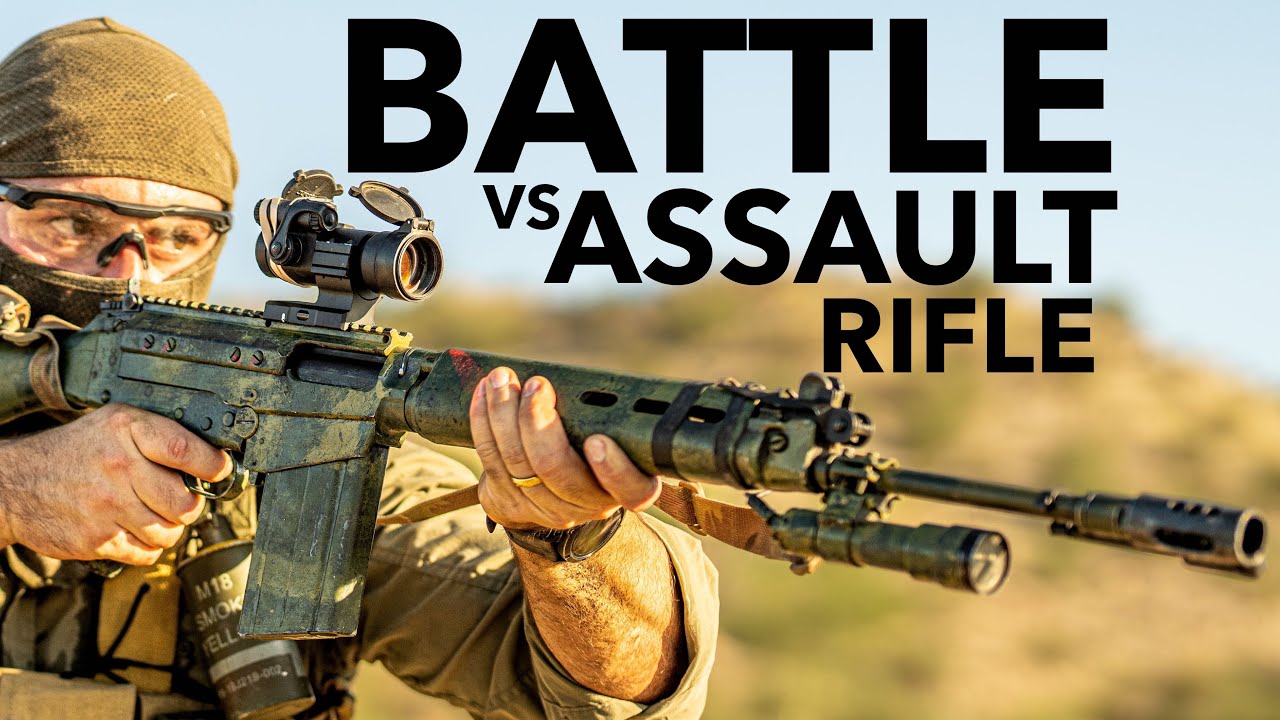
Key Features
Battle rifles stand out for their unique features that blend power, design, and versatility. These elements make them reliable in many combat situations. Understanding these key features helps appreciate why battle rifles remain relevant today.
Caliber And Ammunition
Battle rifles use larger caliber rounds, often 7.62x51mm NATO. This size offers better range and stopping power. The ammunition is heavier and more powerful than those used in assault rifles. It delivers strong impact over longer distances. This makes battle rifles suitable for varied battlefield roles.
Design And Ergonomics
Battle rifles have a robust and sturdy design. They often feature a solid metal construction for durability. Ergonomics focus on comfort and control during firing. Adjustable stocks and grips help shooters maintain steady aim. Many models include rails for mounting scopes and accessories. This design supports accuracy and ease of use in combat.
Firing Modes
Most battle rifles offer multiple firing modes. Commonly, they include semi-automatic and fully automatic settings. Semi-automatic mode fires one shot per trigger pull. Fully automatic mode allows continuous fire while holding the trigger. Some rifles also have burst mode for a set number of rounds. These options provide flexibility in different combat scenarios.
Popular Models
Battle rifles are powerful firearms designed for military use. Several models have gained popularity worldwide. These rifles are known for their strength and reliability. Each model has unique features and history.
M14
The M14 is an American battle rifle. It uses 7.62x51mm NATO rounds. The M14 was standard issue for the U.S. military in the 1950s and 60s. It combines accuracy with strong firepower. Soldiers appreciate its durability and long-range capability.
Fn Fal
The FN FAL is a Belgian-designed rifle. It also fires 7.62x51mm NATO ammunition. Many countries adopted the FN FAL during the Cold War. Known as the “right arm of the Free World,” it is reliable in various climates. Its versatility made it popular among many armies.
G3
The G3 is a German battle rifle. It shares the 7.62x51mm NATO cartridge. The G3 uses a roller-delayed blowback system for strong performance. It is easy to maintain and very tough. This rifle served in many countries for decades.
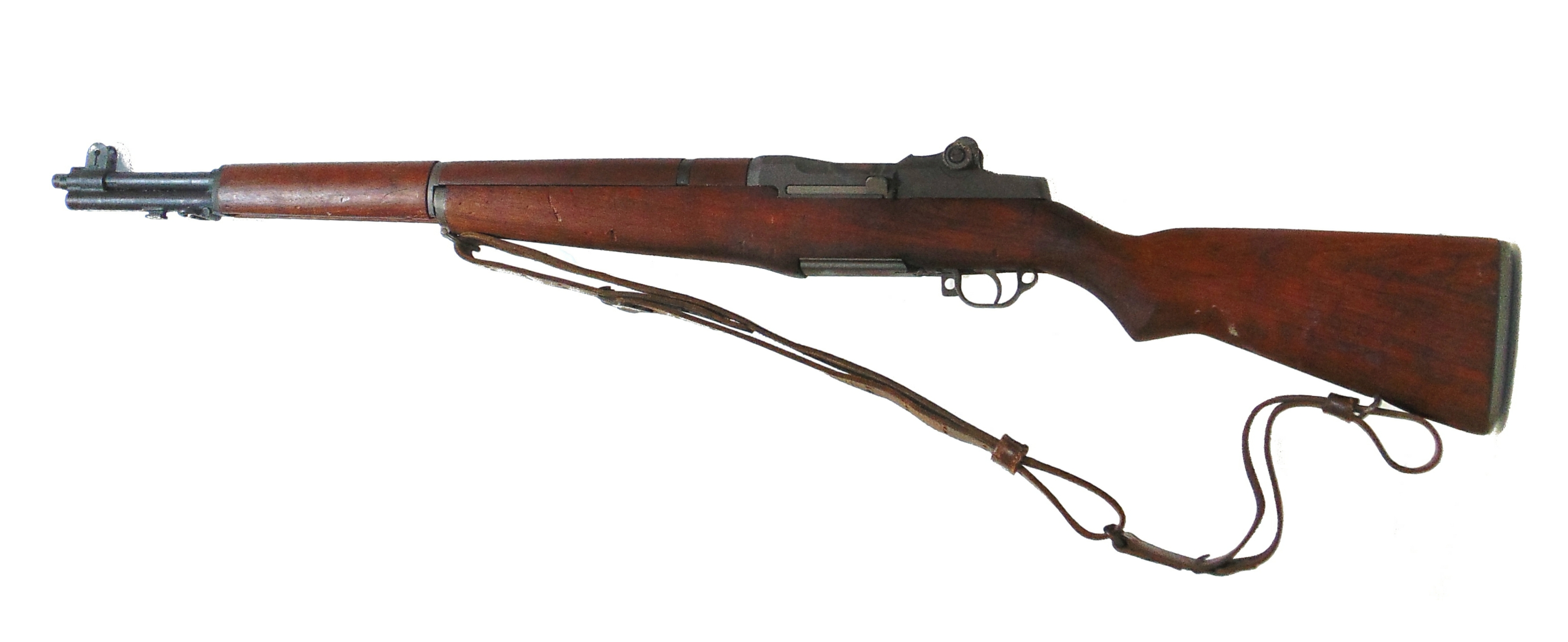
Battle Rifles Vs Other Firearms
Battle rifles occupy a unique spot among firearms. They bridge the gap between power and versatility. These rifles fire larger rounds than assault rifles, offering more range and stopping power. They are designed for soldiers who need accuracy and strength in one package.
Understanding how battle rifles differ from other guns helps clarify their role. Comparing them to assault and sniper rifles reveals key differences in use and design. This comparison guides anyone curious about firearms to grasp their strengths.
Battle Rifles And Assault Rifles
Battle rifles shoot full-power rifle cartridges, like the 7.62x51mm NATO. Assault rifles use smaller, intermediate rounds, such as 5.56x45mm NATO. This makes assault rifles lighter and easier to control during rapid fire.
Battle rifles often have longer barrels, which improve accuracy at longer distances. Assault rifles focus on close to medium-range combat. They offer faster firing rates and lighter ammunition.
Battle rifles weigh more and produce stronger recoil. This makes them harder to handle quickly. Assault rifles are more suited for fast, mobile fighting. Both have strengths depending on the mission.
Comparison With Sniper Rifles
Sniper rifles focus on extreme accuracy over very long distances. They use powerful cartridges but are often single-shot or bolt-action. Battle rifles allow quicker follow-up shots and better versatility.
Battle rifles serve general infantry roles. Sniper rifles serve specialists who require precise shots from far away. Sniper rifles have better optics and custom features for marksmanship.
Both rifles require skill to use effectively. Battle rifles balance power and rate of fire. Sniper rifles prioritize precision and range over rapid shooting.
Modern Usage
Battle rifles remain important in today’s world. These rifles provide power and range. They suit many roles on the battlefield and beyond. Their design has kept them relevant despite new weapon types.
Current Military Roles
Many armies still use battle rifles. They serve as standard weapons for infantry soldiers. Their strong cartridges offer longer reach than assault rifles. Snipers and designated marksmen also prefer some battle rifles. These rifles help in open areas and tough fights. Some forces keep battle rifles for special missions and backup roles.
Civilian And Sporting Use
Battle rifles attract gun collectors and sport shooters. They are popular for target shooting and hunting. Their accuracy and power make them good for large game. Some people enjoy shooting battle rifles at ranges. Owners appreciate their historic value and rugged build. Legal restrictions vary, but many civilians own battle rifles safely.
Frequently Asked Questions
What Defines A Battle Rifle?
A battle rifle is a military firearm firing full-power rifle cartridges. It balances range, power, and accuracy for combat use. They typically use 7. 62x51mm NATO rounds. Battle rifles differ from assault rifles by their larger caliber and longer effective range.
How Does A Battle Rifle Differ From An Assault Rifle?
Battle rifles use full-power cartridges, while assault rifles use intermediate rounds. Battle rifles offer more range and stopping power. Assault rifles are lighter and better for close combat. This makes battle rifles suitable for longer-range engagements.
What Are Common Examples Of Battle Rifles?
Famous battle rifles include the M14, FN FAL, and HK G3. Each uses 7. 62x51mm NATO ammunition. They have been widely adopted by various military forces worldwide. Their design focuses on durability and reliability.
Why Are Battle Rifles Less Common Today?
Battle rifles are heavier and produce more recoil than assault rifles. Modern militaries favor lighter, more controllable weapons for rapid fire. Assault rifles offer better versatility in different combat scenarios. This shift reduced battle rifle usage in recent decades.
Conclusion
Battle rifles hold a special place in firearm history. They offer power, range, and reliability in one package. Many armies chose them for tough combat situations. These rifles blend the qualities of rifles and machine guns. Knowing what a battle rifle is helps understand military gear better.
They remain popular among collectors and shooters today. Simple design and strong performance make them stand out. Remember, battle rifles are more than just weapons—they tell stories of past battles.

