
Have you ever wondered what makes a carbine different from other guns? Whether you’re curious about firearms or just want to understand the basics, knowing what a carbine is can give you a clearer picture.
This small but powerful weapon has a unique design that sets it apart, and it might be exactly what you’re looking for. Keep reading, and you’ll discover why carbines are popular, how they work, and what makes them special compared to rifles or pistols.
Your next conversation about guns will be much sharper with this knowledge.
Carbine Basics
The carbine is a type of firearm with a rich history and unique design. It is smaller and lighter than a standard rifle. This makes it easier to carry and use in tight spaces. Understanding the basics of a carbine helps you see why it remains popular.
Carbines are used by soldiers, hunters, and law enforcement. Their size and power offer a good balance for many situations. Below, we explore what defines a carbine, where it started, and how it differs from rifles.
Definition And Key Features
A carbine is a short-barreled firearm similar to a rifle. It usually fires the same type of ammunition as a rifle but is lighter and more compact. Key features include a shorter barrel, reduced weight, and easier handling. This makes the carbine ideal for close-range use.
Its compact size allows quick movement and faster aiming. Despite being smaller, many carbines maintain good accuracy and power. This balance is why carbines remain a favored choice for many users.
Historical Origins
Carbines first appeared in the 19th century. Cavalry soldiers needed weapons that were easier to carry on horseback. The long rifle was heavy and hard to manage while riding. Carbines solved this problem with their short barrels and light weight.
Over time, carbines became standard issue in many armies. They evolved with new technology but kept their compact design. Today, carbines serve in military, law enforcement, and civilian markets worldwide.
Difference Between Carbine And Rifle
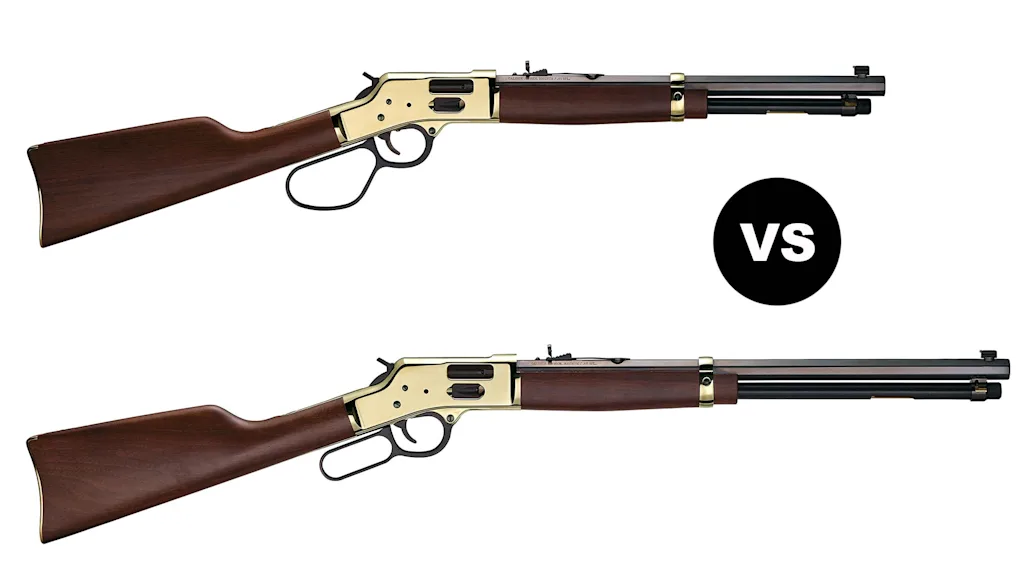
The main difference is size. Rifles have longer barrels and are heavier. Carbines have shorter barrels and weigh less. This affects how they handle and where they are best used.
Rifles are better for long-range shooting due to longer barrels. Carbines work well in close quarters and fast movements. Both use similar ammunition, but their design suits different needs.
Types Of Carbines
Carbines come in several types. Each type serves a specific purpose. Understanding these types helps you know their uses and features.
Military Carbines
Military carbines are shorter rifles used by soldiers. They are lighter and easier to carry. These carbines work well in close combat and tight spaces. Many armies use them for quick response. Examples include the M4 and the AK-47 carbine versions.
Civilian Carbines
Civilian carbines are made for hunting and sport shooting. They are similar to military carbines but often have less power. These firearms are popular for home defense too. They offer good accuracy with less recoil. Legal rules usually control their use and ownership.
Specialty Carbines
Specialty carbines serve unique roles. They include models for law enforcement and tactical teams. Some focus on precision shooting or compact size. Others may have custom features for specific missions. These carbines meet special needs beyond general use.
Advantages Of Carbines
Carbines offer several clear advantages that make them a popular choice. Their design focuses on balance and ease of use. These qualities suit many different situations, from personal defense to professional use.
The benefits of carbines come from their size, handling, and adaptability. These features help users perform better in tight spaces and fast-paced conditions.
Compact Size Benefits
Carbines are smaller than standard rifles. This compact size helps with easy storage and transport. It also fits better in small vehicles or crowded areas. The smaller size means less weight to carry. This reduces fatigue during long missions or hikes.
Maneuverability In Combat
Carbines allow quick movement in tight spots. They work well inside buildings or dense forests. Users can aim and shoot faster with less effort. This agility can be critical in close combat situations. It gives a clear edge in fast-changing environments.
Ease Of Use And Handling
Carbines are simple to operate for most people. Their lighter weight and shorter length make handling easier. Beginners find it less intimidating than larger firearms. The controls are often straightforward, aiding quick learning. This ease helps maintain accuracy and control under stress.
Common Calibers And Ammunition
Carbines use various types of ammunition and calibers. These choices affect their use, power, and handling. Understanding common calibers helps you pick the right carbine for your needs.
Popular Carbine Calibers
Many carbines use the 5.56x45mm NATO cartridge. This caliber is common in military and civilian guns. Another popular choice is the 7.62x39mm round. It offers more stopping power and is often found in rugged designs.
The .300 AAC Blackout is gaining attention for its versatility. It works well in short barrels and suppressors. Some carbines also use pistol calibers like 9mm for close-range use.
Ammunition Compatibility
Not all carbines accept every type of ammo. Each gun is made for certain calibers and cartridge sizes. Using the wrong ammo can cause malfunctions or damage. Always check the manufacturer’s recommendations.
Some carbines can use standard rifle ammo. Others need special rounds designed for compact guns. Ammunition choice affects reload speed and availability too.
Impact On Performance
Caliber and ammo type directly influence carbine performance. Smaller calibers often have less recoil, making shots easier to control. Larger calibers deliver more energy, which can improve stopping power.
Ammo weight and velocity affect accuracy and range. Lighter rounds travel faster but may drop quicker. Heavier rounds hold their path longer but can slow the shooter down.
Choosing the right caliber balances power, control, and purpose. It determines how well the carbine performs in the field.
Famous Carbine Models
Carbines have a rich history and many famous models stand out. These weapons are known for their shorter barrels and lighter weight. They offer easy handling and good accuracy. Many have been used by military and law enforcement worldwide.
Each famous carbine model has unique features and a strong legacy. They show how carbines evolved over time to fit different needs.
M1 Carbine
The M1 Carbine is a classic American firearm. It was used heavily during World War II. Soldiers liked it for being light and easy to carry. The M1 Carbine fires a smaller round than a rifle. This made it less powerful but easier to control. It helped troops in close combat and support roles.
Ar-15 Variants
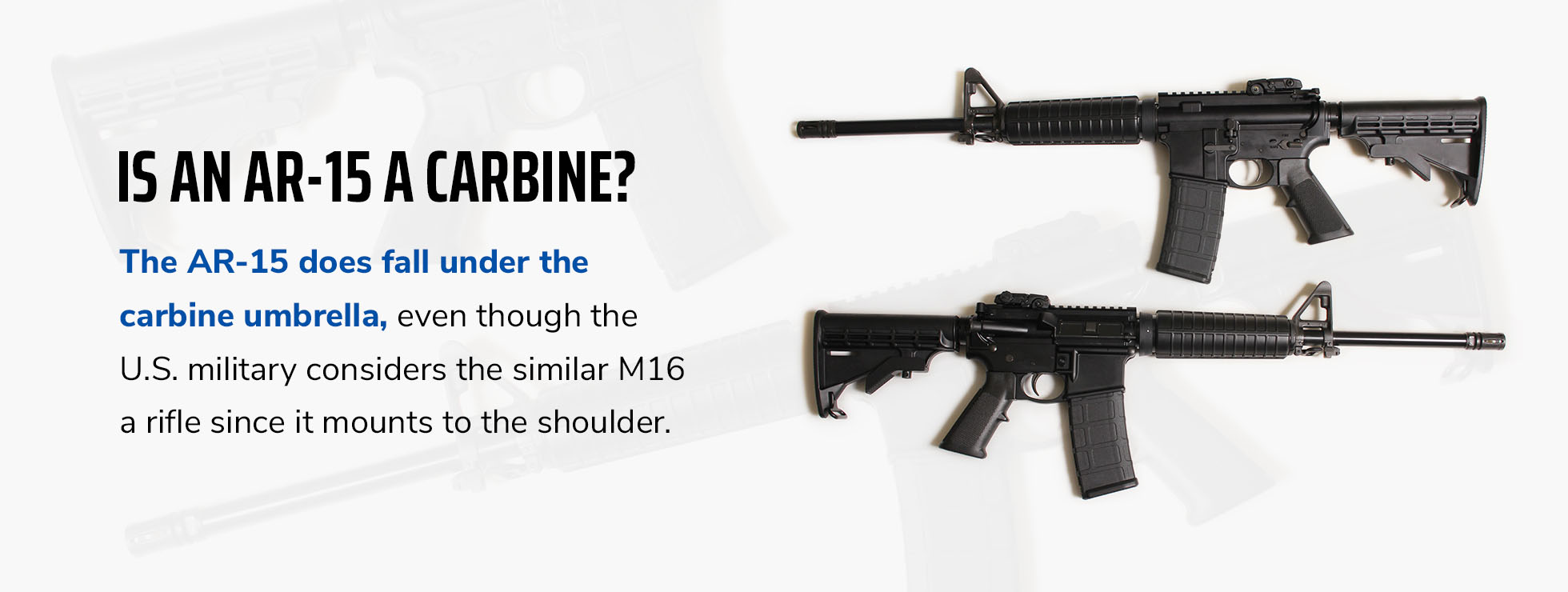
The AR-15 platform is one of the most popular carbines today. It is known for its modular design. Users can customize parts to fit their needs. The AR-15 fires a 5.56mm round, good for accuracy and range. Many law enforcement agencies and civilians use it worldwide. Its variants include models with different barrel lengths and features.
Other Notable Models
Several other carbines made their mark in history. The Ruger Mini-14 is loved for its reliability. The HK33 carbine offers compact size and power. The SKS carbine was widely used during the Cold War. Each model serves different roles, from hunting to tactical uses. These carbines continue to influence firearm design today.

Legal Considerations
Understanding the legal considerations around carbines is important before owning one. Laws vary by place and can be complex. Knowing the rules helps avoid legal trouble and ensures responsible ownership. Below are key legal points about carbines.
Ownership Regulations
Many areas require a license to own a carbine. Background checks are often mandatory. Some places ban certain types of carbines. Age limits may apply to buyers. Always check local laws before purchasing a carbine.
Transport And Use Restrictions
Rules about carrying a carbine differ widely. Some regions require it to be unloaded during transport. Others demand it be stored in a locked case. Using a carbine in public may need special permission. Hunting with carbines is also regulated in many areas.
International Differences
Carbine laws vary greatly between countries. Some nations have strict bans on carbines. Others allow ownership but limit magazine size or modifications. Importing a carbine can require permits and inspections. Travelers should research laws before crossing borders with a carbine.
Carbine Maintenance Tips
Proper maintenance keeps your carbine working safely and smoothly. Regular care prevents damage and extends its life. Follow simple steps to maintain your carbine well.
Cleaning Essentials
Clean your carbine after every use. Use a soft brush to remove dirt and powder residue. Apply cleaning solvent to loosen grime. Wipe down metal parts with a clean cloth. Lubricate moving parts lightly to avoid rust and wear.
Routine Checks
Inspect your carbine before each use. Check the barrel for obstructions or damage. Ensure the sights are aligned and secure. Test the trigger and safety mechanisms. Look for loose screws or worn parts and tighten or replace them.
Storage Best Practices
Store your carbine in a cool, dry place. Use a gun safe or locked cabinet for safety. Keep it unloaded and separate from ammunition. Use a silicone cloth to wipe down the metal before storage. Avoid damp areas to prevent rust and corrosion.
Frequently Asked Questions
What Defines A Carbine Firearm?
A carbine is a shorter, lighter rifle designed for easy handling. It offers good accuracy with enhanced portability. Carbines are ideal for close to mid-range combat and are popular in military and law enforcement.
How Does A Carbine Differ From A Rifle?
Carbines have shorter barrels and lighter weight than rifles. They sacrifice some range and power for better maneuverability. This makes carbines more suitable for tight spaces and quick movement.
What Are Common Uses Of Carbines Today?
Carbines are used by military, police, and civilians. They excel in urban combat, hunting, and sport shooting. Their compact size makes them versatile for various tactical situations.
Are Carbines Less Accurate Than Full Rifles?
Carbines may have slightly reduced accuracy due to shorter barrels. However, modern carbines maintain effective precision at typical engagement distances. They balance accuracy with ease of use.
Conclusion
A carbine is a shorter, lighter type of rifle. It offers easy handling and quick use. Many find it useful for close to mid-range shooting. Its design suits both military and civilian needs. Understanding carbines helps you choose the right firearm.
Simple, practical, and effective—carbines stay popular worldwide. Keep these points in mind when learning about firearms. A carbine combines power with convenience. It remains a solid option for many users.

