
Have you ever wondered what makes a single-shot rifle different from other guns? If you’re curious about how this simple yet powerful firearm works, you’re in the right place.
A single-shot rifle may seem old-fashioned, but it offers unique advantages that might surprise you. Whether you’re a beginner looking to understand the basics or someone interested in hunting or shooting sports, knowing what a single-shot rifle is can change how you see firearms.
Keep reading, and you’ll discover why this straightforward rifle could be exactly what you need.

Single-shot Rifle Basics
A single-shot rifle is one of the simplest types of rifles. It holds only one bullet at a time. This makes it different from other rifles that can hold several bullets. Single-shot rifles have been used for many years. They are popular for hunting and target shooting. Understanding the basics helps you learn why some people prefer this rifle type.
Key Features
Single-shot rifles have a few main features. They have no magazine or clip. The shooter must load each bullet manually. The rifle is usually lighter and simpler. This makes it easy to carry and clean. The design is often very strong and reliable. Many models have a break-action or bolt-action mechanism. These rifles focus on accuracy and precision.
How It Works
The shooter places one bullet into the chamber. Then, they close the rifle’s action to lock it. When the trigger is pulled, the firing pin strikes the bullet. This causes the bullet to fire out of the barrel. After shooting, the shooter opens the action to remove the used cartridge. Then, they load a new bullet to shoot again. This process takes longer than repeating rifles but allows careful aiming.
Types Of Single-shot Rifles
Single-shot rifles come in different types. Each type uses a unique mechanism to load and fire one round at a time. Understanding these types helps you appreciate their design and use. Here are the main types of single-shot rifles.
Break-action
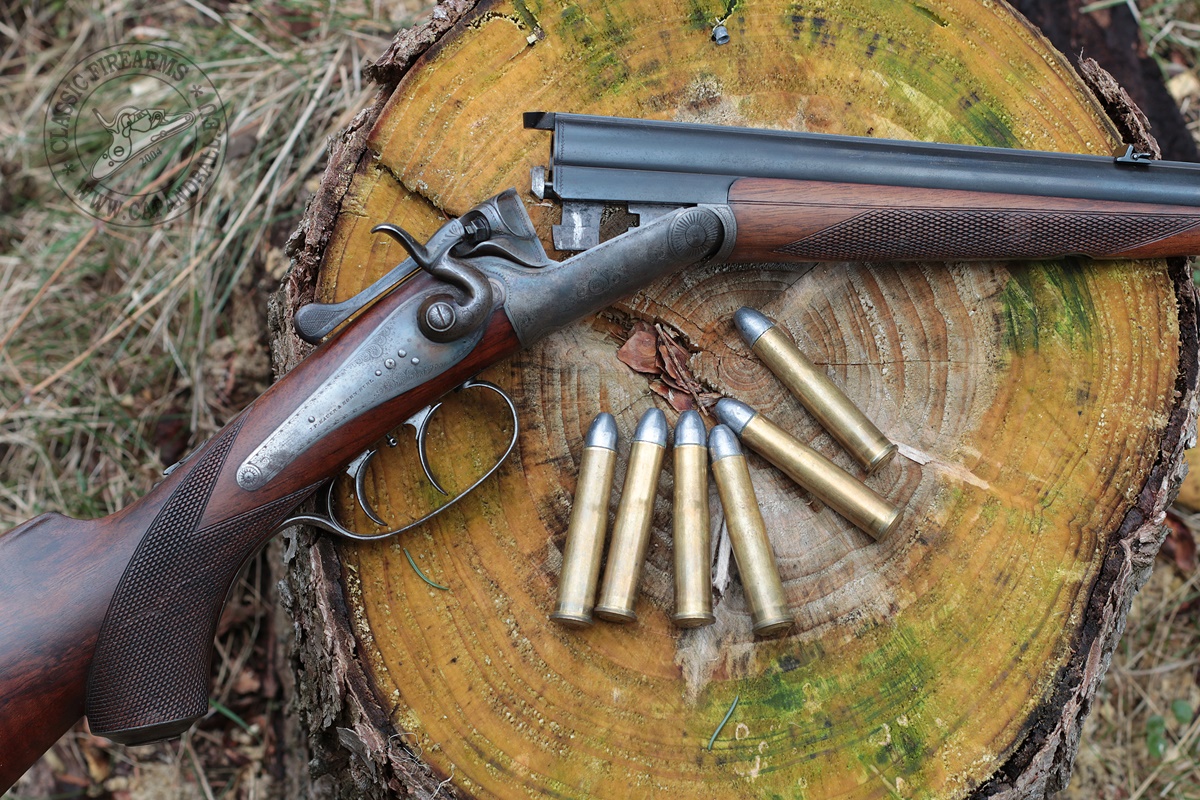
The break-action rifle has a hinge that allows the barrel to tilt down. This exposes the chamber for loading one cartridge. It is simple and easy to use. You open the rifle, insert a round, and close it to fire. Break-action rifles are popular for hunting and target shooting.
Falling Block
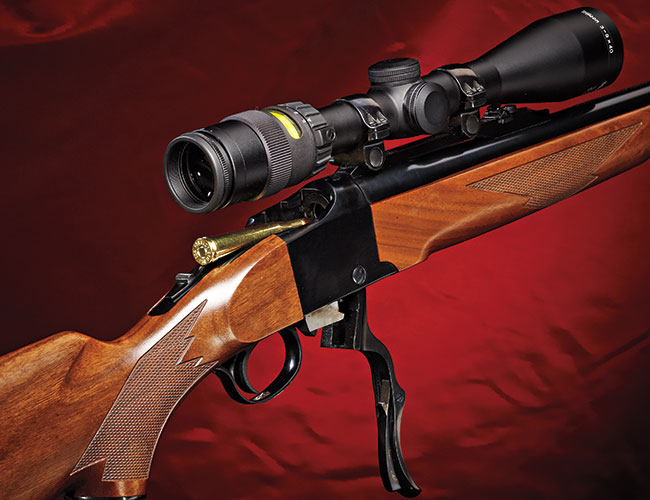
In a falling block rifle, the breechblock slides down to open the chamber. You place one cartridge in the chamber, then push the block up to seal it. This type offers a strong lock-up and good accuracy. It is often used in precision shooting and big game hunting.
Rolling Block
The rolling block rifle uses a rotating breechblock. You roll the block back to open the chamber. Insert a cartridge, then roll the block forward to close it. This design is very simple and durable. Rolling block rifles were popular in the 19th century and still have a loyal following today.
Advantages Of Single-shot Rifles
Single-shot rifles offer unique advantages that appeal to many shooters. Their design focuses on precision, ease of use, and portability. These traits make them ideal for beginners and experienced marksmen alike. Understanding these benefits helps appreciate why many prefer single-shot rifles.
Accuracy Benefits
Single-shot rifles often provide higher accuracy than other rifles. The fixed barrel and solid action reduce movement during firing. Without a magazine, the rifle balances better in the hand. Shooters can focus on each shot, improving precision.
Simplicity And Reliability
The simple mechanism makes single-shot rifles very reliable. Fewer moving parts mean less chance of malfunction. They are easy to clean and maintain. Shooters spend less time fixing and more time shooting.
Lightweight Design
Single-shot rifles usually weigh less than other rifles. The absence of a magazine and complex parts reduces weight. This makes carrying the rifle easier, especially on long trips. Lightweight rifles help shooters stay steady and comfortable.
Disadvantages To Consider
Single-shot rifles have clear benefits but also some drawbacks. Understanding these helps decide if this type suits your needs. Here are some disadvantages to consider.
Slower Reloading
Single-shot rifles require manual reloading after each shot. This process is slower than semi-automatic or bolt-action rifles. You must open the action, remove the spent cartridge, insert a new round, and close it. This takes time, especially under pressure. It limits the number of shots you can fire quickly.
Limited Capacity
These rifles hold only one round at a time. There is no magazine or multiple rounds available. You cannot fire several shots without stopping to reload. This limited capacity may affect hunting or self-defense situations. Fewer rounds mean fewer chances to hit a target quickly.
Popular Uses
Single-shot rifles have clear and focused uses. They serve well in different activities where precision matters. Their simplicity and reliability make them a favorite choice for many users.
Hunting
Hunters often choose single-shot rifles for their accuracy. These rifles force careful aiming before each shot. This helps improve marksmanship over time. They are ideal for hunting small to medium animals. The single-shot design encourages patience and precision. Hunters value the quiet operation and lightweight design.
Target Shooting
Target shooters use single-shot rifles to practice skill. These rifles allow focus on each individual shot. They help shooters develop better control and accuracy. The slow pace teaches careful breathing and steady hands. Many target competitions include categories for single-shot rifles. They offer a pure shooting experience without distractions.
Survival Situations
In survival scenarios, single-shot rifles prove useful and reliable. Their simple mechanism reduces the chance of failure. They are easy to clean and maintain in harsh conditions. Single-shot rifles are lightweight and easy to carry. They can be used for hunting food or self-defense. Their durability makes them a trusted tool in the wild.
Choosing Your First Single-shot Rifle
Choosing your first single-shot rifle can feel simple or tricky. This rifle type is great for beginners and experts. It offers easy handling and clear focus on each shot. Picking the right model helps you enjoy shooting more. Some choices affect comfort, accuracy, and ease of use. Consider a few key features to find the best fit for your needs.
Caliber Selection
Caliber means the size of the bullet the rifle uses. Smaller calibers have less recoil. They are easier to control and good for target practice. Larger calibers have more power and range. They suit hunting bigger animals. Think about what you plan to do. Pick a caliber that matches your experience and purpose.
Barrel Length
Barrel length changes how the rifle feels and shoots. Longer barrels help with accuracy at long distances. They can be heavier and harder to carry. Short barrels make the rifle lighter and easier to handle. They work better in tight spaces. Choose a barrel length that fits your comfort and shooting style.
Stock Materials
The stock is the part you hold and shoulder. Different materials affect weight and durability. Wood stocks look classic and feel natural. They can be heavier and need care. Synthetic stocks resist weather and damage. They are lighter and easy to maintain. Think about where you will use the rifle and choose the right stock material.
Maintenance Tips
Proper maintenance keeps a single-shot rifle in good shape. It helps the rifle work well and last longer. Regular care prevents rust and damage. Follow simple steps to maintain your rifle safely and effectively.
Cleaning Routine
Clean the rifle after every use. Start by removing the barrel and other parts carefully. Use a soft brush to remove dirt and powder residue. Apply gun oil to metal parts to stop rust. Wipe the rifle with a clean cloth. Check the barrel for obstructions before reassembling.
Storage Advice
Store the rifle in a dry place. Avoid areas with high humidity or direct sunlight. Use a gun safe or locked cabinet for safety. Keep the rifle unloaded while storing. Place moisture-absorbing packets near the rifle. Regularly inspect the rifle to catch any issues early.
Safety Practices
Safety is the most important part of using a single-shot rifle. Understanding how to handle and transport the rifle protects you and others. It helps prevent accidents and keeps the shooting experience safe and enjoyable. Follow clear rules every time you use the rifle.
Handling Guidelines
Always keep the rifle pointed in a safe direction. Treat every rifle as if it is loaded. Keep your finger off the trigger until ready to shoot. Check the barrel for any obstructions before loading. Use the correct ammunition for your rifle. Store the rifle unloaded when not in use. Wear eye and ear protection during shooting. Stay alert and focused at all times.
Transporting Safely
Unload the rifle before moving it. Use a strong case to protect the rifle during transport. Keep the rifle out of reach of children. Carry the rifle with the muzzle pointing down or in a safe direction. Follow local laws for transporting firearms. Never carry a loaded rifle in public places. Make sure the rifle is secure in your vehicle.
Frequently Asked Questions
What Defines A Single-shot Rifle?
A single-shot rifle holds and fires only one cartridge at a time. After each shot, you must manually reload before firing again. This design emphasizes precision and simplicity, making it ideal for target shooting and hunting.
How Does A Single-shot Rifle Work?
You load one cartridge directly into the chamber. After firing, you manually eject the spent casing. This process repeats for each shot, requiring deliberate action, which enhances focus and accuracy.
What Are The Advantages Of Single-shot Rifles?
Single-shot rifles offer high accuracy due to their simple design. They are lightweight, reliable, and easy to maintain. This makes them popular among hunters and precision shooters who value control over rapid fire.
Are Single-shot Rifles Suitable For Hunting?
Yes, they are excellent for hunting. Their precision allows for clean, ethical shots at various distances. Hunters appreciate their reliability and the challenge they present, promoting better marksmanship.
Conclusion
A single-shot rifle offers simplicity and reliability in one package. It holds only one bullet at a time. This design teaches patience and careful aiming. Many hunters and shooters appreciate its straightforward use. It also helps improve shooting skills. Though slower than other rifles, it suits specific needs well.
Understanding this rifle type broadens your firearm knowledge. Trying one can bring a new shooting experience. A simple tool, yet effective in many ways.

