
Have you ever wondered what makes a sniper rifle so special? Whether you’re curious about its unique design or how it’s used with such precision, understanding a sniper rifle can open a whole new world of knowledge.
This isn’t just any gun—it’s a tool built for accuracy, stealth, and power. Keep reading, and you’ll discover what sets a sniper rifle apart, why it’s important, and how it works in ways that might surprise you. Your curiosity is about to be rewarded with clear, simple answers.
Basics Of Sniper Rifles
Sniper rifles are specialized guns designed for long-distance shooting. They help shooters hit targets far away with great accuracy. These rifles are used by military, police, and sometimes hunters. Understanding their basics helps you know what makes them different from other guns.
Sniper rifles have unique features that improve precision. They come in various sizes and use different bullet types. Knowing these details helps explain how they work and why they are effective.
Key Features
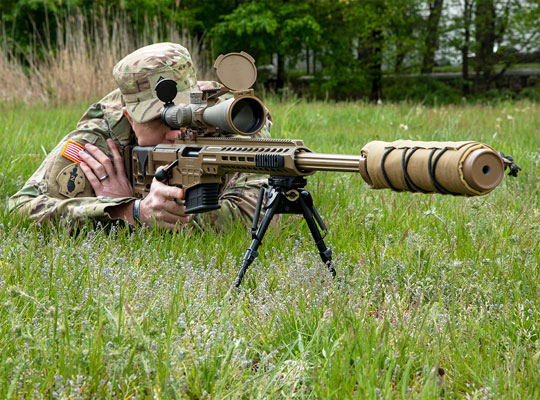
Sniper rifles have strong scopes for clear and zoomed views. They use heavy barrels to reduce shaking and improve accuracy. The stocks are often adjustable to fit the shooter well. These rifles also have special triggers for smooth firing. Stability and precision are the main goals of these features.
Common Calibers
Caliber means the bullet size the rifle uses. Common calibers include .308 Winchester and .300 Winchester Magnum. Smaller calibers like 5.56mm are used for closer targets. Larger calibers like .50 BMG hit targets over long distances. The choice depends on the mission and distance needed.
Types Of Sniper Rifles
There are bolt-action and semi-automatic sniper rifles. Bolt-action rifles require manual operation after each shot. They are known for high accuracy. Semi-automatic rifles fire quickly but may be less precise. Some sniper rifles are designed for urban use, others for open fields. Each type suits different shooting needs.
Components Of A Sniper Rifle
A sniper rifle is more than just a long gun. It has many parts that work together for accuracy and power. Each component plays a key role in how the rifle performs. Understanding these parts helps you know what makes a sniper rifle special.
The design focuses on precision shooting. Every element is made to improve stability and aim. Let’s explore the main components of a sniper rifle.
Barrel And Muzzle
The barrel guides the bullet when fired. It is usually long and made of strong steel. A longer barrel helps the bullet fly straighter and faster. The muzzle is the end of the barrel. Some sniper rifles have a muzzle brake. This reduces recoil and keeps the rifle steady after shooting.
Stock And Chassis
The stock is the part held against the shoulder. It provides support and comfort. Stocks can be made from wood, plastic, or metal. A chassis is a frame that holds the rifle parts tightly. It adds strength and helps with accuracy. Some stocks are adjustable to fit the shooter’s body.
Optics And Sights
Optics let the shooter see distant targets clearly. These include scopes with zoom lenses. Scopes have crosshairs or reticles to aim precisely. Some rifles also have backup iron sights for close targets. Good optics improve target identification and shot placement.
Trigger Mechanism
The trigger starts the firing process. It must be smooth and easy to pull. A light trigger pull helps avoid moving the rifle off target. Some sniper rifles have adjustable triggers. This lets the shooter set the pull weight to their preference.
How Sniper Rifles Work
Understanding how sniper rifles work helps explain their unique role on the battlefield. These rifles use precise engineering and careful calculations to hit targets far away. Every part, from the bullet to the scope, plays a role in making accurate shots.
Ballistics And Trajectory
Ballistics is the science of how bullets move after firing. It studies the bullet’s path, called trajectory. A sniper must predict this path to aim correctly. Gravity pulls the bullet down as it flies. Wind can push it sideways. The bullet also slows down over distance. Snipers adjust their aim to match these changes.
Effective Range
Effective range is the distance a sniper rifle can hit targets accurately. This range depends on the rifle and bullet type. Most sniper rifles work well up to 1,000 yards. Some advanced rifles can reach even further. Beyond this, accuracy drops sharply. Snipers train to know their rifle’s limits well.
Accuracy Factors
Accuracy depends on many factors. The rifle’s build quality matters a lot. The bullet’s weight and shape affect flight. The shooter’s skill is crucial. They must control breathing and trigger pull. The scope’s clarity helps aim precisely. Even weather conditions like rain or fog can affect shots. All these elements combine for a perfect shot.
Choosing The Right Sniper Rifle
Choosing the right sniper rifle takes careful thought. Each rifle serves a different purpose. Picking the best one depends on your needs and skills. Understanding key factors helps make a smart choice.
Purpose And Use Case
Consider what you need the rifle for. Long-distance shooting requires a different rifle than close-range. Military use demands rugged, reliable models. Hunting needs rifles that balance power and precision. Match the rifle to the environment and task.
Weight And Portability
Rifle weight affects how easy it is to carry. Heavier rifles may offer more stability but tire you out faster. Lighter rifles are easier to move with but may have more recoil. Think about how far you must travel. Pick a rifle that suits your strength and mobility.
Customization Options
Look at how much you can change the rifle. Adjustable scopes improve aiming at different distances. Swappable parts let you tailor the rifle to your style. Some rifles allow adding silencers or bipods. Customization helps improve comfort and performance.
Techniques For Precision Shooting
Precision shooting is key to effective sniper rifle use. It demands more than just aiming well. Several techniques help shooters hit targets accurately at long distances. These methods improve focus, stability, and timing. The following techniques are essential for anyone wanting to shoot with precision.
Breathing Control
Breathing affects aim more than many think. Holding breath at the right moment steadies the rifle. Shooters usually inhale deeply, then exhale halfway. They pause their breath to take the shot. This pause reduces body movement and helps keep the sight steady.
Trigger Discipline
Trigger control means pressing the trigger smoothly. Jerking or pulling the trigger can move the rifle off target. The shooter applies slow, steady pressure with the finger. This prevents sudden movements and keeps the shot accurate.
Positioning And Stance
Good positioning offers a stable base for shooting. Snipers use prone, kneeling, or sitting stances. The body must be aligned behind the rifle. Supporting elbows on the ground or knees adds stability. A firm stance reduces sway and improves control.
Wind And Environmental Adjustments
Wind changes bullet path significantly over long distances. Snipers learn to read wind speed and direction. They adjust aim to the left or right to compensate. Other factors like temperature and humidity also affect the shot. Adjusting for these conditions increases the chance of hitting the target.
Famous Sniper Rifles In History
Sniper rifles have shaped history through their precision and power. Some models became famous for their role in wars and conflicts worldwide. These rifles show how technology and skill combine on the battlefield. Understanding these rifles helps appreciate their impact on military tactics and outcomes.
Military Classics
Classic sniper rifles set the foundation for modern designs. The M1903 Springfield was a key rifle in World War I and II. It offered high accuracy and reliability. The Mosin-Nagant, used by Soviet forces, gained fame during World War II. Its rugged design worked well in harsh conditions. Another classic is the Lee-Enfield No. 4, favored by British snipers. Its fast bolt action and good range made it effective in many battles.
Modern Innovations
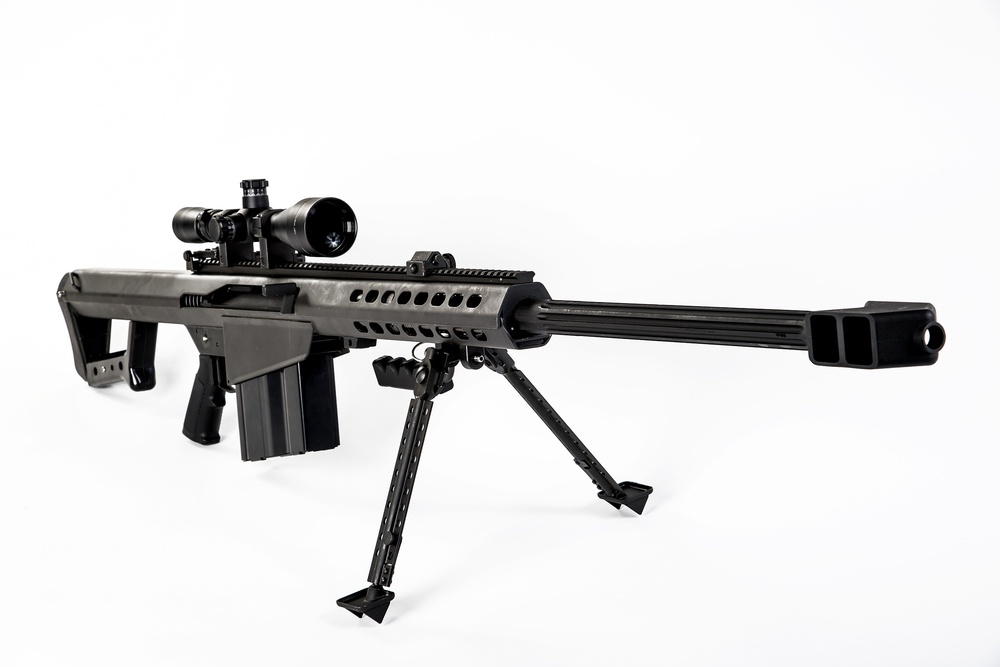
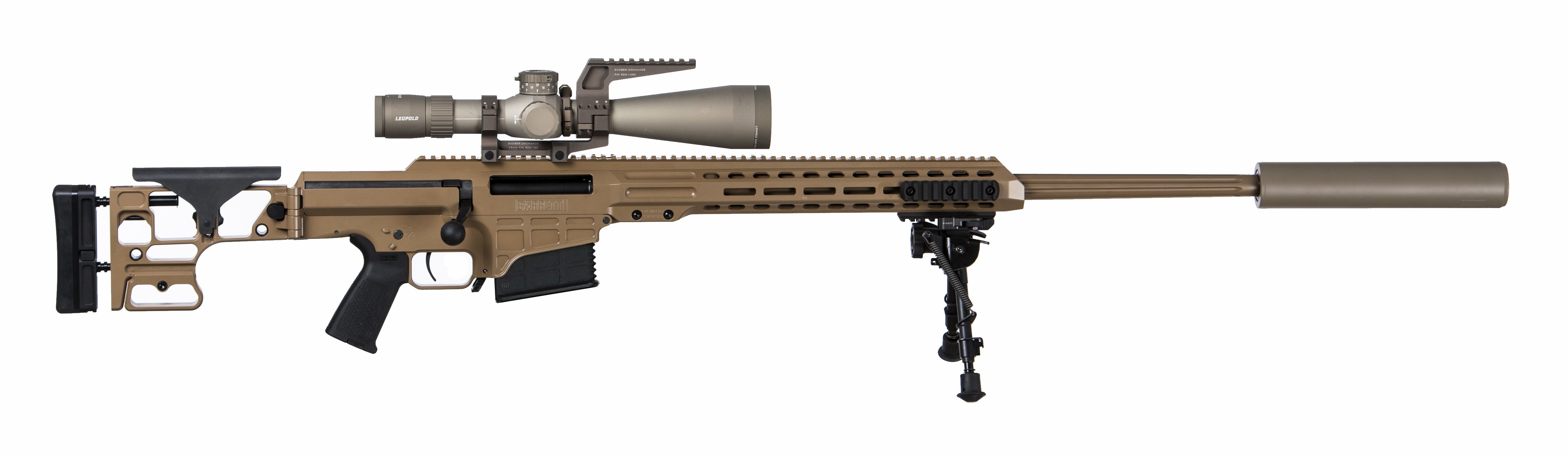
Modern sniper rifles combine technology and precision engineering. The Barrett M82 stands out for its long-range power. It can disable vehicles and targets at great distances. The Accuracy International AXMC is popular in many armies. It offers modularity and excellent accuracy. New materials and optics improve sniper performance today. These rifles show how sniper technology continues to evolve.
Maintenance And Care
Proper maintenance and care keep a sniper rifle reliable and accurate. Regular attention prevents rust, dirt buildup, and mechanical issues. This section explains key steps to maintain your sniper rifle effectively.
Cleaning Procedures
Start by disassembling the rifle carefully. Use a cleaning rod and patches to clean the barrel. Apply solvent to remove carbon and residue. Wipe all metal parts with a cloth. Lightly oil moving parts to avoid rust. Clean the scope lenses with a soft cloth only.
Storage Tips
Store the rifle in a dry, cool place. Use a gun safe or locked cabinet for security. Keep the rifle in a padded case to prevent scratches. Avoid damp areas to stop rust formation. Remove ammunition before storing the rifle. Check humidity levels to protect metal parts.
Routine Inspections
Inspect your rifle before and after use. Check for loose screws or damaged parts. Look for signs of rust or dirt. Test the trigger and bolt for smooth operation. Verify the scope remains firmly attached. Fix any issues immediately to maintain safety and performance.
Legal And Ethical Considerations
Sniper rifles are powerful tools that require careful handling. Understanding the legal and ethical sides is very important. These rules protect people and ensure safety. Knowing what is allowed helps avoid serious trouble. Ethics guide responsible choices beyond the law.
Ownership Regulations
Many countries have strict laws about owning sniper rifles. Some require special licenses or permits. Background checks often confirm the owner is fit. Certain models may be banned or limited. Rules also control how rifles are stored and carried. Following these laws keeps communities safer.
Responsible Use
Using a sniper rifle demands respect and care. Only aim at legal and safe targets. Avoid actions that put people or animals in danger. Training helps users understand risks and proper handling. Ethical use means thinking about the impact on others. Responsibility ensures a safer environment for all.
Frequently Asked Questions
What Defines A Sniper Rifle Compared To Other Rifles?
A sniper rifle is designed for long-range precision shooting. It features high accuracy, powerful optics, and a stable build. Unlike standard rifles, it focuses on stealth and distance, allowing marksmen to hit targets accurately from hundreds of meters away.
How Does A Sniper Rifle Achieve High Accuracy?
Sniper rifles use specialized barrels, precise ammunition, and advanced optics. The rifle’s design minimizes recoil and barrel vibration. Skilled shooters also adjust for wind, distance, and elevation, ensuring each shot is highly accurate over long ranges.
What Are Common Uses Of Sniper Rifles?
Sniper rifles are used in military, law enforcement, and competitive shooting. They help neutralize threats from a distance and provide reconnaissance. In sports, they test precision and skill, making sniper rifles versatile tools for various professional and recreational purposes.
What Calibers Are Typical For Sniper Rifles?
Common sniper rifle calibers include. 308 Winchester,. 300 Winchester Magnum, and. 338 Lapua Magnum. These calibers balance power and accuracy for long-range shooting. The choice depends on mission requirements, target distance, and desired stopping power.
Conclusion
A sniper rifle is a precise and powerful firearm used for long-distance shooting. It helps shooters hit targets far away with great accuracy. These rifles need skill and practice to use well. Understanding the basics can help you appreciate their role in military and sport.
They combine technology and technique to perform best. Knowing what makes a sniper rifle special adds to your knowledge of firearms. Simple, strong, and exact—sniper rifles stand out in shooting sports and defense.

