Have you ever wondered how far a sniper rifle can accurately hit a target? Understanding the effective range of a sniper rifle can change the way you see precision shooting, whether you’re curious about military skills, hunting, or just fascinated by firearms.
You’ll discover what factors affect a sniper rifle’s reach and how experts make every shot count, even at extreme distances. Keep reading to unlock the secrets behind those incredible long-range shots and learn what really defines a sniper rifle’s power.
Sniper Rifle Basics
Sniper rifles are special guns made for shooting targets far away. They need to be very accurate and powerful. Understanding their basics helps to know how far they can shoot well. Many parts of a sniper rifle affect its performance and range.
This section explains the main types of sniper rifles and key parts that influence their effective range. Knowing these basics is important for anyone interested in long-distance shooting.
Types Of Sniper Rifles
Sniper rifles come in different types. Bolt-action rifles are common. They are very accurate but slower to shoot. Semi-automatic rifles shoot faster but may be less precise. Some rifles use heavy bullets for longer range. Others use lighter bullets for faster speed.
Each type has strengths. Military and police use different models based on mission needs. Hunters also pick rifles based on the game and distance.
Key Components Influencing Range
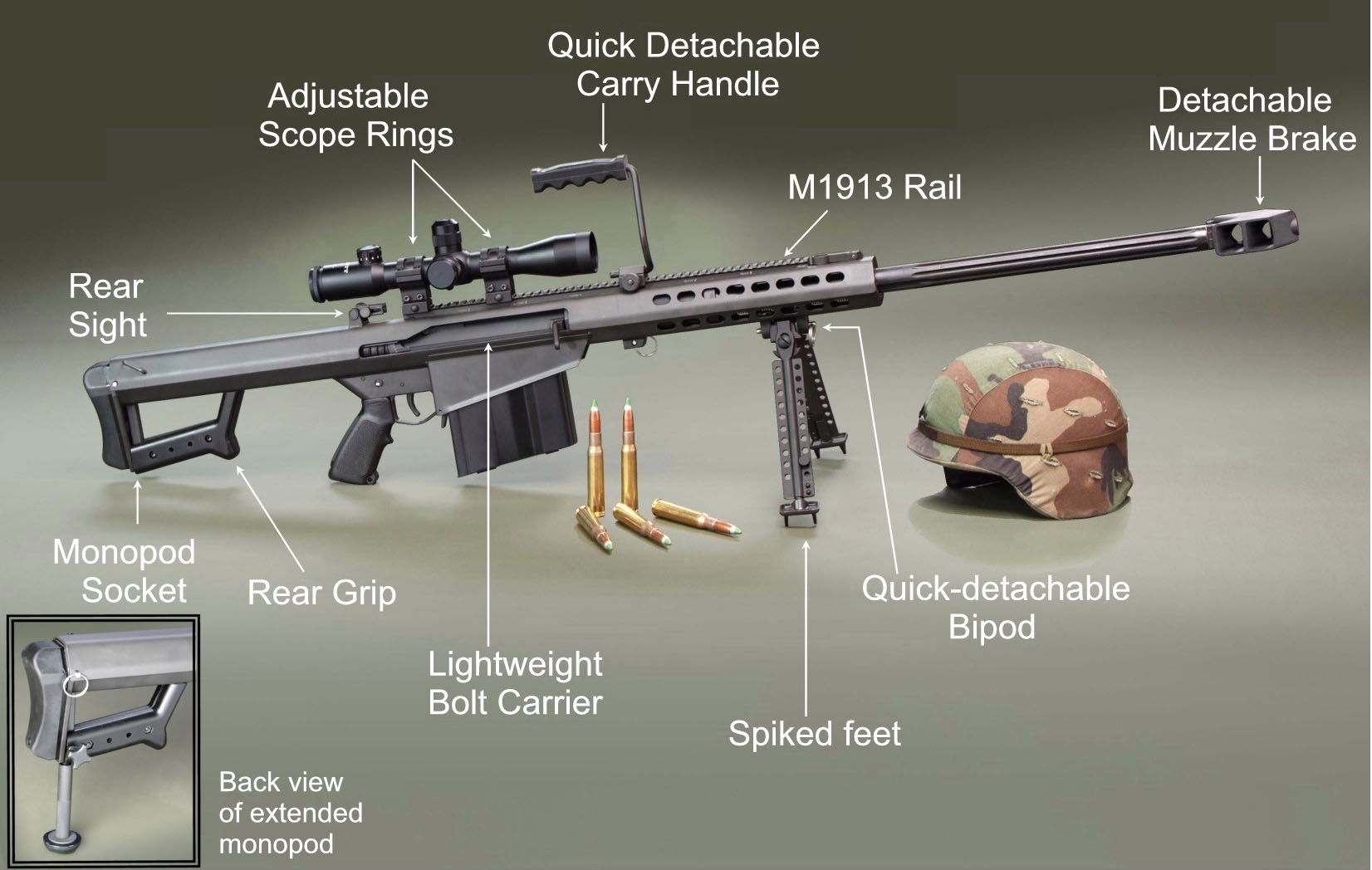
The barrel length affects bullet speed and accuracy. A longer barrel usually means better range. The rifle’s caliber, or bullet size, also matters. Bigger bullets carry more energy and travel farther.
Scopes help shooters see distant targets clearly. Good optics improve aiming and hit rate. The rifle’s stock and trigger also impact stability and control. These parts help the shooter stay steady for long shots.

Factors Affecting Effective Range
The effective range of a sniper rifle depends on several key factors. These factors influence how far a sniper can shoot accurately. Understanding each element helps explain the limits of a rifle’s performance.
Many variables affect the bullet’s flight and the shooter’s ability to hit the target. Some are related to the rifle itself, while others depend on the shooter and the environment.
Caliber And Ammunition
The caliber is the diameter of the bullet fired by the rifle. Larger calibers generally travel farther and hit harder. Ammunition quality also plays a big role. High-quality bullets fly straighter and maintain speed better. Different calibers and bullets have different effective ranges.
Barrel Length And Quality
The barrel length affects the bullet’s speed. A longer barrel allows the bullet to gain more velocity. Barrel quality impacts accuracy too. A well-made barrel produces consistent bullet paths. Worn or low-quality barrels reduce effective range and precision.
Optics And Sighting Systems
Clear and precise optics help the shooter see distant targets. Good scopes allow for better aiming at long distances. Sighting systems with adjustable magnification and reticles improve accuracy. Poor optics limit the effective range significantly.
Shooter Skill And Training
The shooter’s skill is crucial. Proper training helps manage breathing, trigger control, and posture. Experienced snipers can judge distance and adjust for wind better. Even the best rifle performs poorly in untrained hands.
Environmental Conditions
Weather and terrain affect bullet travel. Wind can push the bullet off course. Temperature changes impact air density and bullet speed. Humidity and altitude also play roles. Snipers must consider these factors for accurate shots.
Common Effective Ranges By Rifle Model
Understanding the effective range of sniper rifles depends on the rifle model. Each type has its typical range where it performs best. These ranges vary based on design, caliber, and intended use. Knowing these can help in choosing the right rifle for specific needs.
Bolt-action Rifles
Bolt-action rifles are known for accuracy and power. They often have effective ranges between 800 and 1,200 meters. Popular models like the Remington 700 and the Accuracy International AXMC fall into this category. These rifles are preferred for long-distance precision shots. Their slower rate of fire is balanced by superior accuracy.
Semi-automatic Rifles
Semi-automatic rifles offer faster follow-up shots. Their effective ranges usually fall between 600 and 900 meters. Examples include the M110 and the Dragunov SVD. These rifles are ideal for dynamic situations requiring quick target engagement. They provide a good mix of speed and range.
Anti-materiel Rifles
Anti-materiel rifles are designed for extreme distances and heavy targets. Their effective ranges often exceed 1,500 meters. Models like the Barrett M82 and the CheyTac M200 are well-known examples. These rifles can disable vehicles and equipment from great distances. They combine power with long-range capability.

Ballistics And Trajectory
The effective range of a sniper rifle depends heavily on ballistics and trajectory. These factors explain how a bullet flies through the air after leaving the barrel. Understanding them helps shooters make accurate long-distance shots.
Ballistics studies the forces acting on the bullet. Trajectory is the path the bullet takes. Both change as the bullet moves toward the target. Gravity, air resistance, and wind all influence the bullet’s flight. This section breaks down key concepts to grasp sniper rifle accuracy.
Bullet Drop And Velocity
Bullet drop occurs because gravity pulls the bullet down. The longer the distance, the more it drops. Velocity is the speed of the bullet when fired. Bullets start fast but slow down over distance. Faster bullets drop less and reach targets quicker. Snipers adjust their aim to counter bullet drop.
Wind Drift And Corrections
Wind drift happens when wind pushes the bullet sideways. Even a small breeze can move a bullet off course. Shooters watch wind speed and direction carefully. They change their aim to correct for wind drift. Proper correction improves hit chances at long ranges.
Range Estimation Techniques
Estimating distance is key to accurate shooting. Snipers use tools like laser rangefinders or scopes with markings. They also learn to judge distance by sight. Correct range estimation helps adjust for bullet drop and wind. Precise range data leads to better shot placement.
Enhancing Sniper Rifle Range
Enhancing the effective range of a sniper rifle depends on several key factors. Upgrading the rifle itself can improve accuracy and distance. Small changes make a big difference in performance. Focus on ammunition, optics, and training to boost sniper range.
Upgrading Ammunition
Better ammunition improves bullet flight and impact. High-quality bullets maintain speed and stability over longer distances. Consistent bullet weight and shape reduce wind effects. Using specialized rounds designed for long-range shooting helps increase accuracy.
Improving Optics
Clear and precise optics allow better target identification. High-magnification scopes help shooters see distant targets clearly. Adjustable reticles assist in aiming at different ranges. Good optics reduce eye strain and improve shot placement.
Advanced Training Methods
Training sharpens skills needed for long-distance shots. Learning to read wind and weather conditions is crucial. Practicing breathing control and trigger discipline improves accuracy. Simulated scenarios prepare snipers for real conditions.
Real-world Applications
Sniper rifles have a specific effective range that matters a lot in real-life situations. Knowing this range helps users make the best decisions. Different fields use sniper rifles in different ways based on this range. The effective range affects how well the rifle performs in each scenario.
Military Use
Military snipers rely on effective range to hit distant targets. They often operate at ranges of 800 to 1500 meters. Accuracy and precision are critical to complete their missions. The effective range helps soldiers avoid danger while neutralizing threats. Different rifles suit different missions depending on distance and environment.
Law Enforcement
Police snipers use rifles in urban and close-quarter settings. Their effective range is usually shorter, around 300 to 600 meters. They focus on precision to protect civilians and stop criminals. Quick decisions and clear shots are important for safety. The range helps officers choose the right spot to control the scene.
Competitive Shooting
Shooting sports test the shooter’s skill with sniper rifles. Competitions often use targets at 600 to 1000 meters. The effective range defines the challenge level in these contests. Shooters practice to improve accuracy and control over long distances. The range also influences the rifle and ammunition choices for events.
Frequently Asked Questions
What Factors Affect A Sniper Rifle’s Effective Range?
The effective range depends on bullet caliber, barrel length, shooter skill, and environmental conditions like wind and humidity. Quality optics and ammunition also influence accuracy over distance.
How Far Can Military Sniper Rifles Typically Shoot?
Military sniper rifles usually have an effective range between 800 to 1500 meters. Advanced models and specialized ammunition can extend this range beyond 2000 meters.
Does Sniper Rifle Caliber Impact Effective Range?
Yes, larger calibers like. 300 Winchester Magnum offer longer effective ranges than smaller calibers. Caliber affects bullet stability, velocity, and penetration at distance.
Can Environmental Conditions Limit Sniper Rifle Performance?
Absolutely. Wind, temperature, humidity, and altitude can alter bullet trajectory and reduce accuracy, limiting the effective range of sniper rifles.
Conclusion
A sniper rifle’s effective range depends on many factors. These include the rifle type, ammunition, and shooter skill. Weather and terrain also affect the shot distance. Most sniper rifles work well between 800 and 1,500 meters. Some specialized rifles can reach beyond that range.
Understanding these limits helps in using sniper rifles wisely. Precision and practice matter more than just distance. Knowing the effective range improves safety and accuracy. Keep these points in mind when learning about sniper rifles.

