
Have you ever wondered what sets a sniper rifle apart from any other rifle? You might think it’s just about looking cool or having a long barrel, but there’s so much more behind the name.
Understanding what makes a rifle a true “sniper rifle” can change the way you see precision shooting forever. You’ll discover the key features that turn an ordinary rifle into a deadly tool designed for accuracy, stealth, and power. Keep reading, because what you learn here could sharpen your knowledge and maybe even your skills.
Precision And Accuracy
Precision and accuracy define a sniper rifle. These rifles need to hit targets far away with exactness. Every part of the rifle plays a role in making each shot count. Small details affect the shooter’s ability to aim and fire correctly. The design and components work together to reduce errors and improve shot placement.
Barrel Quality And Length
The barrel must be strong and smooth inside. High-quality steel helps maintain bullet speed and path. Longer barrels allow the bullet to gain more speed. This improves the bullet’s flight path and stability. A well-made barrel reduces vibration and heat effects. This leads to tighter groupings of shots on the target.
Caliber And Ammunition
The size of the bullet matters for distance and power. Larger calibers often carry more energy for longer shots. Ammunition needs to be consistent in size and weight. This consistency helps bullets fly straight and true. Special sniper rounds offer better accuracy than standard bullets. Choosing the right caliber and ammo matches the mission needs.
Trigger Mechanism
A smooth and light trigger pull helps avoid moving the rifle. Precision triggers reduce the force needed to fire. This prevents the shooter from jerking the rifle off target. Adjustable triggers allow shooters to find their perfect pull weight. The right trigger improves control and shot accuracy every time.
Optics And Sights
Optics and sights play a vital role in defining a sniper rifle. They help shooters see distant targets clearly. Good optics improve accuracy and confidence. These features make a rifle effective for long-range shots. Without quality sights, hitting a target far away is very hard.
Scope Magnification
Scope magnification lets shooters zoom in on targets. Higher magnification makes distant objects appear closer. Typical sniper scopes range from 4x to 20x magnification. Choosing the right level depends on the shooting distance. Too much magnification can make the image blurry. Too little makes the target hard to see.
Reticle Types
Reticles are the aiming marks inside the scope. Different reticle designs help with precision shooting. Some reticles have simple crosshairs. Others include dots or mil-dots for range estimation. Reticles assist in adjusting for wind and bullet drop. Clear reticles are essential for quick target acquisition.
Adjustability Features
Adjustability lets shooters fine-tune their aim. Most sniper scopes offer windage and elevation adjustments. These controls move the reticle to match shot conditions. Parallax adjustment helps keep the target in focus at different ranges. Easy-to-use knobs improve speed and accuracy in the field.
Rifle Design And Build
The design and build of a sniper rifle shape its accuracy and reliability. Every part plays a key role in long-range shooting. The rifle must feel right for the shooter. It needs to be steady and easy to handle. Precision parts and strong materials help the rifle perform well.
Let’s explore the main features that define a sniper rifle’s design.
Stock Materials And Ergonomics
The stock holds the rifle steady against the shooter’s shoulder. It often uses strong materials like fiberglass or carbon fiber. These materials resist warping from weather changes. The shape of the stock fits the shooter’s body. It helps keep the rifle stable and comfortable to hold. Some stocks allow adjustments to fit different shooters. This improves aim and reduces fatigue.
Weight And Balance
A sniper rifle must be heavy enough to stay steady but light enough to carry. Weight affects how easy it is to hold the rifle still. Good balance means the rifle does not feel front- or back-heavy. Balanced rifles reduce muscle strain during long shoots. Designers place parts carefully to achieve this balance. This improves control and shooting accuracy.
Recoil Management
Recoil is the backward force when firing a bullet. Sniper rifles use features to reduce this kick. Muzzle brakes redirect gases to soften recoil. Recoil pads absorb shock against the shooter’s shoulder. Some rifles have spring systems inside the stock. These systems lower felt recoil and help shooters stay on target. Controlling recoil allows faster follow-up shots and better accuracy.
Range And Ballistics
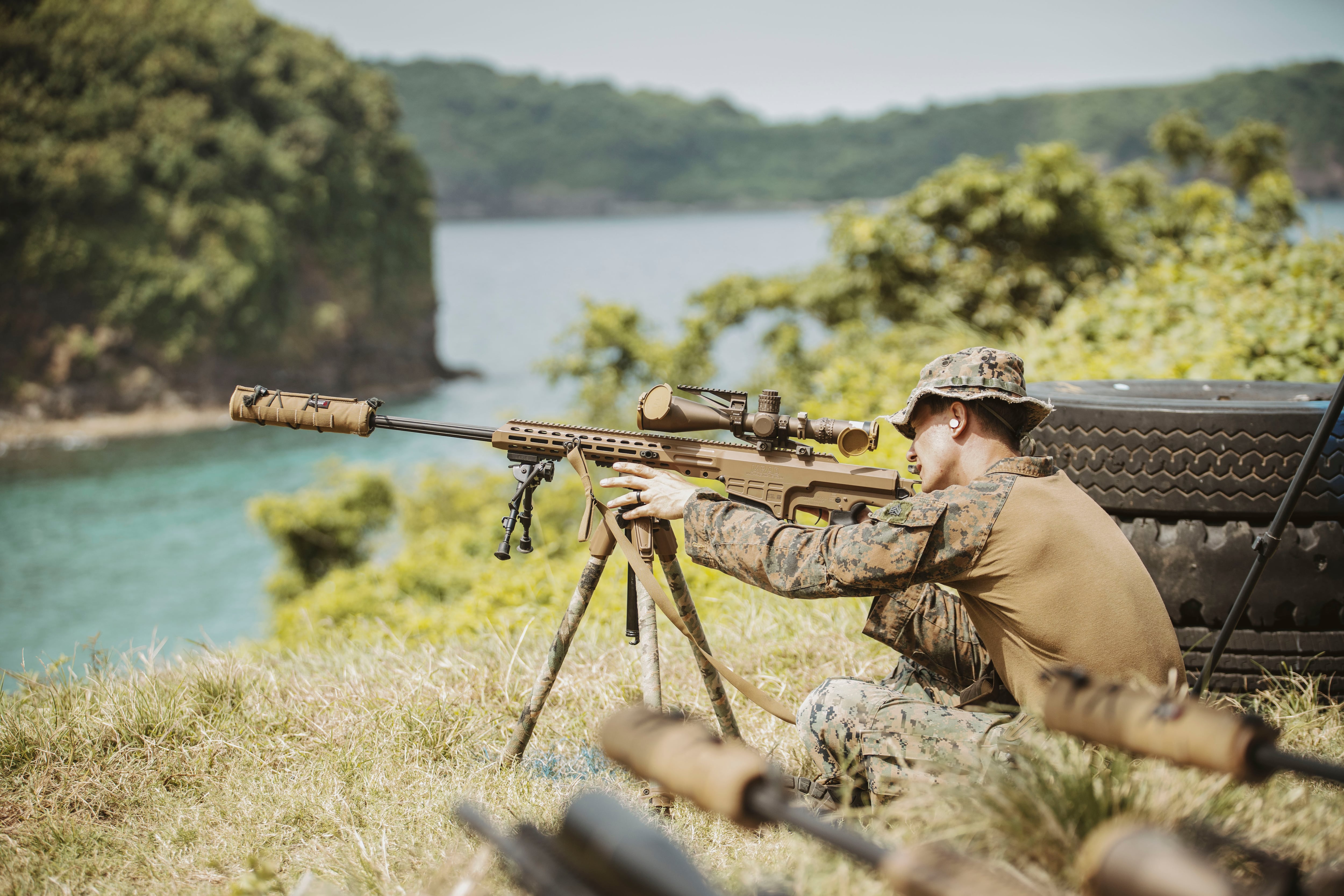
Range and ballistics are key factors that define a sniper rifle. These elements ensure the rifle can hit targets at long distances with high accuracy. Sniper rifles are designed to perform well far beyond normal shooting ranges. Their ballistics help control bullet flight for precise shots.
Effective Shooting Distance
Effective shooting distance is how far a sniper rifle can shoot accurately. Most sniper rifles work well from 600 to 1,200 meters. This distance depends on the rifle’s caliber and barrel length. A longer barrel usually means higher bullet speed and longer range. Snipers need rifles that keep bullets stable and fast over long distances.
Bullet Drop Compensation
Bullet drop happens when gravity pulls the bullet down during flight. Sniper rifles use scopes with bullet drop compensation marks. These marks help shooters aim higher or lower based on the distance to the target. Knowing bullet drop is vital for hitting distant targets. Without this, shots would fall short or miss high.
Windage Adjustments
Wind can push bullets off course sideways. Sniper rifles have windage adjustments on their scopes. Shooters turn these knobs to move the aiming point left or right. This adjustment helps counteract wind effects. Correct windage makes the bullet reach the target despite strong crosswinds.
Stealth And Noise Reduction
Stealth and noise reduction are key features of sniper rifles. These rifles must stay hidden and quiet. This helps snipers avoid detection after taking a shot. Noise reduction lowers the chance of revealing the shooter’s position. Special tools and designs help control the sound and flash from the rifle.
Muzzle Devices
Muzzle devices attach to the end of the rifle barrel. They control recoil and reduce the blast noise. Some devices redirect gases to lower the visible flash. This helps the sniper remain unseen in low light. Muzzle brakes and flash hiders are common examples.
Suppressors
Suppressors, also called silencers, reduce the rifle’s loud report. They trap and slow down the gases leaving the barrel. This cuts down the noise and muzzle flash significantly. Suppressors make shots quieter and less likely to give away position. They are essential for stealth operations.
Sound Signature Control
Sound signature control means managing how loud the shot sounds. It involves using subsonic ammunition to avoid a loud crack. Combining subsonic rounds with suppressors creates a very quiet shot. This reduces the chance of alerting enemies nearby. Sound control is vital for sniper success.
Additional Features
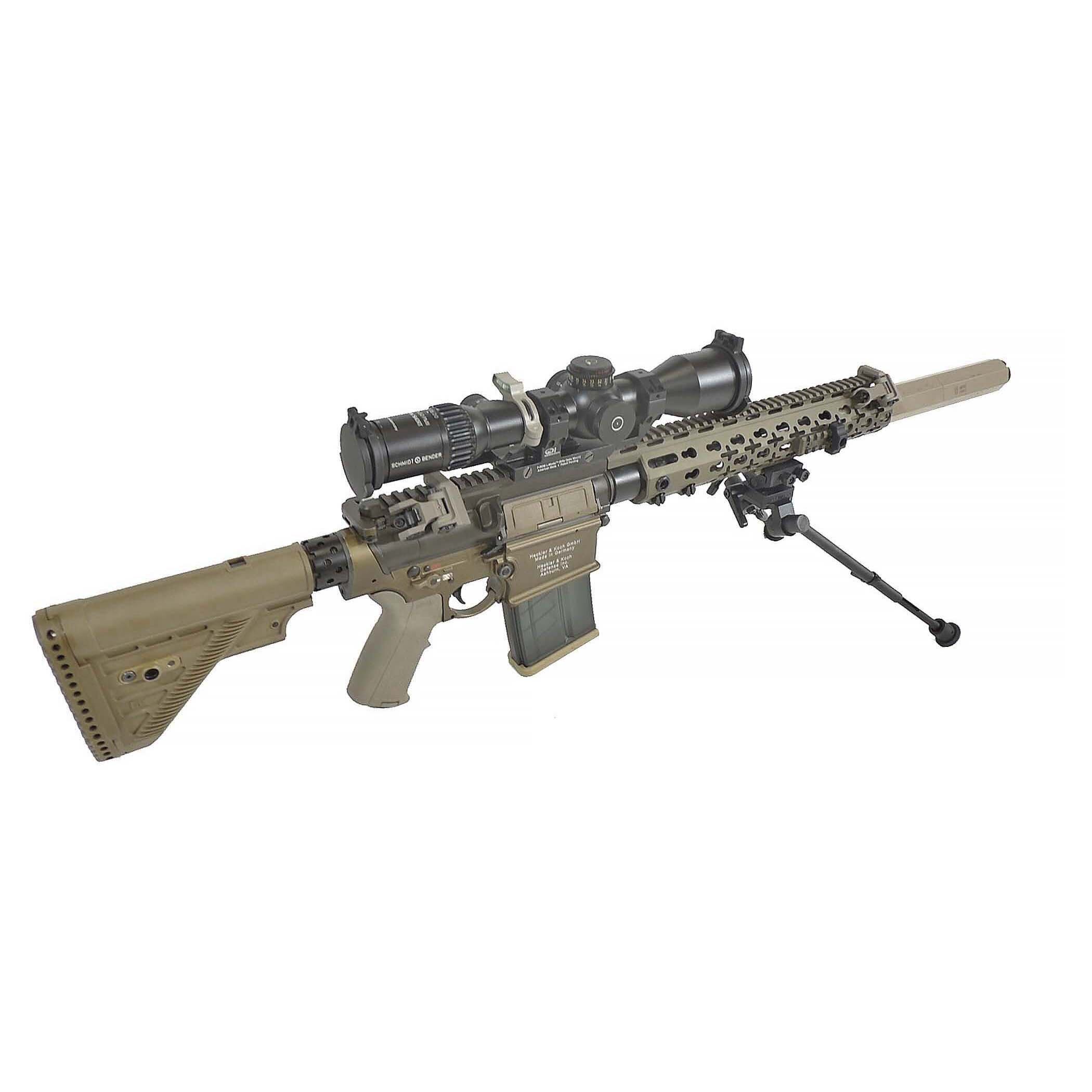
Beyond basic design, sniper rifles often include extra features. These features improve accuracy, ease of use, and adaptability. They help the shooter stay steady, carry more rounds, and adjust the rifle to fit personal needs.
Bipods And Supports
Bipods help keep the rifle steady during shooting. They attach to the front and provide a stable base. This reduces movement and improves aim. Some rifles also use monopods or other supports for extra balance. These features are essential for long-distance shots.
Magazine Capacity
Sniper rifles usually have magazines that hold several rounds. A larger capacity means fewer reloads during missions. Magazines can vary in size, holding from 5 to 20 rounds or more. This feature lets shooters stay ready for longer periods.
Customization Options
Many sniper rifles allow changes to parts and accessories. Shooters can add scopes, suppressors, or different stocks. Custom parts help fit the rifle to the shooter’s style. This flexibility improves comfort and performance in various conditions.
Frequently Asked Questions
What Defines A Rifle As A Sniper Rifle?
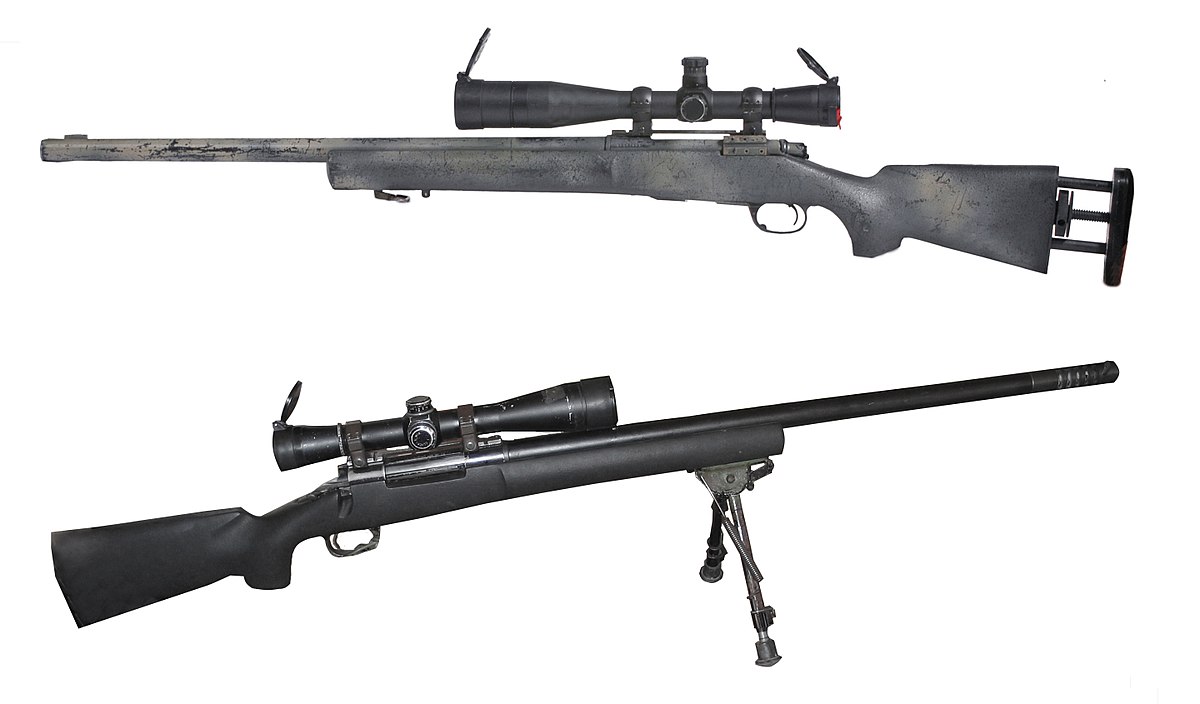
A sniper rifle is defined by precision, range, and customization. It features high accuracy, long-range capability, and specialized optics. These rifles are designed for stealth and precision shooting, often used by trained marksmen in military or law enforcement.
How Does A Sniper Rifle Differ From A Regular Rifle?
Sniper rifles offer superior accuracy, longer effective range, and advanced scopes. They use heavier barrels and precise ammunition. Regular rifles focus more on versatility and rapid fire, while sniper rifles prioritize pinpoint shots over long distances.
Why Are Sniper Rifles Equipped With Special Scopes?
Special scopes enhance target visibility and accuracy at long distances. They provide magnification, range estimation, and windage adjustments. These features allow snipers to make precise shots under varying environmental conditions.
What Types Of Ammunition Do Sniper Rifles Use?
Sniper rifles use high-precision, match-grade ammunition. This ammo is designed for consistent velocity and minimal deviation. It ensures accuracy and effective performance over long distances, critical for sniper operations.
Conclusion
A sniper rifle stands out by its precision and design. It has a strong scope for clear long-distance sight. The rifle is built to be steady and reliable. It uses special ammo for accuracy. Skilled marksmen rely on these features in tough situations.
Knowing what makes a rifle a sniper rifle helps you understand its true role. It’s not just about shooting far, but hitting the exact spot. Clear sights, steady build, and accuracy matter most. These traits define a sniper rifle’s purpose and use.

