
Have you ever wondered what makes lever-action rifles so reliable and durable? The materials used in these firearms play a huge role in their performance and longevity.
Knowing what your lever-action rifle is made of can help you understand its strengths and care for it better. You’ll discover the key materials that go into crafting these classic rifles and why each one matters. Keep reading to unlock the secrets behind your rifle’s build and learn how it impacts your shooting experience.
Metal Components
Lever-action rifles rely heavily on metal parts for strength and durability. These metal components must withstand high pressure and frequent use. Different metals offer various benefits, such as weight savings, corrosion resistance, and toughness. Understanding the metals used helps appreciate the design and performance of these rifles.
Steel Types
Steel is the most common metal in lever-action rifles. It provides great strength and toughness. Carbon steel offers high durability but needs protection from rust. Stainless steel resists corrosion and requires less maintenance. Many rifles use a mix of steel types for different parts. The barrel and bolt often use hardened steel for safety and accuracy.
Aluminum Alloys
Aluminum alloys help reduce the rifle’s overall weight. These alloys are lighter than steel but still strong. They often appear in parts like the receiver or trigger guard. Aluminum resists rust well, making it good for wet environments. Though lighter, aluminum is less durable than steel under heavy stress. Designers balance weight and strength when choosing aluminum alloys.
Titanium Use
Titanium appears in some high-end lever-action rifles. It is very light and strong, even stronger than aluminum. Titanium resists corrosion like stainless steel. This metal helps lower the rifle’s weight without losing durability. Titanium parts can be more expensive to produce. Its use is limited but valuable for top-quality rifles.
Wood Options
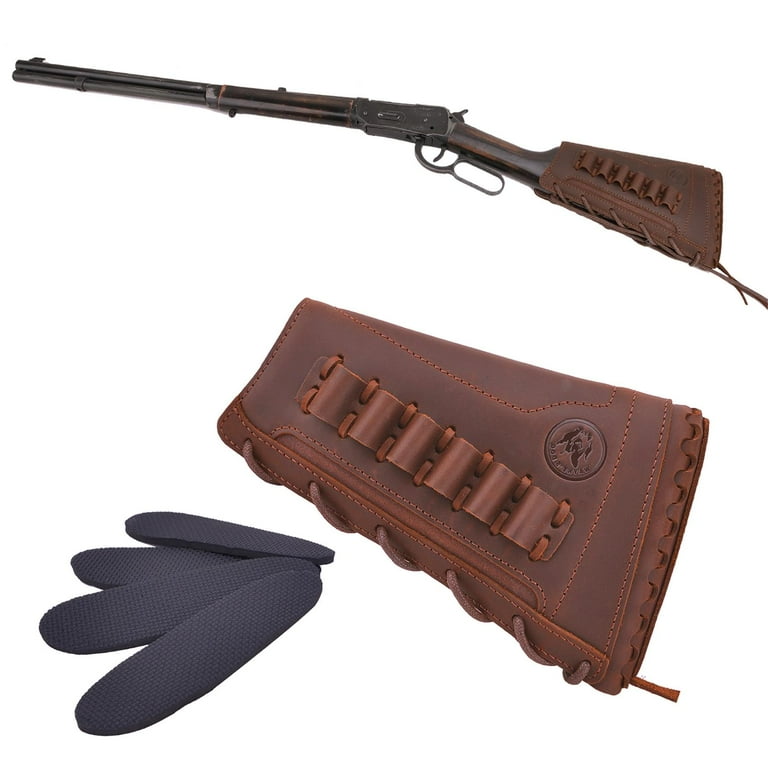
Wood plays a vital role in the look and feel of lever-action rifles. The choice of wood affects the rifle’s durability and style. Many rifles use natural wood for the stock and forearm. These woods offer strength and beauty. Different wood types give different textures and colors. Below are common wood options found in lever-action rifles.
Walnut Varieties
Walnut is the most popular wood for lever-action rifles. It is strong and has a rich, dark color. Walnut also has a smooth grain pattern. This wood gives the rifle a classic and elegant look. Some rifles use black walnut for a deeper color. Others use American or European walnut. Each type has a unique appearance but keeps durability high.
Maple And Other Hardwoods
Maple is another hardwood often used for rifle stocks. It is lighter in color than walnut. Maple has a tight grain and a smooth finish. This wood gives rifles a bright and clean look. Other hardwoods like birch and cherry also appear in some rifles. These woods offer good strength and distinct colors. They provide more options for style and texture.
Synthetic Alternatives
Synthetic stocks are made from materials like fiberglass or polymer. These options resist moisture and weather better than wood. They often weigh less and require less care. Synthetic stocks come in different colors and patterns. They are popular for hunting rifles used in tough conditions. Some shooters prefer synthetic for its durability and modern look.
Finish And Coatings
The finish and coatings on lever-action rifles protect the metal parts. They stop rust, reduce wear, and improve appearance. These finishes also help the rifle last longer under tough conditions. Different types of coatings give rifles unique looks and benefits.
Bluing Techniques
Bluing is a traditional finish for lever-action rifles. It changes the metal surface to a dark blue or black color. This finish provides some rust resistance and a classic look. Bluing uses chemical reactions to create a thin protective layer on steel. Many hunters and collectors prefer blued rifles for their vintage appeal.
Cerakote And Protective Coatings
Cerakote is a modern ceramic coating. It covers the rifle with a strong, thin layer that resists scratches and corrosion. This coating comes in many colors and finishes. Cerakote also helps with heat resistance and durability. Protective coatings like these improve rifle performance in harsh environments.
Rust Prevention Methods
Rust prevention is key for any rifle owner. Oils and waxes create barriers on metal surfaces. Regular cleaning removes dirt and moisture that cause rust. Some rifles use stainless steel parts to resist corrosion naturally. Proper storage in dry places also helps keep rust away.

Durability Factors
Durability is a key factor in lever-action rifles. The materials used affect how long the rifle lasts. It also impacts the rifle’s performance in tough conditions. The right materials help the rifle resist damage and keep working well. Let’s explore important durability factors in these rifles.
Corrosion Resistance
Corrosion can ruin a rifle fast. Steel parts often get a special coating. This coating stops rust from forming. Stainless steel is common because it resists corrosion naturally. Some rifles use blued steel, which has a dark protective layer. This layer helps keep moisture out. Corrosion resistance means less cleaning and longer life.
Wear And Tear Handling
Lever-action rifles face a lot of moving parts. Metal quality matters to avoid quick wear. High-grade steel is often used for the barrel and action. These metals handle friction and pressure well. Wood or synthetic stocks are chosen for strength. They resist cracking from impacts or rough use. Strong materials keep the rifle reliable through many shots.
Environmental Impact
Rifles must work in many environments. Cold, heat, rain, and dirt test their materials. Synthetic stocks handle moisture and temperature changes better. Wood stocks may swell or shrink with weather. Metals must resist rust and corrosion in humid places. Good material choice ensures the rifle performs well everywhere. This durability supports hunting and sport in all seasons.
Reliability And Performance
Reliability and performance are key factors in choosing a lever-action rifle. The materials used affect how well the rifle works over time. Strong materials ensure the rifle can handle repeated use without breaking. Smooth action means faster and easier shooting. Both depend on the metal and wood parts used in the rifle’s build.
Material Strength And Action Smoothness
Steel is the most common material for lever-action rifles. It is strong and resists wear. High-quality steel parts make the action smooth. Smooth action helps the shooter cycle rounds quickly. Some rifles use alloy metals to reduce weight. These alloys still offer good strength but may wear faster than steel.
Maintenance Needs
Materials affect how much care the rifle needs. Steel parts require regular cleaning to prevent rust. Wood stocks need oil to avoid cracking. Some modern rifles use synthetic materials. These need less maintenance and resist weather better. Proper care keeps the rifle working well for many years.
Impact On Accuracy
Material choice also impacts accuracy. A strong metal frame holds sights steady. This helps shooters aim better. Wood stocks provide a firm grip but can swell in moisture. Synthetic stocks stay stable in all conditions. A stable rifle frame means better shot precision.
Modern Material Innovations
Lever-action rifles have changed a lot over the years. Modern makers use new materials to improve strength and cut weight. These materials help rifles last longer and perform better under tough conditions. Let’s explore some of these modern material innovations.
Composite Materials
Composite materials mix two or more different substances. They create parts that are strong yet light. Many lever-action rifles now use composite stocks. These stocks resist weather and rough use. Composites also reduce the overall weight of the rifle. This makes handling easier and more comfortable.
Advanced Polymers
Polymers are special plastics used in rifle parts. They offer high durability and resist corrosion. Polymers can shape grips and other components with comfort in mind. They absorb shock better than metal parts. This helps shooters feel less recoil. Advanced polymers also lower production costs without losing quality.
Future Trends
New materials keep emerging for firearms. Carbon fiber and titanium show promise for future rifles. These materials combine lightness with great strength. 3D printing may allow custom parts made from advanced materials. These trends aim to make lever-action rifles more reliable and user-friendly. The future looks bright for modern rifle materials.
Frequently Asked Questions
What Metals Are Commonly Used In Lever-action Rifles?
Lever-action rifles often use steel for barrels and receivers due to its strength. Some models feature aluminum alloys for lighter weight. Steel ensures durability and precision, while aluminum reduces overall firearm weight without sacrificing reliability.
Why Is Wood Popular For Lever-action Rifle Stocks?
Wood is favored for its classic look and natural feel. It provides a sturdy, comfortable grip and absorbs recoil well. Popular woods include walnut and maple, prized for durability and attractive grain patterns in lever-action rifles.
Are Synthetic Materials Used In Lever-action Rifles?
Yes, synthetic stocks like fiberglass or polymer are used. They offer resistance to weather and impact, making rifles more durable. Synthetic materials reduce weight and require less maintenance compared to traditional wood stocks.
How Does Material Choice Affect Lever-action Rifle Performance?
Materials impact weight, durability, and recoil absorption. Steel parts ensure strength and accuracy. Wood or synthetic stocks influence comfort and weather resistance. Proper material choice balances performance with user needs and environmental conditions.
Conclusion
Lever-action rifles use strong materials like steel and wood. These materials help the rifle last long and work well. Steel parts give the rifle strength and safety. Wood adds a classic look and feels good in hand. Some rifles also use modern materials for lighter weight.
Knowing these materials helps choose the right rifle for you. Each part plays a key role in rifle performance. Understanding this makes shooting more enjoyable and safe.

