
Have you ever wondered what makes a battle rifle strong, reliable, and ready for action? The materials used in building these powerful weapons play a huge role in how well they perform when it matters most.
Whether you’re curious about their durability, weight, or how they handle heat and recoil, understanding the materials inside your battle rifle can give you a new appreciation for its design. Keep reading to discover the key materials that shape every battle rifle and why they matter to you.
Steel Components
Steel is a key material in building battle rifles. It provides strength and durability. Steel parts handle high pressure and heat during firing. This makes the rifle reliable and safe to use. Different steel types are used in various parts of the rifle. Each part has specific needs for toughness and wear resistance.
Barrel Material
The barrel is often made from high-quality steel. It must resist heat and erosion from bullets. Chrome-molybdenum steel is common for barrels. It offers strength and good heat resistance. Some barrels have a chrome lining inside. This lining extends the barrel’s life and improves accuracy.
Bolt And Receiver
The bolt and receiver are vital steel parts. They handle the force of firing and cycling the rifle. These parts use hardened steel for toughness. The bolt must lock securely to hold pressure. The receiver houses the bolt and other components. Precision machining ensures these parts fit perfectly and work smoothly.
Steel Alloys
Steel alloys combine iron with other metals. These metals improve strength, hardness, and resistance to wear. Common alloys include chromium, molybdenum, and nickel. Each alloy suits different rifle parts. Choosing the right alloy helps balance weight and durability. This choice affects the rifle’s overall performance and lifespan.
Aluminum Alloys
Aluminum alloys play a key role in battle rifle construction. These materials balance strength and weight. They help create rifles that are tough yet easy to carry. Manufacturers often choose aluminum alloys to improve rifle performance and handling.
Receiver Parts
Aluminum alloys are common in receiver parts of battle rifles. The receiver holds important components like the bolt and firing mechanism. Using aluminum alloys here reduces overall weight without losing strength. This keeps the rifle sturdy and reliable during use.
Lightweight Benefits
Aluminum alloys make rifles lighter than steel versions. A lighter rifle is easier to hold and aim. Soldiers can carry the rifle longer without tiring quickly. This material helps increase mobility and speed in the field.
Durability Factors
Aluminum alloys resist corrosion well, even in harsh weather. They handle rough use and impacts better than many other metals. This durability ensures the rifle lasts longer. Maintenance becomes easier and less frequent.
Polymer Use
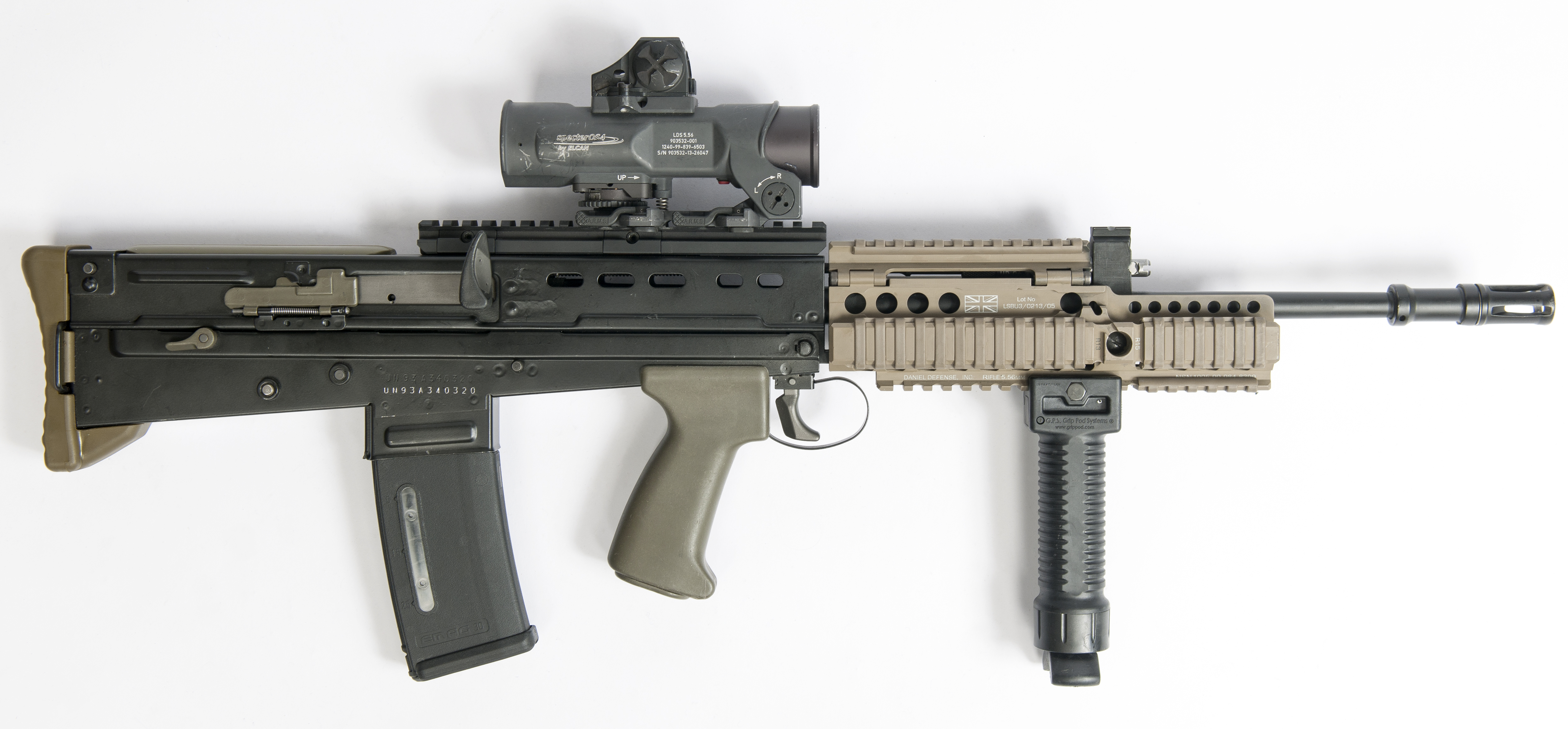
Polymers play a key role in modern battle rifle design. They help reduce weight and improve durability. These materials resist weather and rough use better than metal or wood. Polymers make rifles easier to handle and maintain for soldiers.
Stock And Grip
Polymers are often used for stocks and grips. These parts need to be strong yet light. Polymer stocks absorb shock and reduce recoil felt by the shooter. Grips made from polymer provide a firm hold, even in wet conditions. They also allow for ergonomic shapes that fit the hand well.
Magazine Construction
Many battle rifle magazines use polymer materials. Polymers resist dents and corrosion better than metal. They are lighter, which helps soldiers carry more ammo. Polymer magazines can be easier to produce and replace. They often have translucent sections to check ammo levels quickly.
Advantages Of Polymers
Polymers offer several benefits in rifle construction. They lower the overall weapon weight. This improves soldier mobility and reduces fatigue. Polymers resist rust and damage from chemicals. They also reduce production costs and simplify maintenance. These advantages make polymers a popular choice in battle rifles today.

Wood Elements
Wood plays an important role in many battle rifles. It provides a strong, natural feel. Wood parts can add beauty and function to the rifle. These elements are often found in stocks and grips. They give the rifle a classic look and a solid hold.
Traditional Stocks
Traditional stocks are often made from wood. They offer a sturdy and comfortable grip. Wood stocks absorb recoil well. This makes shooting easier and more stable. Many older rifles use wooden stocks. They bring a sense of history and style.
Wood Types
Different woods are used in rifle making. Walnut is the most popular choice. It is tough and has a nice grain. Maple and birch are also common. These woods are strong and easy to shape. Each type gives a unique look to the rifle.
Maintenance Tips
Wood needs care to last long. Keep wood parts clean and dry. Use oil or wax to protect the surface. Avoid exposing wood to extreme heat or moisture. Check for cracks or damage often. Proper care keeps the rifle looking good and working well.
Composite Materials
Composite materials play a key role in modern battle rifle construction. These materials combine two or more components to create stronger, lighter parts. They offer benefits that metal alone cannot provide. Manufacturers use composites to improve rifle durability and performance.
Carbon Fiber Applications
Carbon fiber is popular in battle rifles. It is used for handguards, stocks, and barrels. This material resists heat and wear well. Carbon fiber also reduces the rifle’s overall weight. Many military rifles include carbon fiber parts for better handling.
Strength And Weight
Composite materials offer high strength while staying light. This helps soldiers carry rifles easily over long distances. Composites also absorb shock better than metals. This improves accuracy by reducing recoil impact. Lighter rifles allow faster movement and quicker aiming.
Modern Innovations
New composite blends keep appearing in the market. Manufacturers mix carbon fiber with polymers for added toughness. Some parts use ceramics combined with composites for extra hardness. These innovations extend rifle life and enhance user comfort. The future of battle rifles relies on composite advances.

Finish And Coatings
The finish and coatings on battle rifles play a vital role in their durability and performance. These layers protect the metal parts from wear and damage. They also help the rifle blend into different environments. Proper coatings extend the life of the weapon and keep it reliable under tough conditions.
Corrosion Resistance
Battle rifles face harsh weather and moisture. Coatings prevent rust and corrosion on metal surfaces. This protection stops the rifle from failing in wet or humid places. Corrosion resistance keeps the internal parts working smoothly. Soldiers depend on this to avoid malfunctions during use.
Camouflage And Aesthetics
Finishes help hide battle rifles in various settings. Coatings come in colors and patterns that match forests, deserts, or urban areas. Camouflage reduces the chance of detection by enemies. Besides function, coatings give rifles a clean, professional look. This makes them easier to handle and identify.
Common Coating Types
Several coatings are common in battle rifle construction. Parkerizing is a popular phosphate coating that protects and reduces glare. Cerakote is a ceramic-based finish known for high durability and color options. Anodizing is used on aluminum parts to harden and protect surfaces. Each type offers unique benefits for the rifle’s performance and lifespan.
Frequently Asked Questions
What Metals Are Commonly Used In Battle Rifle Construction?
Steel and aluminum alloys are the primary metals used in battle rifles. Steel provides strength and durability, while aluminum reduces weight without compromising rigidity. These metals balance toughness and mobility, crucial for battle rifle performance.
Why Are Polymer Materials Used In Battle Rifles?
Polymers are used for rifle stocks and grips to reduce weight. They offer durability, resistance to weather, and improved handling comfort. Polymer parts help keep the rifle lightweight and reliable in various conditions.
How Do Materials Affect Battle Rifle Accuracy?
Material choice impacts barrel stability and recoil management. High-quality steel barrels maintain precision under heat and stress. Lightweight materials reduce fatigue, helping shooters maintain steady aim and consistent accuracy.
Are Composite Materials Replacing Traditional Metals In Rifles?
Yes, composites like carbon fiber are increasingly used. They offer high strength-to-weight ratios and corrosion resistance. Composites enhance durability and reduce overall rifle weight, improving soldier agility.
Conclusion
Battle rifles use strong materials to ensure durability and safety. Steel and aluminum often form the core parts. Polymer adds lightness and resists wear. Wood or synthetic materials provide a solid grip. These materials work together for reliable performance. Choosing the right material affects the rifle’s weight and strength.
Understanding these basics helps appreciate battle rifle design. Each component plays a key role in function. Quality materials mean better accuracy and longer life. This knowledge benefits anyone interested in firearms or history.

