
Have you ever noticed that some revolvers have a cylinder that doesn’t swing out or move? It might seem strange, especially if you’re used to seeing revolvers with cylinders that open for easy loading.
But there’s a good reason behind this design choice. Understanding why some revolvers have a fixed cylinder can change the way you think about these classic firearms. Keep reading, and you’ll discover the surprising benefits and history that make fixed-cylinder revolvers unique—and why they might just be the right choice for you.
Fixed Cylinder Design
The fixed cylinder design is a key feature in some revolvers. It means the cylinder does not swing out or detach. This design offers simplicity and durability. It also affects how the revolver loads and fires. Understanding this design helps explain why some revolvers use it.
Basic Structure
A fixed cylinder is attached firmly to the gun’s frame. It does not move side to side like swing-out cylinders. The barrel and cylinder align tightly. This alignment improves accuracy by reducing movement. Loading happens through a loading gate on the side. The user inserts cartridges one by one. After firing, the spent shells eject through the same gate.
Materials Used
Fixed cylinders are made from strong metals. Steel is common for its strength and wear resistance. Some use stainless steel for rust protection. Lightweight alloys appear in some models for easier carry. The choice of material affects the gun’s weight and durability. Quality materials ensure the cylinder withstands repeated firing.

Historical Context
The design of revolvers has changed a lot since they first appeared. Some early models had fixed cylinders. This means the cylinder did not swing out or detach for reloading. Understanding why helps us see how revolvers evolved over time.
Fixed cylinders were common in the earliest revolvers. These designs shaped how guns were used and made. They also influenced the safety and speed of reloading. The history behind fixed cylinders tells us why some revolvers still have them today.
Early Revolver Models
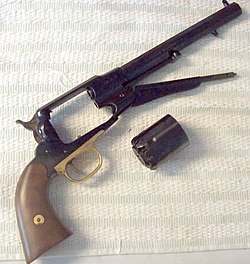
Early revolvers, like the Colt Paterson, featured fixed cylinders. The cylinder was attached firmly to the frame. To reload, users had to remove the cylinder or load each chamber from the front. This design was simple but slow for reloading.
Fixed cylinders added strength and durability to early guns. The strong frame helped handle the black powder used then. This made the revolvers reliable but less convenient for quick shooting.
Evolution Over Time
As time passed, revolver designs improved. Swing-out and break-top cylinders appeared. These allowed faster reloading without removing the cylinder. Many manufacturers moved away from fixed cylinders for this reason.
Still, some revolvers kept fixed cylinders for specific uses. Military and police models sometimes used fixed cylinders for safety. The design limited accidental opening and helped keep the gun secure.
Today, fixed cylinder revolvers are rare but valued. They remind us of the early days of firearms. Their simple design continues to attract collectors and enthusiasts.
Advantages Of Fixed Cylinders
Fixed cylinders on revolvers offer several important benefits. They make the gun more reliable and easier to use. These advantages explain why some revolvers keep their cylinders fixed instead of swinging out or breaking open.
Enhanced Durability
Fixed cylinders have fewer moving parts. This lowers the chance of mechanical failure. The cylinder stays firmly in place during shooting. It handles heavy use better than swing-out cylinders. This makes fixed-cylinder revolvers tough and long-lasting.
Improved Accuracy
Fixed cylinders align more precisely with the barrel. This reduces slight movements when firing. The bullet travels straight through the barrel every time. This consistency improves the shooter’s aim and accuracy. Many hunters and target shooters prefer this feature.
Simplified Maintenance
Cleaning a fixed cylinder is easier. There is no need to open or remove the cylinder. This reduces the chance of losing parts during maintenance. Fewer parts also mean less time spent on repairs. Users can keep their revolver in good shape quickly.
Limitations Compared To Swing-out Cylinders
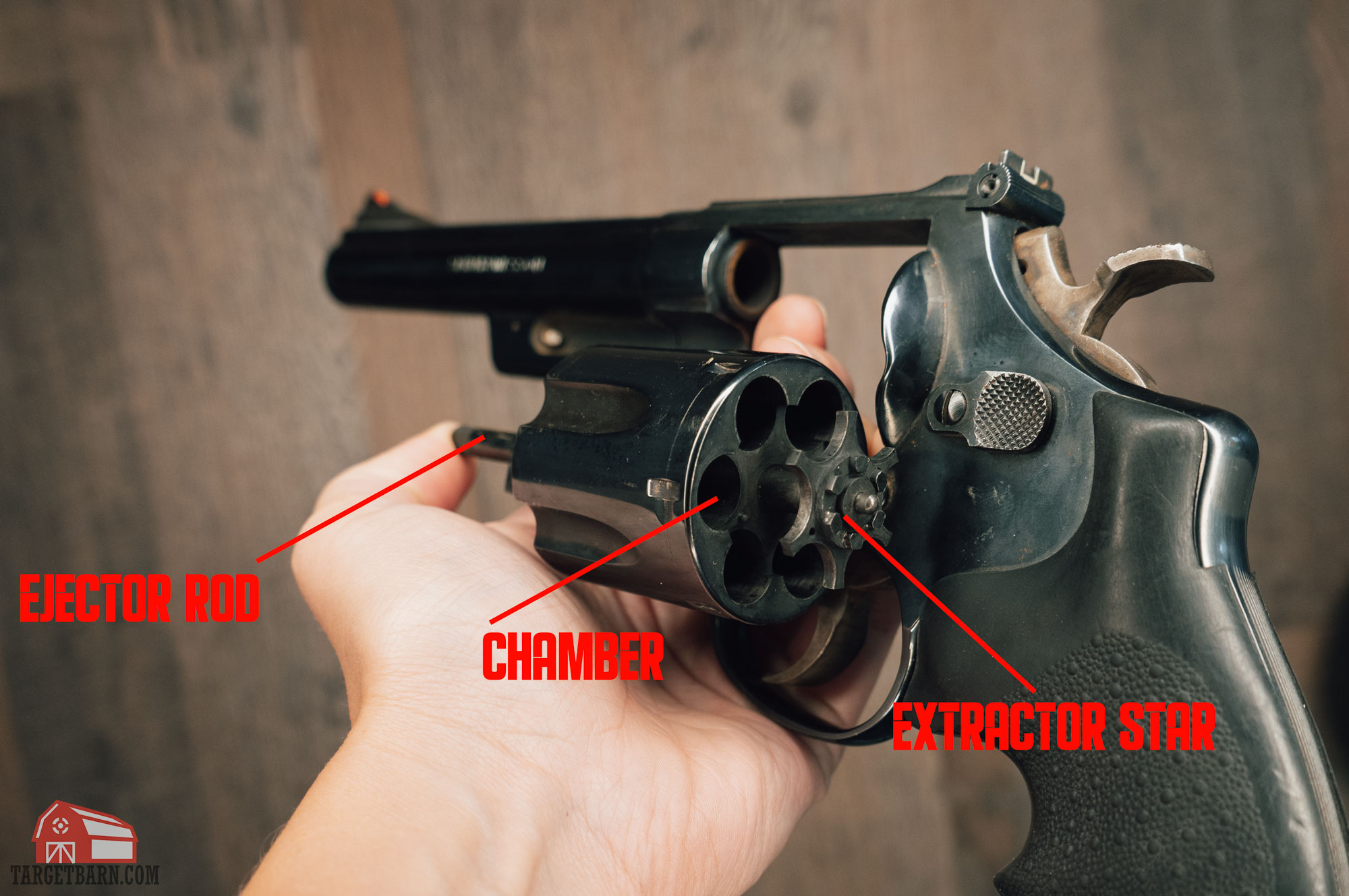
Fixed cylinder revolvers have a simple design but come with clear limits. These limits affect how fast and easy it is to reload and how the gun can be used. Compared to swing-out cylinder revolvers, fixed cylinder models show some disadvantages. Understanding these helps explain why some shooters prefer swing-out cylinders.
Slower Reloading
Reloading a fixed cylinder revolver takes more time. You must remove each spent cartridge one by one. Then, load each new round individually. This process is slower than swing-out cylinders, which open wide and eject all shells together. Faster reloading can be crucial in some situations.
Reduced Versatility
Fixed cylinder revolvers usually hold fewer rounds. They often lack the ability to swap cylinders quickly. This limits the types of ammunition you can use. Swing-out cylinders allow easier changes and more flexibility. This makes them better for different shooting needs and conditions.
Common Uses For Fixed Cylinder Revolvers
Fixed cylinder revolvers have a unique design that impacts how they are used. Their cylinder does not swing out or remove for loading. This design offers some advantages and limits in certain situations. Knowing where fixed cylinder revolvers are still used helps understand their value today.
Military Applications
Fixed cylinder revolvers were common in early military use. Their simple design made them very strong and reliable. Soldiers could count on these guns in tough conditions. The fixed cylinder reduced the chance of dirt causing jams. Some armies used them for training and backup weapons.
Civilian And Law Enforcement
Some police officers used fixed cylinder revolvers in the past. The guns were easy to maintain and hard to break. Civilians liked them for home defense and self-protection. Their simple mechanism made them good for people new to firearms. These revolvers are less common now but still appear in some areas.
Collecting And Historical Interest
Collectors value fixed cylinder revolvers for their history and craftsmanship. These guns show how early firearms worked. Museums often display them as part of weapon history. Enthusiasts enjoy owning and shooting them at special events. They represent a key step in gun design evolution.
Notable Models With Fixed Cylinders
Fixed cylinder revolvers stand out for their sturdy design and reliable function. Several well-known models showcase this feature. These revolvers appeal to collectors and shooters who appreciate classic mechanics.
Each model has its own story and purpose. Some fixed cylinder revolvers are prized for their simplicity. Others offer unique shooting experiences that differ from swing-out cylinder types.
Famous Brands
Smith & Wesson produced several fixed cylinder revolvers. Their early models, like the Model 3, feature this design. Colt also made fixed cylinder revolvers in the late 1800s. The Colt Single Action Army is a famous example. Ruger’s early designs, such as the Blackhawk, used fixed cylinders too.
Unique Features
Fixed cylinders often mean stronger frames. This design keeps the cylinder locked tightly in place. It reduces the chance of misalignment during firing. Reloading is slower, as the cylinder does not swing out. Some models use loading gates to insert cartridges one by one. This design suits strong cartridges and simple maintenance. The fixed cylinder also adds a vintage look that many shooters enjoy.
Maintenance Tips
Maintaining a revolver with a fixed cylinder helps keep it safe and working well. Regular care prevents rust and jams. It also extends the life of your firearm. Follow simple steps to clean and fix common problems.
Cleaning Procedures
Start by making sure the revolver is unloaded. Use a soft brush to remove dirt from the cylinder and barrel. Wipe the surfaces with a clean cloth. Apply a small amount of gun oil to metal parts to stop rust. Avoid over-oiling, which can attract dust. Clean the grip and frame gently to keep the revolver looking good. Perform this cleaning after every use or at least once a month.
Troubleshooting Common Issues
Stuck cylinder? Check for dirt or debris blocking movement. Clean and oil the cylinder pin area. Cylinder not rotating smoothly? Inspect the hand and ratchet for damage. Lightly oil moving parts to reduce friction. Misfires or light strikes? Clean the firing pin and hammer. Look for worn springs or broken parts. Replace damaged components promptly to avoid failure. Regular checks help catch problems early.
Frequently Asked Questions
Why Do Some Revolvers Have Fixed Cylinders?
Some revolvers have fixed cylinders for durability and reliability. Fixed cylinders offer better alignment, improving accuracy. They are simpler mechanically, reducing maintenance needs. These revolvers often have a solid frame, enhancing strength and safety during firing.
How Does A Fixed Cylinder Affect Revolver Accuracy?
A fixed cylinder ensures consistent barrel-to-cylinder alignment. This consistency reduces bullet yaw and increases shot precision. Revolvers with fixed cylinders often produce tighter groupings. This design benefits target shooters seeking accuracy over speed.
Are Fixed Cylinder Revolvers Easier To Maintain?
Yes, fixed cylinder revolvers have fewer moving parts. This simplicity reduces cleaning time and mechanical failures. They require less frequent adjustments and repairs. Their robust design makes them ideal for beginners or low-maintenance needs.
What Types Of Revolvers Use Fixed Cylinders?
Many classic and pocket revolvers use fixed cylinders. Examples include early Colt and Smith & Wesson models. These revolvers prioritize compactness and simplicity. Fixed cylinders are common in older designs and some modern defensive revolvers.
Conclusion
Some revolvers have fixed cylinders for safety and strength. This design keeps the cylinder steady when firing. It also helps the gun last longer under heavy use. Fixed cylinders are simpler to clean and maintain. They suit certain shooting styles and tasks better.
Understanding this helps you appreciate different revolver types. Each design has its own benefits and limits. Choosing the right revolver depends on your needs. Knowing why some have fixed cylinders guides smart decisions.

