Are pistol-caliber carbines really effective? If you’ve ever wondered whether these firearms live up to the hype, you’re not alone.
You want a weapon that is reliable, easy to handle, and suits your needs—whether for home defense, sport shooting, or personal protection. But does a pistol-caliber carbine deliver on these promises? Keep reading, because understanding their strengths and weaknesses could change the way you think about your next firearm choice.
This isn’t just about specs—it’s about what works for you when it matters most.
Exclusive Deals
Limited-time Exclusive Deals. Check current discount on Amazon.
Check Price on Amazon As an Amazon Associate I earn from qualifying purchases.
Pistol-caliber Carbines Basics
Pistol-caliber carbines (PCCs) offer a unique blend of features. They combine the compactness of pistols with the stability of carbines. This section explains the basics of PCCs to help you understand their appeal and function.
These firearms use the same ammunition as pistols but have a longer barrel and stock. This design makes them easier to control and more accurate at short to medium ranges.
What Defines A Pistol-caliber Carbine
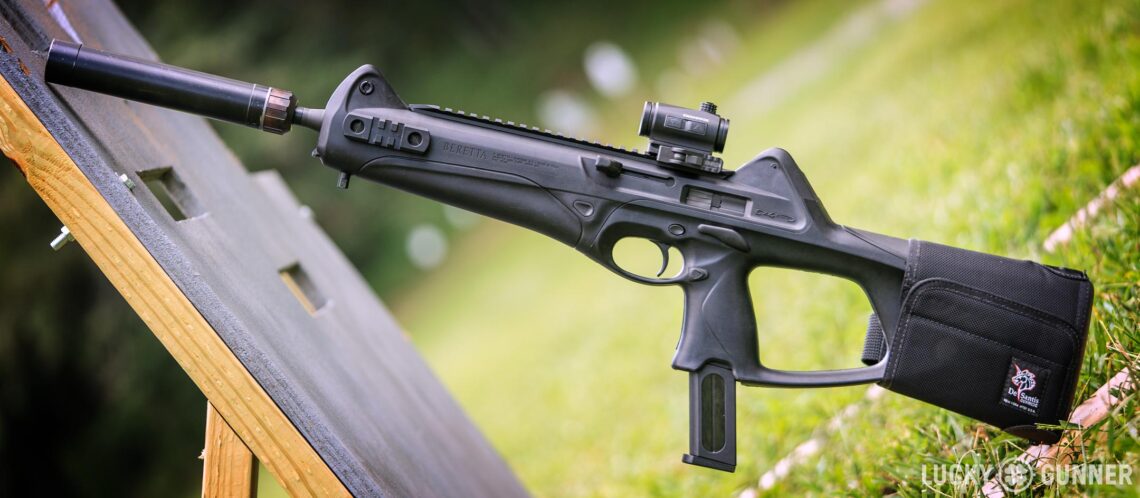
A pistol-caliber carbine is a long gun using pistol ammunition. It has a longer barrel than a handgun. The stock helps steady the firearm during shooting. PCCs are lighter and easier to handle than rifles. They are popular for close-quarters shooting and home defense.
Common Calibers Used
Most PCCs use popular handgun rounds. The 9mm is the most common choice due to availability and low recoil. Others include .40 S&W and .45 ACP. Some models even use less common rounds like .357 Magnum. These calibers balance power and control well in a carbine format.
Exclusive Deals
Limited-time Exclusive Deals. Check current discount on Amazon.
Check Price on Amazon As an Amazon Associate I earn from qualifying purchases.Design And Ergonomics
PCCs often have compact and simple designs. They feature pistol-style grips and easy-to-reach controls. The longer barrel improves accuracy and muzzle velocity. Stocks reduce felt recoil and improve stability. Many models include rails for attachments like lights or optics. This makes PCCs versatile and user-friendly.
Performance Factors
Pistol-caliber carbines (PCCs) have grown popular for many uses. Their performance depends on various factors. These factors influence how well they work in different situations. Understanding these helps to choose the right firearm for your needs.
Accuracy Compared To Pistols And Rifles
PCCs often offer better accuracy than pistols. The longer barrel helps stabilize the bullet. The stock allows for better aiming and support. Compared to rifles, PCCs have less range and power. Rifles use rifle cartridges, which fly faster and farther. PCCs are best for short to medium distances.
Exclusive Deals
Limited-time Exclusive Deals. Check current discount on Amazon.
Check Price on Amazon As an Amazon Associate I earn from qualifying purchases.Effective Range Limitations
PCCs usually work well up to 100 yards. Beyond that, their accuracy and power drop. The pistol cartridge limits how far the bullet can travel. Rifles can hit targets much farther because of stronger rounds. PCCs excel in close quarters and quick target acquisition.
Recoil And Control
PCCs have low recoil, making them easy to control. The lighter kick helps with faster follow-up shots. This is useful for new shooters or those who want comfort. Rifles may have stronger recoil, needing more skill to manage. PCCs allow for steady shooting and better handling.
Practical Applications
Pistol-caliber carbines (PCCs) offer unique benefits in many practical situations. Their design combines the ease of a pistol round with the accuracy and control of a carbine. This makes them useful in various fields. The following sections explore where PCCs excel.
Home Defense Scenarios
PCCs are popular for home defense. Their low recoil helps with quick, accurate shots. They are easier to handle in tight spaces than rifles. The pistol caliber reduces the risk of over-penetration, protecting family members and neighbors. Many PCCs are compact and lightweight, making them easy to move around. This can be crucial in stressful situations.
Law Enforcement Use
Many police forces use PCCs for close-quarters work. Officers appreciate the balance of power and control. PCCs allow fast follow-up shots with less recoil than rifles. They are quieter and produce less flash, aiding night operations. The ammo is widely available and less expensive than rifle rounds. This makes training more affordable and frequent.
Sport Shooting And Competitions
PCCs are favored in shooting sports. They offer great speed and accuracy for various events. Their light recoil allows shooters to maintain control during rapid fire. Competitors benefit from easy magazine changes and good ergonomics. Many matches have specific divisions for pistol-caliber carbines. This creates a level playing field and encourages more participation.
Advantages Over Other Firearms
Pistol-caliber carbines offer unique benefits compared to other firearms. They blend the compactness of pistols with the stability of rifles. This makes them practical for many users. Their design and function create advantages in handling, ammo use, and upkeep.
Ease Of Handling
Pistol-caliber carbines are light and easy to control. Their size fits well in tight spaces. This helps in quick movements and aiming. The recoil is mild, making shooting more comfortable. Beginners and experienced shooters find them user-friendly.
Ammunition Compatibility
These carbines use the same ammo as many pistols. This means fewer ammo types to carry or buy. It simplifies training and shooting practice. The shared ammunition also lowers the chance of mix-ups. This compatibility is practical and cost-saving.
Cost And Maintenance
Pistol-caliber carbines often cost less than rifles or handguns. They use simpler parts, which reduces repair expenses. Cleaning and upkeep are straightforward tasks. This makes them ideal for users on a budget. Reliable performance comes with easy maintenance.
Limitations And Challenges
Pistol-caliber carbines (PCCs) have many fans. They offer easy handling and less recoil. Still, they have some clear limits. Knowing these helps users choose the right firearm for their needs.
Stopping Power Concerns
PCCs use pistol rounds, which have less force than rifle bullets. This means they may not stop threats quickly. In self-defense, this can be a big issue. Users often need more shots to stop an attacker. This can increase risk in critical moments.
Magazine Capacity And Reloading
PCCs often have smaller magazines compared to rifles. This limits the number of shots before reloading. Reloading takes time and can cause delays. Some PCC magazines are harder to find or more costly. This affects training and real-life use.
Barrier Penetration
Pistol rounds struggle to penetrate barriers like walls or car doors. This limits PCC use in some law enforcement roles. Bullets may not reach targets behind cover. This reduces effectiveness in complex environments. Users must consider this when choosing a PCC.
Popular Models And Brands
Pistol-caliber carbines have gained popularity for their unique blend of compact size and manageable recoil. Many brands offer models that suit various needs, from home defense to recreational shooting. Understanding popular models helps in choosing the right carbine for your needs.
Top-rated Carbines On The Market
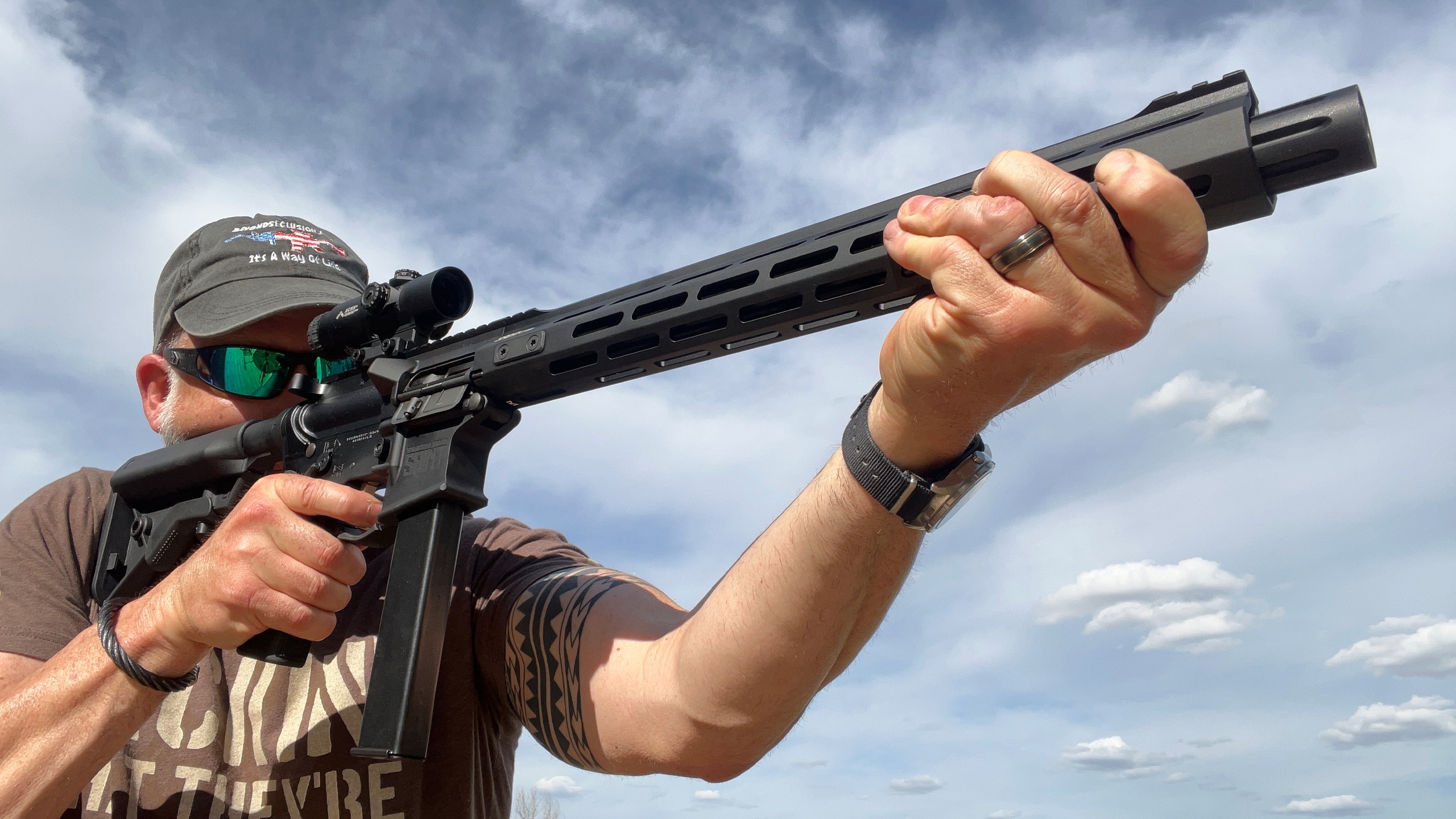
The CZ Scorpion EVO 3 is widely praised for its reliability and ease of use. Ruger PC Carbine stands out with its modular design and strong build quality. The Kel-Tec Sub 2000 is known for its foldable frame and affordability. These models offer solid performance and have loyal followings.
Customization Options
Many pistol-caliber carbines come with rails for attaching accessories. Users can add optics, lights, or foregrips to enhance shooting comfort. Some brands offer interchangeable barrels and magazines, allowing more flexibility. Customizing your carbine improves its fit for specific tasks.
User Reviews And Feedback
Users often highlight the ease of handling and low recoil of these carbines. Some mention the importance of quality magazines for better feeding. Many appreciate the compact size for storage and transport. Feedback generally confirms these carbines perform well for short-range use.
Future Trends
The future of pistol-caliber carbines looks promising. Changes in technology, tactics, and market demand will shape their effectiveness. These trends will guide how these firearms evolve and are used.
Technological Innovations
New materials will make pistol-caliber carbines lighter and stronger. Improved barrel designs will boost accuracy and reduce recoil. Advances in optics and sights will help shooters aim faster and better. Electronic enhancements could add smart features for easier target tracking.
Shifts In Tactical Preferences
Many law enforcement and security groups prefer compact, easy-to-handle weapons. Pistol-caliber carbines fit this need well. Their low recoil and quick follow-up shots suit close to medium range. Tactics will focus on mobility and speed rather than heavy firepower. These changes will increase their use in urban and tight spaces.
Market Growth And Demand
More people are choosing pistol-caliber carbines for home defense and sport shooting. The market is expanding with new models and brands. Prices are becoming more affordable for casual shooters. Rising interest from younger and first-time buyers pushes demand higher. Retailers will stock more options, making these carbines easier to find.
Frequently Asked Questions
What Makes Pistol-caliber Carbines Effective For Self-defense?
Pistol-caliber carbines offer low recoil and easy handling. They provide better accuracy than handguns at close range. Their ammunition is also widely available and affordable. This makes them practical for quick, reliable self-defense situations.
Are Pistol-caliber Carbines Suitable For Home Defense?
Yes, pistol-caliber carbines are ideal for home defense. Their compact size allows easy maneuverability indoors. They produce less noise and recoil, making them user-friendly. Plus, they offer enough stopping power at typical home-defense distances.
How Do Pistol-caliber Carbines Compare To Rifles?
Pistol-caliber carbines have less range and power than rifles. However, they excel in close-quarters combat and urban settings. Their ammunition is cheaper and easier to control. This balance makes them a versatile option for many shooters.
What Calibers Are Common In Pistol-caliber Carbines?
The most common calibers are 9mm,. 40 S&W, and. 45 ACP. These calibers offer manageable recoil and good stopping power. They are also widely used in handguns, ensuring ammunition availability.
Conclusion
Pistol-caliber carbines offer a good balance of power and control. They work well for short to medium distances. Many find them easier to handle than larger rifles. Ammo is often cheaper and easier to carry. These guns suit home defense and casual shooting.
They may not replace rifles for long-range use. Still, they remain a solid choice for many shooters. Consider your needs before choosing one. Simple, effective, and reliable—pistol-caliber carbines have their place.