
Are you wondering if single-shot rifles can truly be trusted when it matters most? Whether you’re a hunter, a sport shooter, or just curious about firearms, knowing how reliable these rifles are is key to making the right choice.
Imagine being in a critical moment and counting on your rifle to perform without a hitch. This article will give you clear answers about the dependability of single-shot rifles, helping you decide if they fit your needs. Keep reading to uncover the facts that could change the way you think about these classic firearms.
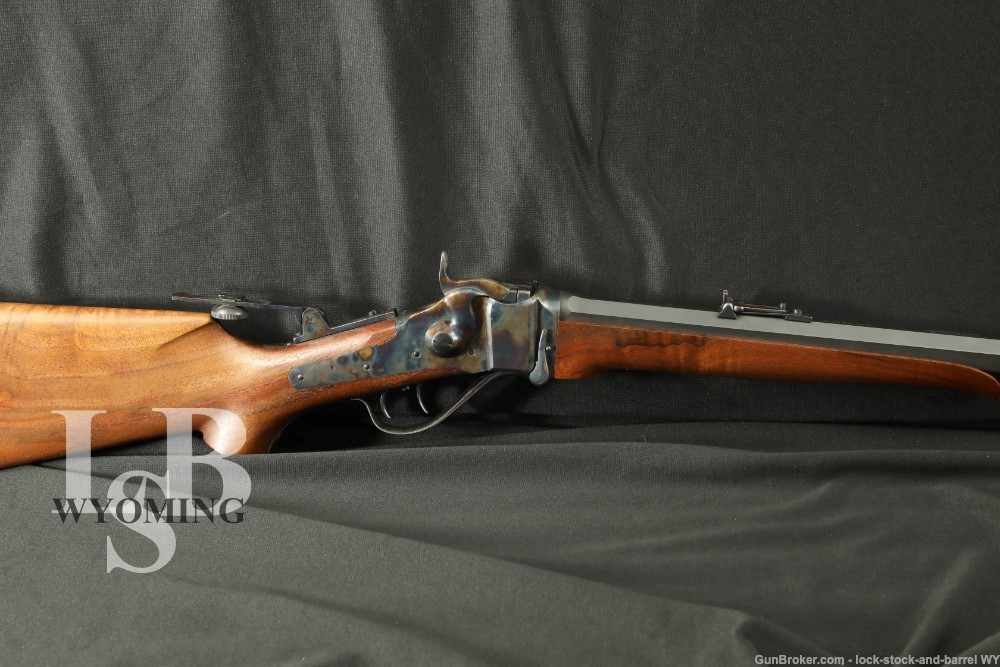
Basics Of Single-shot Rifles
Single-shot rifles have a simple and classic appeal. They hold only one bullet at a time, unlike other rifles that carry multiple rounds. This simplicity makes them easy to use and maintain. Understanding their basics helps to know why some shooters trust them for reliability and accuracy.
Design And Mechanism
Single-shot rifles have a straightforward design. The shooter loads one bullet into the chamber manually. After firing, the shooter opens the action to eject the spent cartridge. Then, a new bullet is loaded for the next shot. This manual process means fewer moving parts inside the rifle. Fewer parts often lead to less chance of mechanical failure. The simple mechanism also makes cleaning and upkeep easier.
Historical Context
Single-shot rifles date back to the 19th century. They were among the first types of rifles used by hunters and soldiers. Early models helped pioneers and explorers in tough environments. These rifles were reliable tools before repeating rifles became common. Their design influenced many modern firearms. Today, they remind us of the roots of rifle technology.
Common Uses
Single-shot rifles suit many shooting activities. Hunters use them for precision shots on game animals. Target shooters enjoy their accuracy and control. These rifles also work well for training new shooters. Their slow rate of fire encourages careful aiming. Some collectors value single-shot rifles for their historical importance. Many appreciate their simplicity and dependability.
Factors Affecting Reliability
Reliability is key for any rifle, especially single-shot models. Many factors affect how well these rifles perform over time. Understanding these factors helps you choose and care for your firearm better.
Each factor plays a role in making sure the rifle works smoothly and safely when needed. Let’s explore some main elements that impact single-shot rifle reliability.
Build Quality And Materials
The strength of a single-shot rifle depends on its build quality. High-quality materials last longer and resist wear and tear. Steel and alloy parts offer durability and strength. Cheaper metals may rust or break easily. Precise manufacturing ensures parts fit well and work smoothly. Poor fit can cause jams or misfires. Solid construction means the rifle handles recoil better. Quality craftsmanship leads to better performance and safety.
Maintenance Requirements
Regular cleaning keeps a rifle reliable. Dirt and debris can block moving parts. This causes jams or misfires. Lubrication reduces friction and wear on parts. Neglecting maintenance leads to rust and corrosion. Even the best rifle fails without care. Simple cleaning after use extends the rifle’s life. Check parts for damage or looseness often. Proper maintenance ensures the rifle fires every time.
Environmental Conditions
Weather and surroundings affect rifle reliability. Moisture causes rust and swelling in wood stocks. Dirt and sand can clog the action. Cold temperatures may stiffen lubricants and metal parts. Hot weather can cause metal expansion. Humidity leads to corrosion inside barrels and chambers. Protect your rifle from extreme conditions. Use covers and store it in dry places. Adapting to the environment keeps your rifle dependable.
Comparing With Other Rifle Types
Single-shot rifles have a unique place among firearm types. Comparing their reliability with other rifles helps understand their strengths and limits. This section covers how single-shot rifles stack up against bolt-action and semi-automatic rifles.
Each rifle type serves different needs. Knowing these differences guides better choices for hunting, sport, or defense.
Single-shot Vs Bolt-action
Single-shot rifles are simpler in design than bolt-action rifles. They have fewer moving parts, which often means less can go wrong. This simplicity makes single-shots very reliable in tough conditions.
Bolt-action rifles allow multiple rounds in a magazine. This gives faster follow-up shots than single-shots. However, the bolt mechanism can sometimes jam or wear out with heavy use.
Both types are strong and accurate. Single-shots require manual loading each time, slowing the shooting process. Bolt-actions offer a good balance of speed and reliability.
Single-shot Vs Semi-automatic
Semi-automatic rifles reload automatically after each shot. This lets shooters fire quickly without extra effort. Single-shot rifles need manual loading after every shot, which is slower.
Semi-automatics have more parts and complex mechanisms. This can lead to more failures or jams, especially without regular maintenance. Single-shots rarely jam due to their simple design.
For speed, semi-automatics win. For pure reliability and ease of care, single-shots perform better.
Advantages And Limitations
Single-shot rifles excel in reliability due to their simple build. They are less prone to mechanical failure than other rifles. This makes them great for harsh environments and long-term use.
Limitations include slower rate of fire and manual loading. Single-shots are not ideal for situations needing quick follow-up shots. Their design suits precision and patience over speed.
Choosing between rifle types depends on the shooter’s needs. Single-shots offer unmatched simplicity and dependability. Bolt-actions and semi-automatics trade some reliability for faster shooting.
Expert Opinions On Reliability
Experts often discuss the reliability of single-shot rifles with clear focus. They share insights based on tests, real use, and long-term handling. Their views help readers understand if these rifles perform well under different conditions. Reliability is key for any firearm, and expert opinions provide valuable guidance.
Field Performance Insights
Experts report that single-shot rifles show consistent accuracy in the field. They perform well in hunting and target shooting. The simple design means fewer parts can fail during use. This reliability makes them a trusted choice for many shooters. Experts note quick loading and steady aim as key strengths.
Long-term Durability
Durability is a strong point for single-shot rifles, say experts. The solid build and fewer moving parts reduce wear over time. Many rifles last for decades with proper care. Specialists highlight the ease of maintenance as a factor in durability. This makes single-shot rifles a good investment for long-term use.
User Experience And Feedback
Users often praise single-shot rifles for their reliability and simplicity. Feedback shows many appreciate the rifle’s straightforward operation. Shooters report fewer jams and malfunctions compared to other types. The ease of cleaning also receives positive mentions. This user feedback supports expert claims about reliability.
Tips For Maximizing Reliability
Maximizing the reliability of single-shot rifles requires attention to detail and care. Small habits can make a big difference in how well your rifle performs. Following practical tips helps ensure your rifle works smoothly every time you use it.
Proper Maintenance Practices
Clean your rifle regularly to remove dirt and residue. Use the right cleaning tools and solvents made for firearms. Check moving parts for wear or damage often. Lubricate parts lightly to avoid rust and friction. A well-maintained rifle fires more reliably and lasts longer.
Choosing The Right Ammunition
Select ammunition that matches your rifle’s specifications. Using the correct caliber prevents jams and misfires. Test different brands to find the most consistent rounds. Avoid old or damaged bullets that can cause problems. Good ammo improves accuracy and reliability.
Storage And Handling
Store your rifle in a dry, cool place to prevent rust. Use a gun case or safe for protection. Handle your rifle gently to avoid bending or damaging parts. Keep the rifle unloaded when not in use. Proper storage and handling keep your rifle ready to fire.

Frequently Asked Questions
Are Single-shot Rifles More Reliable Than Semi-automatic Ones?
Single-shot rifles are often more reliable due to their simple design. They have fewer moving parts, reducing malfunction risks. This makes them ideal for hunting and precision shooting where reliability is crucial.
What Makes Single-shot Rifles Reliable For Hunting?
Their mechanical simplicity and strong build ensure fewer jams and misfires. The solid lock-up of the action enhances accuracy and consistent performance in various conditions.
Do Single-shot Rifles Require Less Maintenance?
Yes, single-shot rifles need less maintenance because of their straightforward mechanism. Cleaning and upkeep are easier, extending the rifle’s lifespan and ensuring consistent reliability.
How Does The Single-shot Design Affect Accuracy?
The rigid action and solid barrel mounting in single-shot rifles improve accuracy. Without a magazine or complex feeding system, they maintain better barrel alignment shot after shot.
Conclusion
Single-shot rifles offer reliable performance for many shooters. They have fewer moving parts, which means less chance of failure. These rifles work well for hunting and target shooting. Their simplicity makes cleaning and maintenance easy. While they may not fire rapidly, they focus on accuracy and control.
Choosing a single-shot rifle depends on your needs and preferences. Many users trust them for consistent results. In short, they remain a solid choice for reliability.

