
When it comes to choosing a rifle, understanding the difference between rimfire and centerfire rifles can make all the difference in your shooting experience. You might think all rifles work the same way, but the way they ignite the bullet is actually quite different—and that affects everything from accuracy to cost and even the types of game you can hunt.
If you want to make the best choice for your needs, it’s important to know how each type works and what benefits they offer. Keep reading, and you’ll discover key facts that will help you pick the perfect rifle for your next adventure.
Rimfire Vs Centerfire Basics
Rimfire and centerfire rifles are two common types of firearms. Both use different ways to fire a bullet. Understanding their basics helps in choosing the right rifle for shooting or hunting. This section explains the main differences in how they work and the design of their cartridges.
Firing Mechanism
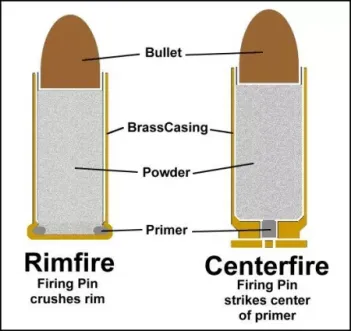
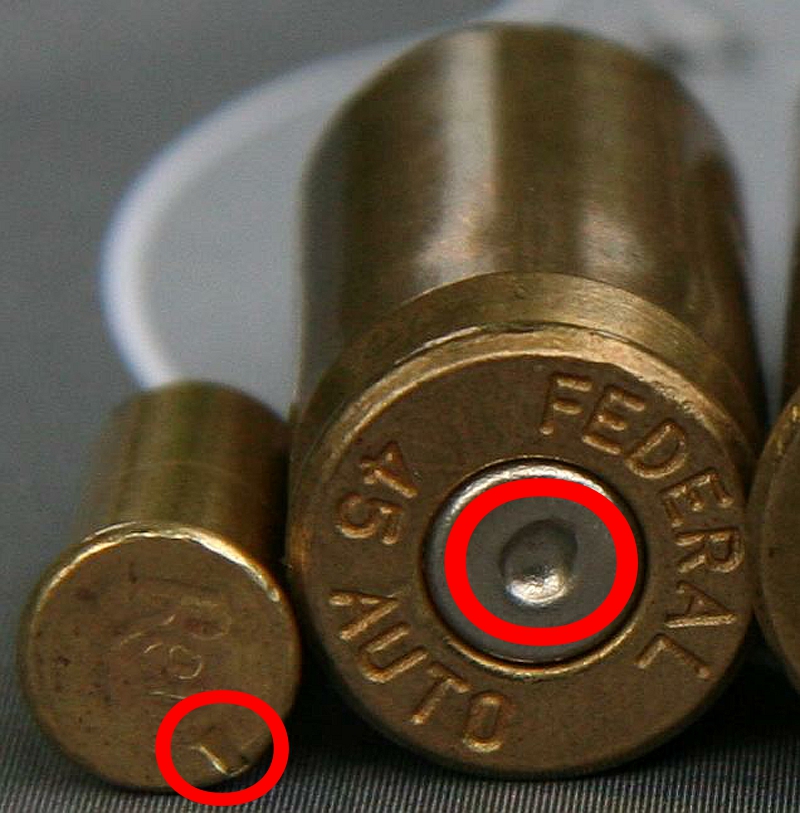
Rimfire rifles ignite the cartridge by striking the rim of the bullet case. The firing pin hits the outer edge, where the primer is located. This causes the gunpowder inside to explode and shoot the bullet out.
Centerfire rifles work differently. Their firing pin hits the center of the cartridge base. The primer is in the middle, making it easier to produce higher pressure. This allows centerfire rifles to handle more powerful rounds.
Cartridge Design
Rimfire cartridges have the primer spread around the rim’s edge. The case is usually thin and cannot be reloaded. This design suits small, low-pressure rounds like .22 caliber.
Centerfire cartridges have a separate primer in the center of the base. Their cases are thicker and stronger. Shooters can reload these cartridges multiple times. This design supports larger, higher-pressure bullets.
Ammunition Types
Ammunition types differ greatly between rimfire and centerfire rifles. This difference affects their use, power, and cost. Understanding these types helps you choose the right rifle and ammo for your needs.
Rimfire cartridges have the primer located around the rim of the case base. This design limits the size and power of the cartridge. Rimfire ammo is often smaller and less expensive. It suits beginners and small-game hunting well.
Centerfire cartridges have the primer in the center of the case base. This design allows for larger, more powerful rounds. Centerfire ammo is common in hunting, self-defense, and military rifles. It offers more variety and higher performance.
Common Rimfire Cartridges
The .22 Long Rifle is the most popular rimfire cartridge. It is lightweight, low-cost, and has low recoil. It works great for target shooting and small game hunting. Other rimfire rounds include .22 WMR and .17 HMR. These offer more speed and range but remain less powerful than centerfire rounds.
Popular Centerfire Cartridges
The .223 Remington is widely used in centerfire rifles. It suits varmint hunting and tactical shooting. The .308 Winchester is another favorite for big game hunting. It provides strong stopping power and accuracy. Other common centerfire rounds include 7.62x39mm and .30-06 Springfield. These cartridges cover many uses, from hunting to self-defense.
Performance And Accuracy
Performance and accuracy are key factors in choosing between rimfire and centerfire rifles. Both types serve different purposes and excel in various shooting scenarios. Understanding their differences helps make better decisions for hunting, target shooting, or practice.
Velocity And Range
Centerfire rifles generally have higher velocity. They shoot bullets faster and farther than rimfire rifles. This allows centerfire rifles to be effective at longer distances. Rimfire rifles have lower velocity and shorter range. They work well for close to medium distances. The lighter ammunition in rimfire rifles limits their power and reach.
Precision Factors
Centerfire rifles usually offer better precision. Their cartridges are more consistent and reliable. This consistency helps shooters hit targets more accurately. Rimfire rifles can be less precise due to variations in ammunition quality. Barrel design and rifle build also affect accuracy. Centerfire rifles often have stronger barrels that hold up better over time. Rimfire rifles are simpler but may wear out faster with heavy use.
Usage And Applications
Rimfire and centerfire rifles serve different roles based on their design and power. Each type fits specific needs and activities. Understanding their usage helps in choosing the right rifle.
Hunting
Centerfire rifles are common for hunting larger animals. They offer more power and range for a clean shot. Rimfire rifles work well for small game like rabbits and squirrels. Their lighter recoil and lower noise suit beginners and close-range hunts.
Target Shooting
Rimfire rifles are popular for target shooting and practice. They are affordable and have low recoil, which helps new shooters learn. Centerfire rifles are used in long-distance shooting sports. They provide accuracy and power for competitive shooting.
Self-defense
Centerfire rifles are preferred for self-defense due to their stopping power. They are reliable in critical situations. Rimfire rifles are less common for defense but can be useful for home protection. Their lower noise and recoil make them easier to handle.
Cost And Availability
Cost and availability play a big role in choosing between rimfire and centerfire rifles. These factors affect shooting frequency and overall experience. Understanding price differences helps buyers make smart decisions.
Ammunition Prices
Rimfire ammunition is usually cheaper than centerfire rounds. The small size and simple design make rimfire ammo less expensive to produce. This means you can buy more rounds for less money.
Centerfire ammo costs more because it is more powerful and complex. It uses a primer in the center of the cartridge base. This adds to manufacturing costs. Despite higher prices, centerfire ammo is more common for hunting and defense.
Rifle Costs
Rimfire rifles often come at lower prices. They are simpler and made for lighter shooting tasks. Beginner shooters or casual hunters prefer rimfire rifles for this reason.
Centerfire rifles tend to be pricier due to their stronger build and versatility. They handle higher pressures and larger calibers. Many experienced shooters and hunters choose centerfire rifles despite the higher cost.
Maintenance And Durability
Maintenance and durability are key factors for anyone using rimfire or centerfire rifles. These aspects affect how long the rifle lasts and how well it performs over time. Understanding the differences can help you care for your rifle properly and keep it reliable.
Rifle Longevity
Centerfire rifles usually last longer than rimfire rifles. They are built to handle higher pressures and more powerful cartridges. This makes them more durable over many years of use. Rimfire rifles, on the other hand, have thinner barrels and lighter parts. They wear out faster with heavy use. Proper care can extend both types, but centerfire rifles have the edge in lifespan.
Cleaning Requirements
Rimfire rifles need more frequent cleaning. Their small cases can leave more residue inside the barrel. Failing to clean them often may cause jams or rust. Centerfire rifles handle fouling better but still need regular cleaning. Use the right tools and solvents for each type. Regular cleaning keeps the rifle safe and accurate for shooting.
Safety Considerations
Safety is key when handling any firearm. Rimfire and centerfire rifles have different designs that affect how you handle them safely. Knowing these differences helps prevent accidents and keeps everyone secure.
Handling Differences
Rimfire rifles use a primer located around the cartridge base. This design makes them more sensitive to impact. Handle rimfire rifles with care to avoid accidental discharge.
Centerfire rifles have a primer in the center of the cartridge base. This setup is more robust and less likely to fire unintentionally. Still, follow all safety rules when handling centerfire rifles.
Potential Risks
Rimfire ammunition is generally less powerful but can misfire more often. Misfires may cause you to think the gun is safe when it is not.
Centerfire rifles use stronger ammunition. This power means more serious injuries can occur if safety is ignored. Always keep the rifle pointed in a safe direction.

Frequently Asked Questions
What Is The Main Difference Between Rimfire And Centerfire Rifles?
Rimfire rifles ignite the primer at the cartridge’s rim, while centerfire rifles have a primer in the center. This affects reliability, power, and reloadability. Centerfire rifles are generally more powerful and reloadable, whereas rimfire rifles are lighter and cheaper for casual shooting.
Which Rifle Type Is More Accurate: Rimfire Or Centerfire?
Centerfire rifles are typically more accurate due to higher velocity and better bullet stability. Rimfire rifles offer decent accuracy but are best suited for short-range shooting. Accuracy depends on rifle quality, ammunition, and shooting conditions for both types.
Are Rimfire Rifles Cheaper Than Centerfire Rifles?
Yes, rimfire rifles and ammunition are usually less expensive. They are popular for beginners and small game hunting. Centerfire rifles cost more but offer higher power and durability, making them preferred for serious hunting and long-range shooting.
Can You Reload Rimfire Cartridges Like Centerfire Cartridges?
No, rimfire cartridges cannot be reloaded because the primer is part of the cartridge rim. Centerfire cartridges have a separate primer, allowing them to be safely reloaded multiple times by shooters.
Conclusion
Rimfire and centerfire rifles serve different needs and uses. Rimfire rifles are lighter and usually cheaper. Centerfire rifles offer more power and better accuracy. Choosing the right type depends on your purpose. Consider what you want to shoot and how often.
Both types have pros and cons to weigh. Understanding these differences helps you make a smart choice. Keep safety and local laws in mind too. With the right knowledge, you can pick the best rifle for you. Simple and clear—now you know the basics.

