If you’re thinking about getting a double-action revolver or just curious about how it feels to shoot one, you’ve probably wondered: do double-action revolvers have a heavy trigger pull? This question matters because the weight of the trigger pull can affect your accuracy, comfort, and overall shooting experience.
Understanding this can help you make better decisions, whether you’re buying your first revolver or just want to improve your skills. Keep reading to find out what makes the trigger pull feel heavy or light, and how it might impact you every time you pull the trigger.
Double-action Revolver Basics
Double-action revolvers have a unique design that many gun users find interesting. Understanding how they work helps explain why their trigger pull feels different. These revolvers combine two actions in one trigger pull, which affects the shooting experience.
Knowing the basics of double-action revolvers is important for anyone curious about their handling and performance. The mechanism inside changes how the trigger operates compared to other types of firearms.
How Double-action Mechanism Works
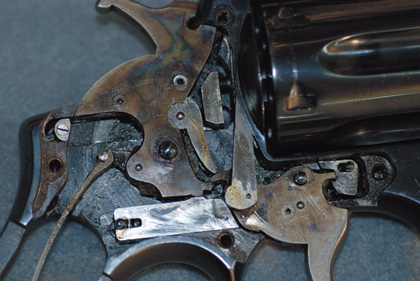
In a double-action revolver, the trigger does two jobs. First, it pulls the hammer back. Then, it releases the hammer to fire the bullet. This means you do not need to cock the hammer separately.
This design allows faster shooting because the shooter only pulls the trigger. The internal parts work together to rotate the cylinder and prepare the gun to fire with each trigger pull.
Trigger Pull Differences
Double-action revolvers usually have a heavier trigger pull than single-action guns. The trigger must move parts inside the gun, like the hammer and cylinder, all at once. This needs more effort from the shooter.
Some shooters find the heavier pull helps prevent accidental shots. Others feel it makes precise shooting harder. The pull weight can vary by model and design of the revolver.
Trigger Pull Weight Factors
Trigger pull weight plays a big role in shooting comfort and accuracy. Double-action revolvers often feel heavier to pull. Several factors affect this weight. Understanding these helps explain why the trigger feels the way it does.
Mechanical Components Impact
The trigger pull weight depends on parts inside the revolver. Springs, levers, and gears all add resistance. Stronger springs make the trigger harder to pull. The design of the mechanism also matters. Some parts create more friction than others. All these combine to set the final trigger pull force.
Role Of Hammer And Cylinder
The hammer and cylinder affect trigger weight directly. The trigger must move the hammer back fully. This takes effort, which adds to the pull weight. The cylinder also needs to rotate as the trigger moves. This rotation requires extra force. Both actions together make the double-action pull heavier than single-action pulls.
Comparing Trigger Pulls
Trigger pull affects how a gun feels and shoots. It can change your accuracy and comfort. Comparing trigger pulls helps you know what to expect from different guns.
Some guns need more force to fire. Others have a lighter touch. Knowing these differences helps you choose better.
Single-action Vs Double-action
Single-action revolvers have a light trigger pull. You just press the trigger to fire. The hammer is cocked manually first. This makes the pull shorter and easier.
Double-action revolvers need a longer, heavier pull. Pulling the trigger cocks and releases the hammer. This requires more force and can affect aim. Some shooters prefer this for safety reasons.
Double-action Vs Semi-automatics
Semi-automatic pistols often have lighter trigger pulls. They usually use a single-action or striker-fired system. This means less force is needed to shoot.
Double-action revolvers have heavier pulls than many semi-automatics. The extra effort can slow down firing speed. It can also affect accuracy for some shooters.
Both types offer safety in different ways. Choosing depends on your comfort and shooting style.

Impact Of Heavy Trigger Pull
The heavy trigger pull in double-action revolvers has a clear impact on shooting. It affects how the shooter controls the gun and the overall shooting experience. Understanding this impact helps users handle the revolver better and shoot more safely.
Accuracy Considerations
A heavy trigger pull can make it hard to keep the gun steady. Shooters may push or pull the gun slightly while pressing the trigger. This movement can cause shots to miss the target. Careful practice helps improve control despite the heavy pull. Some shooters learn to use the double-action pull to time their shots better.
Safety Aspects
The heavy trigger pull adds a layer of safety. It lowers the chance of firing the gun by accident. More force is needed to pull the trigger fully. This means the gun is less likely to go off in a pocket or bag. The heavy pull can help prevent unintentional shots during handling. Safety is a key reason many prefer double-action revolvers.
Reducing Trigger Pull Weight
Double-action revolvers often have a heavier trigger pull than other guns. This can make shooting less smooth and less accurate. Reducing the trigger pull weight helps shooters fire more comfortably and with better control. There are ways to lighten the trigger pull without losing safety or reliability.
Customization Options
Many shooters choose to customize their revolvers to reduce trigger pull weight. Changing the springs inside the gun is a common method. Lighter springs make the trigger easier to pull. Some also polish the internal parts to reduce friction. This helps the trigger move more smoothly. Custom grips can improve hand comfort and control. These changes make shooting easier and more enjoyable.
Professional Gunsmithing
A skilled gunsmith can adjust the revolver safely and correctly. They know how to reduce trigger pull without harming the gun’s function. Professional tuning includes balancing springs and smoothing parts. This work requires special tools and experience. A gunsmith ensures the trigger stays safe and reliable. They can also fix any problems during the process. Hiring a professional is the best way to improve trigger pull weight safely.
Choosing The Right Revolver
Choosing the right revolver matters a lot. It affects your shooting experience and comfort. Knowing what fits you best helps in making a good choice. Many factors play a role in this decision.
Understanding these factors makes it easier to pick a revolver that suits your needs. Focus on what works for you personally and what the gun will be used for.
Personal Preferences
Each shooter has unique tastes. Some like a lighter trigger pull for faster shots. Others prefer a heavier pull for safety. Grip size and weight also matter. Comfort and control should guide your choice. Try different models to find what feels right.
Intended Use Cases
Think about why you need the revolver. For self-defense, quick and easy handling is key. For target shooting, accuracy and smooth trigger pull matter more. Hunters may want a stronger caliber. Knowing the main use helps narrow down options. Match the revolver’s features to your purpose.
Frequently Asked Questions
Do Double-action Revolvers Have Heavier Trigger Pulls?
Yes, double-action revolvers generally have heavier trigger pulls. This is due to the trigger performing two functions: cocking and releasing the hammer. The extra effort makes the pull heavier compared to single-action revolvers, which only release the hammer. This impacts shooting speed and accuracy.
How Does Trigger Pull Affect Shooting Accuracy?
A heavier trigger pull can reduce shooting accuracy. It requires more finger strength and can cause the shooter to jerk the gun. Lighter pulls allow for smoother, more controlled shots. Double-action revolvers’ heavier pulls may challenge beginners but improve with practice.
Can Double-action Trigger Pull Be Adjusted Or Lightened?
Yes, some double-action revolvers allow trigger pull adjustments. Gunsmiths can modify springs or polish parts to reduce pull weight. However, modifications must maintain safety standards. Always consult a professional to avoid compromising the firearm’s reliability.
Why Do Some Shooters Prefer Double-action Revolvers Despite Heavy Pulls?
Shooters prefer double-action revolvers for safety and quick follow-up shots. The heavier pull reduces accidental discharges. Also, they offer the option of single-action firing for lighter pulls. This versatility suits various shooting scenarios and preferences.
Conclusion
Double-action revolvers often have a heavier trigger pull than other guns. This helps improve safety by reducing accidental shots. Some shooters may find the pull hard at first. Practice can make it feel smoother and easier. Choosing the right revolver also matters for comfort.
Overall, a heavier trigger pull is normal for double-action revolvers. It balances safety with shooting control well. Understanding this helps you make better decisions about your firearm. Keep practicing to get more confident and accurate.

