
Have you ever wondered just how precise sniper rifles really are? Whether you’re curious about their power or thinking about the skill needed to use one, understanding their accuracy can change the way you see these powerful weapons.
This isn’t just about numbers or technical specs—it’s about what those numbers mean for you. Keep reading, and you’ll discover surprising facts that might challenge what you think about sniper rifles and how they hit their targets with incredible precision.
Factors Affecting Sniper Rifle Accuracy
Sniper rifle accuracy depends on many important factors. Each factor plays a key role in hitting the target. Understanding these helps explain why some shots are perfect while others miss. The rifle’s design and the shooter’s skill both matter a lot.
Barrel Quality And Length
The barrel affects how bullets fly. A high-quality barrel keeps the bullet steady. Barrel length changes the bullet’s speed and stability. Longer barrels usually give better accuracy. But too long can make the rifle hard to handle.
Ammunition Consistency
Consistent ammunition helps the rifle shoot straight. Bullets must be the same weight and size. Powder inside must burn evenly. Small differences can make shots spread out. Good ammo gives more reliable and tight groups.
Environmental Conditions
Wind, temperature, and humidity affect bullet path. Wind can push bullets off target. Cold air makes bullets slower, hot air faster. Humidity changes air density. Snipers must adjust for these to stay accurate.
Shooter Skill And Technique
The shooter’s skill is very important. Steady breathing and proper trigger pull help. Good posture and grip reduce movement. Experience lets snipers read conditions and adjust. Without skill, even the best rifle won’t hit well.
Types Of Sniper Rifles And Their Precision
Sniper rifles come in different types, each with unique precision levels. Understanding these types helps explain how accurate they can be. The design and mechanics impact the rifle’s performance on the field.
Precision depends on many factors, including the rifle type, ammunition, and shooter skill. Let’s explore three main types of sniper rifles and their accuracy.
Bolt-action Rifles
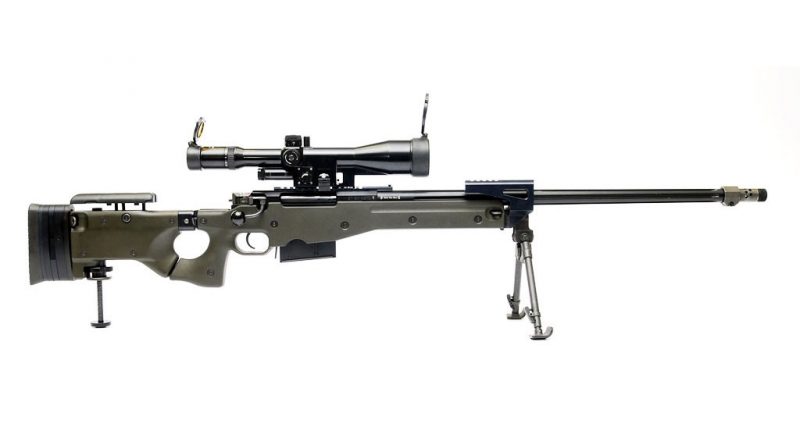
Bolt-action rifles are known for their high accuracy. The shooter manually operates the bolt to load each round. This design reduces moving parts during the shot, leading to less vibration. Less vibration means better shot stability and precision. These rifles are favored in situations needing extreme accuracy over speed.
Semi-automatic Rifles
Semi-automatic rifles can fire multiple shots quickly. They automatically load the next round after each shot. This feature helps in fast-paced situations but can slightly reduce accuracy. The moving parts create more vibration compared to bolt-action rifles. Still, modern semi-automatic rifles offer good precision for many missions.
Anti-materiel Rifles
Anti-materiel rifles are large and powerful. They are designed to destroy equipment and vehicles from long distances. Their size and heavy recoil can affect precision. But they use heavy bullets that stay stable in flight. These rifles excel at long-range targeting but are less precise than smaller sniper rifles for small targets.
Technological Enhancements Improving Accuracy
Technological advancements have greatly improved sniper rifle accuracy. Modern tools help shooters hit targets with higher precision. These technologies reduce errors caused by distance, wind, and movement.
They make aiming easier and adjust shots automatically. Even new shooters can perform better with these tools. The combination of optics, computers, and stabilizers shapes today’s sniper rifles.
Advanced Optics And Scopes
Clear vision is key for accuracy. Advanced optics provide sharp, bright images at long distances. They include adjustable zoom and focus features. Reticles help measure distance and bullet drop. Some scopes offer night vision or thermal imaging. This allows snipers to see in low light or through smoke.
Ballistic Computers
Ballistic computers calculate the best shot automatically. They consider factors like wind speed, temperature, and bullet weight. This data helps adjust the aim precisely. The shooter inputs variables, and the computer suggests corrections. This reduces guesswork and increases hit chances.
Stabilization Systems
Movement affects shot accuracy. Stabilization systems reduce the effect of shaking or recoil. Some use gyroscopes or sensors to steady the rifle. Bipods and mounts also provide a stable shooting platform. These systems help maintain aim even in tough conditions.

Training And Its Role In Precision
Training plays a key role in the accuracy of sniper rifles. The rifle alone cannot guarantee precision. The shooter’s skill and knowledge matter most. Proper training sharpens focus and control. It helps the sniper understand many factors that affect the shot. These include distance, wind, and breathing. Training builds confidence and reduces errors. It turns raw skill into consistent accuracy.
Marksmanship Drills
Marksmanship drills improve aiming and trigger control. Repeating these drills builds muscle memory. This helps the shooter stay steady under pressure. Drills include slow, precise shots and rapid firing. Each practice session refines sight alignment and breath control. Consistent training reduces flinching and jerking the trigger. Snipers learn to keep calm and focused. These skills are essential for hitting small targets at long ranges.
Range Estimation Skills
Estimating range correctly is vital for precision. Snipers train to judge distances without tools. They use visual clues like target size and terrain. Practice helps them quickly calculate bullet drop and flight time. Good range estimation prevents shots from falling short or going long. Training includes using rangefinders and learning to guess distances. This skill saves time and increases hit probability. Without it, even the best rifle may miss.
Wind Reading Techniques
Wind can push bullets off course. Snipers learn to read wind speed and direction carefully. They watch flags, leaves, and dust for clues. Training teaches them how wind affects bullet path. They adjust their aim to compensate for wind drift. This skill requires patience and observation. Practicing in different wind conditions builds confidence. Accurate wind reading is crucial for long-range shots. It can mean the difference between a hit and a miss.
Real-world Accuracy Records
Sniper rifles are known for their precision and long-range capability. Their real-world accuracy depends on many factors. These include the rifle model, environmental conditions, and the skill of the shooter. Below are some key records and standards that show how accurate sniper rifles can be in actual use.
Longest Recorded Shots
Some sniper rifles have made shots over two miles away. The longest recorded sniper kill is more than 3,540 meters. This shot was made in a combat situation. Such distances test the limits of both the rifle and the shooter. These records show sniper rifles can be extremely precise at great ranges.
Military And Law Enforcement Standards
Military and police forces set strict accuracy rules for sniper rifles. They often require shots within one minute of angle (MOA). This means the bullet hits within 1.047 inches at 100 yards. Meeting this standard ensures reliable performance in critical missions. Training and rifle maintenance play key roles in achieving this level.
Competitive Shooting Benchmarks
In competitions, shooters must hit small targets at long distances. Winning scores often require sub-MOA accuracy. This means the rifle must place multiple shots within less than an inch at 100 yards. Competition results help push rifle technology and shooter skills. They show what is possible with top equipment and practice.

Maintenance Practices For Consistent Performance
Maintaining a sniper rifle properly is key to keeping its accuracy high. Regular care ensures the rifle performs well every time it is used. Small issues can turn into big problems without good maintenance. Simple steps can make a big difference in the rifle’s consistency and reliability.
Cleaning And Upkeep
Cleaning the rifle after each use removes dirt and residue. This prevents rust and keeps the barrel clear. Use a soft brush and cleaning solvent designed for firearms. Wipe down all parts, including the scope and trigger area. Proper cleaning stops buildup that affects bullet paths and accuracy.
Regular Calibration
Calibration means adjusting the scope and sights to stay on target. Doing this regularly keeps shots precise. Changes in temperature and movement can affect alignment. Check zeroing by firing test shots and adjusting accordingly. Consistent calibration helps the shooter trust their aim every time.
Component Replacement
Some parts wear out and need replacement to keep the rifle accurate. Springs, bolts, and firing pins can weaken over time. Replace worn parts with quality, compatible items. Regularly inspect all components for signs of damage. Keeping parts fresh ensures smooth function and tight shot groups.
Frequently Asked Questions
How Accurate Are Sniper Rifles At Long Distances?
Sniper rifles maintain high accuracy at long ranges, often within one inch at 100 yards. Precision depends on rifle quality, shooter skill, and environmental factors like wind and temperature.
What Factors Affect Sniper Rifle Accuracy?
Accuracy depends on barrel quality, ammunition, shooter skill, and environmental conditions. Proper maintenance and zeroing also play crucial roles in ensuring consistent accuracy.
Can Sniper Rifles Hit Moving Targets Accurately?
Yes, skilled snipers can accurately hit moving targets by calculating target speed, distance, and bullet travel time. This requires extensive training and experience.
How Does Bullet Type Influence Sniper Accuracy?
Bullet design affects trajectory, stability, and impact. Match-grade ammunition offers superior consistency, improving sniper rifle accuracy significantly compared to standard rounds.
Conclusion
Sniper rifles can be very accurate with the right conditions. Factors like distance, wind, and shooter skill affect the shot. Good rifles and quality ammunition improve precision. Training helps shooters control their breath and aim better. Technology also plays a role in enhancing accuracy.
Still, no rifle is perfect every time. Understanding these points helps appreciate how sniper rifles work. Accuracy depends on many small details coming together. This makes each shot a careful and skilled effort.

