
If you own a rimfire rifle, keeping it clean is one of the best ways to ensure it works smoothly and lasts longer. But how do you clean a rimfire rifle without causing damage?
You might think it’s complicated or time-consuming, but with the right steps, it can be simple and quick. In this guide, you’ll discover easy tips and tricks to make cleaning your rimfire rifle safe and effective. By the end, you’ll feel confident handling your rifle maintenance like a pro.
Ready to get started? Let’s dive in!
Tools And Supplies Needed
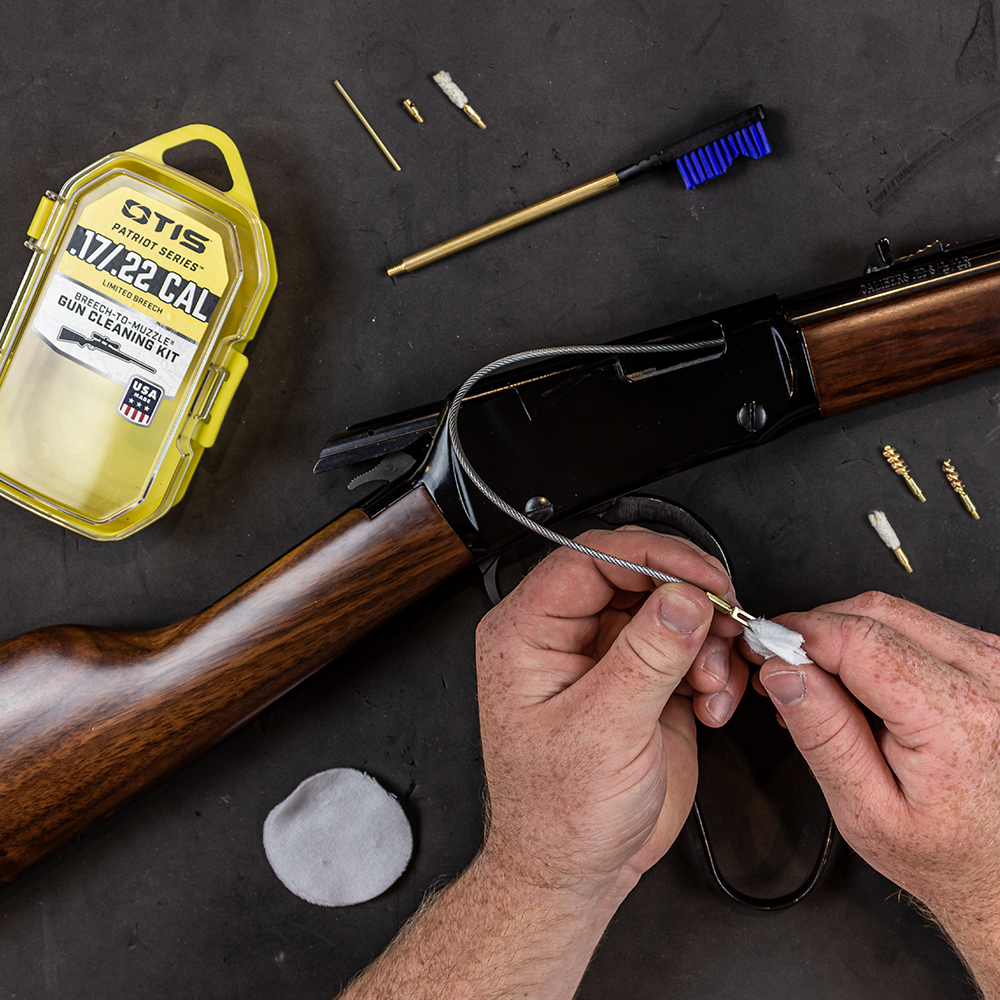
Cleaning a rimfire rifle requires the right tools and supplies. These items help keep the rifle working well and lasting longer. Using proper cleaning tools also makes the job easier and safer. Below are key tools you need for cleaning your rimfire rifle.
Cleaning Rod And Brushes
A cleaning rod is essential for reaching inside the barrel. Choose a rod made from nylon or coated metal to avoid damage. Use a bronze or nylon brush to scrub the barrel gently. The brush removes powder residue and dirt stuck inside. Select the right brush size for your rifle’s caliber.
Cleaning Patches And Solvent
Cleaning patches are soft cloth pieces that fit on the cleaning rod. They help wipe out loosened dirt and oil. Use patches with a good quality solvent made for rimfire rifles. The solvent breaks down fouling and copper deposits inside the barrel. Change patches frequently to avoid pushing dirt deeper.
Lubricants And Cloths
After cleaning, apply a light lubricant to protect metal parts from rust. Use a lubricant made for firearms to avoid build-up. Soft, lint-free cloths help spread oil and wipe excess solvent. Keep cloths clean to prevent scratching the rifle’s surface. Proper lubrication ensures smooth rifle operation and longer life.
Preparing The Rifle
Preparing your rimfire rifle is the first step in proper cleaning. This ensures the process is safe and effective. Taking time to prepare helps avoid damage and keeps you safe.
Ensuring Safety
Always make sure the rifle is unloaded. Check the chamber and magazine to confirm no ammunition is inside. Point the rifle in a safe direction while inspecting.
Remove all cartridges before starting to clean. Keep your fingers away from the trigger during this process. Safety first, always.
Disassembling The Rifle
Follow the manufacturer’s instructions to take the rifle apart. Usually, this involves removing the bolt and separating the barrel from the stock. Use proper tools if needed.
Do not force any parts. Take note of how pieces fit together for easy reassembly later. Clean parts separately for better results.
Cleaning The Barrel
Cleaning the barrel of your rimfire rifle is key to keeping it accurate and safe. Dirt, powder residue, and lead buildup can harm the barrel’s inside. Regular cleaning stops damage and keeps your shots steady.
Each step in cleaning the barrel must be done carefully. Use the right tools and cleaners made for rimfire barrels. This ensures the barrel stays in good shape and lasts longer.
Applying Solvent
Start by applying a cleaning solvent designed for rimfire barrels. The solvent softens and breaks down fouling inside the barrel. Use a patch soaked in solvent and run it through the barrel from the chamber end. Let the solvent sit for a few minutes. This helps loosen dirt and lead deposits.
Running Brushes And Patches
Next, use a nylon or bronze brush to scrub the barrel’s inside. Push the brush gently through the barrel several times. After brushing, run clean patches through the barrel. Keep using patches until they come out clean. This step removes loosened fouling and solvent residues.
Inspecting The Barrel
After cleaning, inspect the barrel carefully. Use a good light source and look down the barrel from the chamber end. Check for any remaining dirt or damage. The barrel should look smooth and clean inside. Repeat cleaning if needed before storing or shooting again.

Cleaning Other Components
Cleaning a rimfire rifle involves more than just the barrel. Other parts also need care to keep the rifle working well. Dirt and residue build up in these areas too. Regular cleaning helps avoid jams and wear. Focus on the bolt, action, trigger assembly, and magazine for best results.
Bolt And Action
Remove the bolt carefully before cleaning. Use a brush to clear dirt and powder residue. Wipe the bolt with a clean cloth. Light oil prevents rust and keeps it smooth. Clean the action area with a brush or cloth. Avoid using too much oil to stop dirt build-up.
Trigger Assembly
The trigger assembly is delicate. Use a small brush or compressed air to remove dust. Avoid soaking this part in oil or solvent. Lightly oil the pivot points if the manufacturer suggests it. Keep the trigger dry to avoid malfunctions.
Magazine
Remove the magazine from the rifle. Disassemble it if possible for a thorough clean. Use a brush to clear dirt inside. Wipe the magazine with a dry cloth. Apply a tiny amount of oil to metal parts. This helps prevent rust but avoid excess oil.
Lubricating The Rifle
Lubricating a rimfire rifle is a vital step in its cleaning process. It helps keep the parts moving smoothly and prevents rust. Proper lubrication also extends the rifle’s life and improves performance. Skipping this step can cause jams and damage to the rifle. Use the right lubricant and apply it carefully for the best results.
Choosing The Right Lubricant
Pick a lubricant made for rimfire rifles or small firearms. These lubricants are light and do not attract much dirt. Avoid thick oils or heavy greases, as they can clog the rifle. Synthetic oils often work well in different weather conditions. Always read the label to ensure it suits your rifle type.
Applying Lubricant Properly
Apply lubricant sparingly to moving parts like the bolt and trigger. Use a small brush or cloth to spread the oil evenly. Avoid over-lubricating, which can attract dust and grime. Wipe off any excess to keep the rifle clean. Focus on metal parts that rub against each other during use.
Reassembling And Final Checks
After cleaning your rimfire rifle, reassembling and doing final checks is very important. This step ensures your rifle works safely and correctly. Taking your time here can prevent future problems and keep your rifle in good shape.
Putting The Rifle Back Together
Start by carefully putting all parts back in place. Follow the order you removed them. Make sure each piece fits tightly and correctly. Loose parts can cause malfunctions or unsafe conditions. Use gentle pressure to avoid damaging any parts. Double-check the barrel, bolt, and trigger assembly. Confirm no dirt or cleaning materials remain inside. Proper assembly keeps your rifle reliable and ready to use.
Function Test And Safety Check
Once assembled, perform a function test. Check the safety mechanism by engaging and disengaging it several times. Pull the trigger without ammunition to ensure it moves smoothly. Cycle the bolt to see if it locks and unlocks properly. Listen for any unusual sounds. Look for any signs of parts not moving as they should. These checks help confirm your rifle is safe to handle and shoot. Never skip this step before storing or using your rifle.
Tips For Regular Maintenance
Regular maintenance keeps your rimfire rifle in good shape. It helps avoid rust, jams, and wear. Clean and store your rifle properly to ensure it works well for a long time.
Cleaning Frequency
Clean your rimfire rifle after every shooting session. This removes powder residue and dirt. If you shoot often, clean the rifle more often. If you shoot less, clean it at least once a month. Regular cleaning stops buildup that can cause problems.
Storage Recommendations
Store your rifle in a dry, cool place. Use a gun safe or cabinet for safety. Keep it away from moisture to prevent rust. Use a silicone cloth to wipe down the metal parts before storing. Consider a dehumidifier in your storage area if it is humid.
Frequently Asked Questions
How Often Should I Clean A Rimfire Rifle?
You should clean your rimfire rifle after every 200-300 rounds. Frequent cleaning prevents fouling and maintains accuracy. Regular maintenance also extends the rifle’s lifespan and ensures reliable performance in the field.
What Tools Are Needed To Clean A Rimfire Rifle?
Essential tools include a cleaning rod, bore brush, patches, solvent, and lubricant. Use a nylon or brass brush to avoid damage. Proper tools help remove lead fouling and keep the barrel in optimal condition.
Can I Use The Same Cleaner For Rimfire And Centerfire Rifles?
No, rimfire rifles require specific lead solvent cleaners. Centerfire cleaners may not effectively remove lead fouling. Always use products designed for rimfire firearms to ensure thorough cleaning and prevent barrel damage.
Should I Clean The Chamber And Bolt Too?
Yes, cleaning the chamber and bolt is crucial. Residue can cause feeding issues and misfires. Use a brush and solvent to remove dirt and buildup for smooth operation.
Conclusion
Cleaning a rimfire rifle is simple with the right steps. Regular cleaning keeps your rifle working well and safe. Use the right tools and gentle cleaning products. Take your time to remove all dirt and residue. This helps your rifle shoot accurately every time.
Remember, a clean rifle lasts longer and feels better to use. Keep your rifle clean after each use for best results. Small efforts lead to big improvements in performance. Easy to do, important to do.

