
Are you curious about how to safely operate an assault rifle? Whether you’re new to firearms or just want to sharpen your skills, safety is the most important part.
Knowing the right steps can protect you and everyone around you. You’ll discover clear, simple guidelines to handle an assault rifle with confidence and care. Keep reading to learn how to make safety your top priority every time you pick up your weapon.
Basic Rifle Components
Understanding the basic parts of an assault rifle is crucial for safe operation. Each component has a specific role that helps the rifle work correctly. Knowing these parts improves handling and safety.
Key Parts To Know
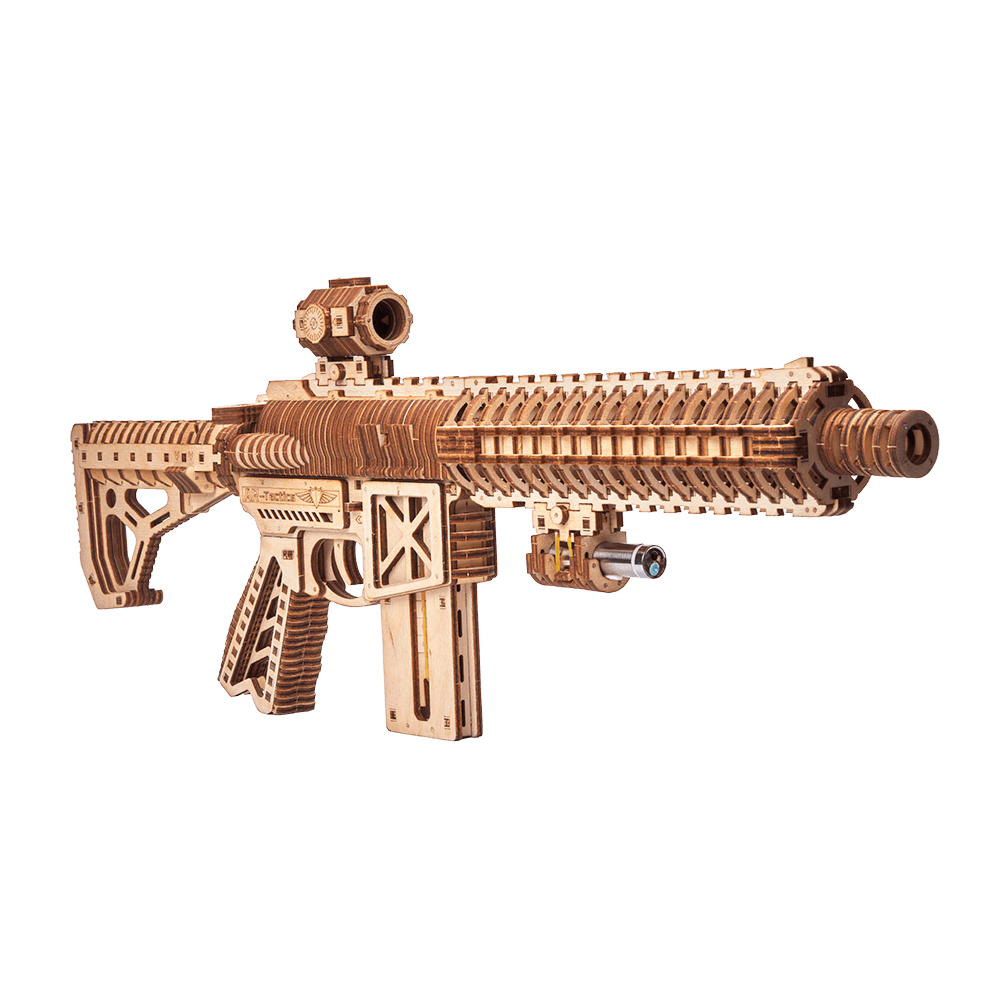
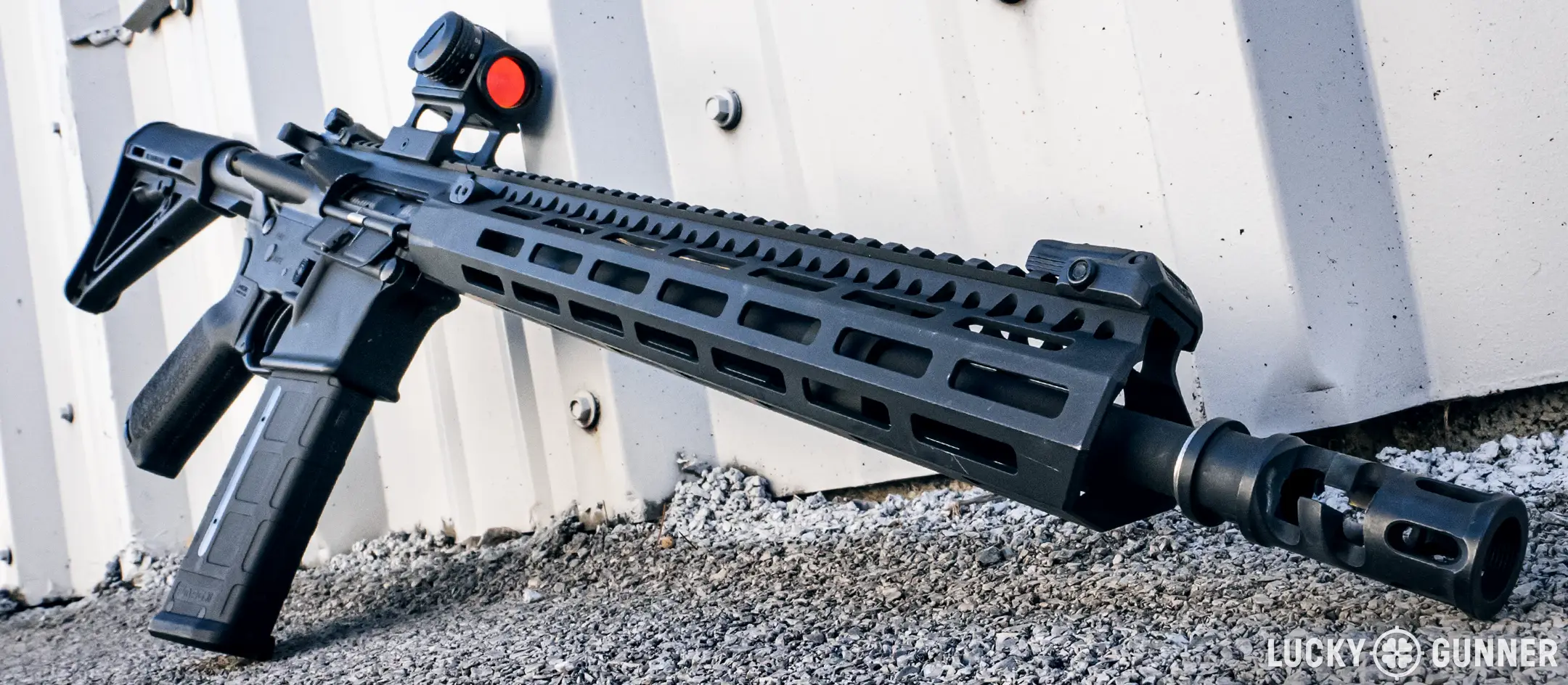
The main parts include the barrel, stock, magazine, trigger, and safety. The barrel directs the bullet when fired. The stock provides support and helps aim. The magazine holds bullets and feeds them into the rifle. The trigger starts the firing process. The safety prevents accidental shots.
Function Of Each Component
The barrel guides the bullet’s path with precision. The stock stabilizes the rifle against the shoulder. The magazine stores bullets and loads them automatically. The trigger releases the firing pin to shoot. The safety blocks the trigger to avoid firing by mistake.
Essential Safety Gear
Essential safety gear protects you and others during rifle use. It lowers injury risks and boosts focus. Safety gear makes shooting safer and more comfortable. Always prepare with the right equipment before handling an assault rifle.
Eye And Ear Protection
Eye protection stops debris and gunpowder from hurting your eyes. Use safety glasses that fit well and have impact resistance. Clear lenses work best for all light conditions.
Ear protection shields your hearing from loud gunshots. Use earmuffs or earplugs made for shooting. Protecting your ears prevents permanent hearing damage.
Proper Clothing
Wear clothes that cover your arms and legs fully. Long sleeves and pants protect skin from sparks and hot brass. Avoid loose clothing that might catch on the rifle or gear.
Choose sturdy shoes with good grip. They help keep balance and protect your feet. Dress in layers to adjust for weather changes at the range.
Safe Handling Practices
Safe handling practices are the foundation of responsible firearm use. They protect you and others around you. Learning and applying these practices reduces accidents and improves control.
Focus on steady control and clear awareness. Always treat the rifle as if it is loaded. Follow these key steps to handle an assault rifle safely and confidently.
Proper Grip And Stance
Hold the rifle firmly with both hands. Your dominant hand grips the handle near the trigger. The other hand supports the front part of the rifle.
Keep your fingers clear of the trigger until ready to shoot. Stand with feet shoulder-width apart. Bend your knees slightly for balance and stability.
Lean forward a bit to absorb recoil. This stance helps maintain control during firing. It also reduces fatigue during extended use.
Trigger Discipline
Never rest your finger on the trigger until you intend to fire. Keep your finger straight and outside the trigger guard.
This habit prevents accidental shots. Only place your finger on the trigger when you are ready to shoot a target.
Practice this discipline every time you handle the rifle. It becomes second nature and improves overall safety.
Loading And Unloading Steps
Loading and unloading an assault rifle requires care and focus. It is important to follow clear steps. Doing this correctly helps prevent accidents and ensures safe handling. Always treat the rifle as if it is loaded.
Magazine Insertion
Hold the rifle firmly with one hand. Take the loaded magazine with the other hand. Align the top of the magazine with the magazine well. Push the magazine straight into the well until it clicks. The click means the magazine is locked in place. Check that the magazine is secure by gently pulling it down. It should not come out easily.
Clearing The Chamber
Keep the rifle pointed in a safe direction. Pull the charging handle back fully to open the chamber. Look inside the chamber to check for any round. Remove any round found by ejecting it out. Release the charging handle slowly to close the chamber. Confirm the chamber is empty by visually inspecting it. Always keep your finger off the trigger during this process.
Shooting Techniques
Shooting techniques are key to operating an assault rifle safely. Good techniques improve accuracy and control. They also reduce the risk of accidents.
Focus on steady aiming and managing recoil. These skills help you shoot more effectively and confidently.
Aiming And Sight Alignment
Aim by aligning the front and rear sights correctly. The front sight should be sharp and clear. The rear sight must frame the front sight evenly.
Keep both eyes open if possible. This improves peripheral vision and target awareness. Focus your eyes on the front sight, not the target.
Hold the rifle steady. Use a firm grip and a stable stance. This helps maintain proper sight alignment during shooting.
Controlling Recoil
Recoil control helps keep your shots on target. Use your body to absorb the rifle’s kickback. Lean slightly forward and bend your knees.
Grip the rifle tightly but not too hard. A firm grip reduces muzzle rise after each shot. This lets you quickly realign your sights for the next shot.
Practice smooth trigger pulls. Jerking the trigger can worsen recoil effects. A steady squeeze helps maintain control and accuracy.
Maintenance And Cleaning
Maintaining and cleaning an assault rifle ensures it works well and lasts long. Regular care prevents malfunctions and keeps the rifle safe to use. Dirt, powder residue, and moisture can cause damage if not removed. Proper cleaning also helps you spot any problems early.
Routine Inspection
Check your rifle before and after each use. Look for cracks, rust, or loose parts. Inspect the barrel for blockages or dirt. Make sure the bolt and firing pin move freely. Pay attention to the magazine and its spring. Catching small issues early keeps the rifle reliable.
Safe Disassembly
Always unload the rifle before taking it apart. Remove the magazine and check the chamber. Follow the manufacturer’s guide for disassembly steps. Use the right tools to avoid damage. Keep parts organized to ease cleaning and reassembly. Handle springs and pins carefully to prevent loss or injury.
Legal And Ethical Responsibilities
Owning and operating an assault rifle carries serious legal and ethical duties. These responsibilities protect you and others around you. Understanding and respecting these duties ensures safe and lawful use. Following laws and acting with respect builds trust in your community.
Local Laws To Follow
Every area has specific rules for assault rifle ownership. Know your local laws well. They cover permits, storage, and where you can carry or shoot. Breaking these laws can lead to fines or jail. Always check for updates in your region’s firearm laws.
Respecting Others
Respect starts with thinking about other people’s safety. Use your rifle only in safe places like approved ranges. Never point it at someone or something you do not want to shoot. Keep noise and disturbance low to avoid upsetting neighbors. Responsible behavior shows you care about your community.

Frequently Asked Questions
What Are The Essential Safety Rules For Assault Rifles?
Always treat the rifle as loaded. Keep the muzzle pointed in a safe direction. Finger off the trigger until ready to shoot. Know your target and what lies beyond. Follow all local laws and guidelines strictly.
How Do You Properly Handle An Assault Rifle?
Use a firm, controlled grip. Maintain awareness of your surroundings. Always check the rifle’s chamber before use. Store the rifle unloaded and locked away. Use proper protective gear like eye and ear protection.
What Training Is Needed To Operate An Assault Rifle Safely?
Professional training is crucial. Learn from certified instructors. Practice handling, shooting, and cleaning regularly. Understand firearm mechanics and safety protocols. Continuous education helps reduce accidents and improves responsible use.
How Should You Store An Assault Rifle Securely?
Store unloaded in a locked safe or cabinet. Use trigger locks or cable locks. Keep ammunition stored separately. Ensure only authorized users have access. Proper storage prevents unauthorized use and accidents.
Conclusion
Safe handling of an assault rifle means respect and care. Always keep the muzzle pointed away from people. Keep your finger off the trigger until ready to shoot. Check that the weapon is unloaded before cleaning or storing it. Use eye and ear protection to stay safe.
Practice regularly to build good habits and confidence. Follow local laws and guidelines at all times. Safety is not just a rule—it is a responsibility. Stay alert, stay prepared, and handle your rifle with care. Safety first, always.

