
Have you ever wondered just how far your bolt-action rifle can shoot with precision? Whether you’re a seasoned marksman or a curious beginner, knowing the true range of your rifle can change the way you approach every shot.
You’ll discover the realistic distances where your bolt-action rifle delivers sharp, accurate hits. Understanding this can boost your confidence and improve your skills, helping you make every bullet count. Keep reading to unlock the secrets behind your rifle’s accuracy and learn how to maximize its potential.

Bolt-action Rifle Basics
Bolt-action rifles are popular for their precision and reliability. They have a simple design that many shooters trust. These rifles use a manual bolt mechanism to load and fire bullets. Understanding the basics helps to know why they can shoot so accurately over long distances.
Key Components
The main parts include the barrel, bolt, trigger, and stock. The barrel guides the bullet when fired. The bolt is a metal handle that loads a bullet into the chamber. The trigger releases the firing pin to shoot. The stock supports the rifle and helps aim.
How It Works
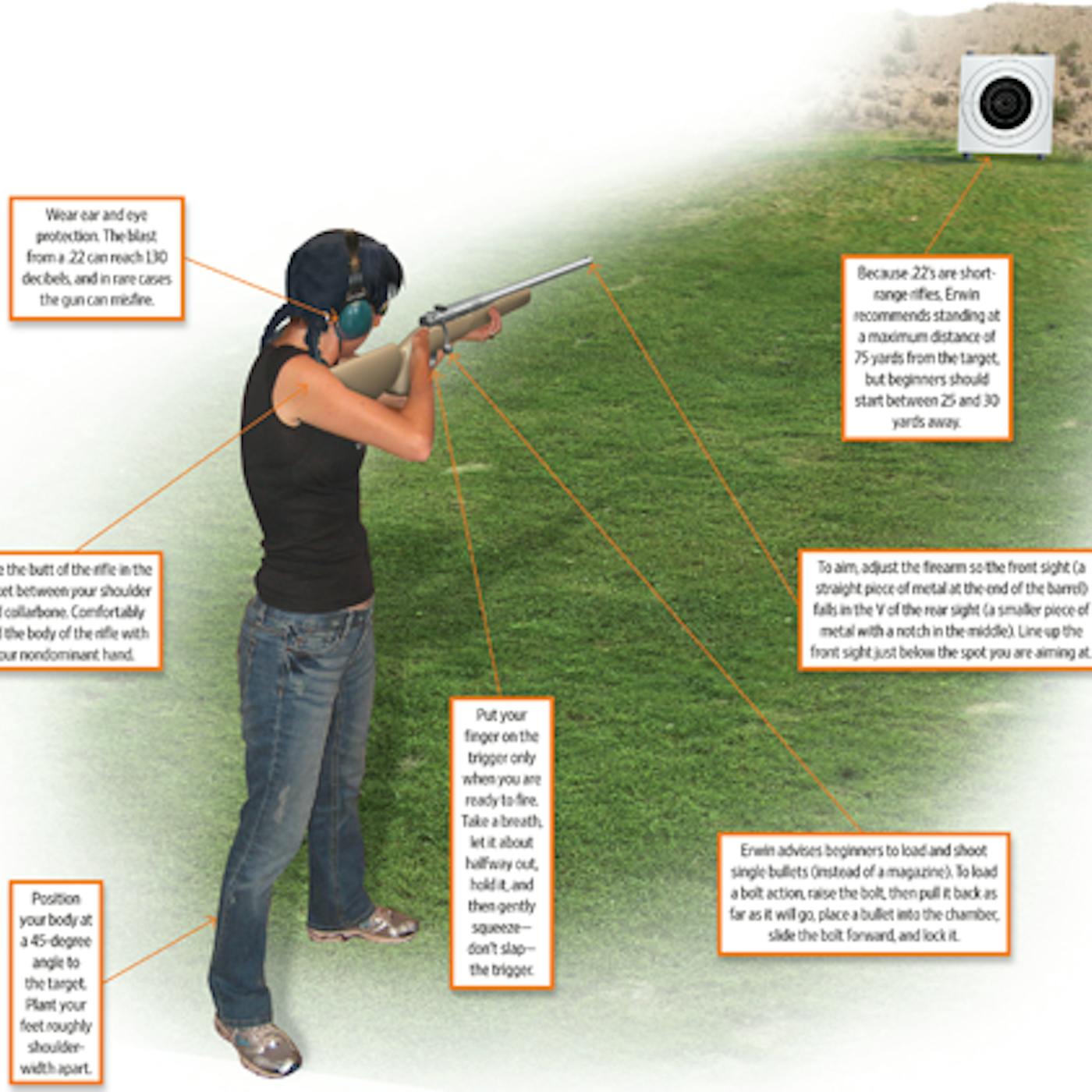
First, the shooter lifts the bolt handle and pulls it back. This action ejects the spent cartridge from the chamber. Then, pushing the bolt forward loads a new bullet. Finally, the shooter pushes the bolt down to lock it. Pulling the trigger fires the bullet.
Common Calibers
Bolt-action rifles come in many calibers. Popular ones include .308 Winchester, .30-06 Springfield, and 6.5mm Creedmoor. Each caliber offers different ranges and power. Shooters choose based on the distance and type of shooting they want.
Factors Affecting Accuracy
Accuracy in bolt-action rifles depends on several key factors. These elements influence how far and how precisely a shot can hit the target. Understanding these helps improve shooting skills and rifle choice. Each factor plays a role in the overall performance of the rifle.
Barrel Length And Quality
The barrel length affects bullet speed and stability. Longer barrels usually give bullets more time to accelerate. This can improve accuracy at longer distances. The barrel’s quality also matters. A well-made barrel ensures consistent bullet paths. Rifles with smooth, strong barrels produce tighter groups on target.
Ammunition Types
Different ammunition types impact accuracy and range. High-quality bullets fly straighter and maintain speed better. Match-grade ammo is designed for precision shooting. Lower-quality ammo may cause inconsistent shots. Choosing the right ammunition can increase accuracy significantly.
Shooter Skill
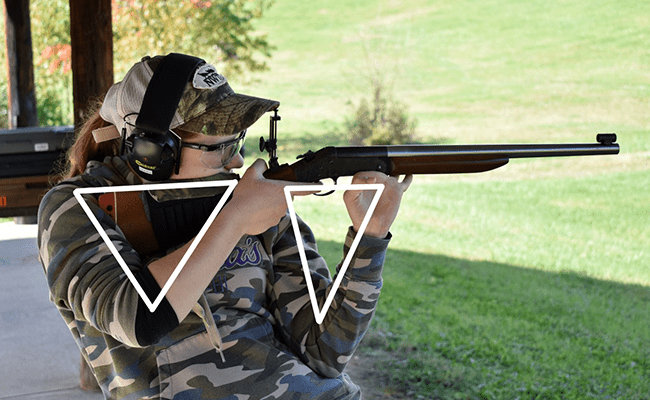
The shooter’s skill plays a critical role in accuracy. Proper breathing, trigger control, and posture matter. Consistent practice helps shooters control recoil and aim steadily. Even the best rifle cannot perform well without a skilled shooter. Focused training enhances long-range shooting success.
Environmental Conditions
Weather affects bullet flight and accuracy. Wind can push bullets off course. Temperature changes can alter bullet speed. Humidity and altitude also impact shooting conditions. Shooters must adjust for these factors to maintain accuracy. Awareness of environment improves shot placement.
Effective Shooting Distances
Bolt-action rifles are known for their accuracy and reliability. Understanding effective shooting distances helps shooters use these rifles better. The range depends on the rifle, ammunition, and shooter skill.
Effective shooting distance means the range where a shooter can expect consistent accuracy. This distance varies by purpose. It is important to know typical distances for hunting, precision shooting, and tactical use.
Typical Ranges For Hunting
Most hunters use bolt-action rifles within 100 to 300 yards. This range suits common game like deer and elk. Shots beyond 300 yards need more skill and better equipment. Many hunters prefer staying inside this range for ethical kills.
Long-range Precision
Long-range shooters push bolt-action rifles to 800 yards or more. Precision shooting requires steady aim and good optics. Specialized rifles and high-quality ammo improve accuracy at these distances. Wind and weather also affect long-range shots greatly.
Military And Tactical Use
Military snipers use bolt-action rifles for extreme accuracy. Typical engagement distances range from 600 to 1,200 yards. These rifles offer reliability and precision under pressure. Training and advanced scopes help achieve success in tactical missions.
Maximizing Bolt-action Accuracy
Maximizing the accuracy of a bolt-action rifle takes attention to detail. Small improvements can make a big difference in shooting precision. Focus on key areas like maintenance, optics, and shooting techniques. These factors help the rifle perform at its best over long distances.
Proper Maintenance
Clean the barrel regularly to keep it free from dirt and residue. A dirty barrel can affect bullet flight and reduce accuracy. Lubricate the bolt and moving parts to ensure smooth operation. Check for any loose screws or worn parts before shooting. Proper maintenance keeps the rifle reliable and precise.
Optics And Sights
Choose quality optics designed for long-range shooting. Clear and sharp scopes help identify targets better. Adjust the sights for wind and elevation changes. Use proper mounting to keep the scope steady. Good optics improve aiming and shot placement.
Shooting Techniques
Practice steady breathing and trigger control. Hold the rifle firmly but avoid excessive tension. Use a stable shooting position, such as prone or bench rest. Aim carefully and follow through after each shot. Consistent techniques build accuracy over time.
Real-world Shooting Examples
Real-world shooting examples show the true potential of bolt-action rifles. These rifles are not only precise but also reliable at long distances. Many shooters have tested their limits with these rifles, pushing accuracy to impressive ranges. Below are some notable examples that highlight how far bolt-action rifles can shoot accurately.
Record-breaking Shots
Some shooters have made incredible shots beyond 2,000 yards using bolt-action rifles. These record shots prove the rifle’s accuracy and the shooter’s skill. The longest confirmed kill shot with a bolt-action rifle is over 3,500 yards. Achieving such distances requires perfect conditions and expert marksmanship. These records inspire shooters to improve their technique and gear.
Popular Long-range Competitions
Long-range shooting competitions often involve bolt-action rifles. Events like the Precision Rifle Series challenge shooters to hit targets over 1,000 yards. These contests test accuracy, wind reading, and patience. Many shooters use bolt-action rifles for their consistency and precision. Competing helps shooters learn how to shoot accurately at long distances under pressure.
User Experiences
Many users report hitting targets accurately up to 1,200 yards with bolt-action rifles. They share tips on choosing the right ammo and scope for long shots. Some beginners find bolt-action rifles easier to shoot well at distance than semi-automatics. Experienced shooters praise the rifle’s reliability and tight groups. These real stories help others understand what to expect from bolt-action rifles.
Choosing The Right Rifle For Distance
Choosing the right rifle for distance is key to accurate shooting. A good rifle matches your needs and skill level. Distance shooting requires precision and reliability. Not every rifle fits all shooters or all ranges.
Focus on features that improve accuracy and comfort. Weight, barrel length, and action type all matter. The rifle should feel balanced and stable in your hands. A well-chosen rifle helps you hit targets further away with confidence.
Budget Considerations
Set a clear budget before buying a rifle. Higher price often means better quality and precision. But some affordable rifles offer great accuracy. Think about how much you want to spend on the rifle and gear. Don’t forget to include costs for scopes and ammo. A moderate budget can still get you a reliable rifle for distance shooting.
Customization Options
Customization helps tailor the rifle to your style. Adjustable stocks and triggers improve comfort and control. Different barrel lengths affect shooting distance and stability. Adding a quality scope enhances target visibility. Look for rifles that allow upgrades over time. Customization keeps your rifle accurate as you improve your skills.
Brand Comparisons
Some brands are known for precision and durability. Research brands with good reviews from distance shooters. Compare features like barrel quality, action smoothness, and warranty. Trusted brands often have better customer service and parts availability. Choose a brand that fits your budget and shooting goals. This ensures a satisfying shooting experience at long range.
Frequently Asked Questions
How Accurate Is A Bolt-action Rifle At Long Distances?
Bolt-action rifles are highly accurate at long ranges. They can maintain precision up to 800-1000 yards with proper ammunition and skill. Factors like barrel quality, shooter ability, and environmental conditions influence accuracy significantly.
What Factors Affect A Bolt-action Rifle’s Shooting Range?
Barrel length, caliber, ammunition type, and shooter skill affect range. Weather conditions and rifle maintenance also play crucial roles. Combining these factors determines the rifle’s maximum accurate shooting distance.
Can Bolt-action Rifles Compete With Semi-automatic Rifles In Accuracy?
Yes, bolt-action rifles generally offer superior accuracy over semi-automatics. Their simpler mechanism reduces barrel vibration and ensures consistent bullet placement. This makes them preferred for precision shooting and hunting.
What Is The Typical Effective Range For Hunting With A Bolt-action Rifle?
The effective hunting range is usually 300-500 yards. This depends on the rifle caliber and shooter’s proficiency. Ethical hunting demands precise shots within this range to ensure humane kills.
Conclusion
A bolt-action rifle can shoot accurately at long distances. Skill, ammo quality, and rifle condition all matter. Most shooters find good accuracy within 600 yards. Expert marksmen may reach beyond 1,000 yards. Wind, weather, and terrain affect every shot. Practice helps improve aiming and consistency.
Choosing the right rifle and ammo matters too. Precision shooting takes patience and steady hands. Keep learning and testing to find your best range. Accurate shooting is possible with care and time.

