
If you’ve ever wondered how much you can count on a semi-automatic rifle, you’re not alone. Whether you’re thinking about your next purchase, concerned about safety, or just curious, understanding reliability is key.
You want a rifle that performs when it matters most—without surprises. You’ll discover what makes these rifles dependable, what can go wrong, and how to make sure your weapon stays in top shape. Keep reading, because knowing the truth about reliability could make all the difference for you.

Semi-automatic Rifle Basics
Semi-automatic rifles are popular for many reasons. They offer a balance between control and speed. Understanding their basics helps you see how reliable they can be. These rifles fire one bullet each time the trigger is pulled. The rifle automatically loads the next round, ready to fire again.
Knowing the key parts and how they work can clear up common questions. Different models have unique features, but the core design stays similar. This section breaks down the basics of semi-automatic rifles in simple terms.
Key Components
Semi-automatic rifles have several important parts. The barrel guides the bullet out. The trigger starts the firing process. The bolt moves back and forth to load rounds. The magazine holds the bullets. The stock helps you hold the rifle steady. Each part plays a role in how the rifle works.
Operating Mechanism
When you pull the trigger, the rifle fires a bullet. Gas or recoil pushes the bolt back. This action ejects the spent cartridge. Then, the bolt moves forward, loading a new round. The rifle is ready to fire again quickly. This mechanism allows faster shooting than manual rifles.
Common Models
Many semi-automatic rifles are well-known worldwide. The AR-15 is popular for its light weight and ease of use. The Ruger Mini-14 offers durability and reliability. The SKS is valued for simplicity and cost. These models show different designs but use similar mechanics.
Factors Affecting Reliability
Semi-automatic rifles depend on many factors for their reliability. These factors influence how well the rifle works in different situations. Understanding these helps users choose and care for their rifles properly.
Build Quality
The rifle’s build quality greatly affects its reliability. Strong materials and precise manufacturing reduce malfunctions. Rifles made with tight tolerances often perform better. Poorly made rifles may jam or fail to fire.
Ammunition Types
The type of ammunition used impacts rifle performance. Some rifles work best with specific bullet sizes or brands. Low-quality ammo can cause misfires or jams. Using the correct ammo ensures smooth operation every time.
Maintenance Practices
Regular cleaning and proper maintenance keep rifles reliable. Dirt and debris can block moving parts. Lubrication helps prevent wear and tear. Neglecting maintenance leads to failures and shorter rifle life.
Environmental Conditions
Weather and surroundings affect rifle function. Rain, mud, and dust can cause issues. Extreme cold or heat may impact parts and ammo. Keeping the rifle protected helps maintain reliability in tough conditions.
Common Malfunctions
Semi-automatic rifles are popular for many reasons. They offer quick shooting and ease of use. Still, no firearm is perfect. Common malfunctions can affect their reliability. Knowing these issues helps users handle and maintain their rifles better.
Understanding common problems also reduces surprises during use. It improves safety and shooting experience. Here are some frequent malfunctions found in semi-automatic rifles.
Jamming Issues
Jamming happens when a rifle stops working during firing. It can be caused by dirt, poor ammunition, or weak springs. Jams block the chamber or feeding system. Cleaning and using quality ammo lowers jamming risks. Regular checks keep the rifle running smoothly.
Misfires
A misfire occurs when the trigger is pulled but no shot fires. This can happen due to faulty primers or bad ammunition. The firing pin may also fail to strike properly. Misfires can frustrate shooters and reduce confidence. Proper ammo and regular maintenance help avoid misfires.
Feed Failures
Feed failures happen when the rifle does not load the next round correctly. This stops the shooting process. Causes include magazine problems or dirt inside the feed system. Keeping magazines clean and in good shape reduces feed failures. Checking parts often ensures reliable feeding.
Performance In Different Scenarios
Semi-automatic rifles show strong performance across many situations. Their reliability depends on design, maintenance, and environment. These rifles handle stress and repeated use well. Different groups use them for specific needs and challenges.
Here is how semi-automatic rifles perform in various real-world scenarios.
Military Use
Military forces rely on semi-automatic rifles for their balance of speed and control. These rifles work well in combat and training. Soldiers need weapons that fire quickly but stay accurate. Semi-automatic rifles offer this by allowing fast follow-up shots without losing precision.
Durability is key in harsh conditions like dirt, rain, and heat. Most military models are built tough to endure such environments. Regular cleaning and care keep them functioning under pressure. Their ability to perform under stress makes them a trusted choice for many armed forces.
Law Enforcement
Police officers use semi-automatic rifles for protection and tactical operations. These rifles provide enough power to stop threats effectively. They are easier to control than fully automatic guns, reducing accidental shots.
Law enforcement values quick response and reliability. Semi-automatic rifles deliver both. They work well in urban and rural settings. Officers can carry them comfortably and use them in close quarters or open areas. This flexibility supports many law enforcement tasks.
Civilian Applications
Civilians use semi-automatic rifles for hunting, sport shooting, and home defense. Their ease of use and accuracy make them popular choices. Hunters appreciate the quick follow-up shots for game hunting. Sport shooters value the smooth operation during competitions.
For home defense, these rifles offer reliable stopping power. Simple maintenance and user-friendly design help new shooters. Proper training and safe handling ensure better performance and safety. Overall, semi-automatic rifles serve many civilian needs well.
Comparing Semi-automatic Rifles To Other Firearms
Semi-automatic rifles offer a balance between speed and control. Comparing them to other firearm types helps understand their reliability better. Each firearm design has strengths and weaknesses that affect performance and ease of use.
Bolt-action Rifles
Bolt-action rifles require manual operation to load each round. This slows down the firing rate but increases reliability. Fewer moving parts mean less chance of jamming. These rifles are often favored for precision and long-range shooting. They excel in clean, controlled environments but may lag in rapid fire situations.
Fully Automatic Rifles
Fully automatic rifles fire continuously as long as the trigger is pressed. This allows rapid rounds but can cause overheating and jams. Their complex mechanisms need regular maintenance. They offer high firepower but can be less reliable in harsh conditions. Controlling recoil and accuracy is also more difficult compared to semi-automatics.
Pump-action Rifles
Pump-action rifles use a sliding grip to cycle the action manually. This makes them reliable with fewer malfunctions. They are slower to fire than semi-automatics. Users can easily clear jams by cycling the pump. These rifles are popular for hunting and tactical uses where reliability matters most.
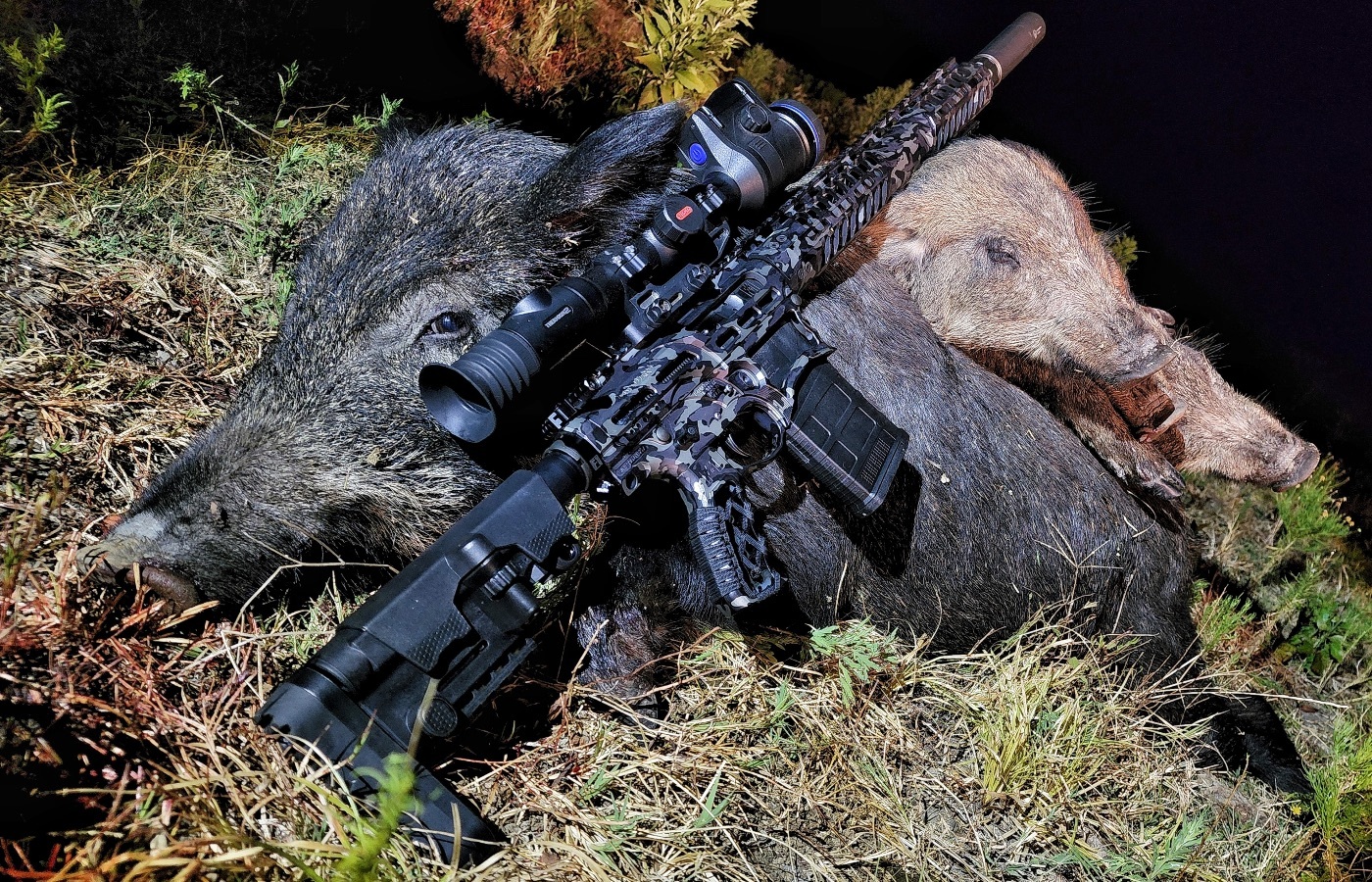
Tips To Enhance Reliability
Keeping a semi-automatic rifle reliable takes some effort. Small actions make a big difference. Simple steps help the rifle work smoothly every time. Below are key tips to improve reliability.
Regular Cleaning
Cleaning the rifle often stops dirt build-up. Dirt and carbon can block parts. Use a proper cleaning kit after every use. Pay close attention to the barrel and bolt. Clean parts dry before putting them back. This keeps the rifle firing without jams.
Proper Storage
Store the rifle in a dry and cool place. Avoid damp areas that cause rust. Use a case or gun safe for protection. Keep the rifle unloaded and locked up. Proper storage prevents damage and keeps parts working well.
Choosing Quality Ammunition
Good ammunition makes the rifle function better. Cheap or old ammo can cause misfires. Use fresh rounds from trusted brands. Check the ammo size matches your rifle. Quality ammo reduces jams and increases safety.
Expert Opinions And Field Tests
Experts and real users provide valuable insights into the reliability of semi-automatic rifles. Their opinions and test results give a clear picture of how these rifles perform in different conditions. This section explores what industry professionals say, what users report, and what independent tests reveal about these firearms.
Industry Reviews
Industry experts often test semi-automatic rifles in controlled settings. They check how well rifles work under stress and repeated use. Reviews focus on build quality, ease of use, and failure rates. Most experts agree that many modern rifles offer reliable performance. They note small differences between brands and models. Experts recommend specific rifles for hunting, sport, or defense based on reliability.
User Experiences
Actual users share practical feedback from daily use. Many report consistent performance with regular cleaning and care. Some mention occasional jams or misfires, often linked to poor maintenance or cheap ammo. Users value rifles that function well in harsh environments. Stories from hunters, sport shooters, and military personnel highlight real-world reliability. These experiences help buyers understand what to expect beyond lab tests.
Independent Testing Results
Independent labs run unbiased tests on semi-automatic rifles. Tests include firing thousands of rounds and exposure to dirt, sand, and moisture. Results show how rifles withstand tough conditions over time. Most rifles pass basic reliability tests but differ in long-term durability. Independent results often guide consumers toward trusted brands. These tests confirm many rifles work as advertised when properly maintained.

Frequently Asked Questions
How Reliable Are Semi-automatic Rifles In General?
Semi-automatic rifles are generally reliable with proper maintenance. They function well under normal conditions but may jam if dirty or damaged. Quality manufacturing and regular cleaning enhance their reliability significantly.
What Factors Affect Semi-automatic Rifle Reliability?
Factors like ammunition quality, maintenance frequency, and environmental conditions impact reliability. Using clean, high-grade ammo and regular upkeep reduces malfunctions. Harsh environments like dirt or moisture increase failure risks.
Can Semi-automatic Rifles Handle Continuous Firing?
Semi-automatic rifles can handle rapid firing but may overheat. Extended firing sessions require pauses to prevent damage. Proper cooling and breaks improve performance during continuous shooting.
How Does Maintenance Influence Rifle Performance?
Regular maintenance ensures smooth operation and prevents jams. Cleaning after use removes residue and dirt buildup. Proper lubrication and inspection keep the rifle reliable and extend its lifespan.
Conclusion
Semi-automatic rifles offer a good balance of speed and control. They work well with proper care and regular cleaning. Reliability depends on quality, maintenance, and user skill. Many users find them dependable for various activities. Remember, no firearm is perfect all the time.
Choose wisely and practice safe handling always. Trust comes from experience and knowledge. Keep learning and stay responsible.

