
If you own a snub-nose revolver or are thinking about getting one, it’s important to know the common issues that might come up. These compact guns are popular for self-defense, but they have some quirks you should be aware of.
Knowing these problems can help you avoid surprises and keep your revolver working smoothly. Keep reading to discover what to watch out for and how to handle these common snub-nose revolver challenges. Your safety and confidence depend on it.

Design Limitations
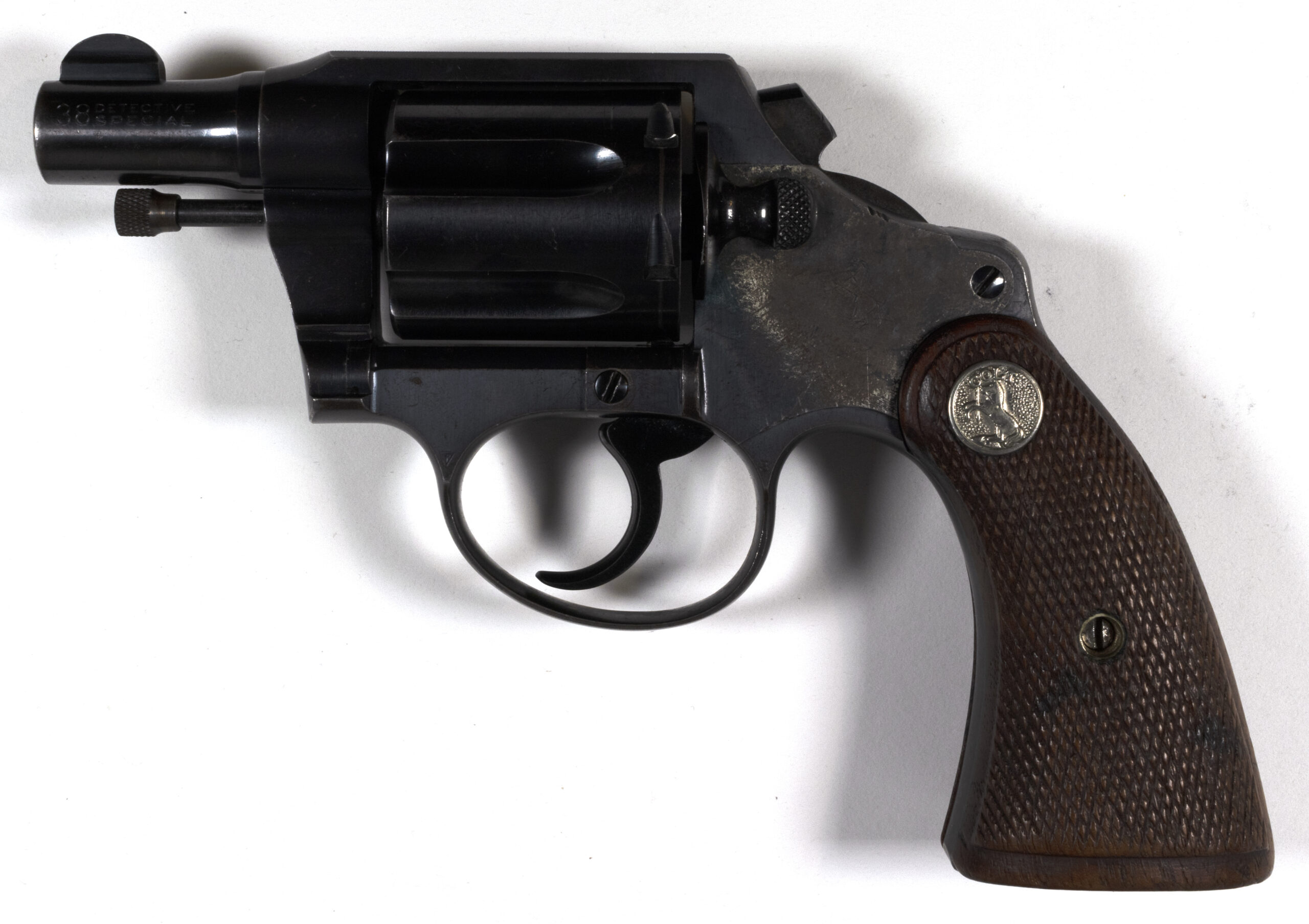
Snub-nose revolvers have a compact design that makes them easy to carry. Their small size comes with some design limits that affect performance and ease of use. Understanding these limits helps users handle them better and set the right expectations.
Barrel Length Impact
The short barrel reduces the gun’s overall length. This makes the revolver easy to hide and quick to draw. But, it also lowers bullet speed and accuracy. Shots may lose power over distance. This limits how far you can shoot effectively.
Sight Challenges
Snub-nose revolvers usually have small, simple sights. The short barrel leaves less space for bigger sights. This makes aiming harder, especially in low light. Quick target acquisition can be difficult. Users often rely on point shooting instead of precise aiming.
Trigger Mechanics
Many snub-nose revolvers have a heavier trigger pull. This is due to their compact internal parts. A heavy trigger can reduce shooting accuracy. It takes more finger strength and control. Some models offer lighter trigger options, but they may cost more.
Accuracy Concerns
Snub-nose revolvers are popular for their compact size and ease of carry. Accuracy is one common concern for many users. Understanding the factors that affect accuracy helps improve shooting skills with these firearms.
Short Sight Radius
Snub-nose revolvers have very short barrels. This short length limits the distance between the front and rear sights. A shorter sight radius makes it harder to align sights precisely. Small aiming errors become bigger mistakes downrange. This reduces the shooter’s ability to hit targets accurately at longer distances.
Recoil Effects
The short barrel also means more felt recoil. Snub-nose revolvers tend to kick harder than longer-barrel guns. Strong recoil can push the gun off target quickly. It may cause the shooter to flinch or lose control. Maintaining steady aim between shots becomes difficult.
Ammunition Selection
The type of ammo affects accuracy too. Some rounds produce less recoil but less power. Others have strong recoil and more kick. Choosing the right ammunition balances comfort and precision. Lighter loads help reduce muzzle rise and improve control. Experimenting with ammo helps find the best fit for your revolver and shooting style.
Reliability Issues
Snub-nose revolvers are popular for their compact size and ease of carry. Yet, they can face some reliability issues that affect performance. Understanding these common problems helps users maintain their revolvers better.
Reliability problems can cause frustration and unsafe situations. Regular care and awareness reduce these issues effectively.
Cylinder Timing
Cylinder timing is when the cylinder lines up correctly with the barrel. Poor timing causes the bullet to misalign, affecting accuracy. This problem can also lead to damage inside the revolver. Checking and adjusting timing is important for smooth operation.
Misfires And Jams
Misfires happen when the gun does not fire after pulling the trigger. Dirt, worn parts, or bad ammunition cause misfires. Jams can block the cylinder from rotating properly. Keeping the revolver clean and using quality ammo lowers these risks.
Ejector Rod Wear
The ejector rod pushes spent cartridges out of the cylinder. Over time, this rod can wear down or bend. A damaged rod makes cartridge removal difficult and slow. Inspecting and replacing the rod keeps the revolver reliable during use.
Handling Difficulties
Snub-nose revolvers are popular for their small size and easy carry. Handling them can be tricky for some users. Their design can cause certain difficulties during use. Understanding these issues helps improve safety and shooting accuracy.
Grip Size And Comfort
The grip on snub-nose revolvers is usually small. This makes holding the gun comfortably a challenge. People with larger hands may find the grip too tight. It can cause the gun to slip during shooting. A poor grip affects control and aim. Some users add aftermarket grips to improve comfort.
Heavy Trigger Pull
Snub-nose revolvers often have a heavy trigger pull. It needs more force to fire the gun. This can make shooting slower and less accurate. Beginners may struggle to keep the gun steady. The heavy trigger pull can cause the gun to move off target. Regular practice helps reduce this problem.
Recoil Management
Recoil is stronger in snub-nose revolvers due to their size. The short barrel and light weight increase felt recoil. This can make shooting uncomfortable or painful. Managing recoil is important for quick follow-up shots. Proper grip and stance help control recoil better.
Maintenance Challenges
Snub-nose revolvers are popular for their compact size and ease of carry. Yet, their maintenance can be tricky. The small size and tight design create specific challenges. Knowing these can help keep the revolver in good shape.
Cleaning Access
Cleaning a snub-nose revolver is not always easy. The short barrel and compact frame limit access to some parts. Dirt and residue can build up in hard-to-reach areas. This makes thorough cleaning a challenge. Special tools may be needed to reach tight spaces.
Parts Wear And Replacement
Small parts in snub-nose revolvers wear out faster. The tight mechanism means parts rub against each other more. Springs and pins can weaken over time. Finding replacement parts can be difficult. Some models have unique parts not widely available.
Lubrication Needs
Proper lubrication is essential for smooth action. Too much oil can attract dirt and cause jams. Too little oil leads to increased friction and wear. Applying the right amount in small, precise spots is important. Regular checks help maintain performance and prevent damage.
Safety Considerations
Safety is a key concern with snub-nose revolvers. These guns are small and easy to carry but need careful handling. Understanding common safety issues helps prevent accidents.
Hammer Bite Risk
Snub-nose revolvers often have exposed hammers. This can cause “hammer bite,” where the hammer pinches the skin during firing. It can be painful and cause injury. Some models have shrouded hammers to reduce this risk. Wearing proper clothing or gloves can also help protect your hand.
Drop Safety Features
Modern snub-nose revolvers include drop safety features. These prevent the gun from firing if dropped. Older models may lack these safety mechanisms. Always check if your revolver has a transfer bar or hammer block. These parts stop accidental discharge from impact.
Proper Carry Techniques
Carrying a snub-nose revolver safely is vital. Use a holster that fully covers the trigger guard. This stops unintentional firing. Position the gun securely to avoid shifting or dropping. Practice drawing and re-holstering safely to build good habits.

Frequently Asked Questions
What Common Mechanical Problems Affect Snub-nose Revolvers?
Snub-nose revolvers often face issues like cylinder binding, trigger stiffness, and hammer misalignment. These problems impact reliability and smooth operation. Regular cleaning and proper lubrication help reduce mechanical failures and maintain performance.
Why Do Snub-nose Revolvers Have Accuracy Challenges?
Short barrels limit sight radius and bullet velocity, reducing accuracy. The compact design affects stability during shooting. Proper grip technique and practice can improve precision despite inherent accuracy limitations.
How Does Recoil Affect Snub-nose Revolver Use?
Due to their light weight and short barrel, snub-nose revolvers produce sharper recoil. This can cause discomfort and reduce follow-up shot speed. Using proper stance and grip can help manage recoil effectively.
Are Snub-nose Revolvers Harder To Maintain?
Their compact design can make disassembly and cleaning more challenging. Small parts require careful handling to avoid damage. However, routine maintenance is essential to ensure reliable function and longevity.
Conclusion
Snub-nose revolvers have some common issues every owner should know. Misfires and cylinder binding can happen with poor cleaning. Short barrels might reduce accuracy and increase recoil. Parts can wear out faster due to compact design. Regular maintenance keeps these guns working well and safe.
Understanding these problems helps you handle your revolver better. Choose quality ammo and clean your gun often. This keeps your snub-nose revolver reliable and ready to use. Simple care makes a big difference in performance.

