
If you’re thinking about getting a rimfire rifle, it’s important to know both the good and the not-so-good sides. While rimfire rifles are popular for many reasons, there are some key drawbacks you should be aware of before making your choice.
Understanding these disadvantages will help you decide if a rimfire rifle truly fits your needs and expectations. Keep reading to discover what might hold you back and how it could impact your shooting experience.
Limitations In Power
Rimfire rifles have some limits in power compared to centerfire rifles. These limits affect their use in hunting and shooting sports. Understanding these power limitations helps in choosing the right rifle for your needs.
Lower Muzzle Velocity
Rimfire rifles shoot bullets at lower speeds. The muzzle velocity is less than centerfire rifles. This means the bullet hits the target with less force. It can affect accuracy and stopping power. For long-distance shots, rimfire rifles may not perform well.
Restricted Caliber Options
Rimfire rifles come in fewer calibers. Most common is the .22 caliber. Other sizes are rare or not available. This limits the rifle’s use for bigger animals or different shooting needs. The small calibers mean less power and range.
Accuracy Challenges
Rimfire rifles often face problems that affect their accuracy. These challenges make it harder to hit small or distant targets consistently.
Understanding these issues helps shooters manage their expectations and improve their shooting skills.
Barrel Wear Issues
Rimfire barrels wear out faster than centerfire barrels. The thin barrel walls and the firing process cause quicker erosion.
This wear can change the barrel’s shape, which lowers shooting precision. Over time, shots may group less tightly.
Regular cleaning and careful use can slow wear but not stop it entirely.
Ammunition Consistency
Rimfire ammo varies more than centerfire ammo in quality and performance. This inconsistency affects bullet speed and trajectory.
Some rounds may shoot higher or lower than others, making it tricky to maintain accuracy. Choosing reliable brands helps reduce this issue.
Still, ammo variation remains a common problem for rimfire shooters seeking tight groups.
Reliability Concerns
Rimfire rifles have some reliability concerns that users should know. These issues can affect performance and shooting experience. Understanding these problems helps in making a better choice.
Misfires And Jams
Rimfire rifles are more prone to misfires than centerfire guns. The firing pin strikes the rim of the cartridge. If the rim is weak or damaged, the gun may not fire. Jams happen when the cartridge does not feed properly. This can slow down shooting and cause frustration.
Sensitivity To Dirt And Debris
Dirt and debris can easily block the small parts inside a rimfire rifle. These rifles have tighter tolerances than other types. Even small particles can cause malfunctions. Regular cleaning is needed to keep the rifle working well. Failing to clean can lead to poor reliability.
Durability And Longevity
Durability and longevity are important factors to consider when choosing a rimfire rifle. These rifles often have parts that are less tough than those in centerfire rifles. This can affect how long they last and how well they perform over time.
Fragile Components
Rimfire rifles have smaller and lighter parts. These parts can break or wear out faster. The firing pin, for example, is thin and can bend or break easily. Springs and small pins inside the rifle can also fail with heavy use. This fragility means careful handling is necessary.
Limited Lifespan
Rimfire rifles often do not last as long as other rifles. The barrels and chambers wear down after firing many rounds. This wear lowers accuracy and reliability. Many rimfire rifles reach their peak performance after only a few thousand shots. After this, they may need repairs or replacement.
Cost And Availability
Rimfire rifles often attract shooters with their low recoil and affordable rifles. Yet, the cost and availability of rimfire ammunition can create challenges. These factors affect how often you can practice and enjoy shooting. Understanding these downsides helps you make better choices.
Ammo Scarcity
Rimfire ammunition is not always easy to find. Supply often falls short of demand. Many stores run out quickly after restocking. This scarcity can stop your shooting plans. You may need to wait weeks or months to buy ammo. Hunting seasons and shooting events increase demand further. This makes rimfire ammo less reliable for regular use.
Price Fluctuations
The price of rimfire ammo changes often. Prices rise when supply is low or demand is high. This means your shooting costs can increase suddenly. Budgeting for regular shooting becomes hard. Price spikes happen during shortages or emergencies. Some brands cost much more than others. Being prepared for these changes is important for rimfire owners.
Use Case Restrictions
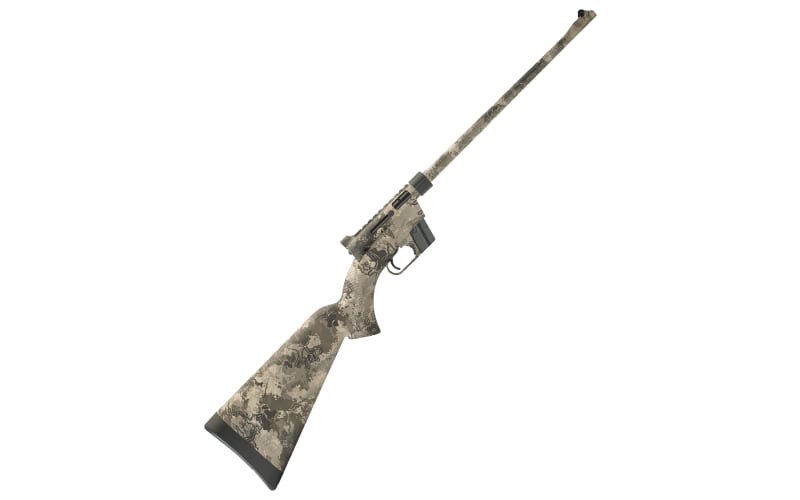
Rimfire rifles have specific limits in how and where they work best. Their design and power create boundaries for use. Understanding these use case restrictions helps buyers choose the right rifle for their needs.
Not Suitable For Large Game
Rimfire rifles fire small, low-powered bullets. These bullets do not have enough force to take down large animals safely. Hunters need bigger calibers for deer, elk, or bear. Using a rimfire on large game risks wounding the animal. This can cause suffering and make tracking difficult. Rimfire rifles are better for small game like rabbits and squirrels.
Limited Tactical Applications
Rimfire rifles lack the power and range for many tactical uses. Police or military units need rifles that stop threats quickly. Rimfire bullets often cannot penetrate barriers or body armor. Their low recoil and noise help with training but limit combat use. Tactical roles require higher calibers for reliability and impact. Rimfire rifles serve best in practice or small pest control only.
Frequently Asked Questions
What Are The Main Drawbacks Of Rimfire Rifles?
Rimfire rifles have limited power and range compared to centerfire rifles. Their ammunition is less consistent, affecting accuracy. They are not ideal for big game hunting or long-distance shooting.
Why Is Rimfire Ammunition Less Reliable?
Rimfire cartridges have thinner casings and less uniform primer distribution. This can cause misfires or inconsistent ignition, reducing reliability compared to centerfire rounds.
Are Rimfire Rifles Suitable For Self-defense?
Rimfire rifles lack stopping power and penetration needed for self-defense. They are better for target shooting or small pest control, not personal protection.
How Does Rimfire Rifle Accuracy Compare To Centerfire?
Rimfire rifles generally offer good accuracy at short ranges. However, they are less precise over long distances due to lower velocity and less consistent ammo quality.
Conclusion
Rimfire rifles have clear limitations to consider. They often lack power for larger targets. Their ammunition can be less reliable than centerfire rounds. Accuracy may drop over long distances. Also, these rifles usually have a shorter lifespan. These drawbacks affect certain types of shooting and hunting.
Choosing the right rifle depends on your needs. Knowing these disadvantages helps you make a smart choice. Think about what matters most before deciding. Rimfire rifles fit some tasks, but not all.

