
Are you wondering how to keep your firearms secure but aren’t sure whether a gun cabinet or a gun safe is right for you? Choosing the right storage can protect your guns from theft, damage, and unauthorized access.
But what exactly sets a gun cabinet apart from a gun safe? Understanding these differences can save you time, money, and stress. Keep reading, and you’ll discover the key features that matter most, so you can make the best choice for your safety and peace of mind.

Gun Cabinet Basics
Understanding the basics of gun cabinets helps to know their key differences from gun safes. Gun cabinets store firearms with less protection but offer organized space. They suit owners who want a visible and accessible place for guns. Below are the main features of gun cabinets.
Design And Material
Gun cabinets often have a simple design with glass or metal doors. They usually use lighter metal or wood. The see-through glass helps to view the guns inside. Cabinets focus more on display than heavy protection. The materials are less strong compared to gun safes.
Security Features
Gun cabinets provide basic security. They often include simple locks like key or combination locks. The locks keep children or casual visitors away. They do not prevent break-ins or theft well. Cabinets lack thick steel walls or fireproof layers found in safes.
Storage Capacity
Gun cabinets hold fewer guns than safes. They usually store rifles, shotguns, or pistols upright. Shelves and racks keep firearms organized. Space is limited for extra ammunition or accessories. Cabinets suit those with a small to medium collection.
Gun Safe Essentials
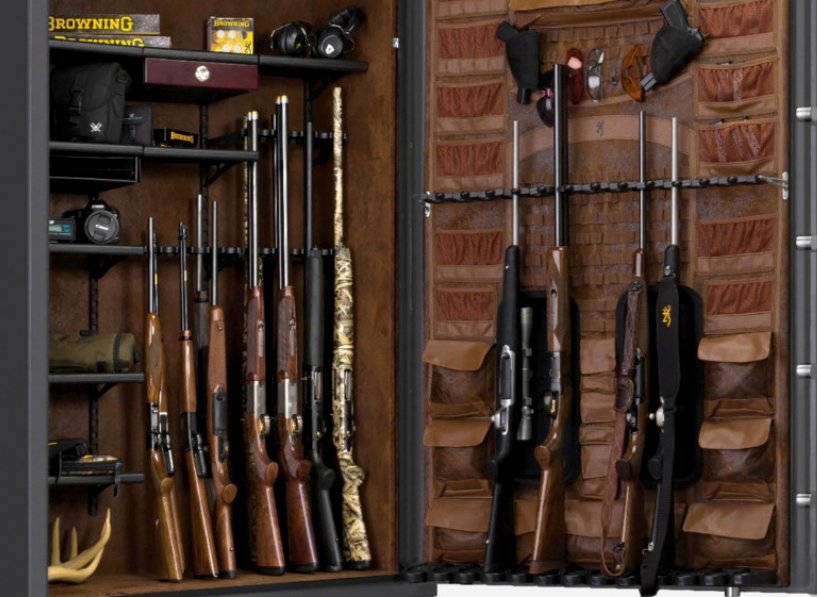
Gun safes offer more than just storage. They protect your firearms from damage and theft. Understanding the essentials helps you choose the right safe. Here are the key features that set gun safes apart.
Construction And Durability
Gun safes are made with thick steel walls. This makes them strong and hard to break. The door usually has extra steel layers. Some safes have reinforced corners to resist attacks. The build quality ensures long-lasting protection.
Locking Mechanisms
Gun safes use advanced locks for security. Electronic keypads are common for quick access. Some safes have biometric locks that use fingerprints. Mechanical dial locks offer reliable security without batteries. Multiple locking bolts keep the door firmly shut.
Fire And Theft Protection
Gun safes often have fire-resistant materials inside. They can protect guns from heat and smoke damage. Many safes meet fire safety ratings for up to an hour. Heavy safes are harder to carry away. Some safes also have alarm systems to warn of break-ins.
Comparing Security Levels
Security is the main concern for gun owners. Both gun cabinets and gun safes offer protection, but their security levels vary greatly. Understanding these differences helps choose the right option for your needs.
Resistance To Break-ins
Gun safes are built to resist forced entry. They use thick steel and strong welds. Some safes have relocking devices that activate if tampered with. Gun cabinets are usually made of thinner metal. They provide basic security but are easier to break into.
Fire Resistance Ratings
Gun safes often come with fire ratings. These ratings show how long they can protect firearms from high heat. Fire-resistant safes help keep guns safe during fires. Gun cabinets rarely have fire protection. They focus more on basic storage than fire safety.
Lock Types And Effectiveness
Gun safes use advanced locks like combination dials, electronic keypads, or biometric scanners. These locks are harder to pick or bypass. Gun cabinets often have simple key locks or basic combination locks. These provide less security but are easier to use.
Cost And Value Differences
Cost and value play a big role in choosing between a gun cabinet and a gun safe. Each option has different price points and benefits. Understanding these differences helps make a smart choice for your needs and budget.
Price Range Comparison
Gun cabinets usually cost less than gun safes. Basic cabinets start around $100. High-end cabinets may reach $500. Gun safes often begin at $500. Some models can cost several thousand dollars. Price depends on size, lock type, and material strength.
Long-term Investment
Gun safes offer better protection over time. They resist fire, theft, and damage. This protection adds value beyond the initial cost. Gun cabinets provide basic security but wear faster. They may need replacement sooner. Investing in a gun safe often saves money in the long run.
Insurance Implications
Insurance companies usually favor gun safes. Safes lower insurance premiums due to higher security. Cabinets might not meet insurer standards. This can lead to higher costs or denied claims. Using a gun safe can protect both your guns and your wallet.
Ideal Usage Scenarios
Choosing between a gun cabinet and a gun safe depends on where and how you plan to store your firearms. Both offer protection but serve different needs. Understanding their ideal usage scenarios helps pick the right option for you.
Home Storage Needs
Gun cabinets suit homes with low-risk environments. They keep guns organized and visible but offer limited security. Cabinets work well if children or unauthorized people are not a concern. Gun safes provide strong protection from theft and fire. They are best for families needing high security and peace of mind.
Professional And Commercial Use
Gun safes are preferred in professional settings like gun shops and shooting ranges. They meet strict security standards and legal regulations. Safes protect large collections and expensive firearms. Cabinets rarely meet these higher security demands. They are more for casual or personal use.
Legal Considerations
Many places require gun safes by law for storing firearms. Safes meet minimum security and safety standards. Cabinets might not fulfill all legal requirements. Knowing local laws ensures compliance and avoids penalties. Choosing the right storage helps keep guns safe and legal.
Maintenance And Upkeep
Maintenance and upkeep are key for both gun cabinets and gun safes. Proper care keeps them working well and protects your firearms. Small efforts extend their life and keep your guns safe and secure.
Cleaning And Care
Gun cabinets often have simpler surfaces. Wipe them with a damp cloth to remove dust. Avoid harsh chemicals that can damage the finish. For gun safes, clean the exterior with mild soap and water. Inside, use a vacuum to remove dust and debris. Check for moisture regularly to prevent rust or mold.
Repair And Replacement
Gun cabinets may need hinge or lock repairs over time. These parts are usually easy to replace. Gun safes can require professional help for lock or electronic keypad issues. Some safes have parts that need routine checks, like batteries. Fix problems quickly to keep security intact.
Warranty And Support
Gun safes often come with longer warranties than cabinets. Warranties cover defects and mechanical failures. Some brands offer customer support for troubleshooting and repairs. Keep warranty papers safe. Register your product to access full support benefits.
Frequently Asked Questions
What Is A Gun Cabinet Used For?
A gun cabinet primarily stores firearms visibly and securely. It offers basic protection against unauthorized access but lacks heavy-duty security features. Cabinets are ideal for display and light storage but are not designed for fire resistance or high-level burglary protection.
How Does A Gun Safe Differ From A Gun Cabinet?
Gun safes provide advanced security with reinforced steel and complex locking systems. They offer fire resistance and protect firearms from theft. Safes are bulkier and more expensive than cabinets but ensure higher protection for valuable or multiple guns.
Are Gun Cabinets Legally Acceptable For Firearm Storage?
Gun cabinet legality varies by location and laws. In many places, cabinets meet minimum storage requirements if they lock securely. However, some jurisdictions mandate gun safes or more robust storage for certain firearms or licenses.
Can Gun Cabinets Protect Firearms From Fire Damage?
Gun cabinets generally lack fireproofing and do not protect guns from fire. Gun safes often include fire-resistant materials to shield contents during a fire. For fire protection, a certified gun safe is recommended over a cabinet.
Conclusion
Choosing between a gun cabinet and a gun safe depends on your needs. Gun cabinets offer easy access but less protection. Gun safes provide stronger security and fire resistance. Think about your budget, safety, and how many guns you have.
Both keep guns organized and off limits to children. Decide what matters most: quick reach or higher security. This will help you pick the right option for your home. Safe storage always matters, no matter the choice.

