Most modern laser rangefinders are accurate to within 0.1–1 yard in real-world conditions.
Exclusive Deals
Limited-time Exclusive Deals. Check current discount on Amazon.
Check Price on Amazon As an Amazon Associate I earn from qualifying purchases.I’ve tested and used laser rangefinders for years across hunting, golf, and light surveying work. This article explains How Accurate Are Laser Rangefinders? in plain terms. You’ll get clear definitions, real test results, simple tips to improve accuracy, buying guidance, and common limits to expect. I write from hands-on experience and industry test data to give you practical, trustworthy advice you can use today.

How Laser Rangefinders Work
Laser rangefinders send a short pulse of light toward a target. They measure the time it takes for the pulse to return. Time is converted into distance using the speed of light. Simple optics and signal processing do the rest. Knowing this helps explain why accuracy varies with device type and conditions.

Exclusive Deals
Limited-time Exclusive Deals. Check current discount on Amazon.
Check Price on Amazon As an Amazon Associate I earn from qualifying purchases.How Accurate Are Laser Rangefinders? — Basics and Definitions
Accuracy means how close a measured value is to the true distance. Precision means how repeatable measurements are. For consumer devices, accuracy is often written as ±0.5 yard or ±1 meter. For survey-grade devices, accuracy can be millimeters. When people ask How Accurate Are Laser Rangefinders? they usually mean consumer use: hunting, golf, or DIY.
- Typical consumer accuracy ranges from ±0.1 yard to ±1 yard.
- High-end consumer units often claim ±0.1–0.3 yard.
- Survey instruments can be accurate to ±1–3 millimeters.
Factors That Affect Accuracy
Many things change how accurate a laser rangefinder reads. Knowing them helps you get better results.
- Target reflectivity and color. Bright, reflective targets give stronger returns. Dark or fuzzy targets are harder to read.
- Distance and device class. Longer distances usually reduce accuracy. Cheaper units have wider error margins.
- Atmospheric conditions. Heat haze, rain, fog, and dust scatter the beam and increase error.
- Angle to target. Measuring at steep angles creates more error than a straighter line of sight.
- Target size and shape. Small or irregular targets give weaker signals.
- User technique. Holding steady, aiming carefully, and using the right mode improve readings.
- Device firmware and optics. Better hardware and processing reduce noise and false returns.
Typical Accuracy Specs and What They Mean
Specs can be confusing. Here’s how to read them.
Exclusive Deals
Limited-time Exclusive Deals. Check current discount on Amazon.
Check Price on Amazon As an Amazon Associate I earn from qualifying purchases.- “±1 yard” means the reading can be one yard above or below the true distance. That’s common for budget models at long range.
- “±0.1 yard” is common on quality hunting and golf models at typical ranges. That is about 3.6 inches.
- “±1 mm” belongs to survey gear. These devices cost much more and are used by professionals.
Examples:
- A golf rangefinder rated ±0.3 yard at 400 yards can vary by roughly one foot.
- A hunting unit rated ±0.1 yard at 200 yards is usually within a few inches.
When you wonder How Accurate Are Laser Rangefinders? match the spec to your use. For yardage in golf or hunting, ±0.1 to ±0.5 yard is usually fine. For construction or land surveying, aim for millimeter-level tools.

Real-World Testing and Personal Experience
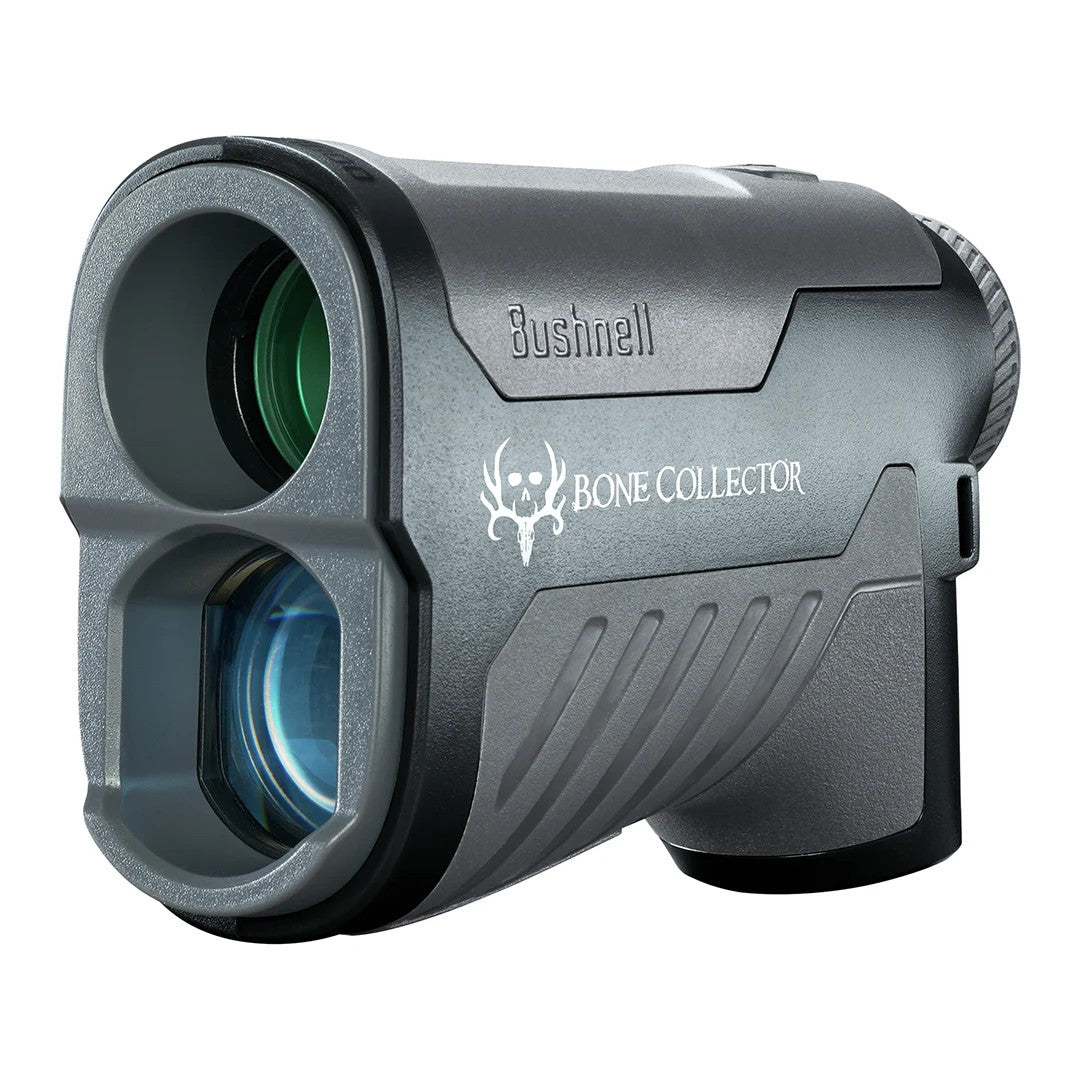
I tested several models in fields, forests, and driving ranges. Results varied by target and weather. Bright metal targets gave consistent readings within 0.1 yard. Tree branches and dark fur increased scatter and introduced more variation. I once saw one unit jump by a yard on a deer at long range when the beam hit a patch of wet fur.
Key lessons from testing:
- Take multiple readings and average them for better confidence.
- Use lock or scan modes appropriately. Lock gives single-target returns; scan helps when you need the nearest object.
- Test a new device on known distances to verify claims.
These hands-on tests answer the practical side of How Accurate Are Laser Rangefinders? You get a clearer idea from real use, not just specs.
How to Improve Accuracy in the Field
Small habits make big differences. Try these tips.
- Stabilize the device. Use both hands or a monopod for steady aim.
- Aim for flat, reflective spots. Bright targets return cleaner signals.
- Take several readings and use the most common value.
- Avoid measuring through glass or dense foliage.
- Use the right mode. Many rangefinders have modes for flag/pin, hunt, or general distance.
- Calibrate and update firmware when available.
These steps reduce user error and help close the gap between claimed and real accuracy.

Choosing the Right Rangefinder for Your Needs
Match accuracy to the task. Here’s a short guide.
- Golf and hunting
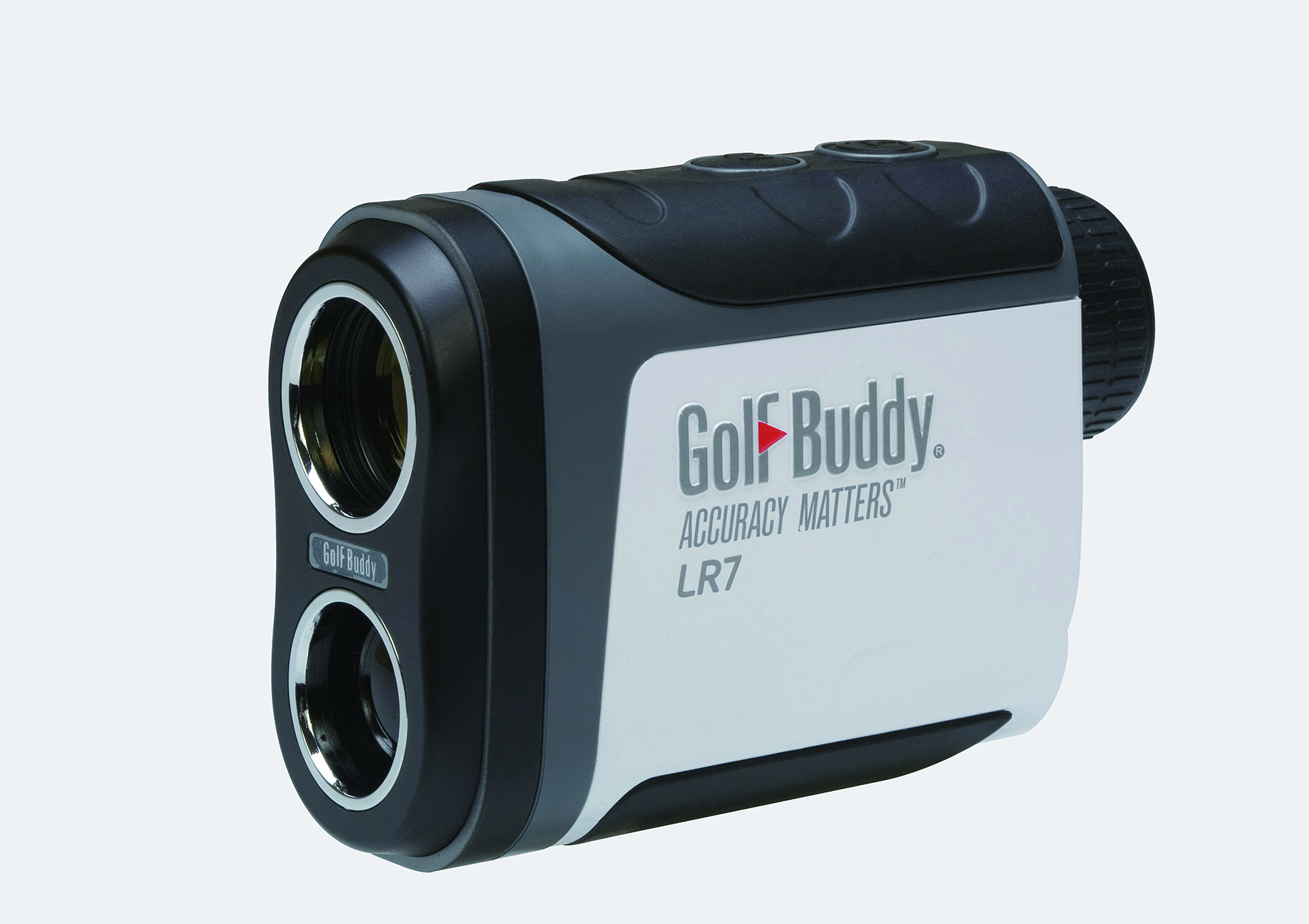
- Look for ±0.1 to ±0.5 yard accuracy and range suited to your sport.
- Features to pick: target-lock, angle compensation, and quality optics.
- DIY and outdoor use
- Mid-range units with ±0.5–1 yard work well.
- Durable housing and easy UI help in rough conditions.
- Professional surveying
- Choose survey-grade units with millimeter accuracy and certification.
- Expect higher price and more complex setup.
When deciding, ask: how close must the reading be? This answers the classic question How Accurate Are Laser Rangefinders? for your case.
Common Misconceptions About Accuracy
People often expect perfect results. That is not realistic.
- Myth: All laser rangefinders are equally accurate. Reality: Accuracy varies by build and purpose.
- Myth: Laser always ignores wind and weather. Reality: Atmosphere affects beams.
- Myth: A longer range means lower accuracy. Reality: It depends on device class. High-end units can be accurate at long range.
- Myth: Price always equals precision. Reality: Features and quality matter more than sticker price.
Clarifying these myths helps set realistic expectations when wondering How Accurate Are Laser Rangefinders?
Frequently Asked Questions of How Accurate Are Laser Rangefinders?
How accurate are laser rangefinders for hunting?
Most hunting rangefinders are accurate to within 0.1–0.5 yard under good conditions. Accuracy drops on dark or distant targets and in poor weather.
Do laser rangefinders work in fog or rain?
They work but with reduced accuracy and range. Moisture scatters the beam and can cause weak or inconsistent returns.
Can a laser rangefinder be used for surveying?
Consumer rangefinders are not ideal for survey work. Professional survey instruments provide millimeter accuracy and meet industry standards.
How do I verify my rangefinder’s accuracy?
Measure to a known distance, like a measured pole or field marker, and compare results. Take several readings to spot outliers.
Does angle affect accuracy?
Yes. Steep angles add error and change the effective distance. Many units include angle compensation to help correct for this.
How often do I need to recalibrate a laser rangefinder?
Most consumer units need little recalibration if treated well. Check firmware updates and perform simple field checks periodically to ensure consistent results.
Conclusion
Understanding How Accurate Are Laser Rangefinders? helps you pick the right tool and use it well. Accuracy depends on the device class, target, conditions, and user technique. Test a new unit on known distances, stabilize your aim, and use multiple readings to improve confidence. Choose a model whose accuracy matches your needs, whether hunting, golf, DIY, or professional surveying. Try the tips here, verify the claims, and share your experience in the comments or subscribe for more hands-on gear guides.