Finding the right gun sock size can be tricky. If you’re new to firearms or protective accessories, you might wonder: does one size fit all? Or do you need to measure your gun carefully? The truth is, gun socks come in many shapes and sizes. Picking the right one is important for protecting your firearm from scratches, rust, and dust.
Exclusive Deals
Limited-time Exclusive Deals. Check current discount on Amazon.
Check Price on Amazon As an Amazon Associate I earn from qualifying purchases.This article explains everything you need to know about gun sock sizing. Whether you own a rifle, shotgun, handgun, or something special, you’ll learn how to choose the perfect fit. We’ll explore sizing standards, material differences, and real-world examples. You’ll also see comparison tables, practical tips, and answers to common questions.
By the end, you’ll feel confident choosing a gun sock that keeps your firearm safe and secure.
Why Gun Sock Size Matters
A gun sock is more than just a simple cover. It’s an important tool for preventing moisture, dust, and scratches during storage or transport. If you pick the wrong size, you risk:
- Poor protection: Too small, and the gun sock won’t cover the entire firearm.
- Difficult handling: Too tight or too loose can make it hard to put on or remove.
- Reduced effectiveness: The wrong fit may expose parts of your gun to moisture or air.
For collectors, hunters, and sport shooters, the right gun sock size ensures your firearm stays in top shape. It also prevents accidental damage, especially when traveling or storing guns in a safe. If you’re serious about protecting your investment, sizing isn’t just a detail—it’s essential.
Exclusive Deals
Limited-time Exclusive Deals. Check current discount on Amazon.
Check Price on Amazon As an Amazon Associate I earn from qualifying purchases.How Gun Socks Are Sized
Gun socks are usually sized based on length and width. Some brands use general terms like “rifle,” “shotgun,” or “pistol,” but these can be vague. Instead, look for socks with clear measurements in inches or centimeters.
Common Sizing Terms
- Length: Most gun socks list their total length, such as 52” or 60”.
- Width: Some also list width, often ranging from 4” to 6” or more.
- Fit type: Descriptions may include “universal,” “stretch,” or “custom.”
Rifles and shotguns are typically longer, so their socks range from 46” to 60”. Handguns need shorter socks, usually from 12” to 16”. For specialty guns, like AR-15s or lever-actions, you may need a specific shape.
Standard Sizes By Firearm Type
Here’s a quick overview of typical gun sock sizes:
| Firearm Type | Recommended Sock Length | Recommended Sock Width |
|---|---|---|
| Rifle | 46–52 inches | 4–6 inches |
| Shotgun | 50–60 inches | 4–6 inches |
| Handgun/Pistol | 12–16 inches | 3–4 inches |
| AR-15/Carbine | 36–42 inches | 4–5 inches |
| Lever-Action | 42–48 inches | 4–5 inches |
Keep in mind, these are guidelines. Always measure your firearm before buying.
How To Measure Your Gun For A Sock
To get the best fit, you need to know your gun’s exact length and width. Here’s how:
Exclusive Deals
Limited-time Exclusive Deals. Check current discount on Amazon.
Check Price on Amazon As an Amazon Associate I earn from qualifying purchases.- Unload your firearm safely.
- Use a tape measure or ruler.
- Measure from the tip of the barrel to the end of the stock.
- Measure the widest part (often the grip, scope, or forearm).
If your gun has attachments like scopes, magazines, or extended stocks, include these in your measurements. Don’t guess—write down the numbers.
Example: Measuring A Hunting Rifle
Suppose you have a hunting rifle with a scope. You measure:
- Length: 49 inches (with scope)
- Widest part: 5 inches (scope area)
Choose a gun sock at least 50 inches long and 5 inches wide. A 52” x 6” sock would fit comfortably and provide extra room.
Material And Stretch: Does It Change Sizing?
Gun socks are usually made from knitted polyester, cotton, or silicone-treated fabric. Some materials stretch more than others, which affects sizing.
- Stretchy socks: These can fit a wider range of guns, but avoid choosing a sock that’s much smaller than your gun. Stretch has limits.
- Non-stretch socks: These require more accurate sizing, since they don’t expand.
Silicone-treated socks are popular because they repel moisture and resist rust. These are especially useful for humid climates or long-term storage.
Material Comparison
| Material | Stretchiness | Moisture Protection | Durability |
|---|---|---|---|
| Polyester (Stretch) | High | Medium | Good |
| Silicone-Treated | Medium | High | Excellent |
| Cotton (Non-Stretch) | Low | Low | Average |
Always check the product label for material info. If you plan to store your gun for months, a silicone-treated sock is the best choice.
Rifle Gun Socks: What Size Is Best?
Rifles come in many shapes—from hunting bolt-actions to tactical ARs. Most rifle gun socks are 46–52 inches long. If your rifle has a scope, bipod, or extended barrel, choose a sock on the longer side.
Bolt-action Rifles
These usually need a 48–52 inch sock. If you have a large scope, pick a wider sock (at least 5 inches).
Ar-15 And Tactical Rifles
AR-15s, carbines, and tactical rifles often fit 36–42 inch socks. If your AR has a collapsible stock, measure with the stock extended.
Long-barrel Rifles
Some hunting rifles have barrels over 50 inches. In this case, look for a 60 inch sock. It’s better to have extra space than not enough.
Shotgun Gun Socks: Sizing Tips
Shotguns can be longer and wider than rifles. The average shotgun gun sock is 50–60 inches long. Pump-action shotguns with extended magazines or tactical accessories may need a wider sock.
Over-and-under Shotguns
These have short barrels but wide stocks. Choose a sock with extra width (5–6 inches).
Semi-auto Shotguns
Semi-auto shotguns can be bulky. Measure length from the barrel tip to the end of the stock, and choose a sock at least 2 inches longer.
Common Mistakes
One common mistake is buying a rifle sock for a shotgun, hoping it will stretch. In reality, shotgun stocks are usually wider. Pick a dedicated shotgun sock for best results.
Handgun And Pistol Socks: Getting The Right Fit
Handguns and pistols need smaller socks, 12–16 inches long and about 3–4 inches wide. If your pistol has a long barrel or mounted accessories, measure carefully.
Revolvers
Revolvers with long barrels (over 8 inches) need a 16” sock. Short-barrel revolvers fit in 12” socks.
Semi-auto Pistols
Most semi-auto pistols fit in 12–14” socks. If you have a mounted light or laser, pick a 16” sock for extra space.
Storage Tips
Handgun socks are often sold in packs. This makes it easy to store multiple guns in a safe without scratching or bumping them.
Specialty Gun Socks: Unique Sizing Needs
Some firearms don’t fit standard sizes. Examples include lever-action rifles, youth models, or guns with unusual shapes.
- Lever-action rifles: Often need a 42–48” sock, with extra width for the lever.
- Youth guns: These may require socks under 40” long.
- Custom builds: Measure carefully. If in doubt, buy a sock with extra length.
If you have a gun with a suppressor, bipod, or other attachments, always measure the full length and width including accessories.
Multi-gun Socks: Are Universal Sizes Reliable?
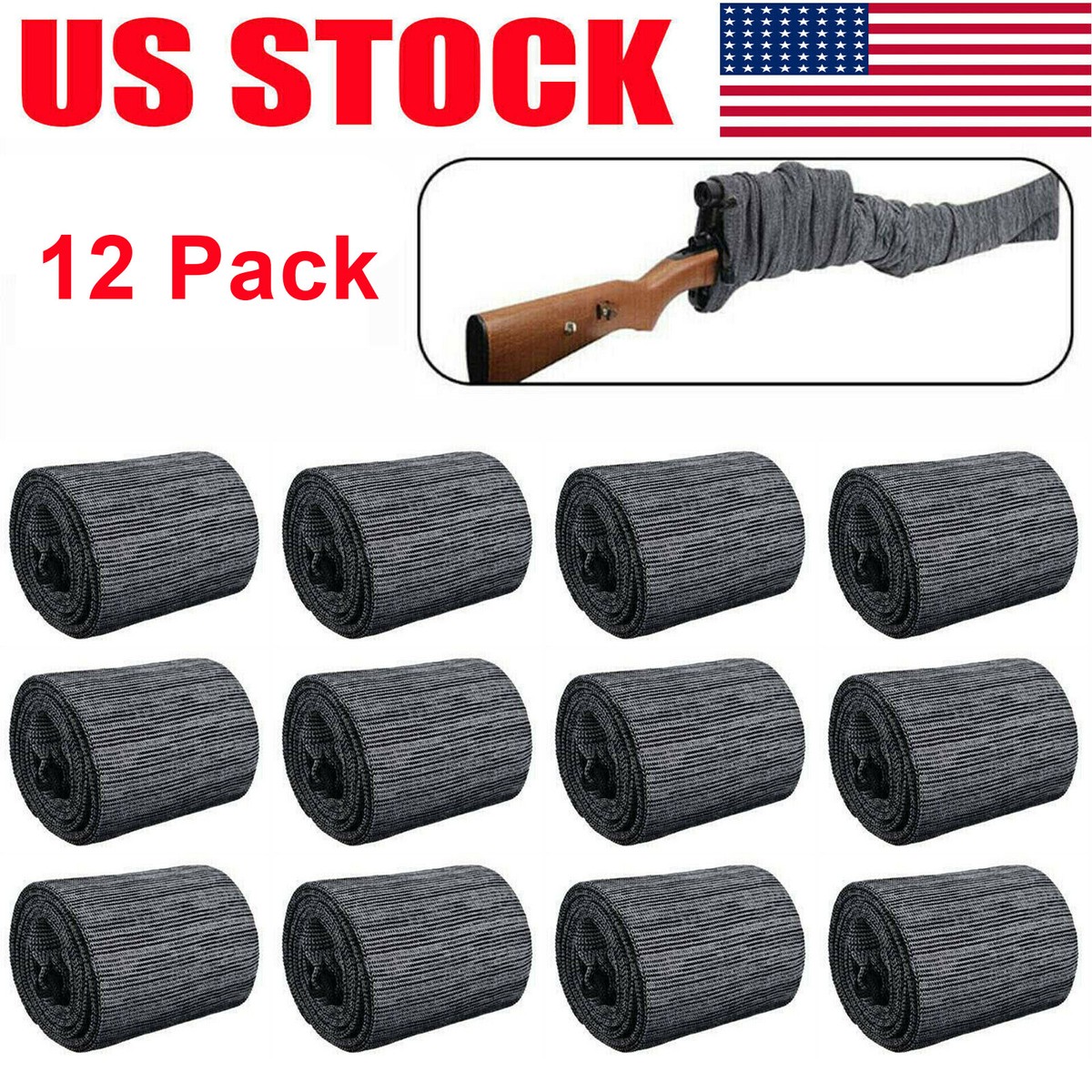
Some brands sell “universal” gun socks, meant to fit many types. While these can work for basic storage, they often don’t fit perfectly, especially for guns with bulky stocks or attachments.
Pros Of Universal Socks
- Convenient for mixed collections
- Good for temporary storage
Cons Of Universal Socks
- May be too loose for handguns, too tight for shotguns
- Less protection for unusual shapes
If you care about long-term protection, choose a sock sized for each gun. Universal socks are best for short-term or transport.
Comparing Top Gun Sock Brands
Many popular brands sell gun socks in various sizes. Here’s a quick comparison of some leading options:
| Brand | Most Common Lengths | Material | Special Features |
|---|---|---|---|
| Sack-Up | 52″, 60″ | Silicone-Treated Cotton | Moisture Protection |
| Allen Company | 46″, 52″, 60″ | Knitted Polyester | Stretch Fit |
| Hoppe’s | 14″, 52″ | Polyester | Flexible, Dust Protection |
| Bore Stores | Custom Sizes | Polyester Fleece | Padding, Custom Fit |
| Voodoo Tactical | 36″, 42″, 46″ | Polyester | AR-15/Carbine Options |
Always check brand sizing charts. Some brands offer more custom sizes, while others focus on stretch or moisture protection.

Practical Tips For Buying The Right Gun Sock
Buying a gun sock isn’t complicated, but a few smart tips can save you trouble:
- Measure your gun (including accessories) before shopping.
- Choose a sock at least 2 inches longer than your gun. Extra space helps prevent stretching and tearing.
- Pick a wider sock if your gun has a scope, bipod, or wide stock.
- Select silicone-treated socks for humid climates or long-term storage.
- Avoid universal socks for specialty guns or unusual shapes.
- Check return policies before buying. If the sock doesn’t fit, you’ll want an easy return.
Many shooters forget to measure their guns with attachments. It’s a common mistake—always include everything you plan to store.
Gun Sock Care And Maintenance
A gun sock isn’t just a one-time purchase. Proper care keeps it working well:
- Wash occasionally: Follow label instructions. Most socks can be washed in cold water and air dried.
- Check for holes: Replace if the sock becomes torn or stretched out.
- Avoid over-stuffing: Don’t force a large gun into a small sock.
A clean, well-fitted sock protects your gun for years. If you live in a damp area, check your gun regularly for signs of moisture.
Real-world Examples And Insights
Many gun owners share stories about gun sock sizing. For example, one hunter found his shotgun sock was too tight for a new extended magazine. He learned the importance of measuring everything—not just the gun itself.
Another shooter bought a universal rifle sock, but it was too loose for his lever-action. The extra fabric bunched up, making storage awkward. He switched to a custom sock and saw a big improvement.
A collector uses silicone-treated socks for all his vintage firearms. He checks the fit every year, and replaces socks when they stretch out. His guns stay rust-free—even in a humid basement.
Non-obvious insight: If you store guns in a safe, gun socks can prevent scratches from bumping guns against each other. But if the sock is too tight, it may trap moisture. Always balance fit with breathability.
Another tip: Some gun socks have drawstrings or elastic ends. These help keep the sock in place, especially for long guns. If you move your firearms often, look for socks with secure closures.
Frequently Asked Questions
What If My Gun Is Between Standard Sizes?
Choose a sock that’s slightly longer and wider. It’s better to have extra space than not enough. For example, if your gun is 51 inches long, a 52” or 54” sock will fit well.
Do Gun Socks Protect Against Rust?
Silicone-treated socks help prevent rust by repelling moisture. If you live in a humid area, these are the best choice. Still, check your gun regularly for signs of rust.
Can I Use A Rifle Sock For A Shotgun?
It’s possible, but not ideal. Shotgun stocks are often wider, so a rifle sock may be too tight. Choose a sock made for shotguns whenever possible.
Should I Wash My Gun Sock?
Yes, but follow the manufacturer’s instructions. Most gun socks can be washed with mild soap and cold water. Air dry to avoid shrinking.
Where Can I Find More Information On Gun Care And Storage?
The National Shooting Sports Foundation has detailed guides on firearm storage and maintenance. Visit National Shooting Sports Foundation for expert advice.
Final Thoughts
Choosing the right gun sock size isn’t just about numbers—it’s about protecting your firearm from damage, rust, and dust. By measuring your gun carefully, considering material and stretch, and checking real-world examples, you can find a sock that fits perfectly.
Don’t settle for “one size fits all. ” Your gun deserves the best protection possible.
Remember to measure your firearm with all accessories attached, pick a sock slightly longer and wider, and favor silicone-treated materials for moisture defense. With these tips, your firearms will stay safe and ready for action, whether stored in a safe, carried in the field, or kept on display.
Proper sizing keeps your investment secure for years to come.