
Gun owners often want to protect their firearms from scratches, dust, and rust. One simple tool helps: the gun sock. But what are these handy sleeves made of? The answer is more interesting than you might think. The right material matters, because it can impact how well your gun stays safe and dry, especially in storage or transport. If you’re curious about the science, the choices, and the best practices around gun socks, you’ll find everything you need in this article. Let’s explore the materials behind gun socks, their benefits, differences, and how to choose wisely.

Exclusive Deals
Limited-time Exclusive Deals. Check current discount on Amazon.
Check Price on Amazon As an Amazon Associate I earn from qualifying purchases.Why Material Matters For Gun Socks
Gun socks look simple: long tubes that slide over a rifle, shotgun, or handgun. But their material is the secret to their effectiveness. Firearms are sensitive to moisture, dust, and even tiny scratches. If the sock is made from the wrong fabric, it may trap moisture and cause rust. Or, it might let dust inside, making the gun dirty over time.
The right material creates a barrier against humidity, dust, and accidental bumps. It can even help prevent corrosion if it includes certain treatments. In fact, some materials are so specialized, they’re designed specifically for gun care.
Gun socks are not all the same. Inexpensive socks may use basic cotton or polyester. High-end products use advanced blends and chemical treatments. Understanding what’s inside the sock helps you protect your gun for years.
Common Materials Used In Gun Socks
Most gun socks use a blend of fibers. Each material offers different advantages, and sometimes manufacturers mix fibers to get the best features. Here are the most common options:
Exclusive Deals
Limited-time Exclusive Deals. Check current discount on Amazon.
Check Price on Amazon As an Amazon Associate I earn from qualifying purchases.Cotton
Cotton is a natural fiber, soft and absorbent. Some basic gun socks use cotton because it’s gentle and won’t scratch the finish. However, cotton has drawbacks: it absorbs water. If the sock gets wet or is in a humid environment, it may hold moisture against the gun, increasing the risk of rust.
Cotton socks are best for short-term storage in dry conditions. They’re also affordable and easy to wash. But if you live in a humid region, cotton may not be the best choice.
Polyester
Polyester is a synthetic fiber. It’s stronger than cotton and doesn’t absorb water as easily. Polyester socks are more durable and resist stretching. They help keep dust away, but they aren’t as soft as cotton.
Some gun socks use pure polyester, while others use polyester blends. Polyester is also easier to dye, so these socks often come in various colors and patterns.
Acrylic
Acrylic is another synthetic fiber, sometimes mixed with polyester or cotton. Acrylic socks are soft, lightweight, and resist moisture better than cotton. They also dry quickly if they get wet.
Exclusive Deals
Limited-time Exclusive Deals. Check current discount on Amazon.
Check Price on Amazon As an Amazon Associate I earn from qualifying purchases.Acrylic socks are popular for their comfort and flexibility. They stretch easily to fit different gun sizes and shapes. However, acrylic is less durable than polyester and may pill over time.
Nylon
Nylon is known for its strength and durability. It’s smooth, doesn’t absorb much water, and provides good protection against scratches. Nylon socks are often thin but tough, so they’re good for frequent transport.
Some gun socks use nylon blends to get both stretch and strength. Nylon can also be chemically treated to repel moisture.
Silicone-treated Materials
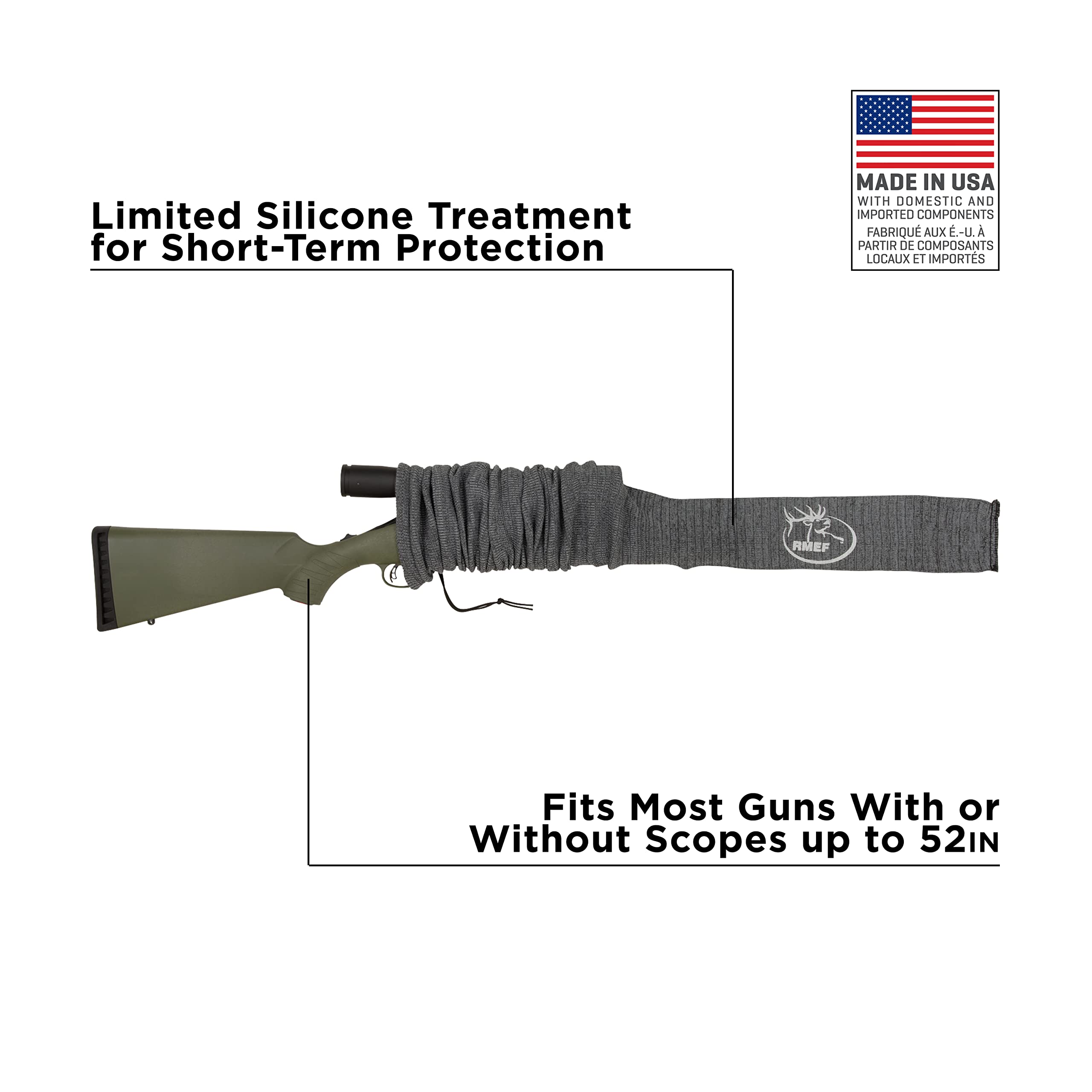
Many high-quality gun socks use silicone treatments. Silicone is a chemical that repels water and makes the sock slippery. This treatment is applied to polyester, acrylic, or nylon fibers.
Silicone-treated socks help prevent moisture from reaching the gun. They also make it easier to slide the sock on and off. These socks are ideal for long-term storage, especially in areas with high humidity.
Vci (vapor Corrosion Inhibitor) Infused Materials
VCI technology is a newer development in gun socks. VCI socks contain chemicals that release vapors, which prevent rust and corrosion on metal surfaces. The vapor settles on the gun, forming a protective layer.
VCI-treated socks are made from synthetic fibers (usually polyester or nylon), with the inhibitor infused during manufacturing. They’re highly effective for storing guns over months or years.
VCI socks cost more, but they offer the best protection against corrosion. They’re especially recommended for collectors or those living in damp climates.
Comparing Gun Sock Materials
To see how gun sock materials stack up, here’s a clear comparison:
| Material | Water Resistance | Softness | Durability | Protection Against Rust |
|---|---|---|---|---|
| Cotton | Poor | Excellent | Moderate | Poor |
| Polyester | Good | Moderate | Excellent | Good (with treatment) |
| Acrylic | Good | Excellent | Moderate | Good |
| Nylon | Excellent | Moderate | Excellent | Good (with treatment) |
| Silicone-Treated | Excellent | Good | Excellent | Excellent |
| VCI-Treated | Excellent | Good | Excellent | Superior |
This table shows why synthetic and treated socks are often best for long-term protection.
How Gun Sock Materials Prevent Rust And Corrosion
Firearms face a major threat: rust. When metal interacts with moisture and air, it corrodes. A gun sock’s material can either help or hurt.
Cotton absorbs moisture, which can trap water against the gun. Over time, this causes rust. Synthetic fibers like polyester and nylon repel water, but untreated socks may still let humidity through.
The big advance is silicone and VCI treatments. Silicone coats the fibers, making them slippery and water-resistant. VCI releases a protective vapor that blocks corrosion. These treatments turn a simple sock into a high-tech shield.
For example, a VCI gun sock can protect a rifle for up to five years in storage. Silicone-treated socks are especially good for humid climates; they prevent condensation from forming on the gun.
If you plan to store your firearm for months or years, choose a sock with these treatments. For short-term, basic synthetic socks may be enough.
Gun Sock Material And Storage Conditions
Not every gun sock works in every environment. Here’s a quick guide:
- Dry climates: Cotton, acrylic, and polyester socks work well.
- Humid climates: Silicone-treated or VCI-treated socks are best.
- Frequent transport: Nylon or polyester socks offer strength and durability.
- Long-term storage: VCI-treated socks provide the best corrosion protection.
If you use a gun safe, consider how often you open it and what the humidity is inside. Some safes include dehumidifiers, but if not, a treated sock is essential.
Gun Sock Material And Firearm Types
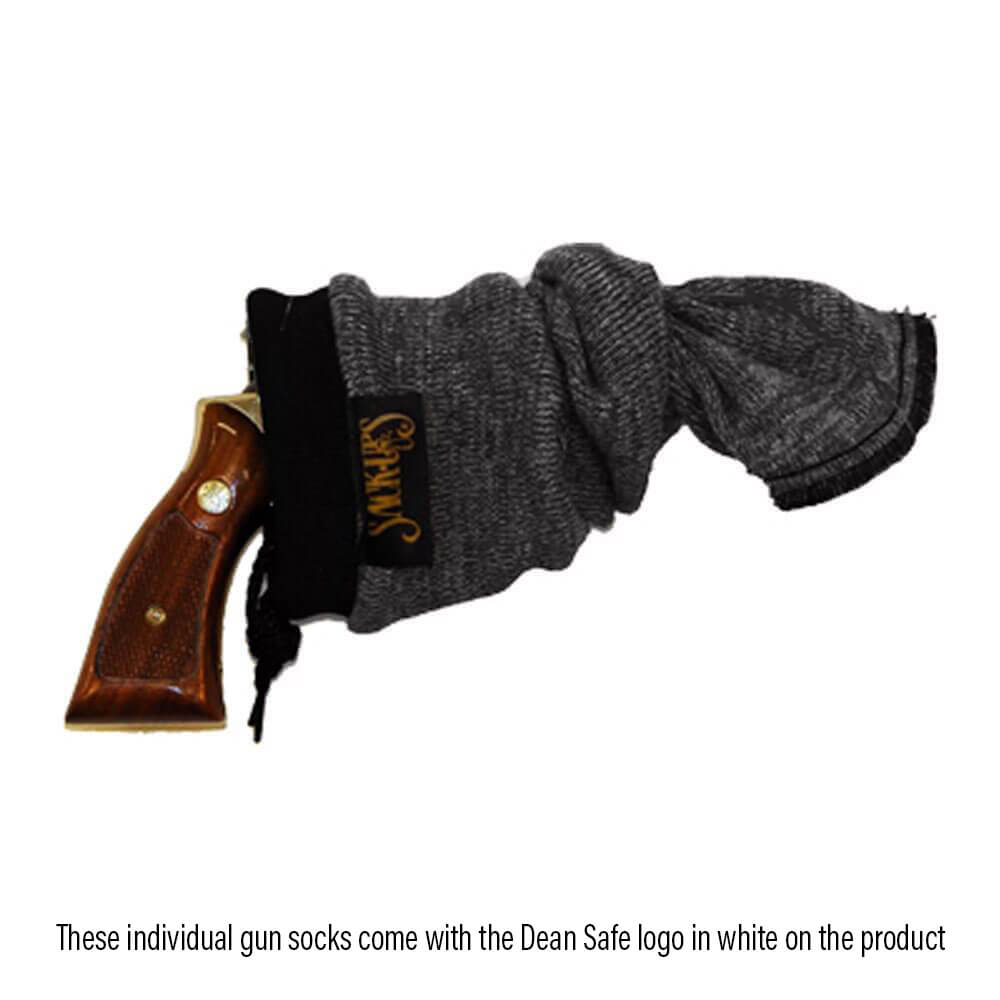
Different firearms need different protection. A heavy rifle may require a thick, stretchy sock. A delicate handgun needs a soft, snug fit.
| Firearm Type | Recommended Sock Material | Reason |
|---|---|---|
| Rifles | Silicone-treated polyester or VCI | Long size, need rust protection |
| Shotguns | Acrylic or silicone-treated nylon | Flexible fit, moisture resistance |
| Handguns | Soft cotton or VCI-treated polyester | Gentle on finish, anti-corrosion |
| Collector’s items | VCI-treated synthetic | Superior long-term protection |
Choose based on your gun’s size, value, and storage needs.
Gun Sock Material Treatments: How They Work
Treatments make a big difference. Here’s how they function:
Silicone Treatment
Silicone is applied to fibers, making the sock water-resistant. It doesn’t change the softness much, but adds a slippery feel. Silicone prevents condensation and rust.
Vci Treatment
VCI chemicals are infused in the sock. When you put the sock on, vapors fill the space, protecting metal parts. VCI is safe, doesn’t smell, and lasts for years.
Anti-static And Dust Repellent Treatments
Some socks include anti-static treatments to reduce dust attraction. Others use chemical coatings to repel dirt and oil. These are less common but useful for guns stored in dusty spaces.
Real-world Examples Of Gun Sock Materials
Let’s look at some popular brands and their materials:
- Hoppe’s Gun Sock: Made from polyester, silicone-treated for moisture resistance.
- Allen Company Gun Sock: Uses acrylic/polyester blend, silicone-treated.
- Liberty Safe Gun Sock: VCI-infused polyester, designed for long-term storage.
- Sack-Up Gun Sock: Acrylic blend, silicone-treated, highly flexible.
These brands show the industry’s focus on synthetic blends and chemical treatments.
How To Choose The Best Gun Sock Material For Your Needs
Picking the right gun sock starts with your main goal: protection, convenience, or cost?
- Protection: Choose silicone or VCI-treated synthetic socks.
- Convenience: Look for socks with stretch (acrylic blends) and easy-slide features.
- Cost: Cotton socks are affordable, but may not protect in humid climates.
Think about:
- Climate: Humid? Go treated.
- Storage: Long-term? VCI.
- Transport: Durable polyester or nylon.
Also, check for fit. Too tight, and the sock may stretch or tear. Too loose, and dust or moisture can get inside.
Maintenance And Care Of Gun Sock Materials
A gun sock only works if it stays clean and dry. Here’s how to care for different materials:
- Cotton: Wash in cold water, air dry. Avoid bleach.
- Polyester/Acrylic/Nylon: Machine wash gentle, air dry. Avoid high heat.
- Silicone/VCI-treated: Don’t wash often; spot clean only. Washing can remove treatments.
Check socks regularly for holes, dirt, or loss of elasticity. Replace if they show wear.
Common Mistakes When Choosing Gun Sock Material
- Ignoring climate: Using cotton in humid conditions leads to rust.
- Overlooking fit: Socks that are too loose won’t protect well.
- Washing treated socks: This removes anti-rust chemicals.
- Buying cheap socks for expensive guns: High-value firearms need better protection.
- Skipping maintenance: Dirty socks can scratch or trap moisture.
Avoid these mistakes to keep your firearm safe.
Non-obvious Insights About Gun Sock Materials
Many beginners miss these two facts:
- Material thickness matters: Thicker socks offer more protection against bumps, but can trap more moisture if untreated. Thin, treated socks are better for humidity.
- Color can affect care: Dark socks hide dirt and oil, but lighter socks make it easier to spot moisture or corrosion. Some collectors prefer light-colored socks for this reason.
These details can help you make smarter choices.
Gun Socks Vs. Other Storage Materials
Some gun owners use towels, cases, or bags instead. But gun socks are designed for firearms. Here’s a quick comparison:
| Storage Material | Moisture Control | Fit | Scratch Protection |
|---|---|---|---|
| Gun Socks (synthetic) | Excellent (with treatment) | Snug | Good |
| Towels | Poor | Loose | Moderate |
| Hard Cases | Varies | Custom fit | Excellent |
| Soft Bags | Poor | Loose | Moderate |
Gun socks, especially treated ones, are best for daily protection and long-term storage.
Environmental Impact Of Gun Sock Materials
Synthetic fibers like polyester, acrylic, and nylon are made from petroleum. Their production has environmental costs. Cotton is natural, but uses a lot of water and pesticides during farming.
Some manufacturers offer recycled polyester or organic cotton socks. These are better for the environment, but may cost more. If eco-friendliness matters, check the product label.

Latest Innovations In Gun Sock Materials
Technology keeps improving. New advances include:
- Biodegradable synthetic fibers: Socks that break down faster after disposal.
- Enhanced VCI treatments: Longer-lasting anti-corrosion protection.
- Stretch memory fabrics: Socks that fit snugly, then return to original shape.
Research continues to create safer, more effective gun sock materials. For more on gun sock innovations, see Wikipedia.
How Gun Sock Material Influences Cost
Material and treatments affect price. Basic cotton socks cost less than $5. Silicone-treated polyester socks range from $10–$15. VCI-treated socks can cost $20–$30 or more.
Paying more usually means better protection, especially for valuable guns. If you have a large collection, investing in treated socks makes sense.
Frequently Asked Questions
What Is The Best Material For Gun Socks?
Silicone-treated polyester or VCI-treated synthetic fibers are best for most users. They resist moisture, prevent rust, and offer strong protection.
Can I Wash Gun Socks?
You can wash cotton, polyester, acrylic, and nylon socks gently. However, avoid washing silicone or VCI-treated socks often, because it removes the protective treatment.
Do Gun Socks Prevent Rust Completely?
High-quality, VCI-treated gun socks can almost eliminate rust risk during storage. However, regular cleaning and checking are still important, especially in very humid climates.
Are Gun Socks Safe For All Types Of Firearms?
Yes, gun socks are safe for rifles, shotguns, and handguns. Just choose the right size and material for your specific firearm.
How Long Do Gun Socks Last?
Basic socks last about 2–3 years with normal use. Treated socks (silicone or VCI) may protect for 5 years or more. Always check for holes or loss of elasticity.
Gun socks may look simple, but the material inside makes all the difference. Choosing wisely can protect your gun from scratches, dust, and rust for years. With the right fiber and treatment, your firearm stays safe—whether it’s a collector’s piece or your everyday hunting rifle.
Now you know how to select the best gun sock for your needs, and what makes each material unique.


