Are Gun Socks Worth It For Firearm Protection
Firearms are valuable, both for personal safety and as collectable items. Owners spend money on safes, cases, and cleaning tools. But one accessory—gun socks—often gets overlooked. These simple cloth sleeves promise protection from scratches, dust, and even rust. But are they really worth it? Let’s look at what gun socks do, their pros and cons, and whether you should invest in them for your firearms.

Exclusive Deals
Limited-time Exclusive Deals. Check current discount on Amazon.
Check Price on Amazon As an Amazon Associate I earn from qualifying purchases.What Are Gun Socks?
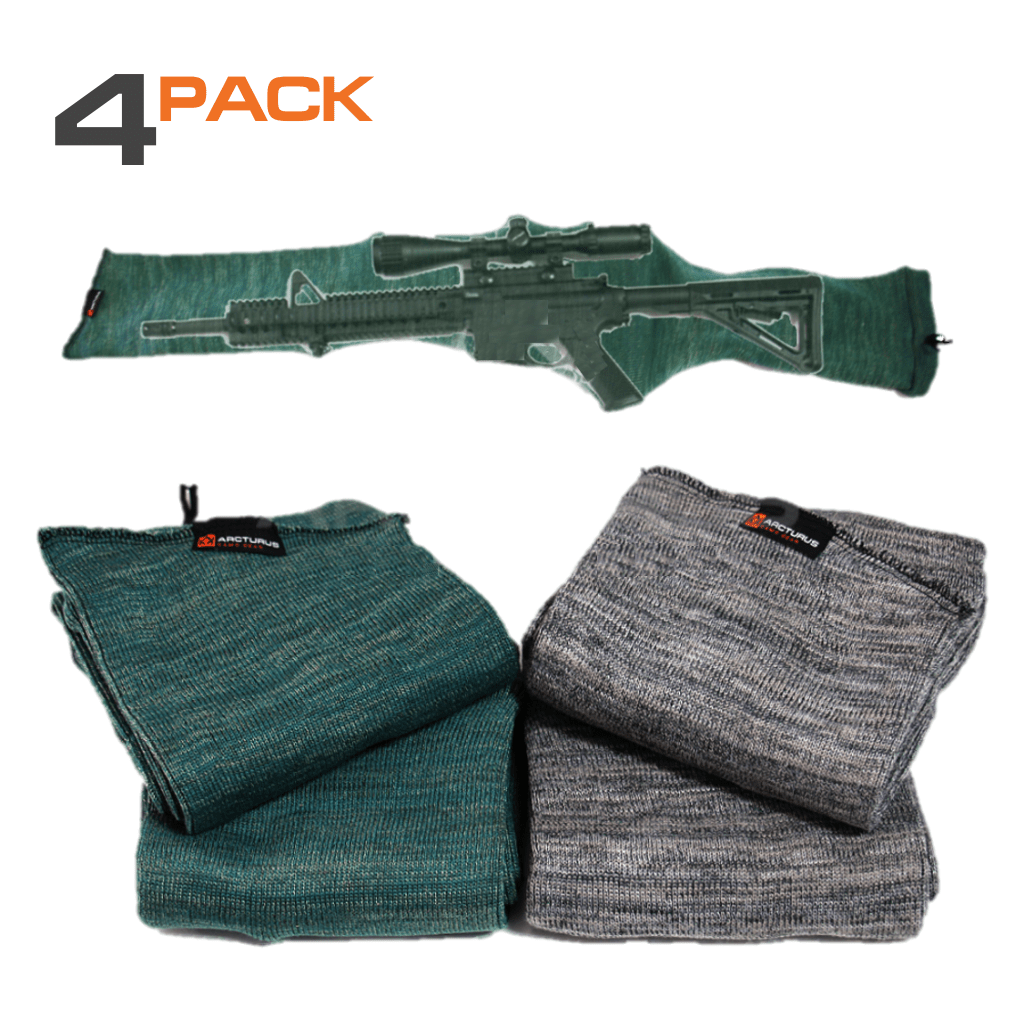
Gun socks are long, stretchy sleeves made from fabric. Most are knitted polyester or cotton blends, sometimes with silicone or other treatments. Their main job: cover the gun and protect it from outside elements. Some gun socks are made for rifles, others for shotguns or handguns.
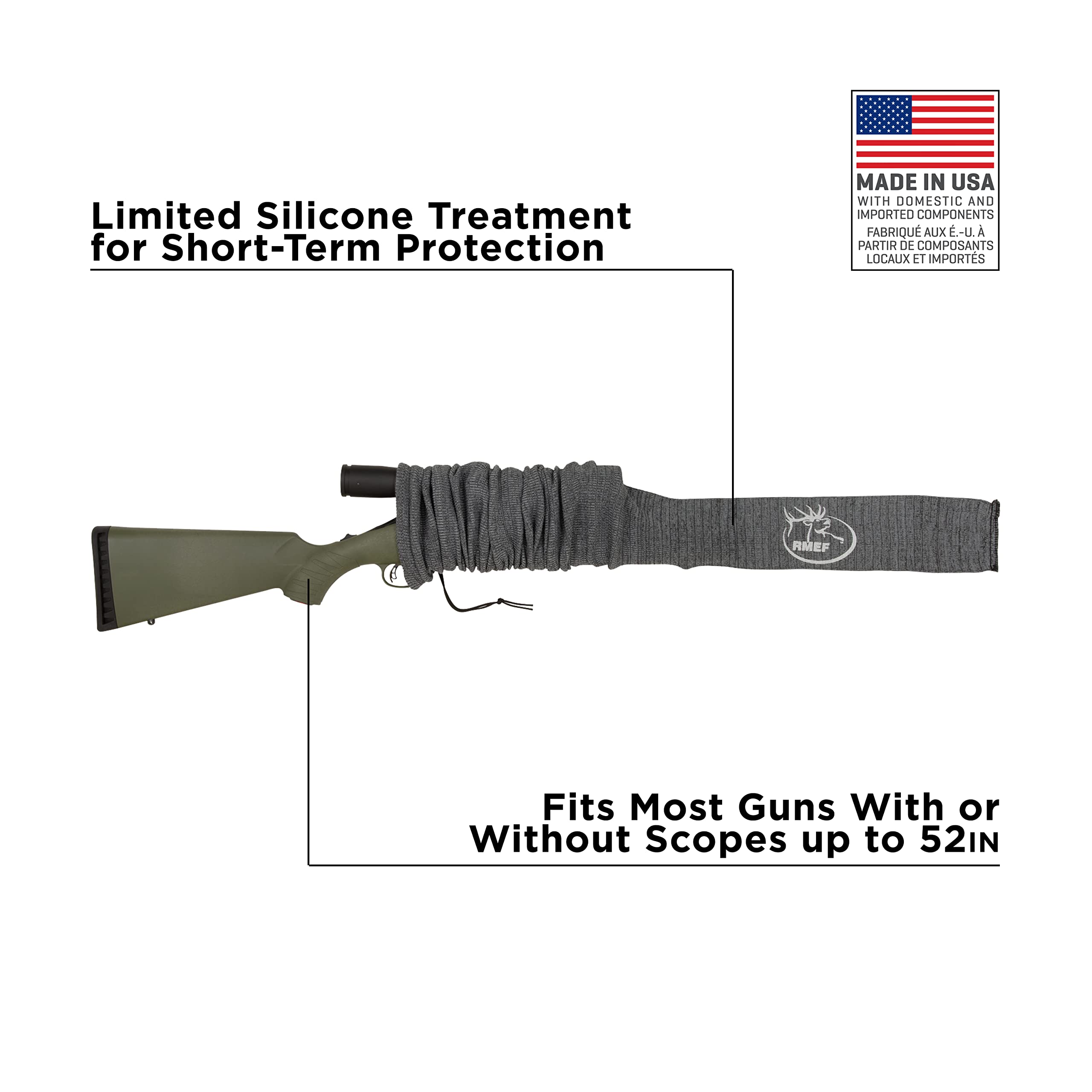
The average gun sock is about 52 inches long—enough for most rifles and shotguns. They often have a drawstring closure to keep the firearm secure inside.
Gun socks are lightweight and easy to store. They fit inside safes, bags, or even car trunks. They’re also affordable. Most cost between $5 and $20, depending on material and brand.
Why Firearm Protection Matters
Firearms are made from metal, wood, and synthetic materials. Over time, these parts can suffer damage. Moisture, dust, scratches, and bumps are all threats. Metal parts, especially steel, are prone to rust if exposed to humidity. Wood can crack or fade. Even synthetic parts can get scratched.
Exclusive Deals
Limited-time Exclusive Deals. Check current discount on Amazon.
Check Price on Amazon As an Amazon Associate I earn from qualifying purchases.Damage isn’t just cosmetic. Rust can affect the gun’s action and safety. Dust or dirt may cause jams. Scratches lower the gun’s value.
Proper protection keeps firearms in good condition. This is important for:
- Collectors: To maintain value and appearance
- Hunters: To avoid malfunctions in the field
- Homeowners: For reliable self-defense
How Gun Socks Work
Gun socks cover the firearm tightly. Their fabric blocks dust and small debris. Some socks have a silicone treatment that repels moisture. This helps prevent rust.
Gun socks also cushion the gun against minor bumps or scratches. When stored with other guns, the fabric acts as a barrier. This is useful in crowded safes or racks.
Many gun socks are breathable. They don’t trap moisture, which is important for preventing condensation. However, some cheaper socks may not offer this feature.
Exclusive Deals
Limited-time Exclusive Deals. Check current discount on Amazon.
Check Price on Amazon As an Amazon Associate I earn from qualifying purchases.Gun Socks Vs. Other Protection Methods
How do gun socks compare to other ways to protect firearms? Let’s look at common options:
| Protection Method | Cost | Effectiveness | Portability |
|---|---|---|---|
| Gun Socks | $5-$20 | Good for dust, scratches, minor moisture | Excellent |
| Hard Cases | $30-$200+ | Excellent for impact, moderate moisture | Moderate |
| Soft Cases | $20-$80 | Good for impact, limited moisture | Good |
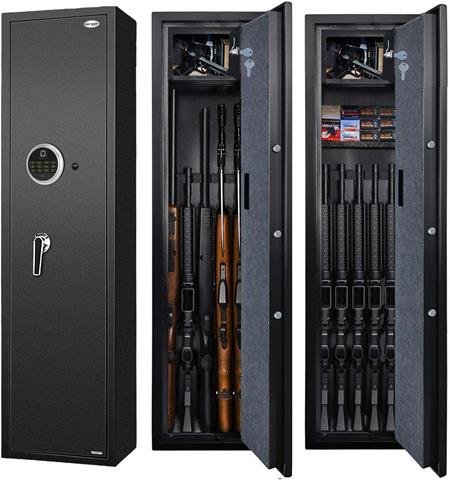
| Safe Storage | $300-$2000+ | Excellent for security, variable for moisture | Poor |
| Dehumidifiers | $15-$50 | Excellent for moisture | N/A |
Gun socks are not as strong as hard cases or safes. But they are cheaper and lighter. They work well for short-term storage or as an extra layer inside a safe.

Benefits Of Using Gun Socks
Gun socks may look simple, but they offer several real advantages.
1. Preventing Rust
Most gun socks are treated with silicone. This creates a barrier against moisture, which is the main cause of rust. When stored in humid environments, this protection is valuable.
2. Reducing Scratches
Firearms stored together can rub against each other. This leads to scratches and wear. Gun socks keep guns separated, lowering this risk.
3. Keeping Dust And Dirt Out
Dust can settle on firearms, especially in open racks or closets. Gun socks block dust and small debris. This helps keep the gun clean.
4. Easy Storage And Transport
Gun socks are flexible and take up little space. You can store guns in tight places, like safes or bags, without worrying about scratches. They’re also useful for transporting firearms discreetly.
5. Maintaining Appearance
For collectors, keeping guns in good condition is critical. Gun socks help preserve finishes and prevent fading.
6. Low Cost
Compared to cases or safes, gun socks are very affordable. They offer basic protection without a big investment.
Limitations And Drawbacks
Gun socks are not perfect. Here are some things they can’t do:
1. Limited Impact Protection
Gun socks are thin. They can’t protect against drops, heavy impacts, or crushing forces. For travel or rough environments, a hard case is better.
2. Not Waterproof
Most gun socks repel moisture but are not fully waterproof. If you drop a gun in water, the sock won’t save it.
3. May Trap Moisture
Some low-quality gun socks can trap moisture inside. This increases the risk of rust. Always choose breathable, high-quality socks.
4. Limited Security
Gun socks do not prevent theft. They are not a substitute for a gun safe or lock.
5. Not For Long-term Outdoor Storage
Gun socks are best for indoor storage. Outdoors, they can’t protect against extreme weather or animals.
Types Of Gun Socks
Not all gun socks are the same. There are different types for different needs.
| Type | Material | Best Use | Common Features |
|---|---|---|---|
| Silicone-Treated | Polyester/Cotton | Rust prevention | Moisture resistance, drawstring |
| Standard Knit | Polyester/Cotton | Scratch prevention | Basic dust protection |
| Heavy-Duty | Thicker blends | Extra padding | More cushioning, reinforced ends |
| Pistol Socks | Small size | Handguns | Compact fit, easy closure |
Choosing the right type depends on your needs. For humid climates, silicone-treated socks are best. For large safes with many firearms, standard knit socks work well.
How To Use Gun Socks Effectively
Buying a gun sock is only the first step. To get the best protection, follow these tips:
1. Clean The Firearm First
Always clean and oil your gun before storing it in a sock. Dirt or moisture left on the gun can cause damage.
2. Use The Drawstring
Most gun socks have a drawstring at the end. Tighten it to keep dust and moisture out.
3. Pair With Other Storage
Gun socks work best inside a safe or case. They are an extra layer, not a main protection.
4. Check The Sock Regularly
Look for signs of wear, holes, or trapped moisture. Replace the sock if damaged.
5. Use Dehumidifiers
In humid climates, add a dehumidifier to your safe or storage area. This lowers the risk of rust.
6. Label Your Guns
If you own several firearms, label each sock. This makes it easier to find the right gun quickly.
Real-world Examples And Data
Gun socks are popular among hunters, collectors, and sports shooters. Here are some real-world insights:
- A study by the National Shooting Sports Foundation found that 60% of gun owners use some form of protective sleeve for storage.
- Collectors report that silicone-treated socks reduce rust by up to 80% compared to bare storage.
- Hunters say gun socks help keep rifles clean during transport, especially in dusty environments.
Some users notice that cheap socks can tear or lose their shape. Investing in a higher-quality sock often pays off.
Gun Socks For Different Firearm Types
Gun socks are made for various firearms. Here’s how they fit different needs:
Rifles And Shotguns
Long socks fit rifles and shotguns. They cover the barrel and stock completely. This is useful for hunting rifles, tactical shotguns, or antique firearms.
Handguns
Pistol socks are smaller and fit handguns snugly. They are great for revolvers, semi-automatics, or collectible pistols.
Specialty Firearms
Some socks are made for AR-15s or guns with scopes. They are wider or reinforced to protect attachments.
When Gun Socks Are Most Useful
Gun socks shine in certain situations:
- Home storage: They keep guns safe in closets, safes, or under beds.
- Transport: For trips to the range or hunting fields, socks prevent scratches.
- Collecting: For valuable or rare guns, socks help preserve the finish.
- Crowded safes: Socks allow you to store more guns without worrying about scratches.
However, gun socks are less useful for:
- Air travel: Airlines require hard cases.
- Extreme environments: Heavy rain, mud, or snow calls for waterproof cases.
Common Mistakes To Avoid
Beginners sometimes make errors with gun socks:
- Storing dirty guns: Always clean before storing.
- Using damaged socks: Replace socks if torn.
- Ignoring humidity: Socks help, but dehumidifiers are still needed in humid areas.
- Using socks as main security: Socks are not locks—use safes for real protection.
- Overstuffing safes: Too many guns in a small space can cause scratches, even with socks.
Are Gun Socks Worth The Money?
Let’s look at the cost versus the benefits.
A typical gun sock costs $5-$20. Hard cases cost much more, and safes can cost hundreds or thousands. The main benefits are:
- Preventing rust and scratches
- Easy and affordable protection
- Maintaining gun value
For most gun owners, this makes socks a smart investment. However, you should not rely on gun socks alone. Pair them with proper cleaning, safe storage, and humidity control.
Gun Socks: Non-obvious Insights
Many beginners miss these points:
- Gun socks help organize safes. With labeled socks, it’s faster to grab the right firearm.
- Socks can protect optics and attachments. Wider socks or reinforced models help shield scopes and sights.
- Gun socks don’t block fingerprints. If you touch the gun before storing, oils from your skin can still cause rust.
- Some socks come in bright colors. This makes it easy to spot different guns, but may not be ideal for discreet transport.
Comparing Popular Gun Sock Brands
To help you decide, here’s a comparison of three leading gun sock brands:
| Brand | Material | Price | Special Features | User Rating |
|---|---|---|---|---|
| Allen Company | Silicone-treated polyester | $9 | Drawstring, moisture resistance | 4.7/5 |
| Hoppe’s | Knit cotton/poly blend | $12 | Extra length, dust protection | 4.5/5 |
| Voodoo Tactical | Heavy-duty knit | $16 | Thick padding, reinforced ends | 4.6/5 |
All three brands offer good protection, but Allen Company stands out for moisture resistance. Voodoo Tactical is best for extra padding.
Are Gun Socks Safe For All Firearms?
Most gun socks are safe for any gun. However, vintage guns with oil finishes may need special attention. Some silicone treatments can interact with old wood finishes, causing fading. If you own antique guns, check with a gunsmith before using treated socks.
For modern firearms, gun socks pose no risk. They are safe for steel, aluminum, synthetic stocks, and optics.
Environmental Impact
Gun socks are reusable, which lowers their environmental impact. Most are made from synthetic fibers, but some brands offer biodegradable options. If you want eco-friendly choices, look for socks made from cotton or recycled polyester.
Expert Opinions
Gun experts often recommend gun socks as an extra layer of protection. They agree that gun socks are best used inside safes, not as the only protection.
One non-obvious tip: Some collectors use gun socks for long-term storage during moves or renovations. This prevents dust and accidental scratches.
For more detailed advice, check resources like the National Shooting Sports Foundation.
Frequently Asked Questions
What Materials Are Best For Gun Socks?
The best gun socks use silicone-treated polyester or cotton blends. Silicone treatment adds moisture resistance. Avoid socks made from low-quality, non-breathable material.
Can Gun Socks Prevent Rust Completely?
Gun socks reduce rust risk but cannot guarantee complete prevention. Pair socks with regular cleaning and safe storage.
Are Gun Socks Safe For Antique Guns?
Most gun socks are safe, but silicone-treated socks may affect old wood finishes. For antique guns, check with an expert before use.
How Often Should I Replace Gun Socks?
Replace gun socks if you see holes, fraying, or loss of elasticity. Most quality socks last several years with proper care.
Can I Use Gun Socks For Air Travel?
No. Airlines require hard, lockable cases for firearms. Gun socks offer no impact or security protection for travel.
Gun socks are a smart, low-cost way to protect your firearms from dust, scratches, and minor moisture. They are especially helpful for organizing safes and preserving gun value. But remember, they are not a substitute for cleaning, proper storage, or security.
For most gun owners, gun socks are worth it—as long as you use them correctly and combine them with other protection methods.