Security bar gives quick, removable resistance; door reinforcement kit permanently strengthens frame and lock.
Exclusive Deals
Limited-time Exclusive Deals. Check current discount on Amazon.
Check Price on Amazon As an Amazon Associate I earn from qualifying purchases.I write and test home security gear for years. I have installed both security bars and door reinforcement kits in my own home and in properties I manage. This guide explains the real differences, when to pick one over the other, and practical tips to get the most protection from your door. If you want clear, usable advice on Security Bar vs Door Reinforcement Kit, read on — I walk you through definitions, pros and cons, costs, installation, and real-life use cases backed by hands-on experience and practical tips.

What each product is and how they differ
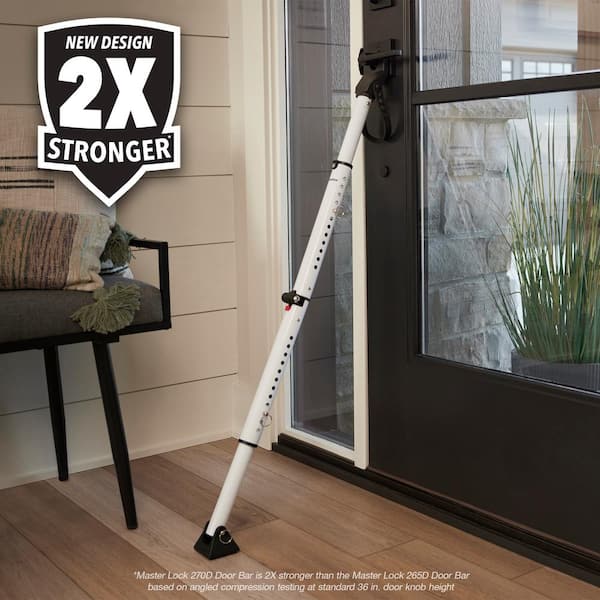
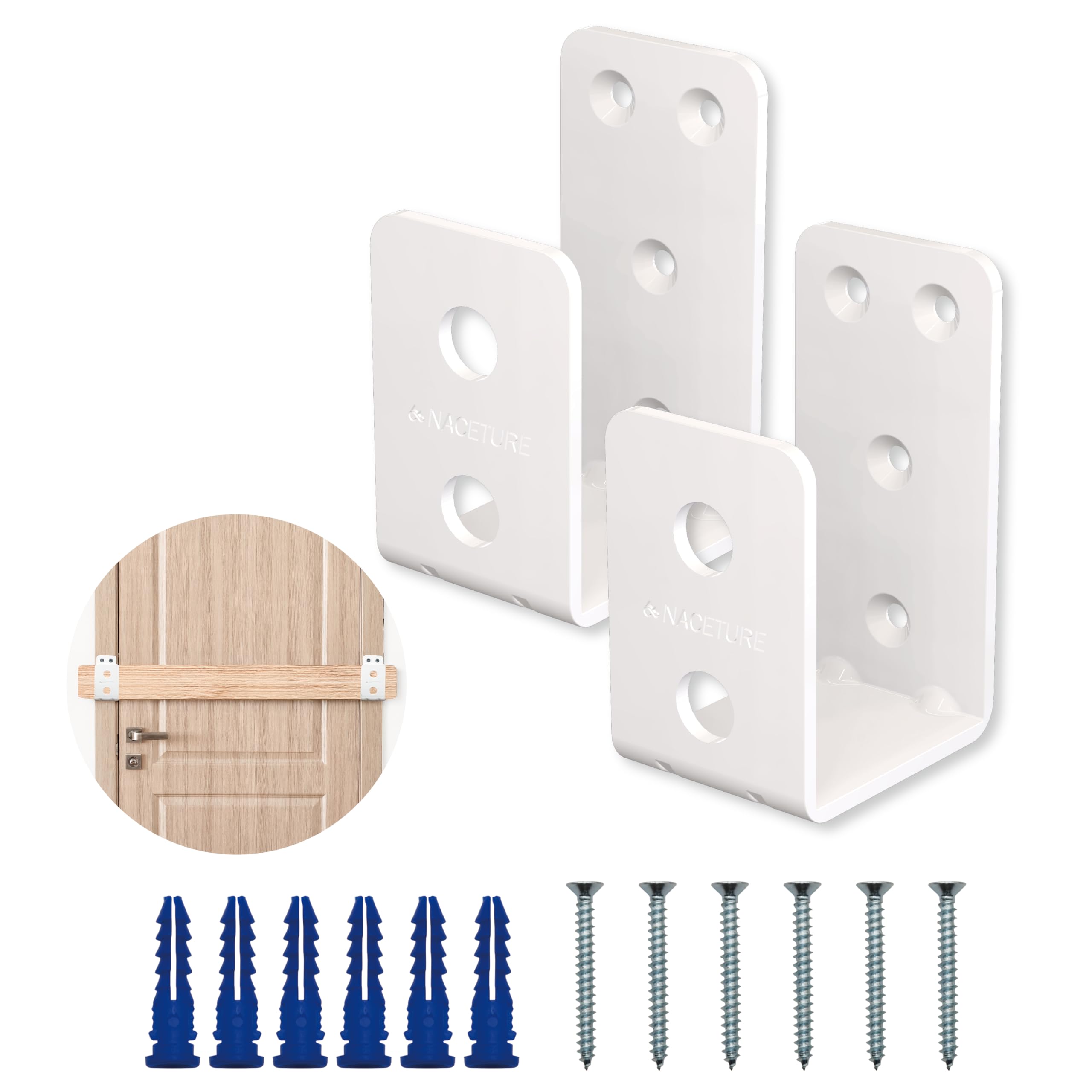
A security bar is a simple, often telescoping bar placed under a doorknob or across a sliding door track. It acts as a physical brace to stop the door from opening inward or sliding. A door reinforcement kit is a set of hardware pieces that strengthen the door frame, hinge area, and lock. It usually includes longer screws, strike plates, reinforced jambs, and sometimes hinge reinforcers.
Security Bar vs Door Reinforcement Kit highlights a basic trade-off:
Exclusive Deals
Limited-time Exclusive Deals. Check current discount on Amazon.
Check Price on Amazon As an Amazon Associate I earn from qualifying purchases.- Security Bar: portable, cheap, easy to use, immediate deterrent.
- Door Reinforcement Kit: permanent, stronger, protects frame and lock over time.
Both products reduce break-in risk, but they work in different ways. Security bars resist break-in by preventing door movement. Reinforcement kits resist break-in by improving the door’s structure and lock security. Security Bar vs Door Reinforcement Kit compares a temporary barrier with a structural upgrade.
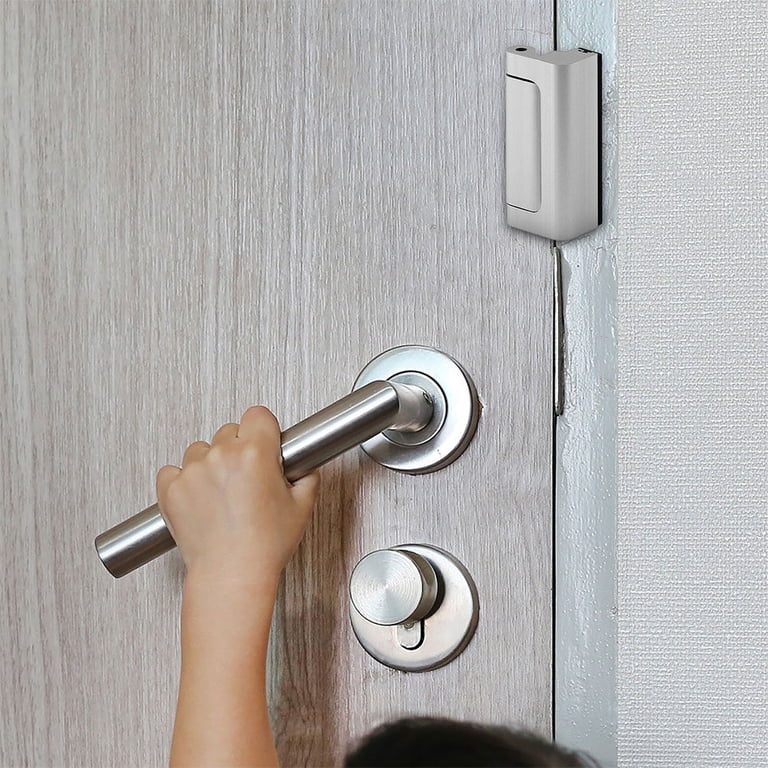
How Security Bars work and what they stop
Security bars are simple physics. They add a compressive force between the door and the floor or frame. This force turns a push or kick into pressure the floor or frame must absorb.
Common uses and limits:
- Stops quick kicks and forced inward pushes on hinged doors.
- Helps prevent sliding doors from being forced along the track.
- Often fails if the frame itself is weak or if the bar is poorly positioned.
- Best for renters, travelers, or someone who needs a tool they can remove.
From my tests, a quality security bar can stop casual intruders and slow more determined attackers. It gives time for alarm systems or neighbors to react. But Security Bar vs Door Reinforcement Kit shows that bars are not a full fix when the frame or strike plate is the weak link.
Exclusive Deals
Limited-time Exclusive Deals. Check current discount on Amazon.
Check Price on Amazon As an Amazon Associate I earn from qualifying purchases.
How door reinforcement kits work and what they stop
Reinforcement kits focus on the frame, strike plate, hinges, and lock hardware. They redistribute force and keep the door components from failing under stress.
Common components and benefits:
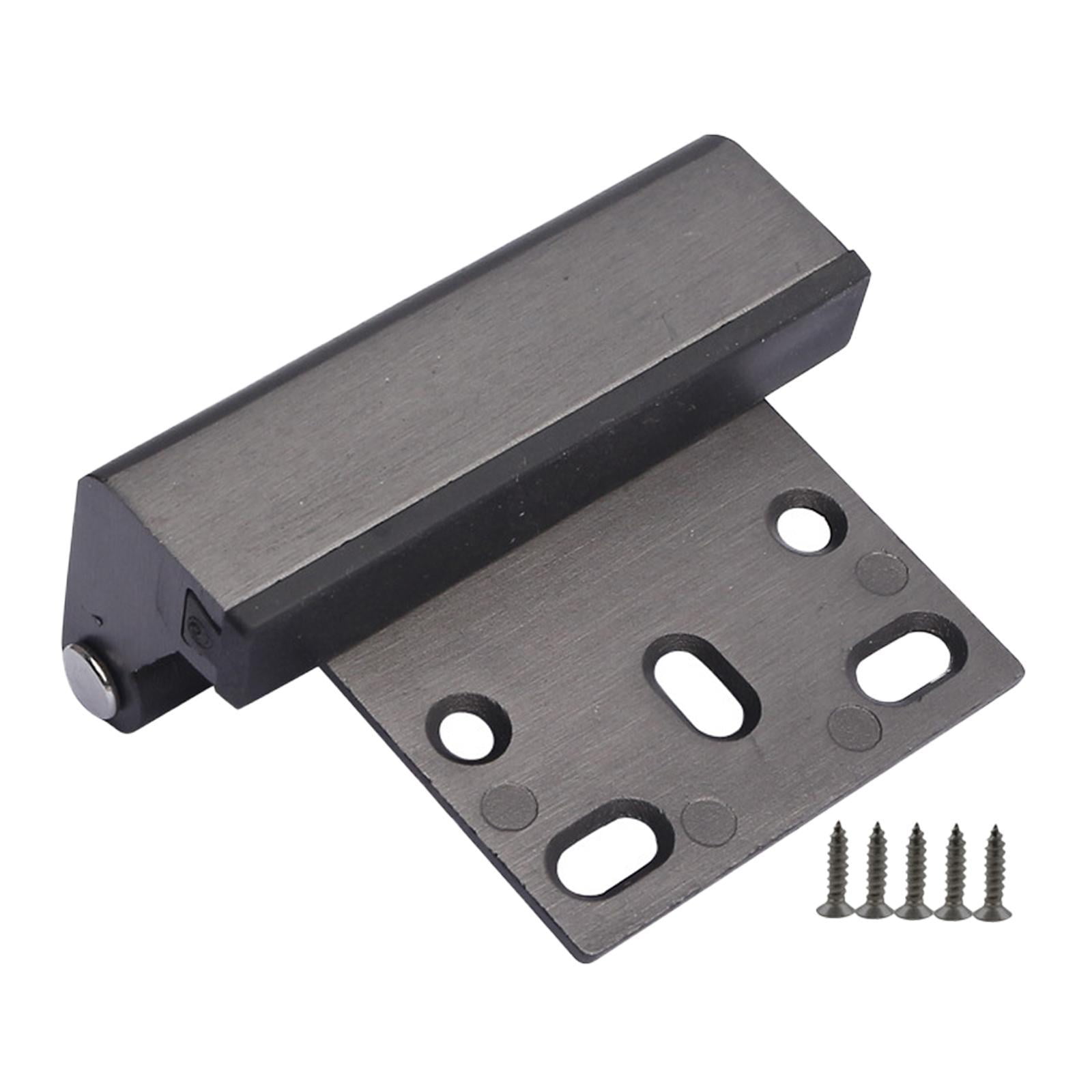
- Reinforced strike plate and longer screws anchor the lock deep into studs.
- Jamb reinforcement or wrap plates add strength where the door meets the frame.
- Hinge reinforcers or long hinge screws prevent hinge failure.
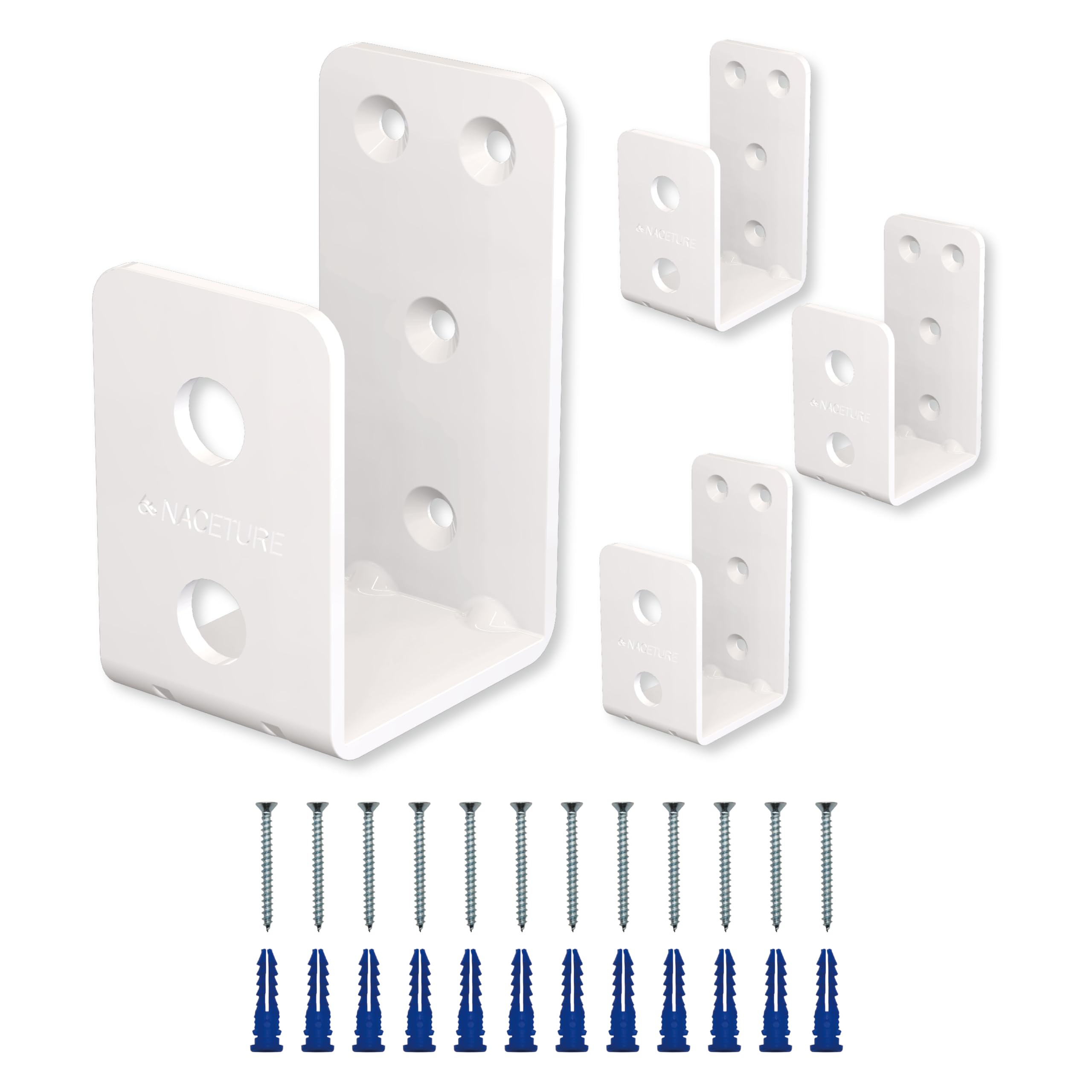
- Some kits include door edge protectors to resist pry attacks.
Door reinforcement addresses the root cause of many break-ins: weak frames and short screws. My experience says a properly installed reinforcement kit turns a flimsy door into a serious deterrent. Security Bar vs Door Reinforcement Kit shows that kits last longer and protect against stronger approaches.

Pros and cons compared side-by-side
Understanding the strengths and limits helps you choose.
Security Bar pros:
- Low cost and easy setup.
- Portable and non-permanent.
- Works without drilling or altering doors.
Security Bar cons:
- Can be bypassed if frame fails.
- Must be set each time you lock the door.
- Less sleek and can be noisy.
Door Reinforcement Kit pros:
- Permanent, hidden, and reliable.
- Strengthens frame, hinges, and lock simultaneously.
- Better for long-term security and insurance requirements.
Door Reinforcement Kit cons:
- Higher cost and needs tools for installation.
- Often requires drilling and altering the door or jamb.
- Not ideal for renters without landlord permission.
Security Bar vs Door Reinforcement Kit is often a choice between convenience and structural strength. For many homes, both together create layered defense.

Installation, cost, and time
Costs vary by quality and brand. Expect a range:
- Security Bar: $20 to $70. Install time: less than 5 minutes.
- Door Reinforcement Kit: $40 to $250 or more. Install time: 30 minutes to a few hours.
Installation tips:
- For bars, measure door height and follow angle guidelines. Check padding to avoid floor damage.
- For kits, replace short screws with 3-inch screws into the stud behind the jamb. Use a drill and pilot holes. Follow manufacturer torque specs.
- If you lack confidence, hire a locksmith or carpenter for kit installation.
My mistakes: I once used screws too short when installing a kit. The door still failed in a stress test. Lesson learned: use long screws into the stud for full strength. Security Bar vs Door Reinforcement Kit shows cost is less important than proper installation.
Real-world scenarios and recommendations
Which works best where? Here are practical rules I use for clients.
Front door of a home:
- Recommended: Door reinforcement kit first. Add a security bar for extra layered defense.
Apartment or rental: - Recommended: Security bar or portable jamb locks if you cannot modify the door. Ask landlord about reinforcement.
Sliding glass doors: - Recommended: Security bar or track lock plus a reinforcement kit for the frame if possible.
Budget constraints: - Recommended: Start with a quality security bar. Save for a reinforcement kit later.
Security Bar vs Door Reinforcement Kit is not always exclusive. Use both when possible. The bar can cover weak moments, while the kit solves structural weakness.
How to choose: quick decision checklist
Answer these to pick right:
- Do you rent? If yes, prefer a security bar or removable options.
- Do you plan to stay long-term? If yes, invest in a reinforcement kit.
- Is your door frame solid? If weak, a reinforcement kit is higher priority.
- Do you want a visible deterrent? Security bars are visible and can deter opportunists.
PAA-style questions (short answers):
- Will a security bar stop a determined thief? It slows and sometimes stops them but is not foolproof. A reinforcement kit adds structural resistance that better stops determined attacks.
- Can a reinforcement kit be installed on metal doors? Yes, many kits work on metal and wood doors but check the kit specs first.
- Is a security bar noisy at night? Some models can creak; choose models with rubber pads to reduce noise.
Security Bar vs Door Reinforcement Kit often comes down to these simple checks. My advice: prioritize structural fixes first for long-term protection.
Personal experience, lessons learned, and tips
I once left a rental with only a security bar. It helped when a neighbor challenged a late-night noise, but it did not stop a heavy push test by a contractor. After that, I installed a reinforcement kit in my own home. The difference was clear. The door didn't budge under much greater force.
Practical tips I use and share:
- Use 3-inch screws into the stud for strike plates and hinges.
- Pair a reinforced deadbolt with a reinforced strike plate.
- Test your setup by applying steady pressure near the lock and hinges.
- Teach household members how to place a security bar quickly if you keep one.
These steps helped me avoid false security and get real protection. Security Bar vs Door Reinforcement Kit is easier to resolve when you follow hands-on checks and use both layers wisely.
Frequently Asked Questions of Security Bar vs Door Reinforcement Kit
What is stronger: a security bar or a door reinforcement kit?
A reinforcement kit is usually stronger because it fixes the door’s weak points. A security bar adds resistance but depends on the frame and placement.
Can I install a door reinforcement kit myself?
Yes, many kits are designed for DIY installation, but you need basic tools and confidence drilling into the jamb. Hiring a pro is wise if you are unsure or the door is complex.
Will a security bar damage my floor?
Most security bars have rubber feet to prevent damage. Test on a small area and avoid dragging the bar to keep floors safe.
Are reinforcement kits allowed in rentals?
You often need landlord permission to modify the frame. Portable alternatives exist for renters, like adjustable bars or removable locks.
Do these products affect home insurance?
Some carriers consider reinforced doors a positive factor for home security. Keep receipts and photos of installation to support any claims.
Conclusion
Security Bar vs Door Reinforcement Kit is a choice between quick, portable protection and long-term structural defense. Use a reinforcement kit to fix weak frames and locks. Add a security bar for extra deterrence, renter-friendly needs, or temporary backup. Take action today by evaluating your doors, checking for short screws, and deciding whether a kit, a bar, or both fit your situation. Try a simple test: push near the lock and hinge. If the door moves, reinforce it. Share your experience or ask a question below, and consider subscribing for more hands-on home security tips.