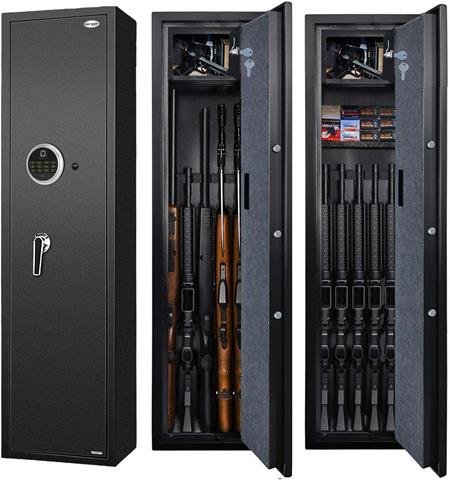
Biometric rifle safes can offer fast access, but reliability depends on design, upkeep, power, and a backup entry method.
Exclusive Deals
Limited-time Exclusive Deals. Check current discount on Amazon.
Check Price on Amazon As an Amazon Associate I earn from qualifying purchases.The question “Are Biometric Rifle Safes Reliable for Quick Access in Emergencies” deserves a careful answer. These safes can open in seconds when they are well made, correctly installed, and tested often. However, no electronic lock is perfect. Battery failure, dirty sensors, poor fingerprint setup, or stress can turn a fast system into a slow one. This guide explains how biometric rifle safes work, where they excel, where they fail, and how to choose and maintain one with safety in mind.
Source: prawodlastomatologow.pl
What Are Biometric Rifle Safes?
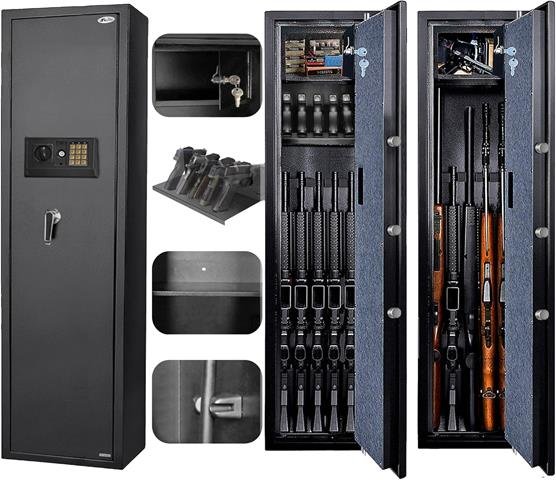
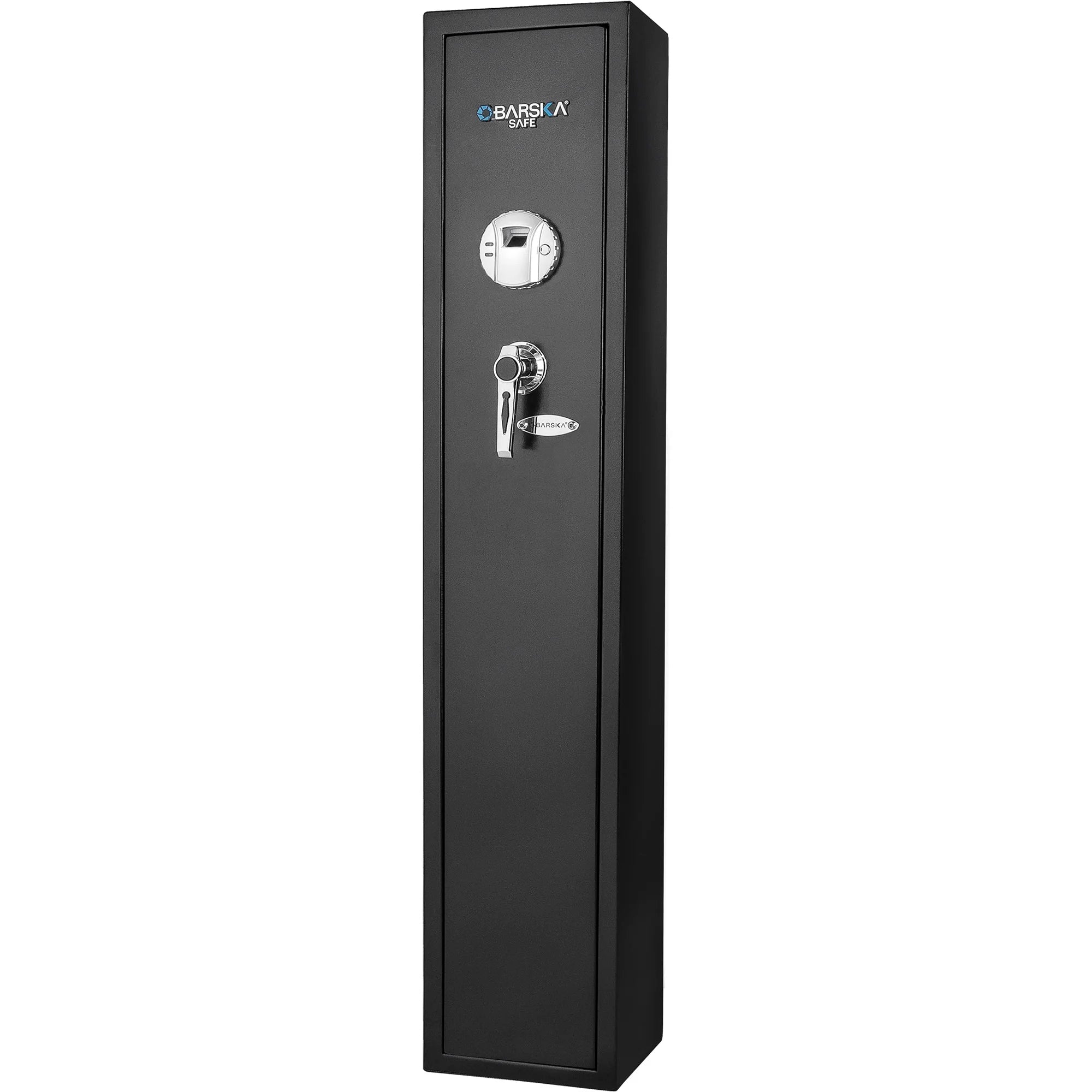
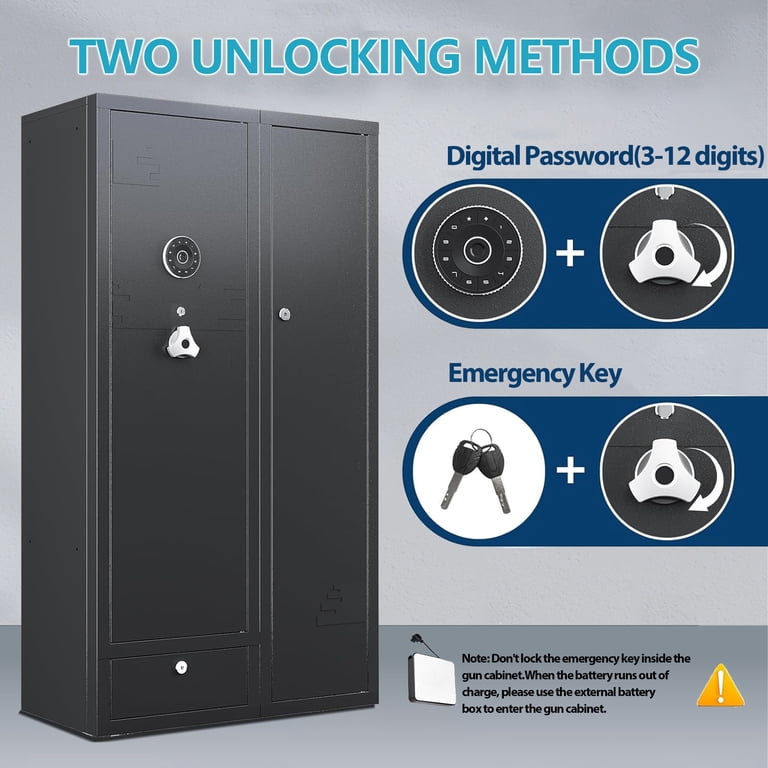
A biometric rifle safe is a locked storage container that uses a fingerprint scanner to verify the user. Once the scanner recognizes an approved print, it releases the lock. Many models also include a keypad, backup key, or manual override.
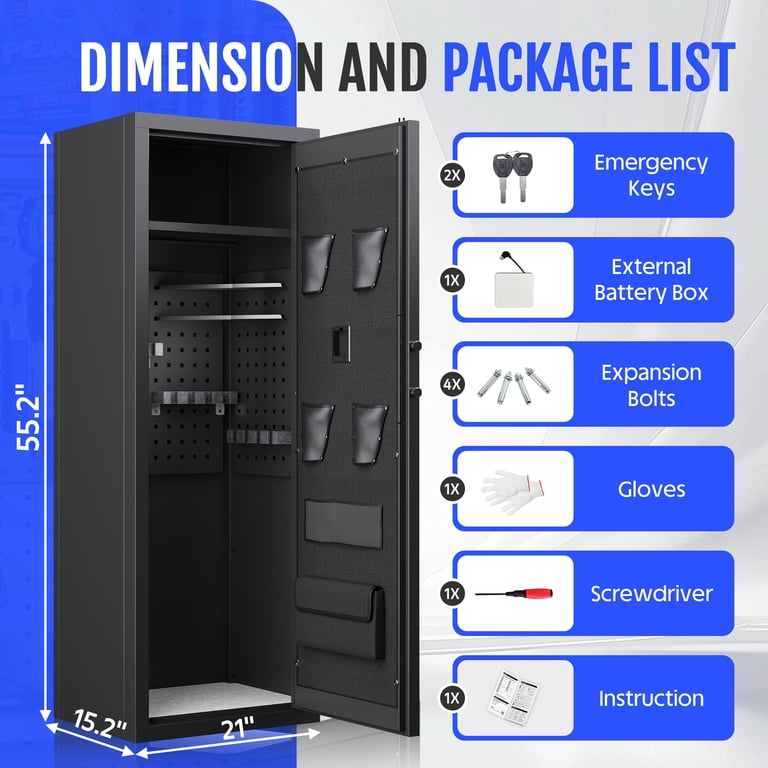
Unlike a small handgun safe, a rifle safe is usually taller and deeper. It may hold one or more rifles, a shotgun, magazines, and other lawful accessories. Some models have shelves, foam padding, interior lights, or a separate lockbox.
Exclusive Deals
Limited-time Exclusive Deals. Check current discount on Amazon.
Check Price on Amazon As an Amazon Associate I earn from qualifying purchases.The main parts include:
• Fingerprint sensor: Reads a stored fingerprint pattern.
• Electronic control unit: Compares the scan with saved data.
• Locking bolts: Hold the door shut.
• Battery system: Powers the scanner and lock.
Exclusive Deals
Limited-time Exclusive Deals. Check current discount on Amazon.
Check Price on Amazon As an Amazon Associate I earn from qualifying purchases.• Backup entry system: May include a keypad or mechanical key.
A biometric rifle safe is not the same as a vault. Many home rifle safes can resist casual theft, but they may not stop a determined criminal with time and tools. Look for clear information about steel thickness, hinge protection, bolt strength, fire rating, and independent testing.

Source: amazon.com
Are Biometric Rifle Safes Reliable for Quick Access in Emergencies?
Yes, a quality biometric rifle safe can be reliable for quick access in emergencies, but it should not be treated as foolproof. The scanner must read your finger, the battery must have power, and the lock must work without delay.
In normal conditions, a good fingerprint safe may open faster than a traditional keyed safe. You do not need to find a key in the dark or remember a code under pressure. This simple process is one reason many owners consider biometric access for home storage.
Still, speed is only one part of reliability. A safe that opens in two seconds but offers weak theft protection is not a complete solution. The best choice balances:
• Fast and consistent access
• Strong physical security
• Reliable power
• Safe firearm storage
• A practical backup entry method
• Easy maintenance
Emergency access also means lawful and controlled access. Only trained, authorized adults should use the safe. Children, visitors, and unauthorized users should never be able to reach the firearm.

Source: walmart.com
How Biometric Rifle Safes Work During an Emergency
A fingerprint safe follows a short chain of events:
- You touch the scanner with a registered finger.
- The sensor captures the fingerprint pattern.
- The control unit compares the scan with stored data.
- The electronic lock releases the bolts.
- You open the door and access the stored firearm.
Every step must work. If one part fails, the process stops. This is why the quality of the scanner, motor, batteries, and locking bolts matters.
Stress can also affect the process. A person may touch the sensor at an odd angle or use a wet, cold, or dirty finger. A bright light, low light, or damaged skin can sometimes make scanning harder. Practicing safe access with an unloaded firearm and following the manufacturer’s instructions can reduce confusion.
A biometric lock is like a doorbell. It may work every time, but only when it has power, the button is clean, and the wiring is sound. Treating it as a system, rather than a magic device, leads to better results.

Source: amazon.com
Benefits of Biometric Rifle Safes
Fast entry
Quick access is the biggest benefit. A fingerprint scan can take less time than locating a key or entering a long code. This may matter when you are tired, startled, or dealing with a sudden household threat.
Speed should never replace judgment. Call emergency services when possible, move family members to safety, and follow local laws. A safe is only one part of a complete home safety plan.
No code to remember
Some people forget passwords or use easy codes that others can guess. A fingerprint system removes much of that burden. You use an approved biological feature instead of a number sequence.
You should still keep the backup code or key secure. Do not leave it taped to the safe, hidden under a nearby mat, or stored where children can find it.
Controlled user access
Most biometric rifle safes let you register several fingerprints. This can help approved adult users access the safe without sharing a key or code.
Register only people who are legally allowed and properly trained to handle the firearm. More registered users also mean more chances for accidental or unauthorized access.
Reduced key management
A key can be lost, copied, or discovered. A biometric system reduces the need to carry a physical key each day. This can make storage more convenient for some households.
The backup key still matters. It should be stored in a secure location away from the safe and outside the reach of children.
Better access in low light
Many models include interior lights or a simple scanner that works without visual alignment. This can be useful at night when searching for a key or reading a keypad is difficult.
Do not assume every model has this feature. Test the safe in the location where it will sit, including low-light conditions.
Limitations and Common Failure Points
Battery failure
Dead batteries are one of the most common problems with electronic safes. A fingerprint scanner may appear reliable for months, then stop working when the battery voltage drops.
Choose a model with a low-battery warning. Replace batteries on a regular schedule, even if the warning has not appeared. Use the battery type listed by the manufacturer.
Dirty or damaged sensors
Dust, oil, moisture, and fingerprints can reduce scanner performance. A cut, burn, dry patch, or swollen finger may also change the print enough to cause a failed scan.
Keep the sensor clean with the method approved by the manufacturer. Avoid harsh cleaners and excess liquid.
Poor fingerprint enrollment
A weak setup often causes poor performance later. If you register only one print from one angle, the safe may reject your finger when you touch it differently.
Register more than one finger if the model allows it. Scan each finger from several natural angles. Some owners register both thumbs and index fingers for flexibility.
Cold or wet fingers
Cold weather can affect skin texture and circulation. Wet fingers can also confuse certain sensors. If you work outdoors, garden, or wash your hands often, test the scanner under realistic conditions.
A backup keypad or key becomes especially important in these situations.
Electronic or motor failure
The scanner may work while the internal motor or bolt mechanism fails. Dirt, poor alignment, a weak battery, or a damaged door can create this problem.
The door should close squarely without force. If you must push, pull, or lift the door to lock it, stop and inspect the installation.
Weak construction
A biometric lock does not make a thin metal box highly secure. Some inexpensive products focus on the scanner but use light steel, small bolts, or exposed hinges.
Review the complete safe, not just the word “biometric” on the package. Security is a chain, and the weakest link controls the result.

Source: amazon.com
Are Biometric Rifle Safes Reliable for Quick Access in Emergencies When Power Fails?
They can remain useful during a power problem if they have a dependable backup entry method. Most battery-powered models do not depend on household electricity, but the batteries can still fail.
Look for these features:
• External emergency power port
• Mechanical override key
• Backup keypad
• Clear low-battery warning
• Easy battery replacement
A mechanical key is helpful, but it creates a new security task. Store it where authorized adults can reach it, but where children, visitors, and intruders cannot.
Do not rely on a single access method. A safe with a fingerprint reader, keypad, and mechanical override gives you more options. Each option should be tested according to the manufacturer’s instructions.
Source: barska.com
How to Test a Biometric Rifle Safe Safely
Testing should never involve a loaded firearm. Remove the firearm from the room or follow a strict unloading and clearing process. If you are unsure, ask a qualified firearms instructor or gunsmith for help.
Use this simple test plan:
- Check that the firearm is unloaded and stored safely.
- Confirm that the safe is firmly mounted if the design supports anchoring.
- Test each registered fingerprint several times.
- Test the scanner with the door closed and in normal room lighting.
- Test the backup keypad or key as directed.
- Check the low-battery warning if the model provides one.
- Confirm that the bolts move smoothly.
- Repeat the test after changing batteries.
- Record the test date in a household safety log.
Test from different natural hand positions. Do not strike, shake, or force the door. The goal is to learn how the safe behaves, not to stress the lock.
Many safety experts recommend periodic checks rather than a single test on installation day. Monthly checks are a practical habit for many households. Always follow the product manual and local storage rules.

Source: villageofgreenwoodlake.gov
Choosing a Reliable Biometric Rifle Safe
Check the physical build
Look for solid steel construction, protected hinges, strong locking bolts, and a door that sits tightly in the frame. A pry-resistant design is more valuable than a flashy screen or a large fingerprint capacity.
Ask whether the safe is designed for a rifle, shotgun, or both. Confirm the interior dimensions before buying. Optics, mounted lights, and other accessories may require more space than expected.
Review independent testing
Marketing terms can be vague. Search for clear information about burglary resistance, fire protection, and lock testing. Independent certification or transparent test data can provide more useful evidence than broad claims such as “military grade.”
A fire rating also needs careful review. Some products have no meaningful fire protection. Others list a time and temperature rating that applies only under specific test conditions.
Compare scanner performance
Optical and semiconductor fingerprint sensors can differ in speed and performance. The number of stored fingerprints is less important than consistent recognition.
Read user reviews with care. Look for repeated comments about failed scans, battery life, door alignment, and customer support. One angry review proves little, but a clear pattern deserves attention.
Consider the backup system
A good backup system should be secure, simple, and tested. Avoid models where the emergency key cylinder is easy to attack or where the backup code is printed in an exposed location.
The backup system should not be so difficult that you never test it. A feature that exists only on paper is not a real backup.
Inspect the warranty and support
Electronic locks can need service. Check the warranty length, replacement policy, battery guidance, and support options before buying.
A company that provides detailed manuals and clear contact information often gives you more confidence than one that makes large claims but offers little technical detail.
Source: graines-voltz.com
Best Placement and Installation Practices
Placement affects both speed and security. A safe should be easy for an authorized adult to reach but not obvious to a visitor or child.
Consider these points:
• Keep the safe away from heat, flooding, and excessive humidity.
• Anchor it to a suitable wall, floor, or other structure when the manufacturer permits.
• Make sure the door can open fully without hitting furniture.
• Keep the scanner at a comfortable height.
• Avoid placing it in a dark corner where you cannot inspect the lock.
• Do not place keys or written codes beside the safe.
Improper installation can cause door sag, bolt misalignment, or difficult access. Use the correct hardware and seek professional help if the safe is heavy or the mounting surface is uncertain.
A secure location should also support family safety. Children should not see the access process as a game. Talk to household members in age-appropriate terms about staying away from the safe and telling an adult if they find a key or code.
Maintenance Tips for Long-Term Reliability
A biometric rifle safe needs routine care. Maintenance takes only a few minutes, but it can prevent a serious surprise.
Follow this checklist:
• Replace batteries on a regular schedule.
• Clean the fingerprint sensor as instructed.
• Keep fingers clean and dry during testing.
• Inspect hinges, bolts, and the door frame.
• Check for rust, moisture, or loose mounting hardware.
• Update registered fingerprints if skin or access needs change.
• Test all entry methods at least once each month.
• Keep the manual and warranty information in a secure place.
Never spray lubricant into an electronic scanner or lock unless the manufacturer specifically approves it. The wrong product can damage internal parts.
If the safe fails to open, do not hit it or use random tools. Contact the manufacturer or a qualified locksmith. Forced entry may damage the safe, the firearm, or both.
Personal Lessons From Evaluating Biometric Rifle Safes
When I assess any biometric rifle safe, I focus less on its fastest advertised opening time and more on repeated performance. A device that opens once for a product video tells me very little. Consistent operation after many scans, battery changes, and door cycles is more meaningful.
One lesson is simple: owners often test the fingerprint reader but ignore the backup method. That is a mistake. The backup key, keypad, or emergency power feature should be treated like a spare tire. You may not need it often, but you need it to work when the main system does not.
Another common mistake is poor fingerprint enrollment. Registering a finger once, with a dry or angled touch, can lead to frustration later. I recommend registering more than one approved finger and testing them from normal positions.
The final lesson is that quick access must never outrank safe storage. A reliable safe keeps the firearm secure until an authorized adult has a lawful reason to access it. Speed matters, but control, training, and responsible storage matter more.
Are Biometric Rifle Safes Reliable for Quick Access in Emergencies Compared With Keypad Safes?
Biometric and keypad safes both have strengths. A biometric model can be fast and removes the need to remember a code. A keypad model may work better when fingers are wet, cold, dirty, or injured.
Keypads also have weaknesses. A code can be guessed, observed, or shared. Fingerprint systems have different weaknesses, including failed scans and battery concerns.
The best choice depends on your household, environment, and ability to maintain the safe. Some owners prefer a dual-access model that combines fingerprint recognition with a keypad or mechanical key.
No independent test can guarantee that every biometric rifle safe will open in every emergency. Product quality, user setup, climate, maintenance, and stress all affect performance.
Laws, Training, and Responsible Storage
Firearm storage laws vary by state, city, and household situation. Some areas require specific locking devices, especially when children may access the firearm. Check current local rules and follow the firearm maker’s storage guidance.
A rifle safe also does not replace training. Every authorized user should understand the four basic rules of firearm safety, safe handling, and the household emergency plan.
Keep firearms unloaded unless your lawful storage plan and training support another approach. Store ammunition according to local law and the manufacturer’s recommendations. If you have questions about legal compliance, consult a qualified local attorney or law enforcement resource.
Responsible storage protects more than property. It can prevent accidents, theft, unauthorized use, and tragic misunderstandings. The safest system is one that every adult in the home understands and follows.
Frequently Asked Questions About Are Biometric Rifle Safes Reliable for Quick Access in Emergencies
Are biometric rifle safes dependable?
Quality biometric rifle safes can be dependable when installed correctly and maintained. Their reliability drops when batteries are weak, sensors are dirty, fingerprints are poorly enrolled, or the door is misaligned.
How fast can a biometric rifle safe open?
Many biometric safes can unlock within a few seconds under normal conditions. Actual speed varies by model, battery strength, fingerprint placement, and the condition of the scanner.
What happens if the fingerprint scanner does not work?
Most models provide a backup key, keypad, or external power option. Test that backup method before an emergency and store any key or code securely.
Can cold or wet fingers stop a biometric safe from opening?
Cold, wet, dirty, or damaged fingers can make fingerprint recognition less consistent. Register more than one approved finger and choose a safe with a keypad or mechanical backup.
Are biometric rifle safes safe around children?
A properly locked safe can help prevent child access, but no storage device replaces supervision and education. Keep the safe secured, limit authorized users, and follow all applicable storage laws.
Should a biometric rifle safe be bolted down?
Anchoring can make the safe harder to remove or steal. Use the mounting method approved by the manufacturer and confirm that the wall or floor can support the safe.
Is a biometric safe better than a keypad safe?
Neither system is best for every user. Biometric locks can be fast, while keypad locks may perform better when fingers are wet or damaged; a model with both options offers added flexibility.
Conclusion
Are Biometric Rifle Safes Reliable for Quick Access in Emergencies? They can be, but reliability depends on more than a fingerprint reader. Strong construction, fresh batteries, clean sensors, proper enrollment, secure installation, and a tested backup method all matter.
Choose a safe based on its full design, not just its advertised opening speed. Test it with an unloaded firearm, maintain it on a schedule, and keep access limited to trained, authorized adults. Compare reliable models, review local storage laws, and build a home safety plan that puts security and responsibility first.