Are you wondering if lever-action rifles can truly be counted on when it matters most? Whether you’re a seasoned shooter or just curious about this classic firearm, understanding its reliability is key.
You want a rifle that won’t let you down—one that performs smoothly every time you pull the trigger. Keep reading to discover what makes lever-action rifles stand out, and whether they’re the dependable choice for your next adventure or collection.
History Of Lever-action Rifles
The history of lever-action rifles is rich and fascinating. These firearms played a big role in shaping modern rifles. Their design and function have made them popular for over a century. Understanding their history helps us see why they remain reliable and valued today.
Exclusive Deals
Limited-time Exclusive Deals. Check current discount on Amazon.
Check Price on Amazon As an Amazon Associate I earn from qualifying purchases.Origins And Early Designs
Lever-action rifles first appeared in the mid-1800s. The earliest models used a simple lever mechanism to load bullets. This made shooting faster than older single-shot guns. One famous early design was the Henry rifle, introduced in 1860. It showed great promise with its repeating ability and ease of use.
These rifles allowed soldiers and hunters to fire multiple rounds quickly. Their practical design changed how people approached shooting. The lever-action’s quick reload made it popular in the American West and beyond.
Evolution Over Time
Lever-action rifles improved steadily over the years. Designers worked to make them stronger and more accurate. The Winchester Model 1873 became a widely known symbol of the Old West. It featured a more durable action and better materials.
Later models added features like stronger cartridges and smoother operation. These changes kept the lever-action relevant even as other rifles appeared. The design adapted to new needs but kept its classic look and function. Today, lever-action rifles blend history with modern reliability.
Exclusive Deals
Limited-time Exclusive Deals. Check current discount on Amazon.
Check Price on Amazon As an Amazon Associate I earn from qualifying purchases.Mechanics Behind Lever-action Rifles
The mechanics behind lever-action rifles define their reliability and appeal. Understanding how these rifles work helps explain why they have remained popular for over a century. These firearms use a simple but effective mechanism that cycles the action quickly and smoothly. Each part plays a key role in ensuring the rifle functions without fail.
Operating System Basics
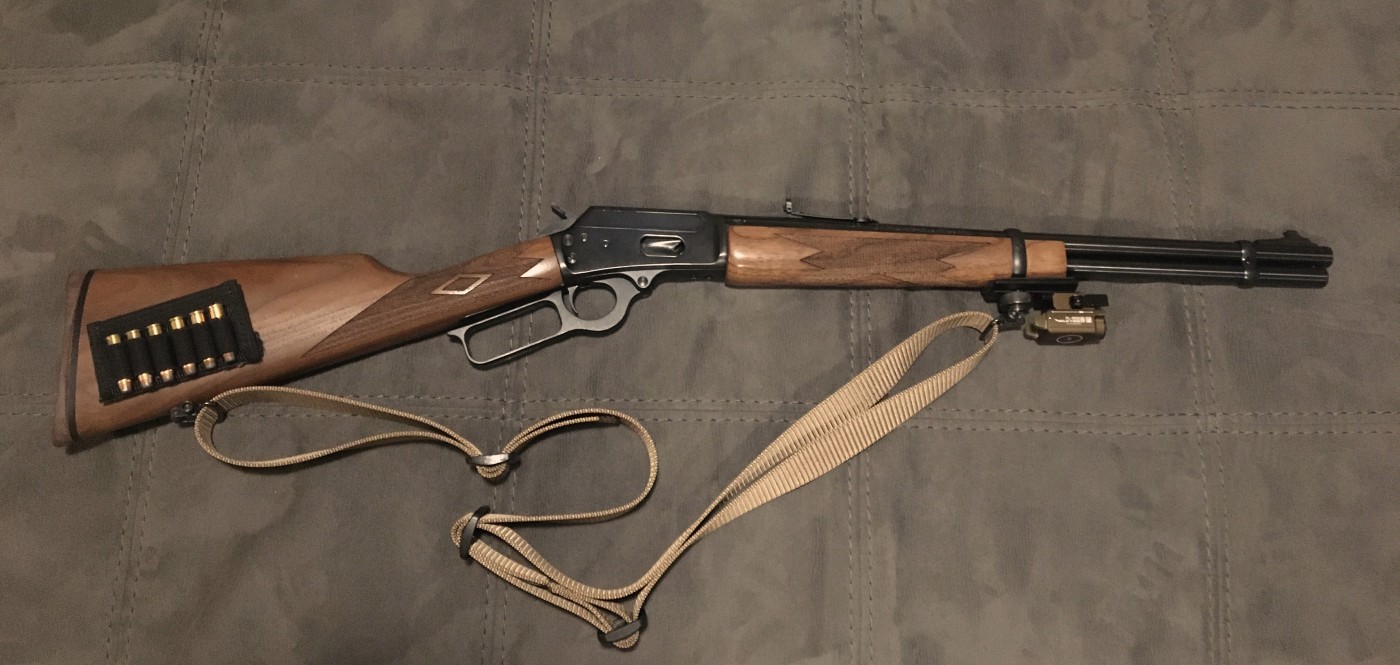
Lever-action rifles operate using a manual lever located near the trigger. This lever controls the loading and ejection of cartridges. When pulled down and forward, it opens the breech and ejects the spent casing. Then, it chambers a new round from the magazine. Finally, closing the lever locks the bolt in place, readying the rifle to fire.
This system allows for rapid follow-up shots without moving the hand from the firing position. The design is mechanical and does not rely on gas or recoil, reducing the chance of malfunctions. Its simplicity makes cleaning and maintenance straightforward, contributing to overall reliability.
Exclusive Deals
Limited-time Exclusive Deals. Check current discount on Amazon.
Check Price on Amazon As an Amazon Associate I earn from qualifying purchases.Common Components
Key parts include the lever, bolt, carrier, and magazine tube. The lever acts as the main control for cycling the action. The bolt moves back and forth to load and lock the cartridge. The carrier lifts cartridges from the magazine into the chamber. The magazine tube stores multiple rounds, feeding them one by one.
Springs and linkages connect these components, ensuring smooth movement. The extractor removes spent cartridges, while the ejector pushes them out of the rifle. Each component works together to create a reliable cycling process. The sturdy metal construction of these parts adds durability and long service life.
Factors Influencing Reliability
Several factors affect how reliable a lever-action rifle is. These aspects determine how well the rifle performs under different conditions. Understanding these factors helps buyers choose the right rifle for their needs.
Build Quality And Materials
The strength of a lever-action rifle depends on its build quality. Good rifles use strong metals and precise parts. High-quality materials resist wear and tear better. A well-made rifle works smoothly and lasts longer.
Ammunition Compatibility
Reliability also depends on the type of ammunition used. Some rifles work best with specific cartridges. Using the correct ammo reduces jams and misfires. Always check the rifle’s manual for recommended rounds.
Maintenance And Care
Regular cleaning keeps a lever-action rifle reliable. Dirt and residue can cause malfunctions over time. Proper oiling and inspection prevent rust and damage. Simple care routines improve the rifle’s lifespan and performance.

Comparing Lever-action With Other Rifle Types
Lever-action rifles have a unique place in shooting history. Comparing them with other rifles helps understand their strengths and limits. Each type suits different needs and styles. Reliability often depends on the rifle’s design and purpose.
Semi-automatic Rifles
Semi-automatic rifles reload automatically after each shot. This feature allows faster shooting than lever-action rifles. They are popular for sport and defense. Semi-automatics can be less reliable in dusty or dirty conditions. Their complex parts need regular cleaning. Lever-actions have fewer moving parts, making them simpler to maintain.
Bolt-action Rifles
Bolt-action rifles require manual operation of the bolt to load each round. They are known for strong accuracy and reliability. Many hunters prefer bolt-actions for long-range shots. These rifles are less quick to fire than lever-actions. Bolt-actions handle powerful cartridges better than most lever-actions. Their simple design offers fewer chances for malfunctions.
Real-world Performance
Lever-action rifles have earned a reputation for reliability in many real-world situations. Their simple design and strong mechanics help them perform well under different conditions. Users often trust these rifles for consistent function and ease of use.
Hunting Scenarios
Lever-action rifles work well for hunting small to medium game. They offer quick follow-up shots thanks to their fast cycling action. Hunters appreciate their light weight, which makes carrying easier during long treks. The rifles handle dirt and debris without jamming often. This reliability helps hunters stay focused on the target.
Tactical And Defensive Uses
In tactical and defense settings, lever-action rifles provide a solid option. Their straightforward operation reduces the chance of malfunction under stress. The rifles offer enough power and accuracy for close to mid-range encounters. Many users find them easy to control and reload quickly. Their durability stands out in harsh environments.

Common Issues And Troubleshooting
Lever-action rifles are known for their reliability, but like all firearms, they can face issues. Understanding common problems helps in fixing them quickly. This saves time and keeps your rifle working well. Here are some typical issues and how to troubleshoot them.
Jamming Problems
Jams are one of the most common issues with lever-action rifles. Dirt, debris, or bad ammunition often cause jams. Check the chamber and loading gate for any blockages. Clean the rifle regularly to prevent buildup.
Make sure to use the right type of ammo for your rifle. Wrong ammo can cause feeding problems and jams. Operate the lever smoothly and fully. Partial cycling may cause the rifle to jam.
Wear And Tear
Parts inside the rifle wear out over time. Springs, bolts, and other moving parts may become loose or weak. Regular inspection helps catch wear early. Replace worn parts to keep the rifle safe and reliable.
Lubricate moving parts to reduce friction and wear. Avoid over-lubricating, which can attract dirt. Proper care extends the life of your lever-action rifle.
Tips To Maximize Reliability
Maximizing the reliability of lever-action rifles ensures they perform well every time. Simple care and attention make a big difference. Follow these tips to keep your rifle in top shape.
Proper Cleaning Techniques
Clean your lever-action rifle regularly. Use a soft brush to remove dirt and residue. Avoid harsh chemicals that can damage metal parts. Apply light oil to prevent rust. Clean the barrel and moving parts carefully. Keep the action smooth to avoid jams.
Selecting The Right Ammunition
Choose ammunition that matches your rifle’s specifications. Use quality brands known for consistency. Avoid cheap or old ammo that may cause malfunctions. Test different types to find what works best. Proper ammo reduces wear and improves accuracy.
Regular Inspections
Check your rifle often for signs of wear or damage. Look at the screws, springs, and lever action. Tighten loose parts to keep everything secure. Replace worn components before problems start. Regular inspections prevent unexpected failures in the field.
Frequently Asked Questions
Are Lever-action Rifles Known For Reliability?
Yes, lever-action rifles are highly reliable due to their simple mechanical design. They function well under various conditions and require minimal maintenance, making them dependable for hunting and sport shooting.
How Do Lever-action Rifles Compare To Semi-automatic Rifles?
Lever-action rifles are generally more reliable in dirty conditions but have a slower rate of fire compared to semi-automatic rifles. They excel in rugged environments but lack the speed of semi-autos.
What Maintenance Ensures Lever-action Rifle Reliability?
Regular cleaning and lubrication of the moving parts keep lever-action rifles reliable. Inspecting the action and replacing worn components promptly also prevents malfunctions and extends rifle life.
Can Lever-action Rifles Handle Different Ammunition Types?
Yes, lever-action rifles can chamber various ammunition types, but reliability depends on matching the ammo with the rifle’s specifications. Using recommended rounds ensures consistent performance and safety.
Conclusion
Lever-action rifles have proven to be reliable through many years of use. They work well for hunting, sport, and self-defense. Their simple design makes them easy to maintain and fix if needed. Many users trust them for consistent performance in different conditions.
Choosing a lever-action rifle means picking a strong and steady tool. They offer good accuracy and quick follow-up shots. For those who want a dependable firearm, lever-actions remain a solid choice.