Are you wondering if a bolt-action rifle is the right choice for your next hunting trip? Choosing the right firearm can make all the difference between a successful hunt and a frustrating experience.
Bolt-action rifles have been trusted by hunters for decades, but are they still the best option for you? You’ll discover the key benefits and potential drawbacks of bolt-action rifles, helping you decide if this classic firearm fits your hunting style and needs.
Keep reading to find out why so many hunters swear by bolt-action rifles—and whether you should join them.
Exclusive Deals
Limited-time Exclusive Deals. Check current discount on Amazon.
Check Price on Amazon As an Amazon Associate I earn from qualifying purchases.
Bolt-action Rifle Basics
Bolt-action rifles have been a favorite among hunters for many years. Their simple design and reliable function make them a solid choice. Understanding the basics helps you see why they are popular. This section explains how bolt-action rifles work, the common calibers used, and key design features.
How Bolt-action Works
The shooter lifts the bolt handle to unlock the action. Then, they pull it back to eject the spent cartridge. Pushing the bolt forward loads a new round from the magazine. Finally, locking the bolt closes the chamber, ready to fire. This manual cycle repeats with each shot. It offers control and reliability in every step.
Common Calibers For Hunting
Bolt-action rifles come in many calibers suited for different game. Popular choices include .308 Winchester, .30-06 Springfield, and .243 Winchester. These calibers balance power, range, and recoil. Smaller calibers suit small game and varmints. Larger calibers handle bigger animals like deer and elk. Hunters select calibers based on the target and terrain.
Design Features
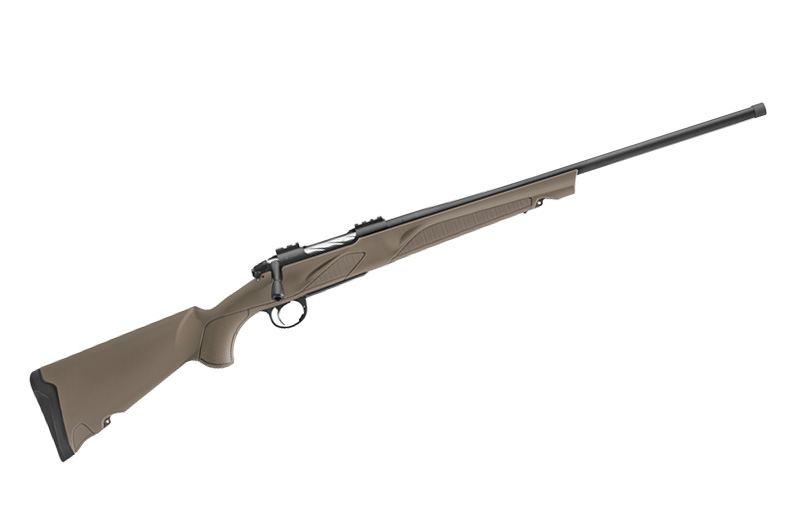
Most bolt-action rifles have a strong, simple design. The solid steel bolt holds cartridges firmly in place. A sturdy barrel delivers accuracy at long distances. Many models have adjustable sights or scope mounts. The stock is often made from wood or synthetic material. This ensures comfort and stability while aiming. Overall, the design focuses on precision and durability for hunting needs.
Exclusive Deals
Limited-time Exclusive Deals. Check current discount on Amazon.
Check Price on Amazon As an Amazon Associate I earn from qualifying purchases.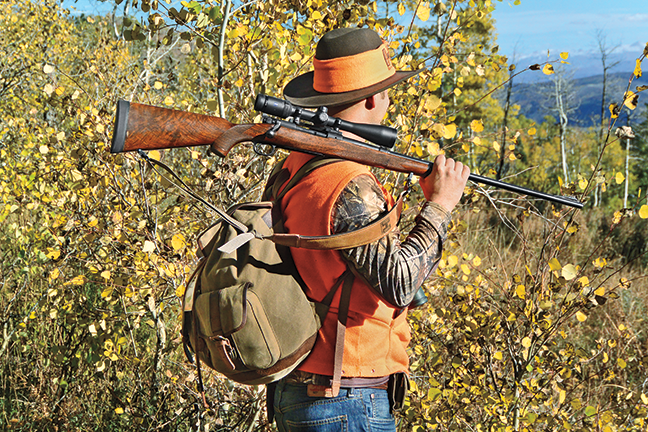
Advantages For Hunting
Bolt-action rifles have many benefits for hunting. They offer features that help hunters succeed in the field. These rifles combine strength, precision, and ease of use. Hunters trust them for various game and conditions.
Accuracy And Precision
Bolt-action rifles are known for their accuracy. The solid lock of the bolt keeps the barrel steady. This helps shooters hit their target more often. Precision is crucial when hunting because shots must be clean and ethical. The design of bolt-action rifles supports consistent shot placement.
Reliability In The Field
These rifles perform well in tough conditions. Dirt, mud, and weather do not stop them easily. Their simple mechanism means fewer parts can break or jam. Hunters can depend on bolt-action rifles during long trips. This reliability builds confidence and focus on the hunt.
Exclusive Deals
Limited-time Exclusive Deals. Check current discount on Amazon.
Check Price on Amazon As an Amazon Associate I earn from qualifying purchases.Ease Of Maintenance
Bolt-action rifles are easy to clean and maintain. Their design allows quick access to key parts. Regular cleaning keeps the rifle working smoothly. Simple maintenance extends the life of the rifle. This makes them a practical choice for hunters of all skill levels.
Potential Drawbacks
Bolt-action rifles have many benefits for hunting, but they also come with some drawbacks. These issues might affect your hunting experience. Understanding them helps you decide if this rifle suits your needs.
Slower Firing Rate
Bolt-action rifles require manual operation to cycle each shot. This process takes more time than semi-automatic rifles. In fast hunting situations, this slower firing rate can be a disadvantage. You get only one shot before you must work the bolt again. This limits follow-up shots and quick reactions.
Weight And Size Considerations
Many bolt-action rifles are heavier than other types. The added weight can tire you during long hunts. Some models are also longer, making them harder to carry through thick brush. A bulky rifle may slow you down in tight spaces. Carrying a heavy rifle all day can affect your comfort and stamina.
Learning Curve For Beginners
Bolt-action rifles need practice to use smoothly. Beginners might find working the bolt challenging at first. It takes time to reload and aim quickly. Learning to handle the rifle safely and efficiently requires patience. Without proper training, you might miss shots or slow your hunting pace.
Ideal Hunting Scenarios
Bolt-action rifles suit many hunting situations well. Their design offers accuracy and reliability. They work best in specific hunting scenarios where precision and power matter most.
These rifles are common among hunters who need control over each shot. They perform well in conditions where quick follow-up shots are less critical. Their steady action helps hunters take careful aim.
Big Game Hunting
Bolt-action rifles excel in big game hunting. They provide strong stopping power for animals like deer, elk, and moose. Hunters can rely on their accuracy to hit vital spots. The solid build handles heavy calibers needed for large animals. This makes bolt-action rifles a popular choice for serious hunters.
Long-range Shots
These rifles shine at long distances. Their design allows for steady aim and controlled breathing. Hunters can take time to line up shots far away. Bolt-action rifles often come with scopes suited for distant targets. This helps in open fields or mountain hunting where targets appear small.
Challenging Terrains
Bolt-action rifles perform well in tough environments. Their simple mechanism means fewer parts can fail. Hunters can trust them in forests, rocky hills, or cold weather. The rifles are easy to clean and maintain on the go. Their durability makes them reliable companions in harsh conditions.
Comparing To Other Rifles
Bolt-action rifles are a popular choice among hunters. Comparing them to other rifle types helps understand their strengths. This section covers semi-automatic, lever-action, and pump-action rifles. Each type has unique features that affect hunting performance.
Semi-automatic Rifles
Semi-automatic rifles fire one round per trigger pull. They reload automatically after each shot. This allows faster follow-up shots. They are useful for quick targets or multiple game. Yet, they tend to be heavier and louder. Some hunters find them less accurate than bolt-actions. Maintenance can be more complex due to moving parts.
Lever-action Rifles
Lever-action rifles use a lever to cycle rounds. They offer a classic hunting experience. These rifles are generally faster than bolt-actions. They have a lower profile, making them easy to carry in thick brush. Their range is usually shorter. Accuracy is good but may not match bolt-action rifles. Lever-actions work well for medium-sized game.
Pump-action Rifles
Pump-action rifles require manual cycling by sliding the fore-end. They provide reliable operation in various conditions. Pump-actions offer quicker shots than bolt-actions but slower than semi-automatics. They are often used for hunting in dense woods. These rifles balance speed and accuracy well. Some models are versatile for different hunting styles.
Expert Tips For Hunters
Expert advice can make a big difference in hunting success. Bolt-action rifles are popular for hunting, but using them well requires some knowledge. Here are some tips to help hunters choose, use, and care for their rifles effectively. These tips focus on making hunting safer and more accurate.
Choosing The Right Bolt-action Rifle
Select a rifle that fits your body size and strength. Comfort and balance affect your aim and control. Look for a rifle with a good trigger pull and easy bolt operation. The rifle’s weight matters for long hunts. Pick one that feels steady but not too heavy. Consider the type of game you want to hunt. Different calibers suit different animals and distances. A versatile rifle works well for many hunting types.
Ammunition Selection
Choose ammunition that matches your rifle’s caliber exactly. Use bullets designed for hunting to ensure clean, humane kills. Bullet weight affects range and impact, so pick according to your game size. Lighter bullets fly faster, heavier bullets deliver more power. Practice with your chosen ammo to know its behavior. Proper ammo improves accuracy and reduces the chance of injury to animals.
Maintenance And Care
Keep your rifle clean after every hunt. Dirt and moisture can cause rust and poor performance. Use quality cleaning kits and follow the manual instructions. Check the barrel, bolt, and trigger regularly for wear. Lubricate moving parts lightly to avoid jams. Store the rifle in a dry, safe place. Regular care ensures your rifle stays reliable and accurate for many hunts.
Frequently Asked Questions
Are Bolt-action Rifles Accurate For Hunting?
Bolt-action rifles are highly accurate due to their strong, stable design. They provide consistent shooting, making them ideal for precise hunting shots.
What Makes Bolt-action Rifles Reliable In The Field?
Bolt-action rifles have fewer moving parts, reducing mechanical failure. Their simple design ensures reliability in harsh hunting conditions.
Can Bolt-action Rifles Handle Various Hunting Calibers?
Yes, bolt-action rifles support a wide range of calibers. This versatility allows hunters to target different game effectively.
Are Bolt-action Rifles Easy To Maintain?
Bolt-action rifles are straightforward to clean and maintain. Their simple mechanism requires minimal upkeep, ensuring long-term durability.
Conclusion
Bolt-action rifles offer accuracy and reliability for hunting trips. They are simple to use and easy to maintain. Hunters trust them for their steady performance in the field. Quiet shots help avoid scaring away animals nearby. The design suits many hunting styles and environments.
Choosing the right rifle depends on personal needs and preferences. Overall, bolt-action rifles remain a popular choice among hunters worldwide. They deliver consistent results and enhance the hunting experience. Worth considering for anyone serious about hunting.