Have you ever wondered how far a battle rifle can accurately hit a target? Knowing the effective range of your rifle isn’t just interesting—it can make a real difference if you find yourself in a critical situation.
Exclusive Deals
Limited-time Exclusive Deals. Check current discount on Amazon.
Check Price on Amazon As an Amazon Associate I earn from qualifying purchases.Understanding this range helps you make smarter decisions about your shooting, improving your confidence and precision. You’ll discover what determines a battle rifle’s effective range and why it matters for your skills and safety. Keep reading to unlock the facts that every shooter needs to know.

Battle Rifle Basics
Battle rifles are firearms designed for long-range and powerful performance. They serve as a bridge between assault rifles and sniper rifles. These rifles fire larger cartridges than assault rifles, offering greater stopping power and range. Knowing the basics helps understand their effective use and capabilities.
Key Characteristics
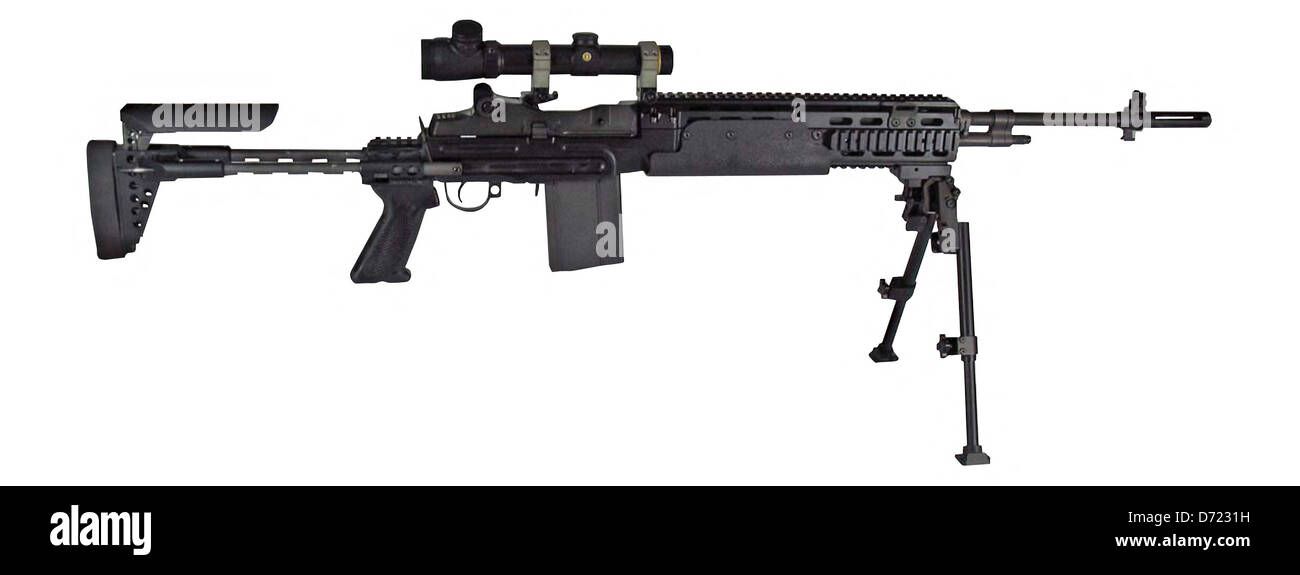
Battle rifles usually fire full-power cartridges like the 7.62x51mm NATO. They have longer barrels for increased accuracy. Their effective range often exceeds 500 meters. Many models feature adjustable sights or optics. They are heavier and more robust than typical assault rifles. This design supports steady shooting and durability under harsh conditions.
Popular Models
The M14 is a classic American battle rifle known for its reliability. The FN FAL earned the nickname “The Right Arm of the Free World.” The HK G3 is favored for its simple design and strong build. These rifles have served in many armies worldwide. Each model offers unique features but shares core battle rifle traits.
Exclusive Deals
Limited-time Exclusive Deals. Check current discount on Amazon.
Check Price on Amazon As an Amazon Associate I earn from qualifying purchases.
Factors Influencing Effective Range
The effective range of a battle rifle depends on many factors. These factors affect how far and how accurately the rifle can shoot. Understanding them helps to know what to expect from a battle rifle in different situations.
Each factor plays a unique role. Some change the bullet’s speed and path. Others improve aiming or depend on the shooter’s skill. Let’s explore these key elements.
Barrel Length
Barrel length impacts bullet speed and accuracy. A longer barrel allows the bullet to gain more velocity. This helps the bullet fly farther and straighter. Short barrels reduce the effective range but make the rifle easier to handle. Choosing the right barrel length depends on the mission and shooting style.
Ammunition Type
The type of ammunition used affects range and impact. High-quality bullets fly farther and maintain energy better. Some rounds are designed for long-distance shooting. Others focus on stopping power at shorter distances. The right ammo matches the rifle and the target’s range.
Optics And Sighting
Good optics improve aiming at distant targets. Scopes and sights help the shooter see clearly. Better sighting tools increase the effective range. Simple iron sights limit distance and precision. The choice of optics can make a big difference in hitting targets far away.
Exclusive Deals
Limited-time Exclusive Deals. Check current discount on Amazon.
Check Price on Amazon As an Amazon Associate I earn from qualifying purchases.Shooter Skill
The shooter’s ability matters a lot. Accurate shooting requires practice and experience. Skilled shooters adjust for wind, distance, and recoil. They can use the rifle’s full potential. Less experienced shooters may not reach the maximum effective range. Training improves precision and confidence.
Comparing Battle Rifles And Other Firearms
Battle rifles occupy a unique place among firearms. They bridge the gap between assault rifles and sniper rifles. Understanding their effective range requires comparing them with these other types. Each firearm serves different roles on the battlefield. Their range and power reflect those roles. This section explains how battle rifles stack up against assault and sniper rifles.
Battle Rifles Vs Assault Rifles
Assault rifles fire smaller cartridges than battle rifles. They excel at close to medium distances. Their effective range usually spans 300 to 500 meters. Battle rifles use larger rounds, often 7.62x51mm NATO. This gives them longer reach and more stopping power. Battle rifles can accurately engage targets up to 600 meters or more. Assault rifles offer higher rates of fire and lighter weight. This makes them better for fast, close combat. Battle rifles are heavier but better for long-range shots.
Battle Rifles Vs Sniper Rifles
Sniper rifles specialize in extreme precision at long distances. Their effective range often exceeds 800 meters. Battle rifles cannot match this level of accuracy or range. They are designed for general combat use, not precision shooting. Sniper rifles use specialized ammunition and optics. Battle rifles focus on reliability and power for varied combat roles. Sniper rifles require more training to use effectively. Battle rifles offer a balance between power, range, and versatility.
Expert Opinions On Effective Range
Experts from different fields share unique views on the effective range of battle rifles. Their opinions help us understand how far these rifles can shoot accurately. Each group uses battle rifles in different ways, which shapes their perspective.
Military Perspectives
Military experts often see battle rifles as tools for medium to long-range combat. Most agree that 300 to 600 meters is an effective range. Soldiers train to hit targets at these distances with precision. Battle rifles balance power and accuracy for battlefield needs.
Some military units prefer battle rifles over assault rifles for better stopping power. The effective range depends on the ammunition and rifle model. Military experts also consider environmental factors like wind and terrain.
Law Enforcement Insights
Law enforcement officers use battle rifles differently than the military. Their effective range is usually shorter, often under 300 meters. Officers focus on accuracy in urban or close-quarter situations. Precision and control are key for law enforcement marksmen.
Many police forces choose battle rifles for their reliability and stopping power. They train to engage targets quickly and safely at moderate distances. Officers also value ease of use and rapid follow-up shots.
Civilian Shooter Views
Civilian shooters often value battle rifles for sport and hunting. Their effective range varies widely, from 100 to 500 meters. Skill level and equipment quality influence shooting distance. Many enjoy practicing at shooting ranges to improve accuracy.
Civilians appreciate the challenge of shooting battle rifles at longer ranges. They also focus on safety and proper handling. The effective range depends on personal goals, whether target shooting or hunting.
Maximizing Accuracy At Long Distances
Maximizing accuracy at long distances is key to using a battle rifle effectively. Every small detail can affect your shot. From how you hold the rifle to the environment around you, each factor matters. Understanding these elements helps you hit targets farther away with confidence.
Proper Stance And Grip
A steady stance gives you a solid base for shooting. Stand with your feet shoulder-width apart. Keep your body relaxed but firm. Hold the rifle close to your shoulder to control recoil. Grip the rifle firmly but not too tight. This balance helps keep the rifle steady. Your breathing should be calm and slow before taking a shot.
Environmental Considerations
Wind can push your bullet off course. Learn to read wind speed and direction. Adjust your aim to compensate for wind drift. Temperature and humidity also affect bullet flight. Cooler air slows the bullet down. Higher altitude means less air resistance. Check your surroundings and adjust your shot accordingly.
Maintenance And Upgrades
Keep your rifle clean for best performance. Dirt and debris reduce accuracy and reliability. Regularly inspect the barrel and moving parts. Use quality oil to prevent rust and wear. Upgrading sights or scopes can improve long-range aiming. Good optics make it easier to see distant targets. Small upgrades can lead to better precision.
Real-world Scenarios
Understanding the effective range of a battle rifle is more than just numbers. Real-world scenarios show how these rifles perform under pressure. These situations help explain the practical limits and strengths of battle rifles. Below, we explore combat engagements, training exercises, and competitive shooting to see how effective range matters.
Combat Engagements
In combat, soldiers face targets at varying distances. The effective range of a battle rifle helps decide when to shoot or move. Most battle rifles work well from 300 to 600 meters. Beyond that, accuracy drops and hitting targets becomes harder. Soldiers rely on the rifle’s range to stay safe and hit enemies quickly.
Training Exercises
Training prepares soldiers for real combat situations. Exercises simulate different distances and conditions. Trainers test how well shooters hit targets at the rifle’s effective range. This practice builds confidence and skill. It shows the rifle’s limits and helps improve aim. Training also teaches when to change tactics based on distance.
Competitive Shooting
In competitions, shooters test their skill with battle rifles. They face targets set at various ranges. Competitors must know their rifle’s effective range well. Shooting beyond this range lowers scores. Competitions help shooters learn how to control recoil and adjust sights. This experience sharpens accuracy and timing under pressure.
Frequently Asked Questions
What Is The Typical Effective Range Of A Battle Rifle?
The effective range of a battle rifle usually falls between 400 to 800 meters. It depends on the rifle model, ammunition, and shooter skill. Most battle rifles are designed for mid to long-range combat, providing accuracy and stopping power within this range.
How Does Barrel Length Affect Battle Rifle Range?
Longer barrels generally improve the effective range of a battle rifle. They allow the bullet to accelerate more, increasing muzzle velocity and accuracy. However, longer barrels can make rifles heavier and less maneuverable in close combat situations.
What Factors Influence A Battle Rifle’s Accuracy?
Accuracy depends on barrel quality, ammunition type, shooter skill, and environmental conditions. Proper maintenance and optics also impact precision. These factors combined determine how well a battle rifle performs at its effective range.
Can Battle Rifles Be Used Beyond Their Effective Range?
Yes, battle rifles can shoot beyond their effective range, but accuracy and lethality decrease significantly. Shots taken past the effective range are less reliable and less likely to neutralize targets effectively.
Conclusion
Battle rifles have a clear effective range that suits many combat needs. They perform well at medium distances, offering accuracy and power. Understanding this range helps users choose the right rifle for their situation. Many factors affect performance, like bullet type and shooter skill.
Knowing these basics keeps you prepared and informed. Battle rifles remain reliable tools for soldiers and enthusiasts alike. The right knowledge makes all the difference in the field.