
Are you wondering if break-action rifles are truly safe to use? You’re not alone.

Exclusive Deals
Limited-time Exclusive Deals. Check current discount on Amazon.
Check Price on Amazon As an Amazon Associate I earn from qualifying purchases.Whether you’re a beginner or have some experience with firearms, safety is always your top priority. Break-action rifles have a simple design that many find easy to handle, but you might still have questions about how safe they really are.
You’ll discover the key facts about these rifles, what makes them secure, and what precautions you should take. Keep reading to get the full picture and feel confident the next time you pick up a break-action rifle.
Break-action Rifle Basics
Break-action rifles are simple and reliable firearms. They have been used for many years by hunters and shooters. Understanding their basics helps in knowing how safe they are to use.
These rifles have a unique design that makes loading and unloading easy. Their straightforward mechanism reduces the chance of errors during use.
Exclusive Deals
Limited-time Exclusive Deals. Check current discount on Amazon.
Check Price on Amazon As an Amazon Associate I earn from qualifying purchases.How They Work
Break-action rifles open at a hinge point between the barrel and the stock. This “break” allows the barrel to tilt down or up. It exposes the chamber for loading or unloading a cartridge.
After placing a round inside, you close the barrel back to its original position. This locks the rifle securely and prepares it for firing. The design makes it easy to see if the rifle is loaded.
Common Designs
Most break-action rifles come in single-shot or double-barrel versions. Single-shot models have one barrel and one chamber. Double-barrel rifles have two barrels side-by-side or one above the other.
These designs keep the rifle balanced and easy to handle. Many hunters prefer them for their simplicity and quick reload. Some models also include safety features like automatic ejectors to remove spent cartridges.
Safety Features Of Break-action Rifles
Break-action rifles have several built-in safety features. These features help prevent accidental firing and ensure safe use. Understanding these safety elements can increase confidence in handling these rifles.
Exclusive Deals
Limited-time Exclusive Deals. Check current discount on Amazon.
Check Price on Amazon As an Amazon Associate I earn from qualifying purchases.Manual Safeties
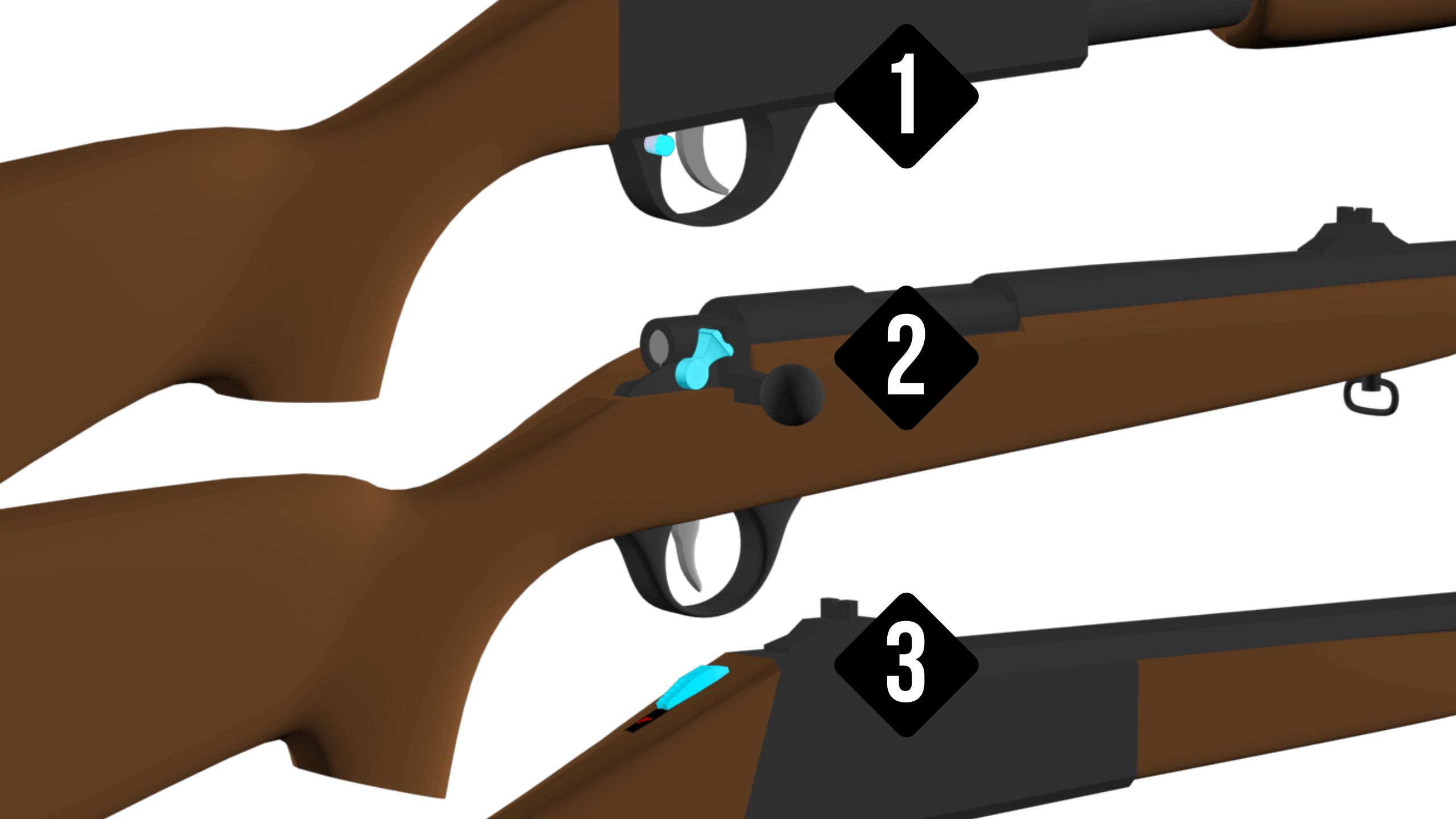
Manual safeties are simple switches or levers on the rifle. They block the trigger or firing mechanism. Users must move the safety off before firing. This prevents the rifle from firing by mistake. Manual safeties give the shooter control over when the gun can fire.
Automatic Safeties
Automatic safeties engage without user action. They activate when the rifle is opened or closed. This stops the rifle from firing during loading or unloading. Automatic safeties reduce the chance of accidents. They add an extra layer of protection for the shooter.
Barrel Locking Mechanisms
The barrel locking mechanism secures the barrel in place. It keeps the barrel firmly closed during firing. This prevents the barrel from opening accidentally. A strong lock enhances safety and improves accuracy. It ensures the rifle only fires when fully locked.
Potential Risks And Hazards
Break-action rifles have a solid reputation for safety. Still, like all firearms, they carry some risks. Understanding these risks helps users handle them better. Knowing potential hazards can prevent accidents and injuries.
Misfires And Malfunctions
Misfires happen when the gun does not fire after pulling the trigger. This can be due to bad ammunition or a weak firing pin strike. Malfunctions might cause the gun to jam or not close properly. Such issues can surprise the shooter and cause unsafe situations. Always check the rifle before use to avoid misfires.
User Error
User mistakes cause many firearm accidents. Not keeping the gun pointed in a safe direction is common. Failing to follow safety steps increases risk. Loading wrong ammunition or forgetting to check the barrel can lead to serious problems. Care and attention reduce errors and keep users safe.
Maintenance Issues
Poor maintenance affects a rifle’s function and safety. Dirt, rust, or worn parts can cause failures. Break-action rifles need regular cleaning and inspection. Neglecting these tasks weakens the gun’s reliability. Proper care ensures the rifle works smoothly and safely over time.
Expert Safety Tips
Expert safety tips help you use break-action rifles with confidence. These rifles are simple but need careful handling to stay safe. Follow key advice to avoid accidents and keep your shooting experience enjoyable.
Proper Handling Techniques
Always treat the rifle as if it is loaded. Keep your finger off the trigger until ready to shoot. Point the muzzle in a safe direction at all times. Open the action to check if the chamber is empty. Carry the rifle with the action open when not shooting.
Regular Inspection
Check the rifle before each use. Look for cracks, rust, or loose parts. Make sure the barrel is clean and free of obstructions. Test the action to ensure it opens and closes smoothly. Have a gunsmith inspect the rifle yearly for safety.
Safe Storage Practices
Store the rifle unloaded and locked in a safe place. Keep ammunition separate from the firearm. Use a gun safe or lockbox to prevent unauthorized access. Store in a cool, dry place to avoid rust and damage. Teach family members about gun safety and rules.
Comparing Break-action Rifles To Other Types
Comparing break-action rifles to other types helps understand their safety and use. Each rifle style has a unique design and operation method. These differences affect how safe and easy each rifle is to handle. Break-action rifles stand out for their simplicity and clear loading process.
Bolt-action Rifles
Bolt-action rifles use a manual bolt to load and eject cartridges. They are known for accuracy and strong locking mechanisms. This type requires the shooter to cycle the bolt after each shot. The manual action gives control but needs more practice. Safety is good because the shooter sees the chamber clearly when cycling the bolt.
Semi-automatic Rifles
Semi-automatic rifles load the next round automatically after each shot. They allow faster shooting but have more moving parts. More parts can mean more chances for mechanical problems. These rifles often have safety switches to prevent accidental firing. Users must stay alert due to the faster firing rate.
Lever-action Rifles
Lever-action rifles use a lever under the trigger to load rounds. They offer quick follow-up shots and are easy to use. The lever action also makes it simple to see if the rifle is loaded. Lever-action rifles have good safety features and are popular for hunting. Their design balances speed and safety well.

Common Myths About Break-action Safety
Break-action rifles often face many safety myths. These stories can confuse new shooters and even experienced ones. Understanding the truth behind these myths helps users feel more confident and safe. This section clears up common doubts about break-action rifle safety.
Are They Outdated?
Many believe break-action rifles are old-fashioned. Their design dates back decades, but this does not mean they are unsafe. In fact, their simplicity makes them reliable. Fewer parts mean less chance of mechanical failure. Their classic design still meets modern safety standards.
Do They Jam More Often?
Some think break-action rifles jam often. This is not true. The open action allows easy loading and unloading. It also means you can see any blockage immediately. Compared to semi-automatic rifles, break-action guns have fewer moving parts to jam.
Safety Compared To Other Firearms
Break-action rifles rank high in safety. They stay open when not in use, showing they are unloaded. This feature reduces accidental firing. Other firearms can hide a loaded chamber, making accidents more likely. Break-action rifles offer clear visual confirmation of safety.
Frequently Asked Questions
Are Break-action Rifles Safer Than Other Firearms?
Break-action rifles are generally safer due to their simple design. They allow easy visual inspection of the chamber. This reduces accidental discharges and makes them ideal for beginners and hunters.
How Do Break-action Rifles Prevent Accidental Firing?
The design requires manual opening to load and unload cartridges. This manual action ensures the rifle cannot fire unless fully closed and locked. It minimizes the risk of accidental firing significantly.
Can Break-action Rifles Handle High-pressure Cartridges Safely?
Yes, break-action rifles can safely handle high-pressure cartridges if designed for them. Always use ammunition specified by the manufacturer to prevent damage or accidents.
What Maintenance Keeps Break-action Rifles Safe?
Regular cleaning, lubrication, and inspection of the locking mechanism keep break-action rifles safe. Checking for wear or damage prevents malfunctions and ensures reliable operation.
Conclusion
Break-action rifles can be safe when used correctly. Always follow basic safety rules and check the gun before use. Keep the rifle clean and well maintained. Use the right ammunition for your rifle. Practice proper handling and never point it at anything you don’t want to shoot.
Safety depends on the user’s care and attention. With respect and caution, break-action rifles offer reliable performance. Stay informed and always prioritize safety. Your care makes all the difference.


