
Have you ever wondered what makes a lever-action rifle so unique? If you’re curious about firearms or just want to understand this classic weapon better, you’re in the right place.

Exclusive Deals
Limited-time Exclusive Deals. Check current discount on Amazon.
Check Price on Amazon As an Amazon Associate I earn from qualifying purchases.Lever-action rifles have a rich history and a design that stands out from other guns. Knowing how they work and why they remain popular can give you a new appreciation for their role in shooting sports, hunting, and even history.
Keep reading, and you’ll discover everything you need to know about lever-action rifles — from how they operate to what makes them special for you.
Lever-action Rifle Basics
The lever-action rifle is a classic firearm known for its unique design and ease of use. It has been popular for more than a century. This rifle uses a lever located near the trigger to load and fire bullets. The lever-action rifle is simple, reliable, and fast to operate. It holds a special place in shooting history and outdoor activities.
Key Components
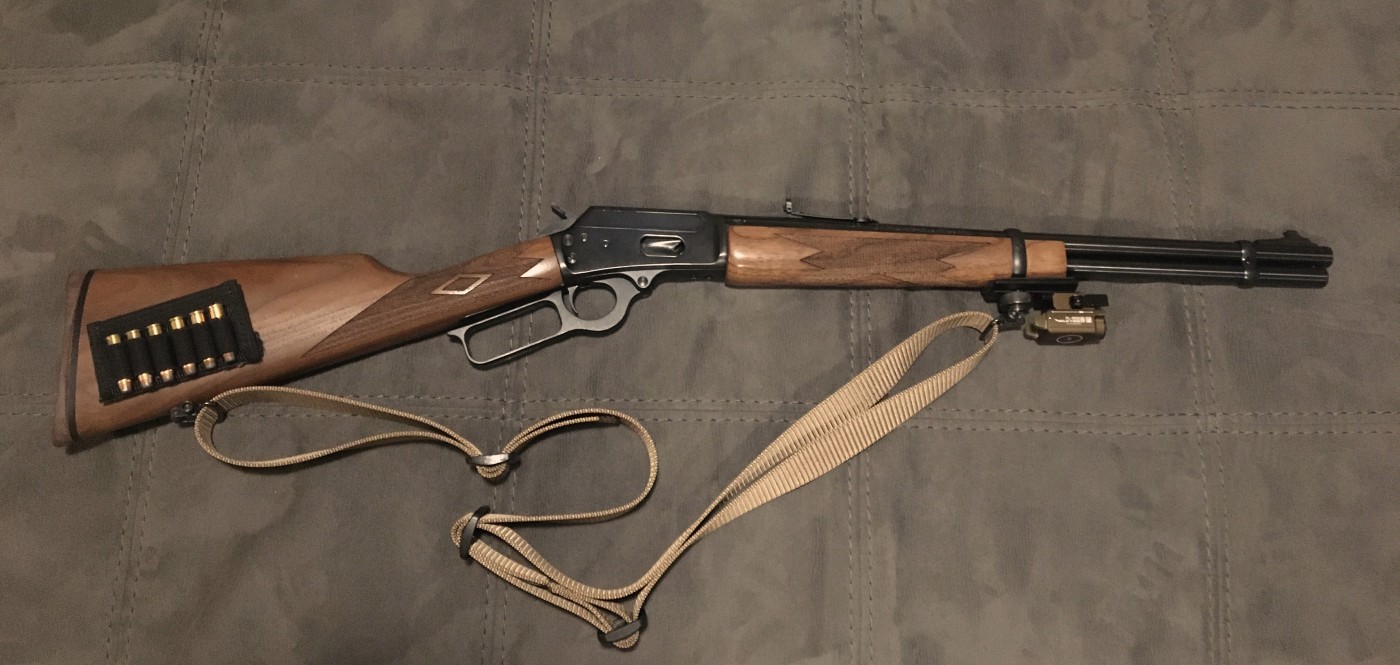
The main parts of a lever-action rifle include the lever, the receiver, the barrel, and the magazine tube. The lever is the handle you move to cycle the rifle. The receiver houses the action and firing mechanism. The barrel is the long metal tube where the bullet travels. The magazine tube stores the bullets ready to be fired. These parts work together smoothly to make the rifle function well.
Exclusive Deals
Limited-time Exclusive Deals. Check current discount on Amazon.
Check Price on Amazon As an Amazon Associate I earn from qualifying purchases.How It Works
To operate the rifle, you pull the lever down and forward. This action opens the breech and ejects the spent cartridge. At the same time, it pushes a new bullet from the magazine into the chamber. Then, you pull the lever back up to close the breech. The rifle is ready to fire with the new bullet loaded. This process is quick and can be done repeatedly without much effort.
History And Evolution
The history and evolution of the lever-action rifle is a story of innovation and adaptation. This type of rifle has changed over time to meet the needs of hunters, soldiers, and sport shooters. Its design has roots in the 19th century and remains popular today.
Early Designs
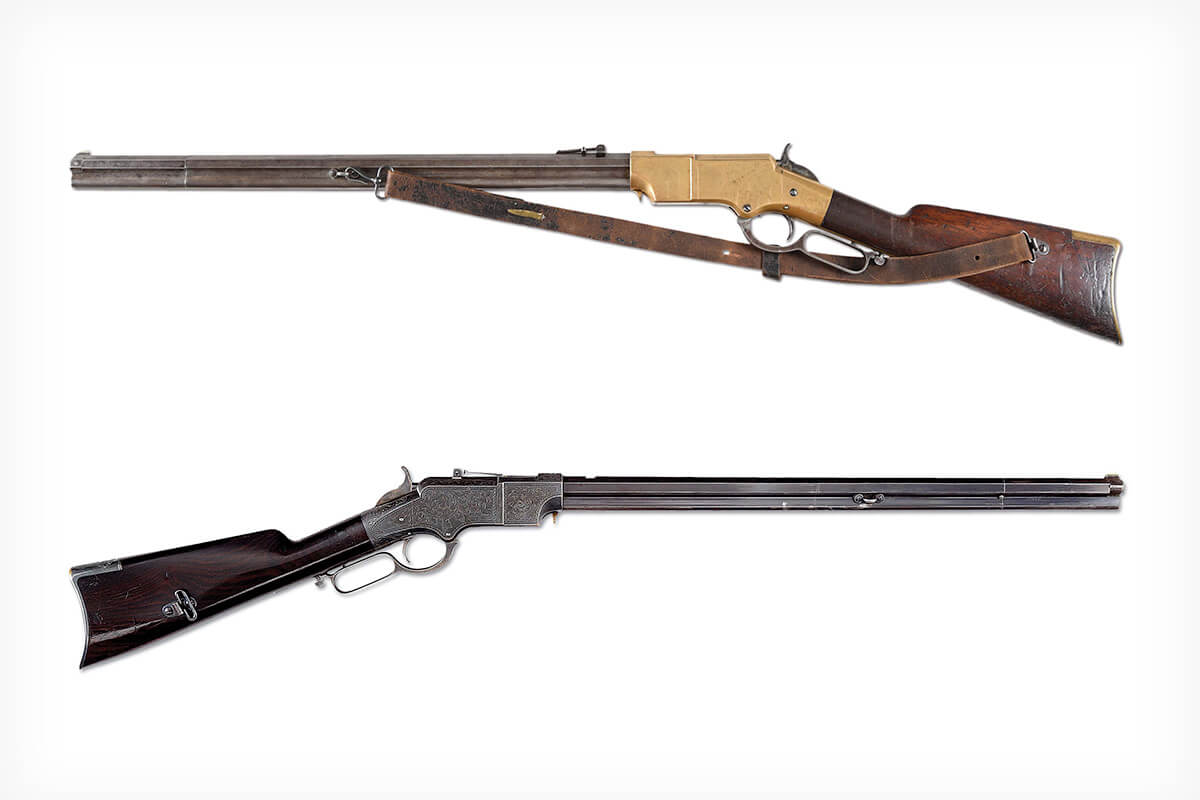
The first lever-action rifles appeared in the mid-1800s. Early models used a lever under the trigger guard to load new cartridges. One famous design was the Henry rifle, made in 1860. It was fast to fire compared to muskets of that time. The Winchester Model 1873 improved on this design. It became known as “The Gun that Won the West.” The lever-action allowed shooters to fire multiple rounds quickly without reloading each shot.
Modern Innovations
Modern lever-action rifles include new materials and better accuracy. Manufacturers use stronger steels and lightweight alloys. Some models now have detachable magazines for faster reloading. Innovations also include better sights and scopes. These changes make lever-action rifles useful for hunting and sport shooting today. Though the core design stays the same, improvements help shooters perform better.
Power And Performance
Lever-action rifles offer a unique balance of power and smooth operation. They deliver strong shots while allowing quick follow-up shots. This combination makes them popular for hunting and sport shooting.
Exclusive Deals
Limited-time Exclusive Deals. Check current discount on Amazon.
Check Price on Amazon As an Amazon Associate I earn from qualifying purchases.Understanding their power and performance helps you choose the right rifle for your needs. The caliber and accuracy play important roles in what the rifle can do.
Caliber Options
Lever-action rifles come in many calibers. Common choices include .30-30 Winchester, .45-70 Government, and .357 Magnum. Each caliber suits different purposes. Smaller calibers work well for small game and target shooting. Larger calibers provide more stopping power for bigger animals. This variety lets shooters pick the right option for their task.
Range And Accuracy
Lever-action rifles perform best at medium ranges. They are accurate up to 200 yards or more, depending on the caliber. The rifle’s design allows for steady aiming and quick shots. While not as precise as bolt-action rifles at long distances, they offer reliable accuracy for most hunting situations. Their smooth action helps maintain focus on the target.
Advantages Over Other Rifles
The lever-action rifle offers several advantages over other types of rifles. Its unique design improves the shooting experience in many ways. These benefits make it popular among hunters, sport shooters, and collectors alike.
Speed And Reloading
Lever-action rifles allow fast cycling between shots. The lever mechanism quickly chambers the next round. This speed can be crucial in hunting or self-defense situations. Reloading is straightforward with tubular magazines. Shooters can add rounds one by one without removing the magazine. This ease saves time and keeps the shooter ready.
Handling And Ergonomics
Lever-action rifles are compact and balanced. Their design offers better control and comfort. The lever sits naturally under the trigger guard for easy operation. This makes the rifle suitable for quick aiming and shooting. The lighter weight also reduces fatigue during long use. Overall, the handling feels smooth and natural for most users.
Popular Models And Makers
Lever-action rifles have a rich history and many models have gained popularity over the years. Some models are known for their classic design and reliability. Others offer modern features for today’s shooters. Both types come from trusted makers who value quality and tradition.
Classic Favorites
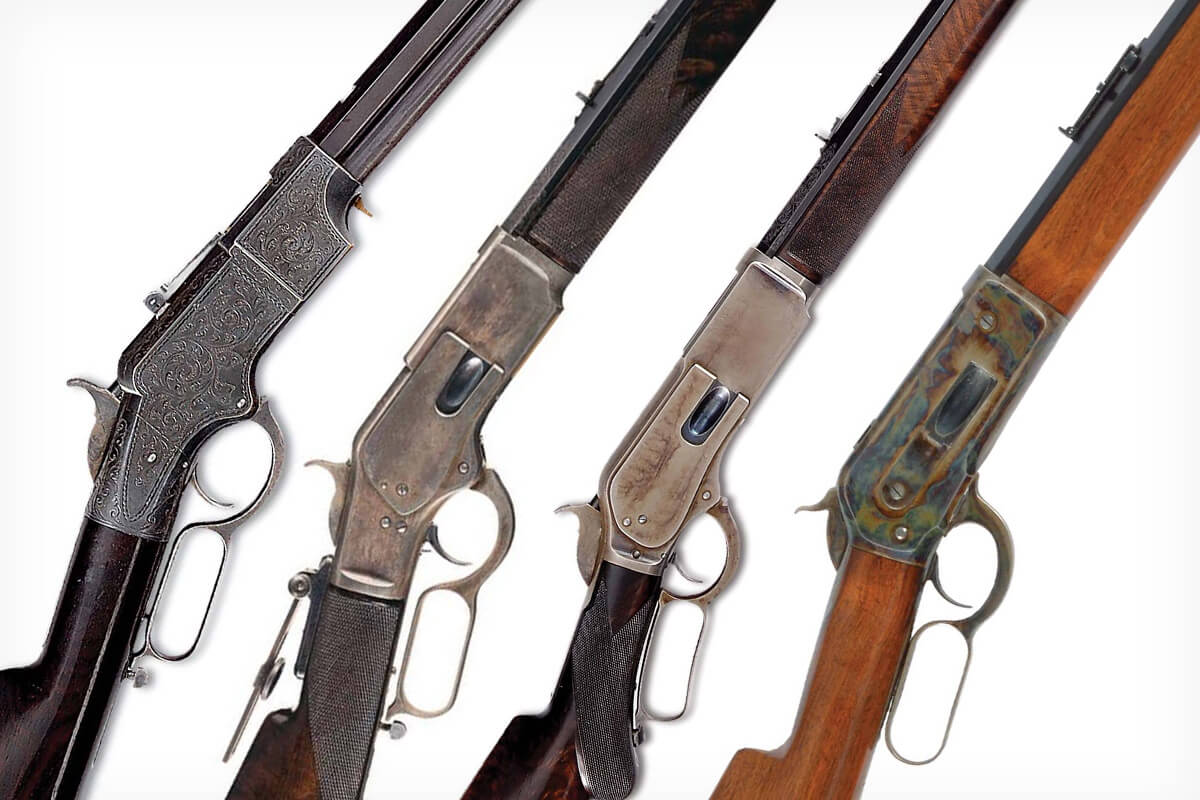
Winchester is a name often linked to lever-action rifles. The Winchester Model 1873 is called “The Gun that Won the West.” It features a strong, smooth lever mechanism and a wooden stock. Another classic is the Marlin Model 336. It offers a solid build and good accuracy. These rifles have a timeless look and feel.
Contemporary Choices
Modern lever-action rifles include updated designs and materials. Henry Repeating Arms makes popular rifles with brass receivers and polished finishes. Their rifles are easy to use and reliable. Rossi also produces affordable models that appeal to many shooters. Newer rifles often come with better sights and improved safety features. They suit both beginners and experienced users.
Common Uses Today
Lever-action rifles remain popular today for many practical and recreational uses. Their unique design and reliable performance keep them relevant in modern shooting activities. People appreciate these rifles for their ease of use and historical charm.
Hunting
Many hunters choose lever-action rifles for medium-sized game. These rifles offer quick follow-up shots and good accuracy. Their lightweight design helps hunters carry them easily in the field. Lever-action rifles work well in wooded areas and open spaces alike.
Sport Shooting
Sport shooters enjoy lever-action rifles for target practice and competitions. The fast lever mechanism allows smooth shooting and quick reloads. These rifles add fun and challenge to shooting sports. They are also easier to handle for beginners and youth shooters.
Collecting
Collectors value lever-action rifles for their rich history and craftsmanship. Many models are considered classic and rare. Owning a lever-action rifle connects collectors to the past. These rifles often increase in value over time.
Maintenance And Care
Proper maintenance keeps a lever-action rifle working well and safe. Regular care stops rust and wear. It also improves the rifle’s lifespan and performance.
Cleaning the rifle after use removes dirt, powder residue, and moisture. This prevents damage and keeps parts moving smoothly. Knowing how to spot issues early helps avoid bigger problems later.
Cleaning Tips
Start by unloading the rifle completely. Use a soft brush to remove dirt from the barrel and action. Apply a cleaning solvent designed for firearms. Run a cleaning patch through the barrel until it comes out clean.
Use a cloth to wipe down the metal parts. Apply a light coat of gun oil to prevent rust. Avoid over-oiling, which can attract dust. Clean the lever and moving parts carefully to keep them working well.
Troubleshooting
If the rifle jams or misfires, check the action for dirt or worn parts. Clean the chamber and magazine tube thoroughly. Check the extractor and ejector for damage.
Loose screws or parts can cause problems. Tighten any loose components carefully. If the rifle still has issues, consult a gunsmith for repair. Regular checks help catch small problems early.
Frequently Asked Questions
What Is A Lever-action Rifle Used For?
Lever-action rifles are popular for hunting, sport shooting, and self-defense. Their quick cycling and accuracy make them versatile firearms. They are especially favored for medium-range shooting and historical reenactments.
How Does A Lever-action Rifle Work?
A lever-action rifle uses a lever under the trigger guard to cycle rounds. Moving the lever ejects the spent cartridge and loads a new one. This mechanism allows for faster shooting compared to bolt-action rifles.
Who Invented The Lever-action Rifle?
The lever-action rifle was invented by Benjamin Tyler Henry in 1860. His design revolutionized firearm technology with faster loading and firing speeds. It laid the foundation for many modern lever-action rifles.
What Calibers Are Common In Lever-action Rifles?
Lever-action rifles commonly use calibers like. 30-30 Winchester,. 45-70 Government, and. 357 Magnum. These calibers balance power and recoil for hunting and sport shooting. Availability varies by manufacturer and model.
Conclusion
A lever-action rifle offers a unique blend of history and function. Its easy-to-use lever makes loading quick and smooth. Many hunters and shooters enjoy its classic design. This rifle suits both beginners and experienced users. Understanding how it works helps you appreciate its value.
Whether for sport or collecting, it holds a special place. Simple mechanics and reliable performance make it popular today. Now, you know what a lever-action rifle is all about.


