When it comes to choosing the right rifle, you might find yourself stuck between a break-action rifle and a bolt-action rifle. Both have their own unique features, but which one truly fits your needs?
Whether you’re a hunter, a sport shooter, or simply curious, understanding the differences can make all the difference in your shooting experience. You’ll discover how each type works, their advantages, and which one could be the perfect match for you.
Keep reading, and by the end, you’ll feel confident about making the best choice for your next shot.
Exclusive Deals
Limited-time Exclusive Deals. Check current discount on Amazon.
Check Price on Amazon As an Amazon Associate I earn from qualifying purchases.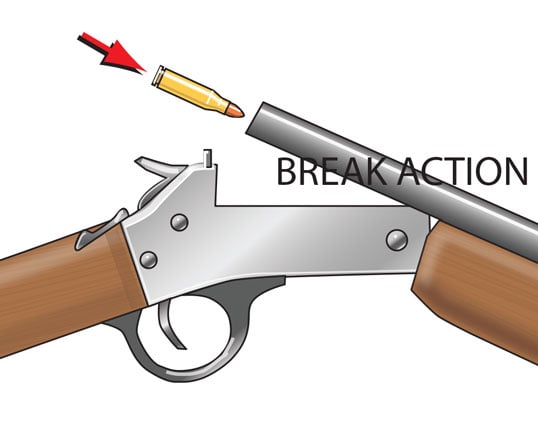
Break-action Rifle Basics
The break-action rifle stands out for its simple design and ease of use. It has a unique mechanism that makes loading and unloading quick and straightforward. This type of rifle has a long history and remains popular among many hunters and shooters.
Design And Mechanism
The break-action rifle has a hinge between the barrel and the stock. The barrel “breaks” open, exposing the chamber. This design allows easy access to load or remove cartridges. There are no complicated parts, making it reliable and easy to clean. The shooter manually opens and closes the barrel after each shot.
Common Uses
Break-action rifles are popular for hunting small to medium game. They suit shooters who prefer simplicity and quick reloads. Many use them for target shooting and practice. Their compact size makes them easy to carry in the field. These rifles are also common in beginner shooting lessons due to their straightforward use.
Advantages
The break-action rifle is simple and reliable. It offers fast and easy loading and unloading. The design reduces the chance of jams or misfires. It is lightweight and easy to carry. Cleaning and maintenance are quick and simple. Many users find the open action safer to inspect visually.
Exclusive Deals
Limited-time Exclusive Deals. Check current discount on Amazon.
Check Price on Amazon As an Amazon Associate I earn from qualifying purchases.Bolt-action Rifle Basics
The bolt-action rifle is a classic firearm design. It has been trusted by hunters and marksmen for over a century. This rifle type is known for its accuracy and reliability. Understanding its basics helps you see why it remains popular.
Design And Mechanism
The bolt-action rifle uses a manual bolt to load and unload cartridges. You lift the bolt handle, pull it back, then push it forward and down. This action ejects the spent cartridge and loads a new one from the magazine. The bolt locks firmly, sealing the chamber for firing. The design is simple but strong, which improves accuracy.
Common Uses
Hunters often choose bolt-action rifles for big game hunting. The rifle’s precision helps in taking clean shots from long distances. Military snipers have used bolt-action rifles for the same reason. Target shooters also prefer them for their steady and consistent performance.
Exclusive Deals
Limited-time Exclusive Deals. Check current discount on Amazon.
Check Price on Amazon As an Amazon Associate I earn from qualifying purchases.Advantages
Bolt-action rifles are very reliable. The simple mechanism means fewer parts that can break. They offer excellent accuracy because the barrel and action fit tightly. These rifles are easier to clean and maintain than many others. They also tend to be lighter, making them easier to carry during long hunts.
Accuracy And Performance
Accuracy and performance are key factors in choosing between break-action and bolt-action rifles. Both types offer unique strengths that affect shooting results. Understanding these differences helps shooters pick the right rifle for their needs.
Precision Factors
Bolt-action rifles often provide higher precision. Their solid locking mechanism keeps the barrel stable during shots. Break-action rifles have a hinge that may allow slight movement, reducing precision. Barrel length and quality also impact accuracy in both types.
Range Capabilities
Bolt-action rifles excel at longer ranges due to better barrel alignment and consistent chambering. Break-action rifles usually suit shorter ranges and quick shots. The design of bolt-action models supports more powerful cartridges, extending effective range.
Consistency
Consistency matters for reliable shooting. Bolt-action rifles cycle rounds uniformly, aiding steady performance. Break-action rifles may vary slightly with each reload, affecting shot repeatability. Maintenance and build quality also influence consistency in both rifle types.

Reloading Speed And Ease
Reloading speed and ease affect how fast you can shoot again. It changes the flow of shooting and your overall experience. Both break-action and bolt-action rifles have unique ways to reload. Understanding these can help you choose the right rifle for your needs.
Break-action Reloading
Break-action rifles open at the barrel hinge, exposing the chamber. You remove spent cartridges quickly by hand. Then, you load fresh rounds directly into the chamber. This method is simple and fast for single shots. No complex steps or mechanisms slow you down.
Bolt-action Reloading
Bolt-action rifles require lifting and pulling back the bolt. This ejects the spent cartridge from the chamber. You then push the bolt forward to load a new round from the magazine. The process takes a bit longer than break-action. It needs more hand movement and attention.
Impact On Shooting Experience
Break-action rifles suit shooters who want quick, easy reloads. They help maintain focus and rhythm. Bolt-action rifles offer steady, controlled reloads but slower pace. They work well for precision shooting where speed is less critical. Both types have reload styles that shape how you shoot.
Durability And Maintenance
Durability and maintenance are key factors for any rifle owner. They affect how long the rifle lasts and how well it performs. Choosing between a break-action and a bolt-action rifle means understanding their strengths and care needs. Each type has unique features that influence their durability and upkeep.
Break-action Durability
Break-action rifles have fewer moving parts. This simple design often means fewer things can break. The hinge and locking mechanism are the main stress points. Quality models use strong metals for these parts. Regular use may wear the hinge over time. Still, break-action rifles tend to hold up well with normal use.
Bolt-action Durability
Bolt-action rifles have more parts that move with each shot. This makes them slightly more complex. The bolt and receiver are built to handle strong forces. Good materials increase their lifespan. Bolt-actions can last many years, even with heavy use. They need solid construction to stay reliable.
Cleaning And Upkeep
Both rifle types need regular cleaning to work well. Dirt and residue build up after shooting. Break-action rifles are easy to open wide for cleaning. This access makes it simple to clean all parts. Bolt-action rifles require more steps to disassemble. Still, cleaning the bolt and chamber is crucial.
Lubricating moving parts prevents rust and wear. Check screws and fittings often to keep them tight. Proper care extends the rifle’s life and performance. Regular inspection helps catch small problems early. Good maintenance ensures safe and smooth operation every time.
Cost And Availability
Cost and availability play a big role in choosing between a break-action rifle and a bolt-action rifle. Both types have different price ranges and how easy they are to find in the market. Understanding these factors helps buyers make smart decisions.
Price Comparison
Break-action rifles usually cost less than bolt-action rifles. Their simple design means fewer parts and lower manufacturing costs. Bolt-action rifles tend to be more expensive due to their complex mechanisms. Prices for bolt-action rifles also vary widely based on brand and features.
Market Availability
Bolt-action rifles are more common in stores and online shops. Many hunters and shooters prefer them, so manufacturers produce more. Break-action rifles are less common but still available at specialty shops. The choice depends on what type of rifle is easier to find in your area.
Value For Money
Break-action rifles offer good value for casual shooters and beginners. They are affordable and easy to maintain. Bolt-action rifles provide better accuracy and durability, worth the higher price for serious users. Buyers should consider how they plan to use the rifle before deciding.
Choosing The Right Rifle
Choosing the right rifle takes thought. Different rifles suit different needs. Think about what you want to do with your rifle. This helps narrow down your choices. Focus on how you plan to use the rifle, your skill level, and your budget.
Intended Use
First, consider the purpose of the rifle. Hunting requires accuracy and quick follow-up shots. Break-action rifles are simple and easy to use. Bolt-action rifles offer better precision for long-range shooting. Match the rifle to the type of hunting or shooting you want. This ensures better performance and satisfaction.
Skill Level
Your experience matters a lot. Beginners find break-action rifles easier to handle. They have fewer moving parts and simple loading. Bolt-action rifles need more practice to operate smoothly. Experienced shooters may prefer bolt-action for better control and accuracy. Choose a rifle that fits your current skills.
Budget Considerations
Price plays a big role in choosing a rifle. Break-action rifles usually cost less. They are a good choice for budget-conscious buyers. Bolt-action rifles tend to be pricier due to their design and features. Think about what you want to spend before deciding. A clear budget helps avoid overspending or regret.
Frequently Asked Questions
What Is A Break-action Rifle?
A break-action rifle opens at the breech by pivoting downward. This design allows easy loading and unloading of cartridges. It is simple, reliable, and often used for hunting and sport shooting.
How Does A Bolt-action Rifle Work?
A bolt-action rifle uses a handle to manually cycle the bolt. This action ejects spent cartridges and chambers new rounds. It offers accuracy and control, making it popular for hunting and precision shooting.
Which Rifle Is More Accurate: Break-action Or Bolt-action?
Bolt-action rifles are generally more accurate due to their solid lock-up and consistent feeding. Break-action rifles are simpler but less precise. Accuracy depends on rifle quality, ammunition, and shooter skill.
What Are The Main Advantages Of Break-action Rifles?
Break-action rifles are easy to operate, maintain, and load. They have fewer moving parts and are reliable in harsh conditions. Their simplicity makes them ideal for beginners and casual shooters.
Conclusion
Both break-action and bolt-action rifles have clear strengths. Break-action rifles offer quick reloads and easy use. Bolt-action rifles provide better accuracy and power. Choosing depends on your needs and skill level. Think about what matters most: speed or precision. Each type fits different hunting or shooting styles.
Test both if you can. This helps you find the best fit for your goals. Simple and clear choices lead to better shooting experiences.