If you want your sniper rifle to perform at its best, cleaning the barrel properly is a must. A dirty barrel can ruin your accuracy, cause jams, and even damage your rifle over time.
But how do you clean a sniper rifle barrel the right way? You might think it’s complicated or time-consuming, but with the right steps, you can keep your rifle in top shape quickly and easily. Keep reading to discover the simple, effective process that will make sure your shots stay sharp and your rifle stays reliable every time you pull the trigger.
Preparing Your Cleaning Area
Preparing your cleaning area is the first step to properly clean a sniper rifle barrel. A neat space helps you focus and avoid mistakes. It also protects your rifle from dirt and damage.
Exclusive Deals
Limited-time Exclusive Deals. Check current discount on Amazon.
Check Price on Amazon As an Amazon Associate I earn from qualifying purchases.Set up your area in a well-lit room. Good lighting lets you see every part clearly. Use a flat, stable surface like a table to place your tools and rifle.
Gathering Necessary Tools
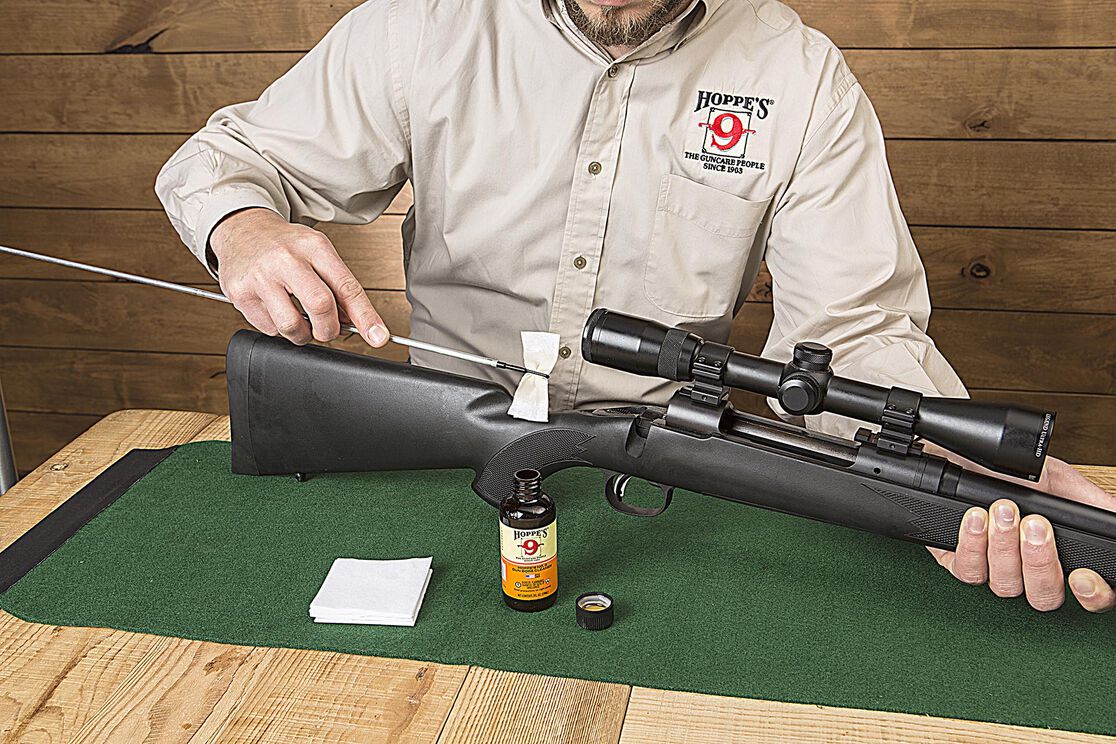
Collect all cleaning tools before starting. You will need a cleaning rod, bore brush, patches, cleaning solvent, and lubricant. Keep a soft cloth nearby to wipe excess oil and dirt. Having everything ready saves time and keeps you organized.
Ensuring Safety Measures
Safety is important when handling firearms. Make sure the sniper rifle is unloaded. Double-check the chamber and magazine. Wear protective gloves to keep chemicals off your skin. Work in a ventilated area to avoid fumes from cleaning solvents.
Disassembling The Rifle
Disassembling the rifle is the first key step in cleaning a sniper rifle barrel properly. It helps access the barrel and other important parts. This process ensures thorough cleaning and better maintenance. Follow the steps carefully to avoid damage and keep the rifle safe.
Exclusive Deals
Limited-time Exclusive Deals. Check current discount on Amazon.
Check Price on Amazon As an Amazon Associate I earn from qualifying purchases.Removing The Bolt
Start by ensuring the rifle is unloaded and safe. Open the bolt handle fully to unlock the bolt. Press the bolt release button or lever, usually located near the trigger guard. Pull the bolt straight back and out of the rifle. Set the bolt aside in a clean, safe place. This clears the chamber and allows better access to the barrel.
Separating The Barrel
Some sniper rifles allow the barrel to be separated for deep cleaning. Check the rifle’s manual for specific instructions. Usually, loosen the screws or nuts that hold the barrel to the receiver. Carefully slide the barrel away from the receiver without forcing it. Keep all small parts safe and organized. Separating the barrel helps clean the bore thoroughly and removes build-up effectively.
Choosing The Right Cleaning Supplies
Choosing the right cleaning supplies is key to keeping a sniper rifle barrel in top shape. Using proper tools and products ensures the barrel stays clean without damage. It also helps maintain accuracy and extends the rifle’s life.
Exclusive Deals
Limited-time Exclusive Deals. Check current discount on Amazon.
Check Price on Amazon As an Amazon Associate I earn from qualifying purchases.Selecting Cleaning Rods And Brushes
Start with a cleaning rod made from soft materials like aluminum or coated steel. These rods prevent scratches inside the barrel. Avoid steel rods that can damage the rifling. Choose rods with a flexible design for easy handling.
Brushes must match the rifle’s caliber size. Bronze or nylon brushes work best for cleaning. Bronze brushes remove tough fouling, while nylon brushes suit lighter cleaning. Use brushes gently to avoid harming the barrel’s surface.
Picking Suitable Solvents And Lubricants
Choose solvents made for firearm cleaning. These break down powder residue and copper fouling effectively. Water-based or biodegradable solvents are safer for the environment and the user. Avoid harsh chemicals that can damage the barrel or your health.
Lubricants protect the barrel from rust and wear after cleaning. Use light oils designed for firearms. Apply sparingly to avoid buildup inside the barrel. Proper lubrication keeps the barrel functioning smoothly and prevents corrosion.

Step-by-step Barrel Cleaning Process
Cleaning a sniper rifle barrel properly requires a careful and clear process. Each step helps keep the barrel in good shape. This improves accuracy and extends the rifle’s life. Follow these simple steps to clean the barrel well.
Applying Solvent
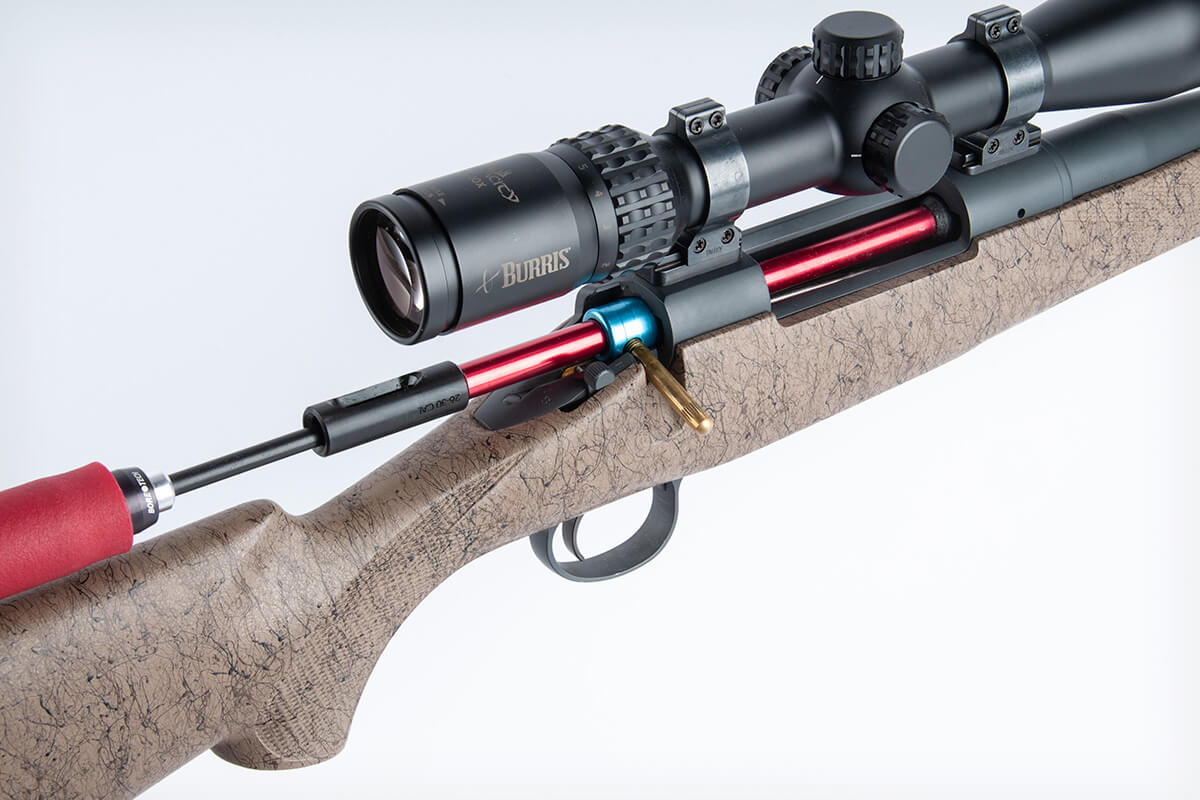
Start by applying a cleaning solvent inside the barrel. Use a clean patch soaked with the solvent. Push it through the barrel from the chamber end. This softens the dirt, carbon, and copper buildup. Let the solvent sit for a few minutes to work well.
Brushing The Barrel
Next, use a brass or nylon brush to scrub the inside of the barrel. Push the brush through the barrel several times. This breaks loose stubborn residue and fouling. Use steady, even strokes to avoid damage. Always brush from the chamber to the muzzle.
Using Cleaning Patches
After brushing, run clean patches through the barrel. Use a jag or patch holder for this task. Push patches until they come out clean. Replace patches as they get dirty. This step removes loosened dirt and solvent residue.
Inspecting The Barrel
Finally, inspect the barrel for cleanliness and damage. Use a bore light or flashlight to look inside. Check for rust, pitting, or leftover dirt. A clean barrel has a shiny, smooth surface. Repeat cleaning if necessary until the barrel looks clear.
Dealing With Stubborn Fouling
Stubborn fouling in a sniper rifle barrel can reduce accuracy and affect performance. This fouling often comes from burnt powder, copper, or lead residue. Cleaning it requires patience and the right methods to avoid damage. Use careful steps to ensure the barrel stays in good condition and works reliably.
Applying Specialized Cleaners
Specialized cleaners break down tough fouling inside the barrel. Use a copper solvent for copper fouling and a lead remover for lead residue. Apply the cleaner generously and let it sit for 10 to 15 minutes. This softens the stubborn deposits, making them easier to remove.
Apply the cleaner with a patch or brush. Avoid harsh chemicals that can damage the barrel’s finish. Choose products designed specifically for sniper rifles or precision firearms. This ensures safety and effectiveness during the cleaning process.
Repeated Brushing Techniques
Use a bore brush to scrub the barrel after applying the cleaner. A bronze or nylon brush works best for stubborn fouling. Run the brush through the barrel slowly and with steady pressure. Do this several times to break up the residue.
Replace the brush with clean patches to wipe out loosened fouling. Repeat brushing and patching until patches come out clean. Patience here avoids damage and ensures the barrel is thoroughly clean. Proper brushing keeps the rifle accurate and reliable over time.
Final Lubrication And Protection
Final lubrication and protection are key to keep your sniper rifle working well. After cleaning the barrel, apply oils and coatings to stop rust and damage. This step also makes sure the rifle stays smooth and ready for use. Proper care here extends the life of your barrel and rifle parts.
Applying Protective Coatings
Use a high-quality gun oil or protective coating on the barrel. Lightly apply the oil with a clean cloth or patch. Spread the coating evenly inside and outside the barrel. This layer blocks moisture and prevents rust from forming. Avoid using too much oil to stop dirt buildup. A thin coat is enough for good protection.
Reassembling The Rifle
Put the rifle parts back carefully after lubrication. Follow the manufacturer’s instructions step by step. Check each piece fits well and locks in place. Tighten screws and bolts gently but firmly. Test the rifle functions smoothly without extra force. Proper reassembly keeps the rifle safe and reliable.
Maintenance Tips For Longevity
Proper maintenance keeps a sniper rifle barrel in top condition for years. It prevents rust, dirt buildup, and wear. Regular care ensures accuracy and reliability during use. Follow simple steps to extend the life of the barrel and the rifle.
Regular Cleaning Schedule
Clean the barrel after every shooting session. Use a quality cleaning rod, patches, and solvent. Run patches through the barrel until they come out clean. Avoid letting dirt and powder residue build up inside. A clean barrel shoots straighter and lasts longer.
Inspect the barrel for rust or damage during each cleaning. Remove any rust spots carefully with a brass brush. Do not overuse solvents or brushes, as they may harm the barrel finish.
Storage Best Practices
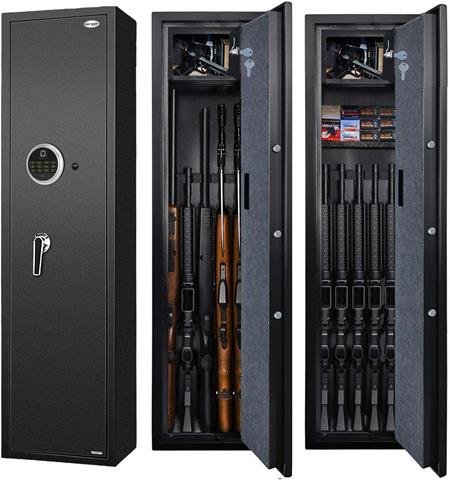
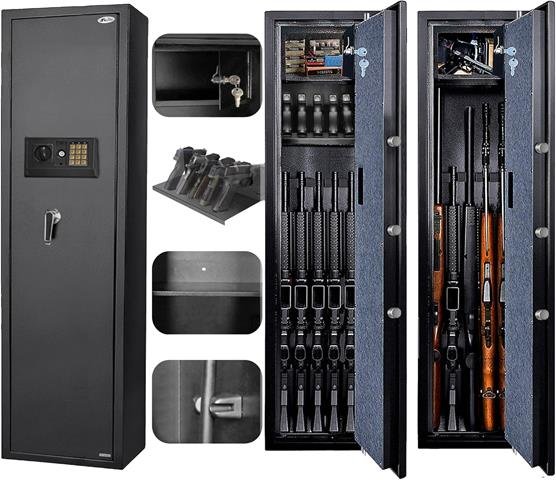
Store the sniper rifle in a dry, cool place away from moisture. Use a gun case or safe with a dehumidifier to prevent rust. Avoid leaving the rifle exposed to extreme temperatures or humidity. Proper storage protects the barrel from corrosion and damage.
Keep the barrel lightly oiled to create a protective layer. Use gun oil designed for metal parts. Wipe off excess oil before use to prevent attracting dust and dirt.
Frequently Asked Questions
How Often Should I Clean A Sniper Rifle Barrel?
Clean the barrel after every 100 to 200 rounds fired. Regular cleaning ensures accuracy and prevents buildup of residue or rust inside the barrel.
What Tools Are Needed For Barrel Cleaning?
You need a cleaning rod, bore brush, patches, cleaning solvent, and lubricant. These tools help remove fouling and protect the barrel’s interior.
Can Improper Cleaning Damage The Rifle Barrel?
Yes, improper cleaning can cause scratches or corrosion. Use correct tools and follow proper techniques to maintain barrel integrity and performance.
Should I Use Solvent Or Oil To Clean The Barrel?
Start with a solvent to break down residue, then apply oil to protect against rust. Both are essential for thorough cleaning and maintenance.
Conclusion
Cleaning a sniper rifle barrel takes patience and care. Use the right tools and cleaning solutions. Always clean from the chamber to the muzzle. Regular cleaning keeps your rifle accurate and safe. A clean barrel helps every shot count. Remember, slow and steady works best.
Keep your rifle in top shape by cleaning it often. This simple step improves performance and extends the rifle’s life. Don’t rush—take your time and do it right. Your sniper rifle will thank you.