If you’ve ever wondered how long your rimfire ammo will stay reliable, you’re not alone. Whether you’re a casual shooter or a serious collector, knowing the lifespan of your ammo can save you time, money, and frustration.
You want your shots to be accurate and safe every time, right? You’ll discover the key factors that affect rimfire ammo’s shelf life and how to store it properly so it lasts as long as possible. Keep reading—your next shot depends on it.
Rimfire Ammo Basics
Understanding rimfire ammo basics helps to know its lifespan and uses. Rimfire ammo is different from other types. It has unique features that affect how long it lasts and how it performs. Knowing these basics gives a clear picture of rimfire ammunition.
Exclusive Deals
Limited-time Exclusive Deals. Check current discount on Amazon.
Check Price on Amazon As an Amazon Associate I earn from qualifying purchases.This section explains what rimfire ammo is and shows common uses and types. It gives simple facts to help readers understand this ammo better.
What Is Rimfire Ammo
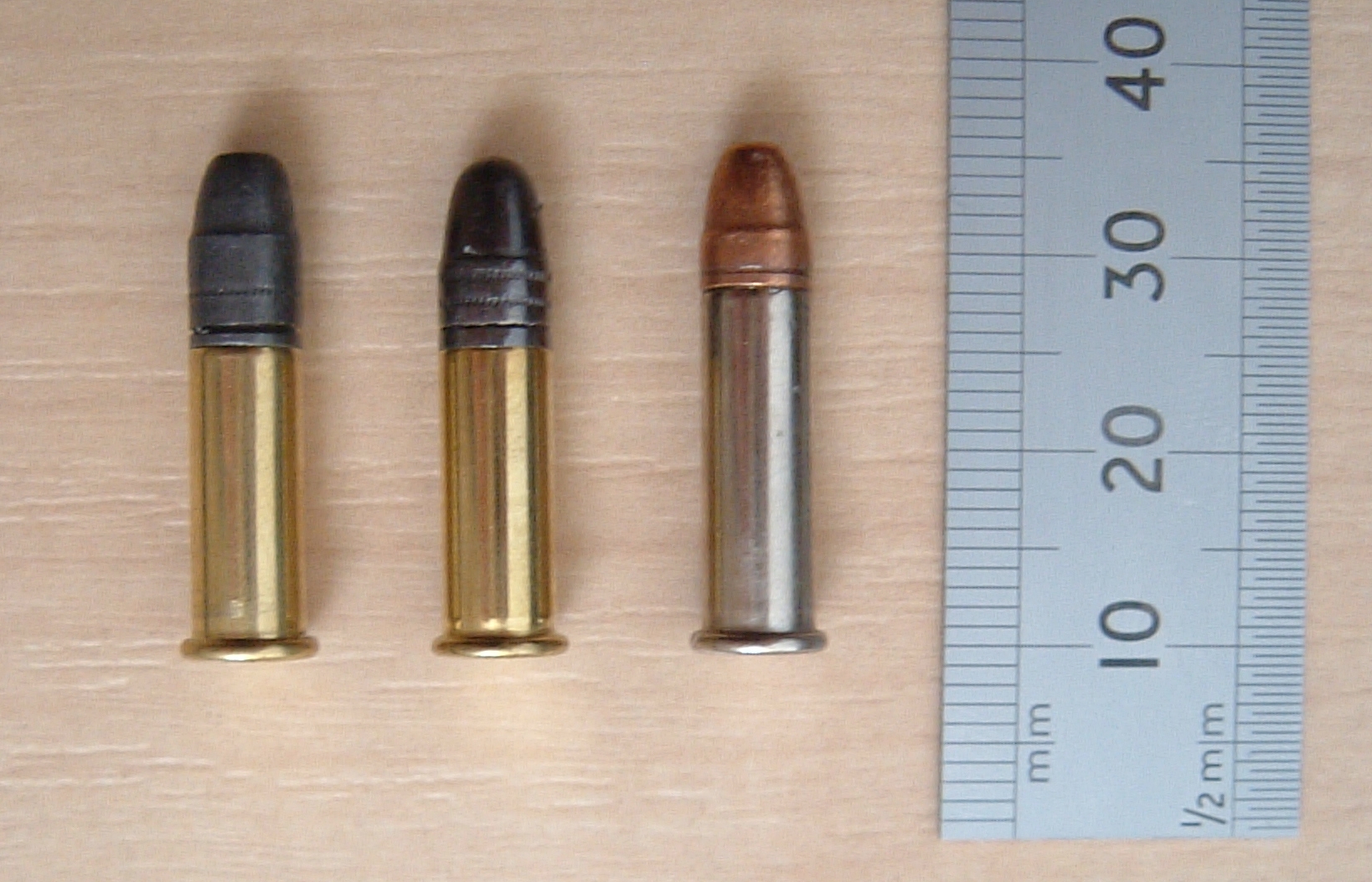
Rimfire ammo has the primer inside the rim of the cartridge base. When the firing pin hits the rim, it ignites the primer. This starts the gunpowder burning and fires the bullet. This design makes rimfire ammo cheaper and easier to produce.
Rimfire rounds are usually smaller in size and power. The most common rimfire caliber is .22 Long Rifle. It works well for light shooting tasks and small firearms.
Common Uses And Types
Rimfire ammo is popular for target practice, plinking, and small game hunting. Its low recoil and cost make it perfect for beginners. Many use it for training and fun shooting.
Exclusive Deals
Limited-time Exclusive Deals. Check current discount on Amazon.
Check Price on Amazon As an Amazon Associate I earn from qualifying purchases.Besides the classic .22 Long Rifle, other rimfire types include .22 Short and .22 Magnum. Each type serves different needs. Some offer more power, while others focus on quiet shooting or cost efficiency.

Factors Affecting Ammo Shelf Life
Several factors affect how long rimfire ammo lasts. Understanding these factors helps you store ammo safely and keep it reliable. Ammo shelf life depends on many things, including how you store it and the quality of the ammo itself.
Storage Conditions
Proper storage is key to keeping rimfire ammo fresh. Ammo should be kept in a cool, dry place. Heat and moisture can damage the powder and primers inside the cartridge. Avoid storing ammo in basements or garages where humidity is high. Use airtight containers or ammo cans with desiccants to reduce moisture. Stable temperature and low humidity extend the ammo’s life.
Exclusive Deals
Limited-time Exclusive Deals. Check current discount on Amazon.
Check Price on Amazon As an Amazon Associate I earn from qualifying purchases.Ammo Quality And Manufacturing
High-quality ammo usually lasts longer. Brands with strict quality control make better cartridges. Poorly made ammo can degrade faster. Check for factory seals and production dates. Newer ammo tends to be more reliable than older stock. Consistent manufacturing processes protect the internal components from breaking down.
Environmental Influences
Environmental factors affect ammo shelf life too. Exposure to sunlight can weaken the cartridge casing. Dust and dirt can enter if the packaging is damaged. Extreme temperatures cause the powder to break down. Avoid leaving ammo in cars or outdoors for long periods. Stable and clean environments keep ammo in good condition.
Typical Shelf Life Of Rimfire Ammo
Rimfire ammo has a certain shelf life that affects its performance and safety. Knowing how long it lasts helps shooters store it properly. Proper storage keeps the ammo reliable for many years. Poor storage can shorten its lifespan and cause problems.
Average Lifespan
Rimfire ammo typically lasts 5 to 10 years under good conditions. The best conditions are cool, dry, and stable environments. Ammo stored in a sealed container lasts longer. High humidity or extreme temperatures reduce shelf life. Old ammo may still fire but with less power and more misfires.
Signs Of Deterioration
Look for corrosion on the cartridge case. Rust or discoloration means moisture damage. Powder inside can clump or become powdery. Firing old ammo may cause weak shots or jams. Bulging or dented cartridges are unsafe to use. Regular checks help identify bad ammo before use.

Storage Tips To Extend Shelf Life
Proper storage plays a key role in extending the shelf life of rimfire ammo. Keeping ammo safe from damage preserves its reliability and performance. Simple steps can protect your ammo for years.
Optimal Temperature And Humidity
Store rimfire ammo in a cool, dry place. High temperatures can cause the powder to degrade. Excess humidity leads to corrosion of the casing and bullet. Aim for temperatures between 50°F and 70°F. Keep humidity below 50% to prevent rust and moisture damage.
Proper Containers And Packaging
Use airtight containers to store rimfire ammo. Metal or plastic ammo boxes with good seals work well. Avoid flimsy packaging that lets air and moisture in. Original factory packaging can be fine if kept sealed and dry. Label containers to keep track of ammo type and age.
Avoiding Exposure To Elements
Keep ammo away from direct sunlight and water. Sunlight can heat up ammo and damage primers. Water causes corrosion and can ruin the powder inside. Store ammo off the ground and away from walls where moisture gathers. Regularly check stored ammo for signs of rust or damage.
Handling And Maintenance Advice
Proper handling and maintenance play a big role in how long rimfire ammo lasts. Careful storage and regular checks keep the ammo reliable and safe to use. Poor handling can cause damage that shortens the ammo’s life. Follow these simple steps to keep your rimfire ammunition in good shape.
Regular Inspection
Check your rimfire ammo often for signs of damage. Look for corrosion, rust, or dents on the casing. Discard any rounds that appear damaged or weak. Keep ammo dry to avoid moisture, which can cause corrosion. Use a clean, dry cloth to wipe off dust or dirt.
Safe Transportation
Transport rimfire ammo in sturdy containers made for ammunition. Avoid loose rounds in bags or pockets to prevent crushing or impact damage. Keep ammo away from heat sources during transport. Always secure the container to prevent shifting or dropping.
Rotation And Usage Practices
Use older ammo first to keep your stock fresh. Store new ammo behind older rounds in your storage. Avoid storing large amounts for very long periods. Regularly cycling through ammo ensures it stays in good condition. This practice reduces the risk of firing old, unreliable rounds.
When To Dispose Of Old Ammo
Knowing when to dispose of old rimfire ammo is important for safety. Ammo can degrade over time and lose reliability. Using old ammo can lead to misfires or damage to your firearm. It is best to inspect your ammo regularly and decide if it is still safe to use.
Risks Of Using Expired Ammo
Expired ammo may not fire correctly. Powder inside can absorb moisture and become weak. This causes low power or no firing at all. Old primers may fail to ignite the powder. Misfires can be dangerous and cause gun jams. Using bad ammo can also harm the gun’s barrel or chamber. Avoid risks by checking ammo condition before use.
Safe Disposal Methods
Do not throw old ammo in the trash. It can be unsafe for waste handlers. Take expired ammo to a local shooting range or gun store. They often offer disposal services. Some police departments accept ammo for safe disposal. Contact your local waste management for guidance. Always follow local laws and regulations. Store old ammo safely until disposal to avoid accidents.
Frequently Asked Questions
How Long Does Rimfire Ammo Remain Reliable?
Rimfire ammo can last 5 to 10 years if stored properly. Keep it in a cool, dry place to maintain performance and reliability. Avoid exposure to moisture, heat, and sunlight to prevent corrosion and degradation.
Does Storage Affect Rimfire Ammo Lifespan?
Yes, storage significantly impacts rimfire ammo lifespan. Proper storage in sealed containers with low humidity extends shelf life. Avoid extreme temperatures and moisture to keep the ammo functional and safe for longer periods.
Can Old Rimfire Ammo Still Be Used Safely?
Old rimfire ammo can be safe if stored well and shows no signs of corrosion. Test fire cautiously to ensure reliability. Discard any ammo that looks damaged or misfires to avoid safety risks.
What Factors Reduce Rimfire Ammo Longevity?
Humidity, heat, and exposure to sunlight reduce rimfire ammo longevity. Poor storage leads to corrosion and powder degradation. Maintaining a stable, dry environment preserves ammo quality and performance for years.
Conclusion
Rimfire ammo can last many years if stored properly. Keep it dry and cool to avoid damage. Old ammo may still fire but can be less reliable. Always check your ammo before use for safety. Proper storage helps maintain performance and safety.
Knowing how long rimfire ammo lasts saves money and trouble. Store smart, check often, and shoot safely every time.