
Most modern rangefinders are designed to be eye-safe when used as directed.

Exclusive Deals
Limited-time Exclusive Deals. Check current discount on Amazon.
Check Price on Amazon As an Amazon Associate I earn from qualifying purchases.I have used rangefinders for years in hunting, golf, and surveying. I know the tech, the safety labels, and the real risks. This article answers Can a Rangefinder Damage Your Eyes? with clear facts, simple safety steps, and real examples so you can use a rangefinder with confidence.

How rangefinders work and why people worry about eye safety
Rangefinders send a brief beam of light. Many use infrared pulses or a low-power laser. The device times the light to measure distance. People worry about eyes because lasers can harm tissue. Asking Can a Rangefinder Damage Your Eyes? is smart and common.
Rangefinder beams are brief and low power. Most consumer models meet strict safety rules. Still, misuse can raise risk. I will explain how, when, and why.
Exclusive Deals
Limited-time Exclusive Deals. Check current discount on Amazon.
Check Price on Amazon As an Amazon Associate I earn from qualifying purchases.
Laser classes and what they mean for your eyes
Lasers are grouped by power and risk. Lower classes mean lower risk to eyes.
- Class 1: Safe under normal use; no eye hazard.
- Class 1M: Safe for naked eye but not for optical instruments.
- Class 2: Low visible power; blink reflex protects eye.
- Class 3R and higher: Higher risk and require caution.
When you ask Can a Rangefinder Damage Your Eyes?, check the laser class on the label. Most handheld rangefinders are Class 1 or Class 1M. That keeps raw risk very low.
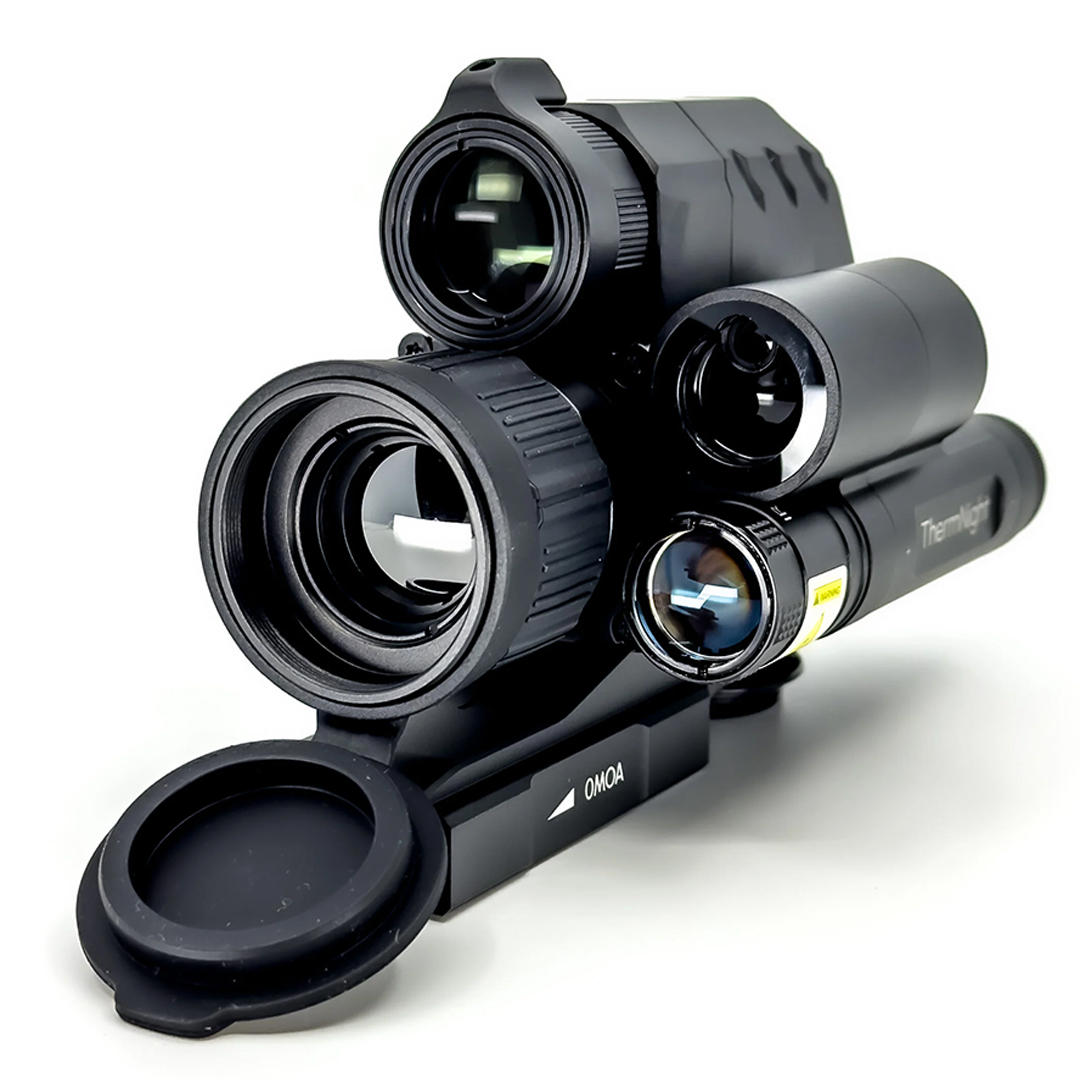
Real risk scenarios: when a rangefinder could hurt your eyes
Risk rises when safety rules are broken. Common risky situations include:
Exclusive Deals
Limited-time Exclusive Deals. Check current discount on Amazon.
Check Price on Amazon As an Amazon Associate I earn from qualifying purchases.- Deliberately staring into the emitter at close range.
- Using a rangefinder through binoculars or a telescope.
- Pointing the beam at reflective surfaces that redirect the light.
- Using industrial or high-power laser rangefinders not meant for consumer use.
In honest terms, accidental brief exposure from a consumer rangefinder is unlikely to harm you. Can a Rangefinder Damage Your Eyes? Yes, but only in unusual misuse or with non-consumer devices.

Practical safety tips to avoid eye harm
Follow these simple rules every time you use a rangefinder.
- Read the manual and check the laser class.
- Never look into the emitter or point it at someone’s face.
- Do not use through binoculars or scopes unless the device is rated for that.
- Keep the rangefinder away from children.
- Respect signs and avoid aiming at vehicles or aircraft.
If you want a quick rule: treat the beam like bright sunlight. Can a Rangefinder Damage Your Eyes? Use caution, and it likely won’t.

My experience: lessons learned from real use
I have used many rangefinders in low-light and bright sun. I once aimed a unit at a wet metal gate. The beam reflected and startled me. No damage happened, but I learned to avoid reflective targets.
I also tested viewfinder alignment and read all safety labels before field use. These small steps stopped minor hazards. If you ask Can a Rangefinder Damage Your Eyes? from my view, safe habits remove nearly all risk.
Regulatory standards, labels, and how to read them
Manufacturers follow international laser safety rules. Labels will show a class number and warning icons. Look for clear markings and a user manual.
If a rangefinder lacks markings or seems heavy-duty, treat it with more care. Can a Rangefinder Damage Your Eyes? Devices without clear certification carry higher risk.

Quick questions you might search for
What happens if I get hit in the eye by a rangefinder beam?
A brief hit from a certified consumer rangefinder usually causes no injury. Persistent glare or discomfort warrants a doctor visit.
Are infrared rangefinders visible to the eye?
Infrared beams are often invisible. That makes accidental exposure possible but the beam is usually low power.
Can protective eyewear block rangefinder lasers?
Some eyewear can reduce exposure. Use goggles rated for the laser wavelength if you handle high-power units.

Frequently Asked Questions of Can a Rangefinder Damage Your Eyes?
What types of rangefinders are safest for eye health?
Most consumer rangefinders labeled Class 1 or Class 1M are safest. These meet strict limits for eye exposure and are designed for everyday use.
Can a brief accidental look into a rangefinder harm my eye?
A short accidental look into a certified consumer rangefinder is unlikely to cause harm. If you feel pain or see visual changes, seek medical help.
Are hunting and golf rangefinders different in eye risk?
They are similar. Both usually use low-power lasers. Always check the device class and follow safety rules regardless of use.
Should I worry about infrared rangefinders since the beam is invisible?
Invisible beams can trick you into prolonged exposure. Stick to the safety rules and avoid pointing the device at people.
Can rangefinders damage children’s eyes more easily?
Children may stare and not follow safety guidance. Keep rangefinders out of reach and supervise use to avoid risky exposure.
Conclusion
Consumer rangefinders are built to be safe when used correctly. Can a Rangefinder Damage Your Eyes? The honest answer is: rarely, if you follow labels and avoid misuse. Use short pulses, read the class label, and never aim at eyes or use through optics. Take action: check your device label, practice safe handling, and teach others to do the same. If this helped, leave a comment or share your experience so others can stay safe.